

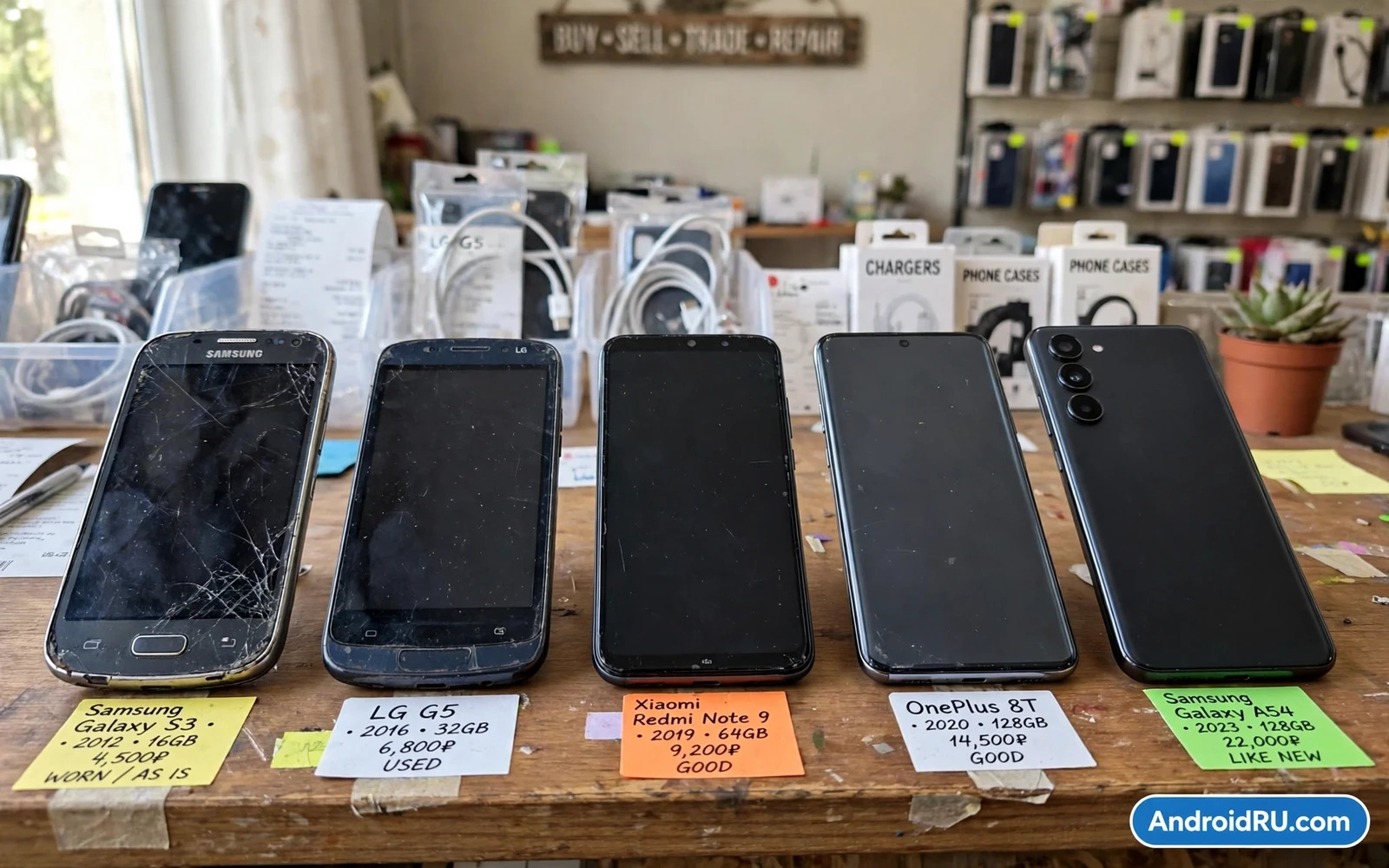
Why Depreciation Deserves Buying Attention
A phone purchase is also a future resale decision whether you plan it or not. Most buyers upgrade within a few years and the resale value at that moment returns a meaningful part of the original cost. A phone that holds value well can cost less overall than a cheaper phone that collapses in value. A phone that depreciates fast can erase an apparent launch bargain within a year. Depreciation therefore belongs beside camera and battery in any serious buying calculation.
Depreciation rates vary by brand and by model and by storage tier and by condition. Flagship models from brands with strong demand hold value better than obscure models with weak demand. Limited colours and unusual storage tiers can hold value differently from mainstream choices. Condition dominates all other factors because a cracked screen or a worn battery destroys resale value regardless of brand. This analysis explains the drivers first and the brand patterns second.
What Drives Value Loss
New model launches drive the largest value drops. A successor launch instantly makes the previous model feel older even when its hardware remains excellent. Software support length softens that drop because a phone with years of updates remaining stays attractive to used buyers. Battery health softens or worsens value because used buyers fear expensive battery replacement. Storage size matters because larger tiers stay usable longer as apps and media grow.
Brand demand drives baseline value. Brands with large loyal audiences attract more used buyers which supports prices. Brands with heavy discounting at launch suffer faster depreciation because used buyers anchor on discounted new prices rather than launch prices. A phone that launched with frequent promotions rarely holds launch value. A phone that rarely discounts holds value better because used buyers cannot find a cheap new alternative easily.
Flagship Depreciation Patterns
Flagship phones depreciate fastest in absolute money terms because their starting prices are highest. A flagship that loses a third of its value loses more money than a mid range phone that loses half its value. Percentage loss tells a different story from money loss. Buyers who care about total ownership cost should track money lost rather than percentage alone. A flagship with modest percentage loss can still lose more money than a mid range phone with steep percentage loss.
Within flagships some lines hold value better due to camera reputation and update length and ecosystem lock in. Phones with distinctive cameras attract used buyers who value photography. Phones with long update promises attract used buyers who fear obsolescence. Phones tied to popular accessory ecosystems attract buyers who already own matching watches and earbuds. These demand factors cushion depreciation even after a successor launches. Brand ranking context appears in the Android phone brands ranked by reliability and support guide where support length correlates with long term appeal.
Mid Range And Budget Depreciation
Mid range phones lose less money in absolute terms because they start cheaper. Their percentage loss can still be steep when a successor offers a large upgrade at a similar price. Budget phones lose the least money but they also offer the least resale return because used prices fall to very low levels quickly. A budget phone kept for many years often makes more sense as a hand down device than as a resale item.
Value retention improves when a mid range phone offers a standout feature. A great camera or a huge battery or a durable build can sustain used demand after launch hype fades. Generic mid range phones with no standout trait fade fastest because used buyers see many similar alternatives. Buyers who plan to resell should favour mid range models with a clear strength rather than the cheapest generic option. Refurbished market dynamics also shape resale and the refurbished versus new phones comparison explains how certified used channels affect prices.
Storage Colour And Condition Effects
Storage tier affects resale unevenly. Base storage tiers depreciate faster when apps grow and base space feels cramped. Large storage tiers hold value better proportionally because they stay practical longer. Extremely large tiers can depreciate faster in money terms because few used buyers pay a large premium for maximum storage. Middle tiers often offer the best value retention balance.
Colour affects resale subtly. Mainstream colours sell faster because they appeal broadly. Bold limited colours can command premiums among enthusiasts but they can also narrow the buyer pool. Condition affects resale massively. A phone with an original box and accessories and a healthy battery sells faster and for more. A phone with screen scratches or a swollen battery sells slowly and for far less. Keep the box and protect the battery when resale matters to you.
Timing Your Sale And Purchase
Timing shapes returns strongly. Selling just before a successor announcement captures higher value than selling after launch. Buying just after a successor launch captures a discounted previous flagship at strong value. That buy low sell early rhythm beats holding a phone through multiple successor cycles when resale matters. Users who upgrade yearly benefit most from timing discipline. Users who keep phones for many years benefit least because depreciation flattens over time.
Trade in programmes change timing math. A maker trade in bonus can exceed open market resale value during launch promotions. Carrier trade in deals can also beat private sale prices when they include bill credits. Compare trade in value against private sale value after fees and hassle. A private sale usually pays more but demands photos and messages and meeting strangers. A trade in pays less sometimes but removes all hassle. Ecosystem comparison context also appears in the Android versus iOS ecosystem comparison where platform resale patterns differ structurally.
Protecting Resale Value From Day One
- Use a case and a screen protector from the first day
- Keep the original box and charger and cables for resale
- Avoid extreme heat and deep discharges to protect battery health
- Choose a mainstream colour and a middle storage tier for broad appeal
- Sell before a successor launch when upgrade timing allows it
- Compare trade in offers against private sale prices before deciding
Final Verdict
No brand holds value perfectly because new launches and discounting affect every maker. Brands with strong demand and long software support and distinctive strengths hold value best in general. Flagship buyers should weigh money lost rather than percentage lost. Mid range buyers should favour standout models over generic cheapest options. Condition and timing often outweigh brand choice alone. Buy a phone you love and protect it well and sell at a smart moment. That combination beats chasing a depreciation chart as the primary buying reason.
Trade In Versus Private Sale Detail
Trade in programmes offer simplicity that private sales cannot match. You hand over the old phone and receive credit immediately without photos or messages or meetings. That simplicity appeals to busy upgraders who value time over maximum return. Trade in values vary by programme timing because launch promotions often boost credit temporarily. A trade in during a launch window can exceed private sale value after fees and hassle. A trade in outside a promotion usually pays less than a careful private sale.
Private sales demand effort but they reward it with higher returns for desirable models. Good photos and honest condition descriptions and fair pricing attract serious buyers quickly. Poor photos and vague descriptions attract low offers and wasted time. Meeting safety matters because private sales involve strangers and valuable devices. Meet in public places during daytime and accept secure payment methods only. Never ship a phone before payment clears fully because reversal scams target sellers as well as buyers.
Data wiping protects sellers in both channels. A factory reset alone may not suffice on older devices where data recovery remains possible. Encrypt the phone before resetting when the device offers encryption because encrypted remnants resist recovery far better. Remove SIM cards and memory cards before handing over any phone. Sign out of accounts before reset because account locks can brick a traded phone for the next owner and can delay or void trade in credit.
Fees and taxes change private sale math subtly. Marketplace fees and payment processing fees reduce net return. Shipping costs and insurance reduce return further for mailed sales. Local cash sales avoid most fees but carry meeting risks. Calculate net return after all fees rather than comparing headline offers. A trade in that looks lower at first glance can win on net return when private sale fees and time costs are counted honestly.
Limited Editions And Colour Rarity
Limited edition phones and rare colours create resale stories that differ from mainstream models. A genuinely limited run with distinctive design can attract collectors who pay premiums long after launch. A mass produced phone in a bold colour rarely achieves collector status because supply remains large. Marketing language often calls ordinary colours limited when they are merely new. Check production numbers and regional availability before paying a premium for rarity. True rarity needs verifiable scarcity rather than advertising adjectives.
Condition matters even more for limited editions because collectors demand pristine examples. A limited phone with scratches loses its rarity premium faster than a mainstream phone loses ordinary value. Keep limited edition packaging and accessories complete because collectors value the full set. Avoid modifying a limited phone with engraving or permanent customisation when resale matters because personalisation narrows the collector pool sharply. Treat limited editions as enjoyable phones first and as investments second because most technology depreciates regardless of colour.

