

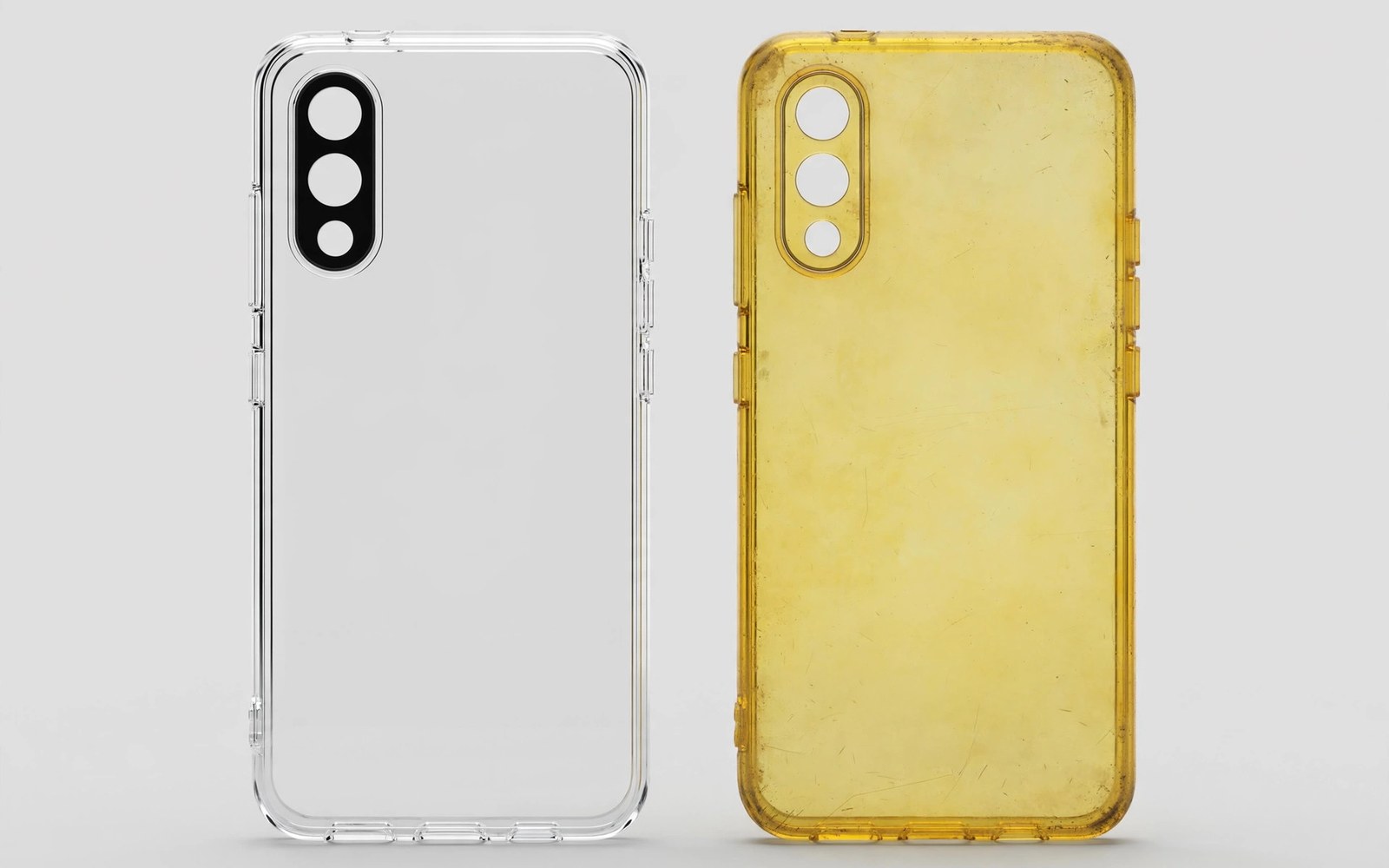
A new clear case looks almost invisible on a phone. It shows the colour and finish underneath. Within months many clear cases turn yellow. The change is slow and then it is obvious. Owners often blame dirt or poor cleaning. The real cause is chemistry inside the case material itself.
Most clear cases use TPU plastic. TPU is soft and flexible. It also reacts to light and heat over time. Those reactions change its colour from clear to yellow. The process is called oxidation. It affects nearly all TPU cases to some degree. Better materials slow it down but they rarely stop it fully.
This guide explains why yellowing happens and how to slow it. It covers sunlight and heat. It covers skin oils and cleaning habits. It also covers material choices when buying. For style and wear in other materials, compare leather and fabric cases on style and wear before your next purchase.
The Chemistry Of Yellowing
TPU contains long chain molecules that react with oxygen. Heat and ultraviolet light speed that reaction. The changed molecules absorb blue light. That absorption makes the material look yellow to the eye. The change is permanent in most cases. Cleaning cannot reverse oxidised plastic.
Sunlight is the strongest driver of yellowing. Ultraviolet rays break chemical bonds in the plastic. Phones left on car dashboards age fastest. Window sills and outdoor use add exposure daily. Even indoor light adds a slow effect over months. No clear TPU case is fully immune to light.
Heat adds a second driver. Warm pockets and wireless charging add steady warmth. Hot cars in summer are the worst case. Heat speeds oxidation even without direct sun. A phone that runs hot during gaming ages its case faster. Cooling habits help the phone and the case together.
Oils Sweat And Daily Wear
Skin oils and sweat also stain clear cases. Oils seep into tiny surface pores over time. They add a yellow tint that mixes with oxidation. Hands with sunscreen or lotion transfer more residue. Pockets with receipts or dyed fabric can transfer colour too. Daily contact slowly tints any clear case.
Cleaning removes surface oils but not deep oxidation. A wash can restore a case that looks dull from grime. It cannot restore a case that has yellowed chemically. That distinction matters for expectations. A clean yellow case is still a yellow case. Replacement is the only fix for true oxidation.
Hard clear cases yellow more slowly than soft TPU. Polycarbonate resists oxidation better. It also feels harder and less grippy. Hybrid cases mix a hard back with soft edges. The back stays clearer longer. The edges may still yellow with age. Material choice trades clarity life against grip and feel.
Can Cleaning Or Bleaching Help
Mild soap and water clean surface grime safely. A soft cloth and lukewarm water suit weekly cleaning. Avoid harsh solvents and abrasive pads. They cloud the surface and they worsen the look. A cloudy case looks worse than a slightly yellow one. Gentle cleaning preserves clarity best.
Home bleach tricks circulate widely online. Soaking a case in bleach or peroxide may lighten it slightly. Results vary and risks are real. Strong chemicals can weaken the plastic. They can also cloud the finish or damage button covers. A lightened case often yellows again quickly. The effort rarely justifies the result.
Baking soda paste helps with surface stains only. Rub it gently and rinse fully. It will not reverse deep oxidation. Treat cleaning as maintenance rather than restoration. Keep a case clean from day one. That habit slows surface staining even if oxidation continues.
Buying A Case That Stays Clear Longer
Look for anti yellowing claims with real material detail. Cases that name a coated polycarbonate back tend to last longer. Cases that name UV resistant additives are also promising. Vague claims without material detail mean little. A named material beats a bold slogan every time.
Check owner photos after months of use. Studio photos show day one clarity only. Long term reviews reveal true yellowing speed. Search reviews for yellow mentions before buying. A case with many yellow complaints will likely yellow for you too. Real user timelines are the best evidence available.
Consider a hybrid or hard back design. A hard back stays clear far longer than soft TPU. Soft edges still give grip and drop safety. The mix suits users who love the clear look. It costs a little more than basic TPU. The extra months of clarity justify the price for many buyers.
Habits That Slow Yellowing
Keep the phone out of direct sun when possible. A pocket or a bag beats a sunny dashboard. Remove the case during long wireless charging sessions if it runs hot. Heat is a quiet ageing factor. Small habit changes add months of clarity. They also help battery health over time.
Clean the case weekly with mild soap and water. Dry it fully before refitting. Trapped moisture under a case can stain the back. Wipe skin oils off after gym sessions or outdoor work. A quick wipe takes seconds. It prevents oil buildup that tints the surface.
Store spare cases away from sunlight. A drawer beats a sunny shelf. Keep spares in their packets until needed. Light ages a case even in storage. A spare kept dark stays clear for its turn. Rotate cases to spread wear across two units if you own spares.
- Wash weekly with mild soap and lukewarm water.
- Keep the phone out of hot cars and direct sun.
- Choose a hard or hybrid back for longer clarity.
- Avoid harsh bleach soaks that weaken plastic.
- Replace the case once yellowing bothers you daily.
- Store spare cases in a dark drawer.
When To Replace A Yellowed Case
Replace a case once yellowing distracts you or hides the phone design. The point of a clear case is invisibility. A deep yellow case defeats that purpose. It still protects the phone well. Protection does not fade with colour change. Looks are the main loss from yellowing.
Budget for replacement every six to twelve months for soft TPU. Hard backs may last a year or longer. Treat a clear case as a consumable item. Its low price makes regular replacement painless. A fresh case restores the new phone look at once. That refresh feels surprisingly satisfying.
Eco minded buyers may prefer a durable non clear case instead. A long life case avoids repeated replacement waste. Plant based options are covered in eco-friendly biodegradable cases and their durability for buyers weighing looks against waste. Either path is valid. Match the choice to your values and your budget.
UV Resistant Coatings And Clear Materials
UV resistant coatings slow yellowing by blocking harmful light. The coating absorbs ultraviolet rays before they reach the plastic. That shield delays the chemical changes that cause yellow tint. Coated cases stay clear months longer than uncoated cases. Coatings wear with handling and cleaning. A worn coating protects less each month. No coating stops yellowing forever. It buys time rather than immunity. Buyers should expect slower yellowing rather than permanent clarity.
Polycarbonate backs resist yellowing better than soft TPU. The harder plastic oxidises more slowly. It also scratches more easily than soft TPU. A scratched hard back looks cloudy in bright light. That clouding differs from yellowing but it still dulls the look. Hybrid cases pair a hard back with soft edges. The back stays clear longer. The edges may yellow sooner. The overall look ages more gracefully than a full soft case. Hybrid design is the best clear case compromise available today.
Tinted clear cases hide yellowing better than crystal clear cases. A light smoke tint masks early yellow tones. A blue tint counters yellow visually for a time. Tints change the phone colour shown through the case. A tinted case suits users who accept a slight colour shift. Crystal clear cases suit users who demand true colour. Those users must accept faster visible yellowing. Choose tint or clarity based on what bothers you less over time.
Recycled Clear Cases And Replacement Cycles
Recycled clear cases reuse plastic from other products. Their clarity matches new plastic when new. Their yellowing speed matches their base material. Recycled TPU yellows like new TPU. Recycled polycarbonate ages like new polycarbonate. Recycling does not change ageing chemistry. It changes waste impact only. Buyers should judge recycled clear cases by material type. A recycled hard back beats a new soft back for clarity life. Material matters more than recycled status for yellowing.
Replacement cycles for clear cases should follow visible change. Replace when yellowing distracts daily. Replace sooner if the case also stretches or cracks. A yearly replacement budget suits most clear case users. That budget costs less than a single screen repair. It also keeps the phone looking new. Some users replace twice a year for perfect clarity. That habit suits users who photograph their phones often. Others accept a light tint for two years. Both habits are valid with honest expectations.
Pair a clear case with heavy-duty cases compared with slim covers thinking when you plan replacements. A clear case is a style choice first. A rugged case is a safety choice first. Owning both covers style days and rough days. Swap to rugged for trips and keep clear for office days. That habit extends clear case life. It also guards the phone better on rough days. Two cases beat one case forced into every setting.
Matte clear cases offer a different ageing path. A frosted finish hides yellowing better than crystal clear plastic. It also hides fingerprints and smudges well. Matte cases sacrifice the invisible look. They show the phone shape without full colour clarity. Users who dislike visible yellowing may prefer matte. Users who demand true colour should stay crystal clear. Matte is a practical compromise for ageing anxiety. It looks intentional rather than aged.
Spare case storage affects spare clarity directly. A spare stored in sunlight yellows before first use. A spare stored in a dark drawer stays clear. Keep spares in their original packets. Packets block light and dust together. A drawer beats a sunny shelf for storage. Rotate spares so the oldest gets used first. That rotation prevents a spare from ageing past usefulness. Simple storage habits preserve spare value well.
Anti-yellow routine:
- Weekly: mild soap wash, full dry before refit
- Daily: avoid dashboard sun, avoid hot charging
- Monthly: inspect edges for deep yellow tint
- Buying: hard back or hybrid, UV resistant claim
- Replace: soft TPU every 6-12 months
- Storage: spares in dark drawer, in packet
The steps above follow the approach described in the official developer documentation for device care and accessory testing. The guidance draws on standard polymer ageing behaviour and everyday handling. Yellowing is a material fact rather than a cleaning failure. Choose materials and habits that slow it down.

