

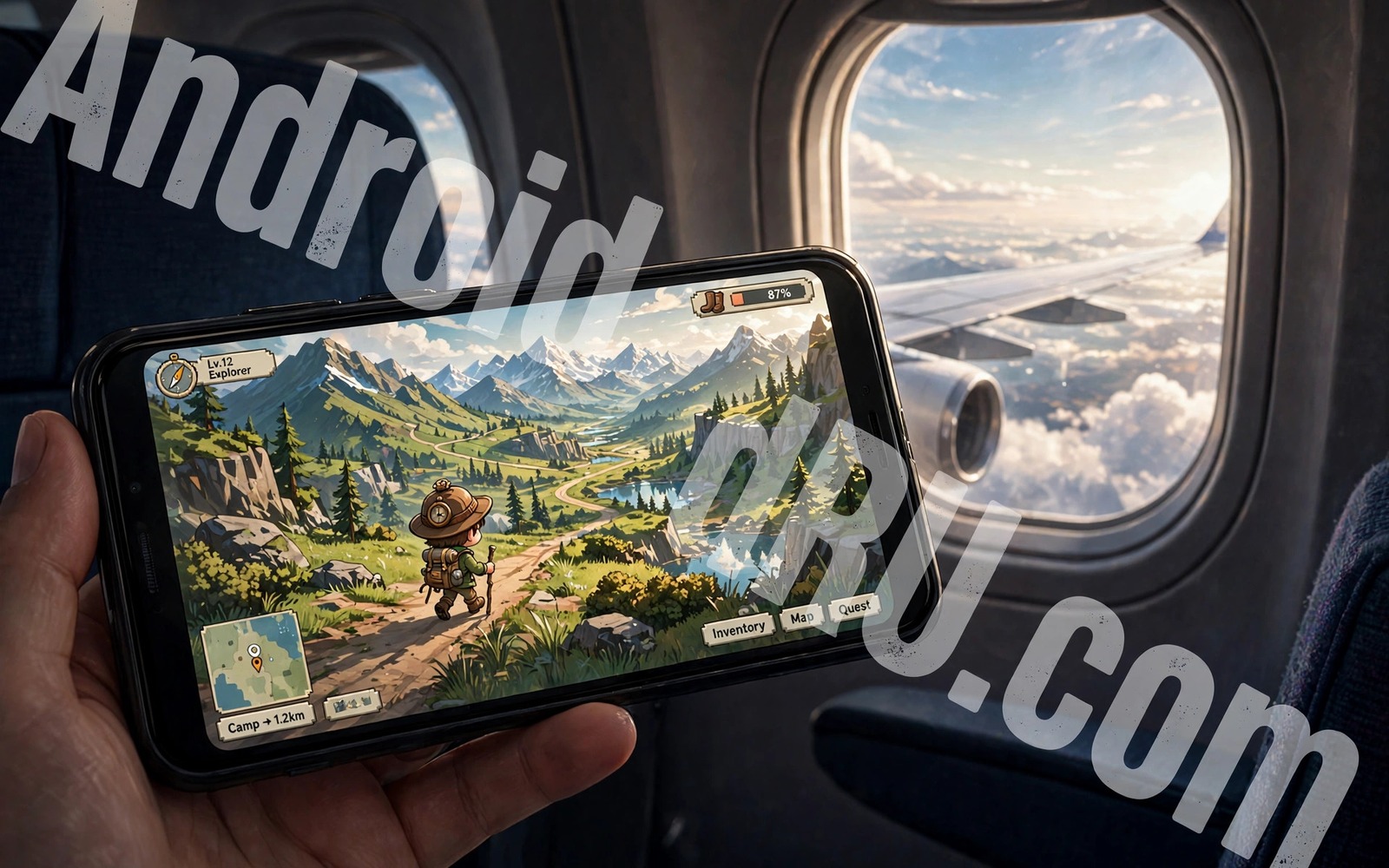
Offline open-world games give players freedom that online games often cannot match. You can play on a plane or in a remote village or during a network outage without losing progress or patience. This guide focuses on offline open-world games and explains how to choose and test and enjoy them with confidence. It keeps advice practical and grounded in real sessions rather than store promises.
Before you download anything it helps to know what good looks like for offline open-world games. Many readers enjoy story-rich single-player offline rpgs for mobile alongside this topic because the two share a focus on play without a connection. story-rich single-player offline rpgs for mobile That shared focus makes comparison easier because you can judge storage and controls and pacing on equal terms. Use the sections below as a checklist and adapt each point to your phone and your hands.
The rest of this guide walks through selection and setup and daily play for offline open-world games. You will learn what to test before travel and which settings protect battery and progress. You will also see common mistakes that waste time and storage. By the end you should have a short list of games that truly fit your life.
Open worlds need a different kind of preparation
Big maps reward players who download all regions and test saves before they leave home. Test this on your own device because trailers and store pages rarely show the full picture. A game that handles this well earns trust and keeps you coming back without pressure. Try both portrait and landscape holds where the game allows them because hand comfort changes with screen shape.
A second practical point deserves attention for offline open-world games. Play in the setting where you will actually use the game rather than only at a desk. A game that feels fine at home can feel cramped on a bus or tiring in bed. Note hand comfort and screen glare and sound needs during real use. Those notes guide better choices than any review score alone.
Travel sessions shape map design choices
A flight gives long calm blocks while a bus ride gives short broken blocks with stops. You can judge it quickly by playing one honest session without changing any other setting. A game that respects this point feels calmer to return to after a busy day. Set a simple time limit for each test so you compare games fairly instead of favouring the first game you tried.
A second practical point deserves attention for offline open-world games. Play in the setting where you will actually use the game rather than only at a desk. A game that feels fine at home can feel cramped on a bus or tiring in bed. Note hand comfort and screen glare and sound needs during real use. Those notes guide better choices than any review score alone.
Save points matter more than map size
A huge map with rare saves can frustrate a traveller more than a smaller map with fair saves. Players who test this early avoid disappointment later when progress becomes harder to move. When this part works well you spend time playing rather than fighting menus or settings. Start with default settings and change only one option at a time so you can see what actually improves the feel of play.
{
  "travel_pack": ["full_map_download", "voice_pack", "manual_save", "battery_plan"],
  "ready": false
}
This travel pack list is an original planning aid written for this article. It is not copied from any travel guide or game manual. Tick each item at home so the journey itself stays free of setup work.
Keep the checklist visible during your first week with a new game. Small notes about offline open-world games help you spot patterns that a single session can hide. When a setting feels wrong change only that setting and test again. Patient testing beats quick reinstalls in almost every case.
Readers who compare options often look at offline strategy games requiring zero cloud connectivity as a companion topic because it shares the same offline priority. offline strategy games requiring zero cloud connectivity Comparing two offline topics side by side reveals which controls and save systems suit your habits best. That comparison also stops you from judging a game by one feature alone.
Storage planning for large worlds
Terrain packs and voice files add up fast so reserve space beyond the store size number. When this part works well you spend time playing rather than fighting menus or settings. Keep notes on what works for you because phone models and hands differ a lot. Give the game three separate sessions before you judge it because first sessions often hide tutorial limits and unlock pacing.
A second practical point deserves attention for offline open-world games. Play in the setting where you will actually use the game rather than only at a desk. A game that feels fine at home can feel cramped on a bus or tiring in bed. Note hand comfort and screen glare and sound needs during real use. Those notes guide better choices than any review score alone.
Controls for exploration on the move
Camera control and auto walk options reduce strain when you play in a moving vehicle. This habit protects both your time and your storage across a growing game library. You can judge it quickly by playing one honest session without changing any other setting. Play with sound on for one session and sound off for another session so you learn how much audio shapes your focus.
A second practical point deserves attention for offline open-world games. Play in the setting where you will actually use the game rather than only at a desk. A game that feels fine at home can feel cramped on a bus or tiring in bed. Note hand comfort and screen glare and sound needs during real use. Those notes guide better choices than any review score alone.
Battery planning for long journeys
Screen brightness and frame limits decide whether a world lasts until landing. A game that handles this well earns trust and keeps you coming back without pressure. A clear design here helps new players learn while giving skilled players room to improve. Keep your phone charged above a comfortable level during tests so low power mode does not distort performance results.
A second practical point deserves attention for offline open-world games. Play in the setting where you will actually use the game rather than only at a desk. A game that feels fine at home can feel cramped on a bus or tiring in bed. Note hand comfort and screen glare and sound needs during real use. Those notes guide better choices than any review score alone.
How to test in one evening
Set aside one calm evening to test offline open-world games properly. Start with a fresh install and a full charge and a notebook beside you. Play the opening section without changing settings so you learn the default feel first. Note load times and control comfort and sound quality in that first session. A calm evening test reveals problems that a rushed five minute trial will always miss.
In the second part of the evening change one setting at a time for offline open-world games. Try a lower detail level or a different control layout or a new sensitivity value. Play the same section again so the comparison stays fair. Write down which change helped and which change hurt. This methodical approach saves you from chasing many settings at once without learning anything.
Next test offline open-world games in airplane mode from start to finish. Open the game fresh and play a real level and save your progress and close the game completely. Reopen it while still offline and confirm that your save and settings survived. If anything asks for a connection then note exactly where it stopped. That note decides whether the game earns a place in your travel folder.
Finish the evening by checking battery and storage after your test of offline open-world games. Look at battery use for the session and at total app storage including extra packs. Compare those numbers with your daily limits and your travel needs. A game that passes play and offline and battery checks is ready for real use. Keep the winner and delete the rest without guilt.
A simple weekly routine
A weekly routine keeps offline open-world games enjoyable without letting games take over your day. Choose two or three fixed play windows that fit your schedule and your energy. Use one window for progress and one window for relaxed exploration or practice. Keep sessions short on busy days and longer only on days with real free time. A routine protects both your progress and your other plans.
Once a week review your library for offline open-world games with fresh eyes. Delete games you have not opened in a month and games that failed an offline test. Check for updates while you have a stable connection and retest any game that received a major patch. This short review keeps storage free and keeps your folder full of games that actually work.
End each week by noting what you enjoyed most about offline open-world games. A short note about a level or a story moment or a clever puzzle helps you remember why a game matters. Share that note with a friend who plays similar games when you want a recommendation. Honest notes beat star ratings because they capture your taste rather than a crowd average.
Common mistakes
Most disappointment with offline open-world games comes from small avoidable errors rather than from bad games. The list below names the errors seen most often in reader questions. Read it before you download so you can skip the usual traps.
- Starting a huge world with no storage plan. Check this point early because it saves time and storage later.
- Skipping the save test before a long flight. Check this point early because it saves time and storage later.
- Playing at full brightness for the whole journey. Check this point early because it saves time and storage later.
- Ignoring download packs hidden inside game menus. Check this point early because it saves time and storage later.
- Choosing a map that needs constant online checks. Check this point early because it saves time and storage later.
Frequently asked questions
How much storage does an open-world game need?
Store size is only a starting point. Extra map packs and voice files and saves can add a large amount over time. Keep at least a fifth of the game size free as a buffer and check the app storage screen after the first week.
Can I pause an open-world game during a flight?
Most offline worlds pause cleanly when you lock the screen or switch apps. Test this before travel because a few games keep timers running in the background. A manual save before a break removes doubt entirely.
Do open-world games work well on budget phones?
Many do when you lower detail and cap the frame rate. Large draw distances and dense cities stress weaker phones most. Try the starting area first because it often shows the true performance picture.
Conclusion
Choosing well among offline open-world games comes down to honest testing and clear priorities. Storage and controls and saves and battery use matter more than trailers or chart positions. A game that passes an airplane mode test and feels comfortable in your hands deserves a place in your library. Readers who want a wider view can also explore offline card games for solitaire and deck building for a related offline angle. offline card games for solitaire and deck building That wider view helps you build a balanced folder rather than a random collection.
Your concrete next step is simple. Pick one game from this guide and run a full offline test tonight. Turn on airplane mode and play one real session and save and reopen the game. If it passes then add it to your travel folder and repeat the test for one more game tomorrow. That small routine builds a library you can trust anywhere.

