

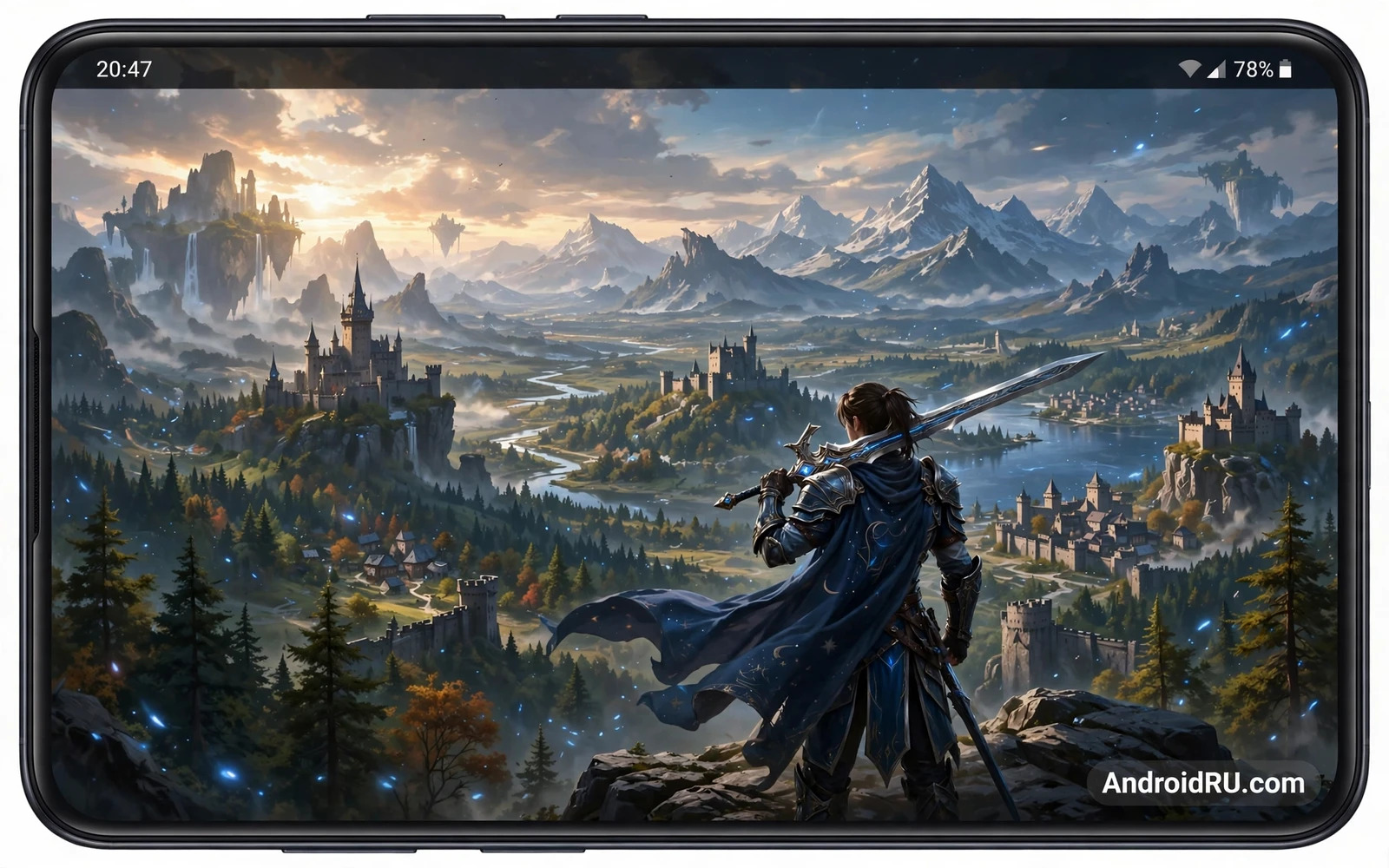
Top Android RPGs with deep storylines and open worlds reward players who love exploration and choice. A role playing game lets you shape a hero through decisions and growth. A deep story gives those decisions weight. An open world gives those decisions space to unfold. Together they create a journey that feels personal. This article explains how to judge story depth and world design. It helps you choose a role playing game that fits your time and your phone.
Story depth starts with characters who change. A memorable companion should have goals and fears and doubts. A strong villain should have reasons that make sense. A good quest should ask more than fetch and return. The best quests force a trade off. Saving one village may cost another village time or resources. Helping one faction may anger another faction. Trade offs make choices feel real. They also make a second playthrough feel different.
Dialogue quality matters more than dialogue quantity. Short honest lines can reveal character faster than long speeches. A companion who jokes during danger feels distinct. A merchant who remembers your past deeds feels alive. Read dialogue slowly during the opening hours. Skipping every line may hide the tone of the game. If the opening dialogue bores you then the later story may not improve. A strong opening usually signals a cared for script.
Open Worlds That Feel Alive
An open world should reward curiosity. A hidden cave should hold a story or a useful item. A remote village should hold people with daily routines. A mountain path should lead somewhere worth the climb. Empty space can create scale and calm. Too much empty space creates boredom. The balance between scale and discovery defines a good world. Walk off the main road early and see what you find. Your findings reveal the design philosophy of the game.
World systems make a map feel alive. Day and night cycles change enemy behavior and shop hours. Weather changes visibility and travel speed. Factions control territory and react to your actions. Wildlife roams and hunts and flees. These systems interact in small ways. A storm may hide your approach to an enemy camp. Night may close a shop that holds a quest item. Systems that interact create stories that no script could plan.
Side quests should expand the world and not only fill it. A good side quest reveals a town history. A good side quest introduces a character who returns later. A good side quest changes how you see the main conflict. A weak side quest repeats the same task with a new name. Count how many side quests feel distinct in the first region. Distinct quests signal careful design. Repeated quests signal padding.
Fast travel shapes how an open world feels. Generous fast travel saves time for busy players. Limited fast travel forces you to learn roads and landmarks. Both designs can work. Generous travel suits players with short sessions. Limited travel suits players who enjoy the journey itself. Check travel rules before you invest many hours. Travel rules that frustrate you early will frustrate you more later.
Character Growth Combat And Choices
Character growth should offer real options. A skill tree with many branches lets you shape a play style. A warrior build should feel different from a mage build. A stealth build should solve quests in a different way. Growth should come from play and not only from purchases. Experience from quests and exploration rewards curiosity. Gear from crafting and discovery rewards patience. A game that sells power directly undermines fair growth.
Combat must stay readable on a phone screen. Buttons should be large enough to tap without error. Enemy attacks should telegraph clearly before they land. Camera control should not fight your thumbs during a fight. Turn based combat suits touch screens very well. It gives you time to plan each move. Real time combat needs smart auto targeting and clear cues. Test combat in a tough fight before you judge it. Easy fights hide control problems.
Choices should echo through the story. A saved village may send help in a later battle. A betrayed ally may refuse help when you need it most. A spared enemy may return as a friend or as a rival. Echoes need not change the whole ending. Small echoes still make choices feel meaningful. Keep a note of major choices if the game offers many branches. A note helps you compare outcomes across playthroughs.
Difficulty should challenge skill and not patience alone. Enemies that demand new tactics feel fair. Enemies that demand only higher numbers feel dull. A fair game lets you retreat and prepare and return stronger. An unfair game traps you in a fight with no escape. Check difficulty options before you start. A story mode can help players who value narrative over combat. A hard mode can challenge veterans who want tactical depth.
Playing Long RPGs On A Phone
Long role playing games need comfortable session design. A good mobile role playing game lets you save often. It lets you pause during dialogue and combat. It respects short sessions with clear quest markers. It lets you resume without rewatching long scenes. Test save behavior in the first hour. A game that loses progress after a phone call is a poor mobile citizen. Your phone is a daily tool first and a game device second.
Battery and heat matter across a hundred hour journey. Long sessions drain battery faster than short bursts. Lower graphics settings can extend a story session without harming dialogue. Close background apps before a long dungeon run. Take breaks to let the phone cool. A cool phone holds frame rate steadier during large battles. Players who plan long sessions can compare visual styles that stay smooth on their own device in top 20 best graphics Android games you need to play. Visual comfort and story comfort grow together during a long campaign.
Storage planning matters for large role playing games. Open worlds need large downloads for maps and voices. Extra story chapters may arrive as data packs. Keep free space for updates and saves. Delete games you finished if storage gets tight. Back up saves when the game allows it. A lost save after a hundred hours hurts more than a lost save after one hour. Treat saves as precious progress.
Offline play adds freedom to a long journey. Many story campaigns work without a constant connection. Offline play lets you continue on a plane or in a rural area. Test offline behavior in airplane mode early. Some games need a connection for purchases or events. Core story progress should work offline in a well designed mobile role playing game. Players who travel often can mix story games with best offline Android games that do not require Wi-Fi for trips where networks disappear. A mixed library keeps both story and variety ready.
Multiplayer Role Playing And Social Play
Some role playing games add multiplayer dungeons and guilds. Cooperative dungeons let friends tackle tough bosses together. Guilds give you a social home and shared goals. Social play should never force you to play at fixed hours. Flexible events respect adult schedules. A guild that demands daily attendance can turn fun into obligation. Choose a guild that matches your available time. Leave a guild that pressures you to spend or to play beyond comfort.
Player versus player modes need balance and fair matchmaking. A new player should not face veterans with vastly stronger gear. Fair brackets group players by level and gear strength. Unfair brackets drive new players away fast. Test player versus player modes only after you learn core combat. Early losses teach tactics when brackets are fair. Early losses teach frustration when brackets are unfair.
Chat and community tools shape social role playing games. A good chat system lets you mute abusive players fast. A good guild system lets you set clear rules. Report tools should be easy to find. Never share personal details in game chat. Never share account passwords with guild mates. A strong community protects new players. A toxic community can spoil even a great story.
How To Choose Your Next RPG
Start with time. A game that needs a hundred hours suits a long term hobby. A game that needs twenty hours suits a focused month. Be honest about weekly play time. A huge game that you never finish can feel like a burden. A shorter game that you finish can feel satisfying. Both lengths have value. Match length to your real schedule.
Start with tone next. Dark fantasy suits players who enjoy grim choices. Bright adventure suits players who enjoy humor and hope. Science fiction suits players who enjoy technology and alien worlds. Historical settings suit players who enjoy grounded politics. Tone affects every quest and dialogue line. A tone mismatch can spoil a well made game. Watch gameplay footage with sound on before you download. Sound reveals tone faster than screenshots.
Start with controls last. Touch controls suit turn based and story heavy games. Controller support suits real time combat and exploration. Test both when the game offers both. A controller can transform a cramped touch layout into smooth play. A good touch layout can feel natural for slow exploration. Choose the control style that keeps your hands comfortable across long sessions.
Large scale worlds on strong hardware raise a different question about scale and performance. Players who want the biggest maps on the strongest phones can compare top open world games for high end Android devices for heat and storage notes before they commit to a huge download. A large world deserves a phone that can render it without constant throttling. A smaller world on a modest phone can still deliver a great story.
Checklist For A Strong RPG Choice
- Play the opening hours and judge dialogue and tone
- Test combat readability and control comfort early
- Check save behavior and offline progress rules
- Confirm growth comes from play and not only purchases
- Check storage size and data pack needs before download
- Test battery and heat during a long session
- Choose a guild and difficulty level that fits your schedule
- Keep a note of major choices for later comparison
Android RPGs with deep storylines reward patience and curiosity. Judge characters and quests and world systems before you commit. Protect saves and storage and battery life across a long journey. Choose tone and length and controls that fit your real life. A role playing game that respects your time will stay with you long after the final quest ends.

