

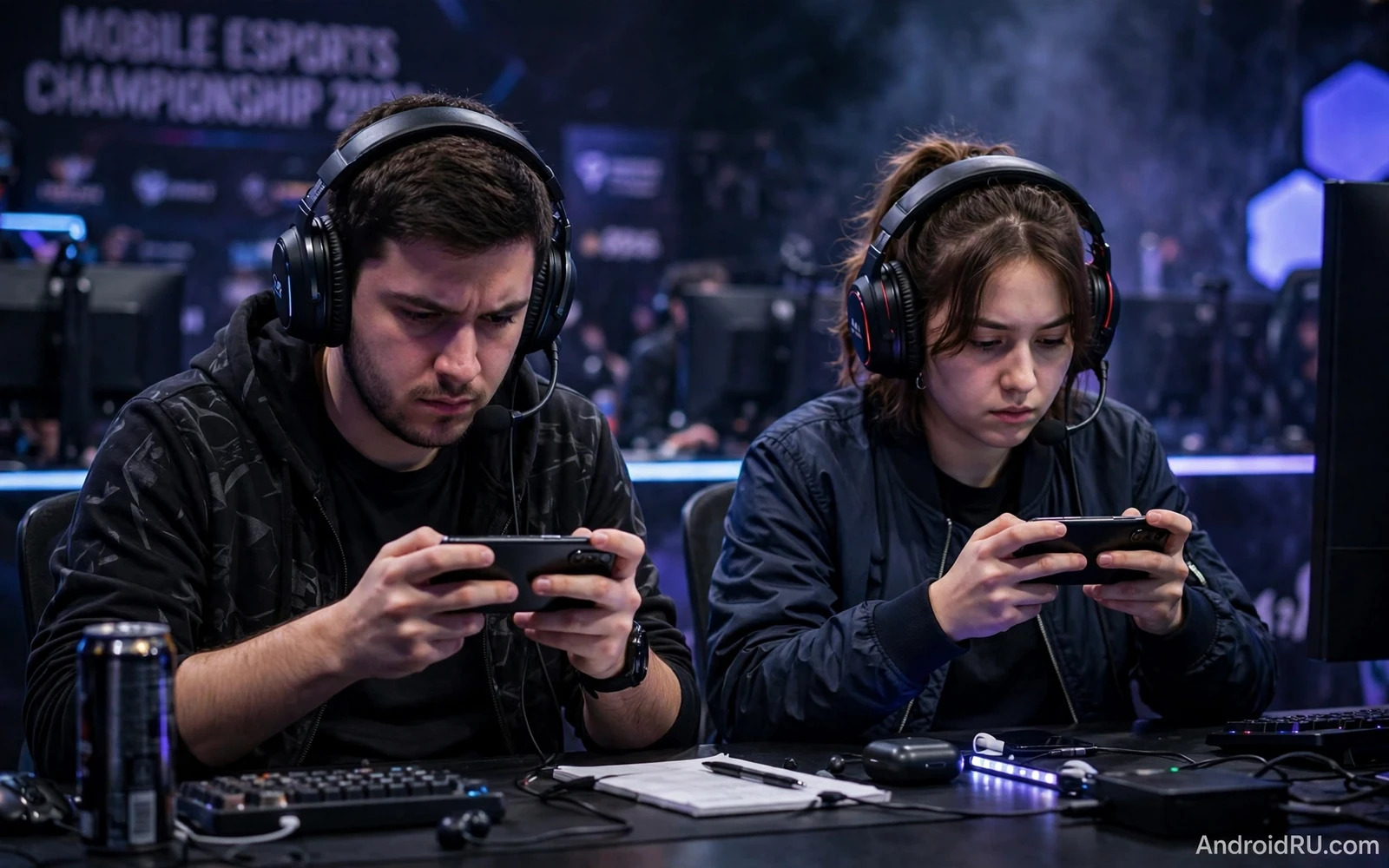
Best Multiplayer Esports Games for Android Competition
I still remember my first ranked night on Android. I queued after dinner, lost two games in a row to teams that moved like one player, and realised my aim was never the problem. My positioning was, and so was my habit of queueing tired, on shaky Wi-Fi, with a squad that never spoke. That night taught me more than a month of casual play.
This guide covers eight multiplayer esports games for Android that are actually worth your time in competition. Each one gets an honest look: what matches feel like, who the ranked ladder suits, what the organised scene looks like, and where the game frustrates even loyal players. You will also find a side-by-side comparison, a plain explanation of ranked modes and team roles, and practical advice on controls, connection and practice.
What Makes a Mobile Game Work as an Esport on Android
A good competitive game on Android starts with fair matchmaking. A fair system groups players by recent skill rather than by account level or by how much they have spent. A new player should learn against peers, and a veteran should face veterans. When a system mixes skill levels widely, matches turn one-sided, and one-sided matches teach nobody anything.
Match length shapes mobile competition more than most players expect. Most competitive matches on Android last somewhere between three and thirty minutes, depending on the genre. Short matches suit commutes and lunch breaks, yet they punish a single mistake more heavily, because there is little time to recover. Longer matches allow comebacks and reward teams that read the enemy and change plans mid-game.
Battle Royale Esports on Android: PUBG Mobile, Call of Duty: Mobile and Free Fire
Battle royale is the loudest corner of mobile esports. Up to a hundred players drop in, the safe zone shrinks, and the last team standing takes the win. The format tests aim, rotation, loot decisions and nerve in equal measure, and the biggest tournaments in this genre fill arenas and stream to millions.
1. PUBG Mobile
PUBG Mobile remains the benchmark for battle royale competition on Android. Matches hold up to 100 players across large maps such as Erangel and Miramar, and the ranked ladder runs from Bronze to Conqueror, with placement matches setting your starting point each season. The game rewards map knowledge, rotation timing and squad coordination more than raw aim alone.
PUBG Mobile ranked tiers and season resets
Each season resets tiers by a set amount and usually brings balance changes, so read the season notes before your first ranked match. The organised scene is the deepest of any mobile shooter, with regional pro leagues, a global championship, replay tools and training grounds for studying your own mistakes. Pros: the deepest tournament path in mobile battle royale, large maps that reward smart rotation, and a huge player base with fast queues. Cons: long matches that do not suit short breaks, heavy demands on storage and battery, and a steep learning curve. Verdict: pick PUBG Mobile if you want the most serious competitive scene on Android and can commit to longer matches with a regular squad.
2. Call of Duty: Mobile
Call of Duty: Mobile packs two competitive games into one app: classic 5v5 multiplayer on small maps, and a 100-player battle royale mode. The multiplayer side is where the ranked ladder shines. Modes such as Search and Destroy, Domination and Hardpoint reward fast aim, map control and quick decisions, and matches usually last five to ten minutes, which fits mobile play far better than a thirty-minute battle royale.
3. Free Fire
Free Fire, from Garena, is the battle royale for players who want competition without the long matches. A full match lasts around ten minutes with 50 players on a smaller map, and the pace is aggressive from the first drop. The ranked ladder runs from Bronze to Heroic, and the character system adds abilities that change how you play: one character heals faster, another moves quicker after a knockdown, and choosing the right combination is part of the strategy.
MOBA Esports on Android: Mobile Legends, Honor of Kings and Wild Rift
Multiplayer online battle arena games, known as MOBAs, are the team chess of mobile esports. Two teams of five fight across lanes, take down towers, secure objectives and push toward the enemy base. Individual skill matters, yet no single player wins alone. Draft picks, lane assignments, jungle timing and team fights decide matches, and a team that communicates beats a team of five skilled strangers most nights.
4. Mobile Legends: Bang Bang
Mobile Legends: Bang Bang, usually called MLBB, is the biggest MOBA esport on Android by player count and tournament reach. Matches last ten to twenty minutes, and the ranked ladder runs from Warrior to Mythical Glory. The hero roster is large, with tanks, fighters, assassins, mages, marksmen and supports, and the draft phase matters: picking heroes that cover each other’s weaknesses wins games before the first minion wave.
5. Honor of Kings
Honor of Kings is the most-played MOBA in the world, and its global version has brought its huge hero roster and polished competitive structure to Android players outside China. Matches run around fifteen minutes, the ranked ladder is deep, and the game is built around team objectives: dragons, buffs and tower pushes that reward coordinated play over solo heroics.
6. League of Legends: Wild Rift
League of Legends: Wild Rift brings the classic PC MOBA to Android in a form built for touch screens. Matches last fifteen to twenty minutes, the ranked ladder runs from Iron to Challenger, and the champion roster covers top, jungle, mid, dragon lane and support. The map mirrors the PC original with lanes, jungle camps, dragons and Baron,
Fast Arena Esports: Clash Royale and Brawl Stars
Not every competitive game needs a twenty-minute match or a five-player squad. Arena games compress competition into short, sharp duels that you can play anywhere, and they have built serious esports scenes of their own. These games reward deck building, timing and reading your opponent rather than aim, so they suit players whose strengths are planning and adaptation. They are also the best entry point into mobile competition for players with little time or a modest phone.
7. Clash Royale
Clash Royale is a real-time strategy duel where you build a deck of eight cards, deploy troops on a small arena, and try to destroy more enemy towers than your opponent in three minutes. The ranked ladder runs through arenas and leagues, and the game has a long-running competitive scene with a world finals event and regular seasonal tournaments.
8. Brawl Stars
Brawl Stars, from Supercell, is a fast 3v3 arena battler with a rotating set of modes: Gem Grab, Showdown, Brawl Ball, Heist and more. Matches last two to four minutes, the ranked ladder runs through tiers with seasonal resets, and the game has a world championship with regional qualifiers.
Best Multiplayer Esports Games for Android Compared in One Table
Choosing between eight strong games is easier when you see them side by side. The table below compares each title on genre, competitive scene, typical match length and who it suits best. Use it as a starting point, then try two or three games in casual play before you commit to a ranked climb.
| Game | Genre | Competitive Scene | Typical Match Length | Best For |
|---|---|---|---|---|
| PUBG Mobile | Battle royale shooter | Global championship and pro leagues | 25 to 35 minutes | Serious squads with time for long matches |
| Call of Duty: Mobile | Shooter and battle royale | Regional championships and ranked series | 5 to 10 minutes | Fast aim-heavy play in short sessions |
| Free Fire | Battle royale shooter | World series and regional leagues | About 10 minutes | Budget phones and quick aggressive matches |
| Mobile Legends: Bang Bang | MOBA | M-series world championship | 10 to 20 minutes | New MOBA players and big team stages |
| Honor of Kings | MOBA | International tournaments and leagues | About 15 minutes | Objective-focused team players |
| League of Legends: Wild Rift | MOBA | Regional leagues and global events | 15 to 20 minutes | Players who want the deepest strategy |
| Clash Royale | Real-time strategy duel | World finals and seasonal tournaments | About 3 minutes | Strategy fans with little time |
| Brawl Stars | 3v3 arena battler | World championship qualifiers | 2 to 4 minutes | Quick team play with friends |
Read the table with your own habits in mind, not with the prize pools in mind. If you commute, the three-minute games win. If you play with a fixed squad in the evening, the longer titles give you more to master.
Ranked Modes, Team Roles and Communication in Mobile Esports
Ranked modes use tiers and points to measure skill, and they work best when you treat them as a long project rather than a nightly test. Bronze tiers welcome new players, Silver tiers reward basic competence, Gold tiers demand consistent tactics, and higher tiers demand mastery and teamwork. Climbing takes time and steady play.
Ranked tiers and placement matches explained for Android players
Most ranked ladders on Android share the same shape: placement matches first, then a tier that moves up with wins and down with losses, with protection points softening the climb in lower tiers. Higher tiers usually remove those cushions, so progress slows and each match matters more.
How season resets change your tier and the meta
A season reset usually drops every player by a few tiers and ships with balance changes that shift which heroes, weapons or decks are strong. Treat the first week of a season as a learning week: play casual modes, read the patch notes, and watch which picks rise in win rate before you grind ranked.
Team roles that win matches in squad-based mobile games
Every squad game in this list uses roles, even when the game never names them. In shooters, one player scouts ahead, one holds angles, one carries the late game and one watches the flank. In MOBAs, the roles are formal: top lane, jungle, mid lane, carry and support. In Brawl Stars, one player controls the middle, one pressures a lane and one supports with healing or crowd control. Learn one role deeply first, since flexibility without depth usually means a team with no one who truly owns any job.
How short callouts and voice chat win team fights
Team communication wins team matches more often than raw aim, and the best callouts are short. Call enemy positions with map names, call cooldowns when a key ability is ready, and call retreat when a fight turns bad. Clear calls help teammates act fast, while vague calls create confusion. Practice a small set of callouts with regular teammates, because a shared vocabulary speeds up every decision. Voice chat helps, yet it needs etiquette: keep your voice calm during losses, praise good plays even in a losing match, and mute players who abuse voice chat.
Controls, Connection and Device Setup for Competitive Android Play
Touch controls demand practice for competitive aim, and aim assist settings vary by game and by mode. Learn what assist level your game uses in ranked play, practise flick shots and tracking in a training mode, and measure improvement by accuracy in training rather than only by wins. Ten focused minutes of training beat an hour of careless ranked play. Screen size and refresh rate affect reaction time too, yet hardware alone cannot replace practice, and a skilled player on a modest phone can beat an unpractised player on a flagship phone.
Controllers change the competitive feel in a major way. Physical sticks give finer movement control, and physical triggers give faster reactions in shooting games. Some ranked modes separate controller players from touch players, and some mix all input types together, so check the input rules before you invest in a controller for ranked play. Players who want physical controls for fast matches can learn how to set up PS5 DualSense controller on your Android phone before they enter ranked queues, then test the pairing and button mapping in casual matches first. A new controller layout should never debut in a ranked match.
Visual settings deserve the same care as controls. Competitive settings often differ from showcase settings: lower effects and higher frame rates usually win ranked matches, while maximum graphics win screenshots. Players who want spectacle in casual play can still enjoy top 20 best graphics Android games you need to play for visual showcase titles, then switch back to performance settings for ranked.
Connection stability and server region for fair ranked matches
Stable connection decides competitive fairness more than any setting. High ping delays your actions relative to the server, packet loss creates teleporting enemies and missed shots, and Wi-Fi interference creates sudden spikes during a match. Play ranked matches on a stable connection only, test ping in casual matches before ranked play, and choose the nearest server region when the game offers a choice. Background downloads harm ranked matches as well: pause cloud backups and app updates, close video streaming apps before you queue, and remember that disconnections can count as losses or trigger temporary bans in many ranked games.
Device settings that help reaction time without new hardware
Before you buy a new phone, tune the one you have. Turn on the highest refresh rate your battery can sustain, set graphics to a smooth or balanced preset, close background apps, and turn on Do Not Disturb so a call never costs you a round.
Tournaments, Practice Routines and the Mental Game
Community tournaments offer a step beyond ranked ladders. Small tournaments teach pressure management, team tournaments teach preparation and strategy, and entry-level events welcome new teams, while professional tournaments demand full-time practice. Start with friendly community events, learn the tournament rules and format before you register, and treat your first event as practice rather than a must-win.
Speed-focused players can also test best Android racing games for speed enthusiasts for time trial competition against recorded rivals. Racing rewards consistency and clean lines, while team play rewards communication and adaptation, and both build competitive discipline.
How to build a weekly practice routine that actually improves your rank
A useful weekly routine is smaller than most players think. Warm up for ten minutes in training mode, play three ranked matches with full focus, then spend ten minutes reviewing one loss. Repeat that three or four times a week, and add one session with your regular team for coordination practice. Progress comes from fixing one repeated mistake at a time, not from playing more hours with the same habits.
Staying steady: tilt, breaks and healthy habits during long seasons
Mental resilience separates steady climbers from tilted players. Losses happen even to strong players, and a losing streak should trigger a break rather than another queue. Set a loss limit per session: stop ranked play after three straight losses and switch to casual or training, because tilted play creates more losses and more frustration. Sit with good posture during long sessions, rest your eyes regularly, drink water during breaks, and remember that sleep matters more than late-night grinding. A rested player reacts faster than a tired grinder.
Frequently Asked Questions About Multiplayer Esports Games for Android
What is the best multiplayer esports game for Android for a complete beginner?
Mobile Legends: Bang Bang is the friendliest starting point for most beginners, because matches are short, roles are clear, and the player base is huge, so queues stay fast and matchmaking finds fair games. Brawl Stars is a strong second choice if you prefer quick team matches with friends and simple controls. Spend your first week in casual modes learning one hero or brawler, then play placement matches when you feel comfortable.
How much time do I need each day to climb in ranked on Android?
Most players climb steadily with forty-five to sixty minutes a day, split into a short warm-up and three focused ranked matches. Shorter games such as Clash Royale and Brawl Stars fit that window easily, while PUBG Mobile and Wild Rift need longer blocks, so pick a game whose match length matches your day. A calm hour beats a tilted three-hour session.
Which competitive Android game works best on a budget phone?
Free Fire and Brawl Stars are the safest picks for budget phones, because both are built to run smoothly on modest hardware and keep matchmaking fast even on older devices. Clash Royale also runs well on almost any Android phone, since its small arena needs little processing power. Before you judge a game on your phone, lower the graphics preset, turn off shadows and extra effects, and close background apps.
Can I play ranked on Android with a controller, and is it fair?
Yes, several games on this list support controllers, including Call of Duty: Mobile and PUBG Mobile, yet the rules differ by title and by mode. Some ranked modes separate controller players from touch players, while others mix input types together, so check the input rules inside your game before you invest in a controller. Test any new controller layout in casual matches first, because muscle memory takes days to build.
How to Pick Your First Competitive Game and Start Today
Start with your own habits, not with the biggest prize pool. If you have ten minutes at a time, pick Clash Royale or Brawl Stars. If you have an hour in the evening and friends to play with, pick Mobile Legends or Call of Duty: Mobile. If you want the deepest challenge and you enjoy studying a game, pick Wild Rift or PUBG Mobile.
Fair ranked matchmaking and a regular team will carry you further than any single tip in this guide, so protect both. Queue on a stable connection, mute toxic players early, and stop after three straight losses. That small routine, repeated across a season, is how casual players become competitors.

