

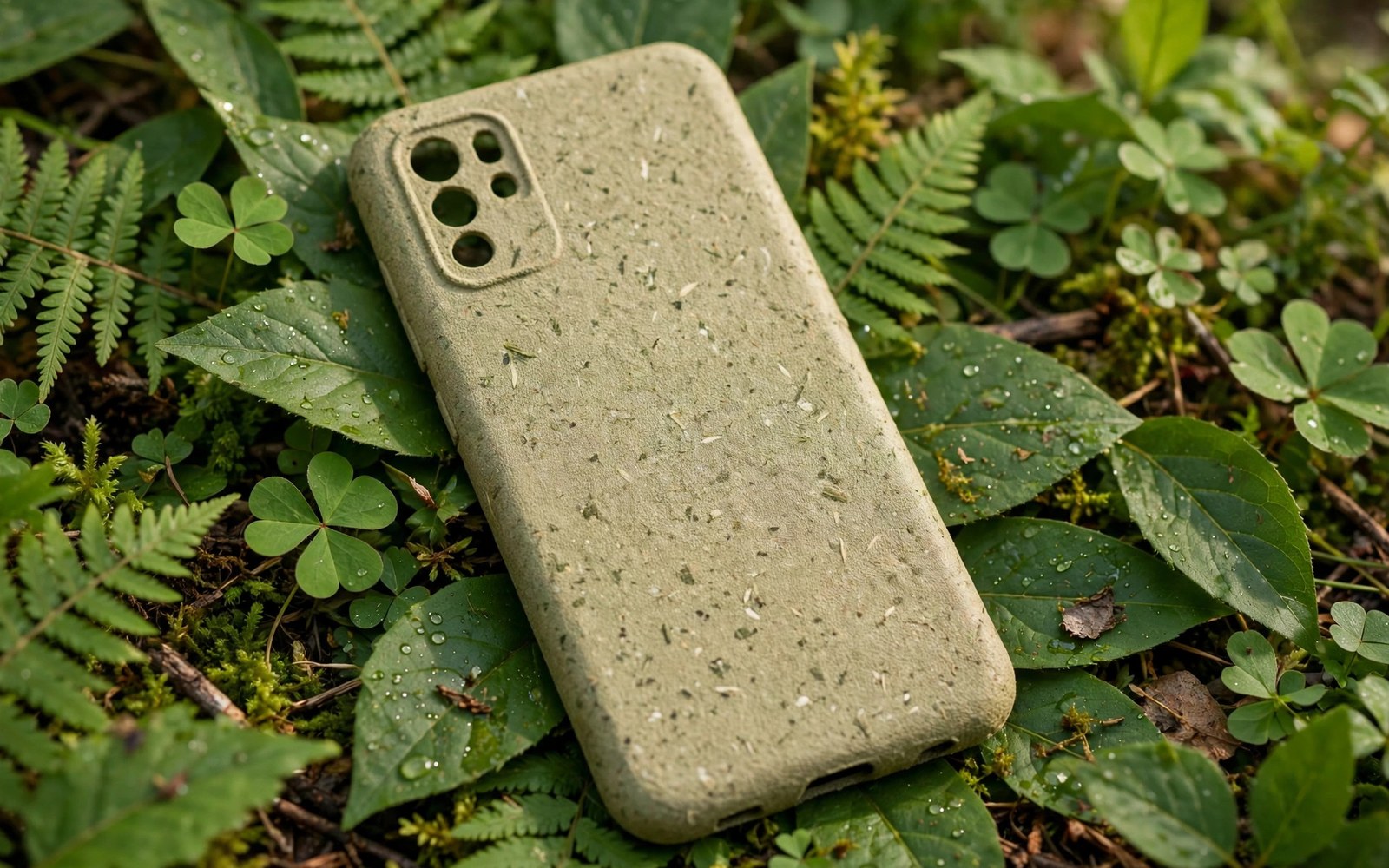
Eco-friendly phone cases promise less plastic waste. They use plant based polymers or recycled materials. They claim to break down after disposal. Buyers ask a fair question about them. Do they protect a phone as well as plastic. Do they last long enough to justify their price.
The answer depends on the material and the maker. Some eco cases protect well for a year or more. Others soften or crack within months. Marketing terms vary widely and they confuse buyers. Biodegradable and compostable mean different things. Recycled plastic is not biodegradable at all. This guide separates claims from facts.
Durability testing matters more than green labels. A case that breaks early creates more waste. It needs replacement and it may fail to guard the phone. A long life eco case beats a short life plastic case. For style material ageing, compare leather and fabric cases on style and wear as a parallel example.
What Eco Cases Are Made From
Plant based cases often use polymers from corn starch or wheat straw. Those polymers blend with other materials for strength. Pure plant polymer can feel soft and flexible. Blended versions feel closer to normal TPU. The blend ratio decides strength and breakdown speed. Makers rarely publish exact ratios.
Recycled cases use post consumer plastic. They keep plastic in use longer. They do not break down in soil. Their benefit is waste reduction rather than biodegradation. Recycled cases often match normal plastic durability. They are the safest eco choice for heavy users.
Some cases mix bamboo fibre or flax fibre into a polymer base. Fibres add stiffness and a natural look. They can also create weak points if mixed poorly. Good fibre cases feel solid and even. Poor fibre cases feel rough and brittle. Touch the material before judging a fibre case.
Drop Protection In Real Use
Good eco cases pass the same daily drop tests as plastic cases. They absorb desk height falls well. They guard corners with thickened edges. They use raised lips for screen safety. A well designed eco case protects a phone for normal life. Design matters more than material origin for drop safety.
Weak eco cases fail at the corners first. Soft plant polymers can tear under a hard corner strike. Thin eco shells crack on concrete. Check corner thickness before buying. Thick corners and a snug fit signal good design. Thin flat corners signal a fashion case rather than a guard.
Heat and sun age plant polymers faster than standard plastic. A dashboard in summer can warp a soft eco case. Cold weather can stiffen some blends. Normal pocket and desk use poses little risk. Extreme heat is the main enemy. Keep eco cases out of hot cars for longer life.
Biodegradable Versus Compostable Claims
Biodegradable means a material breaks down over time. It does not state how long or under what conditions. Some materials need years in soil. Others need industrial heat and microbes. A vague biodegradable claim may mean little in practice. Ask for time frames and test conditions.
Compostable means a material breaks down in composting conditions. Home composting differs from industrial composting. Industrial sites reach high heat that home piles never reach. A case marked industrially compostable will not break down in a garden pile. Read the exact compost claim before buying.
Certification labels help buyers judge claims. Recognised compost marks carry test standards behind them. Uncertified claims rely on maker honesty alone. A certified mark beats a leaf icon on a box. Check the certifier name on the label. A quick search reveals whether that certifier is real.
Daily Durability And Ageing
Most good eco cases last nine to fifteen months of daily use. Edges soften first with pocket wear. Buttons may loosen as material ages. Colour fading follows sun exposure. These changes mirror normal plastic ageing. They arrive slightly sooner for soft plant blends.
Water exposure affects some plant polymers. Repeated rain can soften a weak blend. Sweat during exercise adds moisture daily. Dry the case after wet use. A case that stays damp ages faster. Normal rain poses little risk for quality blends. Swimming with an eco case is unwise.
Cleaning eco cases needs gentle methods. Mild soap and water suit most blends. Harsh solvents can damage plant polymers. Abrasive pads scratch natural finishes. Soft cloth cleaning preserves the look longest. Treat an eco case like a fabric case for cleaning care.
Waste Math And Honest Trade Offs
A case that lasts a year and then composts may beat plastic overall. A case that breaks in three months and needs replacement loses that benefit. Replacement doubles material use and shipping impact. Durability is therefore an eco feature itself. The greenest case is the one you keep longest.
Recycled plastic cases often win the waste math for rough users. They last as long as normal cases. They reuse existing plastic. They do not promise breakdown that may never happen. Honest recycled claims beat vague biodegradable claims. Match the claim type to your disposal reality.
Disposal habits decide the final benefit. An industrially compostable case in landfill breaks down slowly. Landfills lack the heat and air of compost sites. A compostable case needs a compost route to deliver its promise. Check local compost options before paying a premium. Without that route, choose recycled plastic instead.
- Check for recognised compost certification rather than a leaf icon.
- Prefer thick corners and a snug fit for drop safety.
- Keep eco cases out of hot cars and damp storage.
- Clean with mild soap and a soft cloth only.
- Replace once edges soften or buttons loosen.
- Match the claim to a real local disposal route.
Verdict On Durability
Good eco cases are durable enough for normal daily life. They guard desk falls and pocket wear well. They last about a year with care. They suit careful and average users fully. Heavy outdoor users should choose recycled plastic or rugged cases. Extreme settings punish soft plant blends.
Buy from makers that publish material detail and test data. Vague green claims hide weak products. Detailed makers earn trust with specifics. A named polymer and a stated drop test beat a slogan. Owner reviews after months of use add the final check. Real timelines reveal true durability.
Eco cases are a valid choice when bought with open eyes. They protect well and they reduce plastic use. They demand slightly gentler care than rugged plastic. They reward buyers who keep them for a full year. Clear case ageing is a useful contrast in why clear cases turn yellow over time for anyone weighing looks against lifespan.
Maker Transparency And Greenwashing
Greenwashing means vague eco claims without evidence. A leaf icon and the word natural prove nothing. Honest makers publish material percentages. They name the base polymer used. They state compost conditions clearly. They link test certificates for claims. Vague makers hide behind slogans. Their cases may be ordinary plastic with green packaging. Packaging claims are not product claims. Read the case material label rather than the box art.
Third party certification separates honest makers from hype. Recognised marks carry audit trails. Auditors test samples independently. A certified case costs more to produce. That cost signals genuine effort. Uncertified cases may still be good. Their claims simply lack outside proof. Buyers must trust the maker alone in that case. Trust should follow a track record of honest detail. New makers with vague claims deserve doubt until reviews prove them.
Price also signals greenwashing risk. A very cheap eco case rarely uses costly plant polymers. It likely uses standard plastic with a green label. A fair eco price reflects material and certification costs. A premium price alone does not prove honesty. Combine price with material detail and certification. All three together form a trustworthy picture. Any one alone proves little.
Second Hand Cases And Reuse
Reusing a case is greener than buying any new case. A second hand case keeps material in use longer. It avoids new production entirely. Check second hand cases for corner wear before use. Worn corners guard poorly despite a good look. A used case with firm corners serves well. A used case with soft corners should retire. Reuse suits careful buyers who inspect before use.
Cleaning a second hand case matters for hygiene. Wash it with mild soap and water fully. Dry it before fitting to a phone. Check for cracks that hide under dirt. A clean inspection reveals true condition. A dirty case can hide damage that matters. Never fit a second hand case without a full wash and check. That habit protects both phone and owner.
Passing your old case to another user extends its life further. A case that fits a family member phone avoids waste. Clean it before passing it on. Mention any corner wear honestly. An honest handover keeps the next user safe. Pair reuse thinking with heavy-duty cases compared with slim covers when the next user faces rougher use. A reused rugged case beats a new slim case for rough hands.
Take-back schemes let makers recycle old cases. Some makers accept used cases by post. They shred and remould the material. That loop cuts new plastic demand. Check maker websites for take-back options. A maker with a real scheme shows commitment. A maker without one may still be honest. Schemes cost makers money to run. Their presence signals genuine eco effort. Use a scheme when your case retires. It completes the eco story properly.
Durability labels would help buyers compare eco cases. No universal label exists today. Makers state lifespan claims inconsistently. Some claim a year. Others claim two years. Test conditions behind claims vary widely. Owner reviews fill the label gap currently. Long term reviews reveal true lifespan best. Search reviews by age mentions before buying. A case with happy year old reviews earns trust. A case with only day one reviews proves little.
Eco case checklist:
- Material: named polymer or recycled plastic
- Certification: recognised compost mark if claimed
- Corners: thick, snug fit, raised lip
- Care: mild soap, dry after wet use, no hot cars
- Life expectation: 9-15 months for plant blends
- Disposal: compost route available? if not, choose recycled
The steps above follow the approach described in the official developer documentation for device care and accessory testing. The guidance draws on standard material behaviour and waste practice. Green claims vary widely in honesty. Judge each case by material detail and proven durability.

