

Redmi Note 11S 5G Review: Screen Quality, Cameras and Charging
This review looks at the global Redmi Note 11S 5G, a mid-range phone that Xiaomi announced on 29 March 2022 and released on 23 April 2022. The Redmi Note 11S 5G release date April 2022 placed it in the middle of a crowded Redmi Note 11 family, and its pitch was simple: 5G connectivity, a smooth 90Hz screen, a 50MP main camera and a large battery, all at a price near 140 EUR at launch. Buyers should not confuse this phone with the 4G Redmi Note 11S, which uses a Helio G96 chip, a 108MP main camera and an AMOLED screen and was released in February 2022. The two phones share a name and a family look, but they are different devices with different chips, screens and cameras, and this article covers only the 5G model with the Dimensity 810.
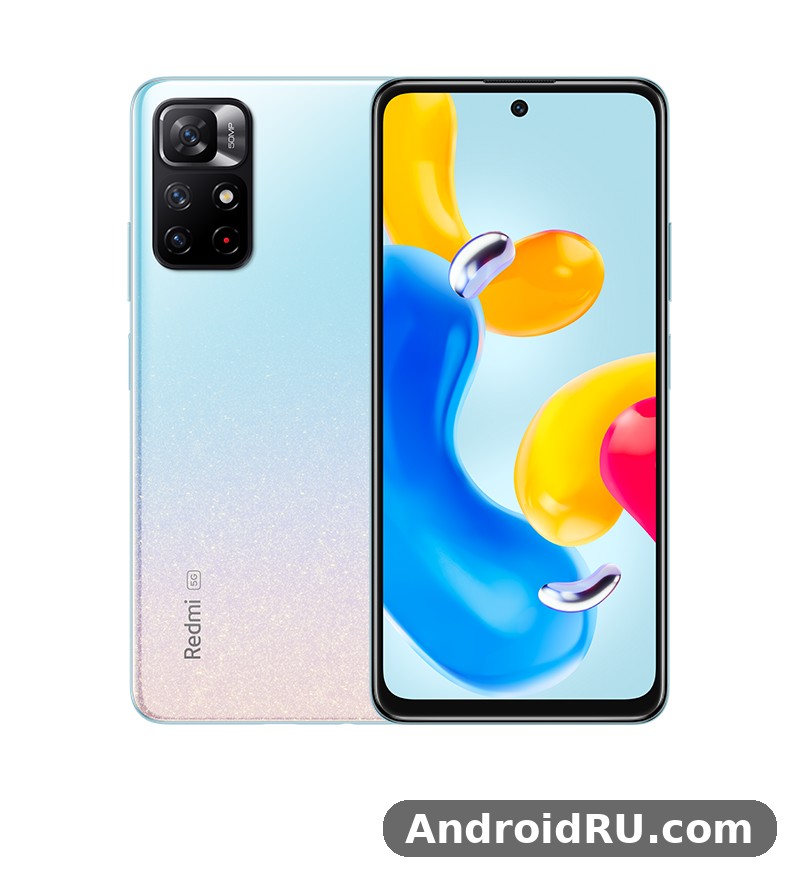
The Redmi Note 11S 5G specs place it firmly in the upper part of the budget class of its year. The Redmi Note 11S 5G performance comes from the MediaTek Dimensity 810, a 6 nm chip with two fast Cortex-A76 cores at 2.4 GHz and six efficient Cortex-A55 cores at 2.0 GHz, paired with 4GB, 6GB or 8GB of RAM. The Redmi Note 11S 5G display is a 6.6-inch IPS LCD with a 90Hz refresh rate and a 1080 x 2400 resolution, while the Redmi Note 11S 5G camera system is led by a 50MP main sensor with an 8MP ultrawide and a 2MP macro beside it. The Redmi Note 11S 5G battery is a 5000mAh unit with 33W wired charging, and the Redmi Note 11S 5G charging setup is rated to fill the battery in about 59 minutes. The Redmi Note 11S 5G specifications and features list is long for the price, and the rest of this review tests each part of it in turn: screen quality, cameras and charging, plus design, speed, software and value.
Design and Build Quality
The Redmi Note 11S 5G design uses a flat plastic frame with a glass front and a plastic back, a practical combination that keeps the price down while still feeling solid in the hand. The front is dominated by the 6.6-inch screen with a small centred hole for the selfie camera, while the back carries a rectangular camera module in the top corner and a clean finish with the Redmi logo near the bottom. The phone looks tidy rather than flashy, and a case is a sensible addition both for grip and to keep the plastic rear panel free of scratches. For a closer look at the nearest sibling in the same family, the Redmi Note 11 Pro 5G Review: Design, Software and Camera Quality covers a phone that shares much of the same design language with a different chip and a larger camera setup.
Size, Weight and Grip
The Redmi Note 11S 5G weight is 195 grams, and the Redmi Note 11S 5G thickness is 8.8mm, with overall dimensions of 163.6 x 75.8 x 8.8 mm. The Redmi Note 11S 5G 195 gram weight thickness 8.8mm combination sits in the normal range for a large phone with a 6.6-inch screen, and the weight is spread evenly enough that the phone does not feel top-heavy. The flat sides give fingers a secure edge to hold, which helps during long reading or video sessions, though one-handed reach across the full width of the screen is a stretch for most hands. The side-mounted fingerprint reader sits in the power button on the right edge, exactly where the thumb rests, and the Redmi Note 11S 5G side fingerprint sensor speed is quick and reliable in daily use, unlocking the phone in a single press far more often than not.
Colours, Protection and Durability
The Redmi Note 11S 5G colours are Midnight Black, Twilight Blue and Star Blue, giving buyers a choice between a quiet dark finish and two lighter blue options. The Redmi Note 11S 5G durability is helped by Corning Gorilla Glass 3 on the front, which guards the screen against everyday scratches, while the plastic back and frame are more forgiving than glass if the phone is dropped. The Redmi Note 11S 5G IP53 splash resistant design guards against dust and vertical water sprays, so rain and splashes are fine, but the rating does not cover submersion, and the phone should never be taken swimming. The dual Nano-SIM tray uses a shared slot, which matters for memory: the Redmi Note 11S 5G microSD card slot support lets the second SIM position hold a microSDXC card instead, so buyers can expand the built-in memory for photos, music and offline video.
Screen Quality
The screen is one of the three headline topics of this review, and it is also the area where the 5G model differs most clearly from its 4G namesake. The Redmi Note 11S 5G display is a 6.6-inch IPS LCD panel with a 90Hz refresh rate, a 1080 x 2400 resolution, a 20:9 ratio and about 399 pixels per inch. It is protected by Gorilla Glass 3 and rated at 450 nits of typical brightness. In this Redmi Note 11S 5G 90Hz display quality review, the panel earns its place: scrolling through feeds, web pages and app drawers looks visibly smoother than on a 60Hz screen, and the step up is easy to feel within minutes of picking the phone up. The Redmi Note 11S 5G 6.6 inch display size gives video and games plenty of room, and the centred hole for the selfie camera is small enough to fade from notice during films.
The 90Hz IPS LCD in Daily Use
The Redmi Note 11S 5G display stays smooth in everyday use because the 90Hz refresh rate applies across the interface, from the home screen to the settings menus and the browser. The IPS LCD panel shows natural colours rather than the saturated look of an AMOLED screen, and text stays sharp thanks to the full HD resolution. Viewing angles are good for an LCD, with only a mild washout when the phone is tilted a long way to the side, and the touch response feels prompt in typing and in games. The panel is bright enough for outdoor use on most days, and the 90Hz mode can be left on all the time without the battery penalty feeling severe, since the 5000mAh cell has capacity to spare. Readers who want the AMOLED alternative in the same family can compare with the Redmi Note 10 Pro Review: Camera Quality, Battery and Value, which covers a phone that traded 5G for a brighter AMOLED screen at a similar price.
Brightness, Colour and Viewing Angles
The Redmi Note 11S 5G screen brightness 450 nits figure is the typical rating, and independent measurements recorded a maximum of about 509 nits with a contrast ratio near 1314:1. Those numbers describe an honest mid-range LCD: fine indoors and usable outdoors, but without the deep blacks or the searing highlights of an AMOLED panel. Colours are accurate rather than vivid, which suits photo viewing and reading, and the white balance stays neutral across brightness levels. There is no HDR badge on this panel, so high dynamic range video plays back in standard range, and that is a fair trade at this price. The screen is at its best with everyday content, social feeds, maps and video, where the size and the smooth refresh rate matter more than peak brightness.
Outdoor Visibility in Bright Sunlight
Outdoors in bright sunlight the screen stays readable, though direct sun on the glass can wash the image out and force the brightness to its maximum. The 450-nit typical rating is enough for checking messages, maps and photos on a sunny day, but long reading sessions in harsh light are less comfortable than on a brighter AMOLED phone. A matte screen protector would make the glare worse, so a clear protector and the auto-brightness setting are the better pairing. This is the clearest screen trade-off on the phone, and buyers who spend most of their time outdoors should weigh it against the smooth 90Hz motion and the large 6.6-inch size.
Performance and Gaming
The Redmi Note 11S 5G performance is built on the MediaTek Dimensity 810, a 6 nm chip that was a sensible pick for a budget 5G phone in 2022. Its octa-core CPU pairs two Cortex-A76 performance cores with six Cortex-A55 efficiency cores, and the Mali-G57 MC2 GPU handles graphics. The Redmi Note 11S 5G Dimensity 810 performance test results back up the paper specification: an AnTuTu score around 360255 and a Geekbench 5.1 multi-core score near 1820 place it comfortably above the budget chips of the year before, and well clear of the Dimensity 700 in the older Redmi Note 10 5G. The Redmi Note 11S 5G software shipped as MIUI 13 on Android 11, and the Redmi Note 11S 5G update path later brought newer MIUI and HyperOS builds to the phone, so the software story did not stop at launch.
Dimensity 810 in Everyday Tasks
In everyday tasks the Dimensity 810 feels quick: apps open without delay, switching between messaging, the browser, maps and the camera is smooth, and the 90Hz screen makes the whole interface feel faster than the raw benchmark numbers suggest. The Redmi Note 11S 5G 8GB RAM multitasking speed is the pick of the range for heavy users, keeping more apps alive in memory, while the 6GB model is the sensible middle choice and the 4GB model is best suited to lighter use. The Redmi Note 11S 5G storage starts at 64GB and rises to 128GB, using UFS 2.2, and the Redmi Note 11S 5G 128GB storage expandable memory option adds a microSDXC card in the shared SIM slot for buyers who carry large photo and music collections. App installs and file copies are brisk for the class, and the phone rarely stutters outside of the heaviest games.
Gaming and Heat
The Redmi Note 11S 5G gaming experience is solid for a budget phone, though it is not a gaming flagship and buyers should set expectations to match. The Redmi Note 11S 5G gaming performance PUBG Mobile sessions run well at smooth graphics settings, with stable frame rates in typical matches and quick loading into games. Less demanding titles run without trouble, while the most demanding 3D games need medium settings and still show occasional frame drops in busy scenes. The Redmi Note 11S 5G heating during long gaming sessions stays under control, with the phone growing warm rather than hot, and the plastic frame sheds heat slowly enough that long sessions do not trigger harsh throttling. For a comparison with a 5G sibling that shares the same chip, the Redmi Note 11T 5G Review: Display Quality, Speed and Daily Use covers a phone built on the same Dimensity 810 platform with a different camera setup.
RAM and Storage Options
The memory range is 64GB with 4GB of RAM, 128GB with 4GB of RAM, 128GB with 6GB of RAM, and 128GB with 8GB of RAM, all using UFS 2.2. The 128GB models are the ones to buy, since 64GB fills up fast once apps, photos and offline video are counted, and the microSDXC slot only partly makes up for a small internal memory because apps themselves prefer internal space. The 8GB model is the best choice for buyers who keep many apps open or play games daily, while the 6GB model covers ordinary use with room to spare. The Redmi Note 11S 5G unboxing in most markets included the 33W charger, a USB cable and a basic case, and the Redmi Note 11S 5G accessories in the box meant buyers could start using the phone at full charging speed without buying anything extra.
Cameras
The Redmi Note 11S 5G camera system is a triple setup on the back: a 50MP main camera with an f/1.8 lens and phase detection autofocus, an 8MP ultrawide camera with a 119-degree field of view, and a 2MP macro camera. The main sensor is the one that matters, and it records video at up to 1080p at 30 or 60 frames per second, with LED flash, HDR and panorama modes on board. The Redmi Note 11S 5G 50MP camera sample quality in daylight is good for the class, with clean detail, natural colours and dependable autofocus, and the phone is at its best in bright outdoor light where the small sensor gets all the light it needs.
50MP Main Camera in Daylight
In daylight the 50MP main camera produces sharp, well-exposed photos with accurate colours and a useful amount of detail for cropping or for large prints. The default photo mode bins pixels down to a smaller output, which keeps noise low and files small, while the full 50MP mode is there for scenes with fine detail such as landscapes and architecture. Autofocus locks on quickly, and HDR handles bright skies against darker foregrounds without making the image look flat. For a comparison with the regular 4G sibling in the same family, the Redmi Note 11 Review: Photo Quality, Video and Performance covers a phone with the same 50MP main camera idea in a non-5G body. The Redmi Note 11S 5G camera is not a low-light specialist, but in good light it is one of the stronger parts of the phone.
Ultrawide, Macro and Night Mode
The Redmi Note 11S 5G 8MP ultrawide camera review verdict is mixed in the usual way for budget ultrawide lenses: the wide field of view is genuinely useful for buildings, interiors and group shots, but detail is softer than the main camera and the edges of the frame lose sharpness. The Redmi Note 11S 5G 2MP macro camera details are modest, since a 2MP sensor captures little fine detail and needs bright light and a steady hand to give usable close-ups. The Redmi Note 11S 5G night mode camera performance lifts low-light shots by combining several frames, brightening shadows and holding highlights, and the Redmi Note 11S 5G night mode is worth switching on for evening street scenes and dim restaurants. Even so, night photos stay softer and noisier than daylight shots, and the lack of optical stabilisation means the phone must be held still for the best results.
Selfies and Video
The Redmi Note 11S 5G selfie camera is a 13MP unit with an f/2.4 lens set into the centred hole in the screen. The Redmi Note 11S 5G 13MP front camera selfie quality is good in daylight, with natural skin tones and enough detail for social media and video calls, while indoor selfies lose some sharpness and gain some noise. The Redmi Note 11S 5G video tops out at 1080p, with the rear camera offering 30 or 60 frames per second and the front camera offering 30 frames per second. The Redmi Note 11S 5G video recording 1080p 30fps mode for the front camera is the right pick for calls and vlogs, and the rear camera at 60 frames per second gives smoother motion for action clips. There is no 4K recording on this phone, and electronic stabilisation is the only help against shake, so a steady grip matters for walking shots.
Battery Life and Charging
The Redmi Note 11S 5G battery is a 5000mAh lithium-polymer unit, and it is one of the most dependable parts of the phone. The Redmi Note 11S 5G battery life full day use easily covers a full day of messaging, browsing, maps, music and photos, and lighter users can stretch it into a second day without hunting for a charger. Independent testing gave the phone an endurance rating near 131 hours, which reflects the efficient 6 nm chip, the LCD panel and the large cell working together. The Redmi Note 11S 5G 5000mAh battery charging speed is capped at 33W wired, and the Redmi Note 11S 5G charging setup fills the battery from empty in about 59 minutes with the supplied adapter.
How Long the Battery Lasts
In real use the battery is a two-day proposition for light users and a comfortable one-day proposition for heavy users. A day of mixed use with 5G on, the screen at 90Hz and a few hours of video or gaming still leaves charge in reserve by bedtime, and the phone sips power overnight on standby. The 90Hz refresh rate costs some energy against a 60Hz setting, but the difference is small enough that most buyers should leave 90Hz on and enjoy the smoother screen. The Redmi Note 11S 5G price and value for money case rests in part on this battery, since a phone that does not need a midday top-up is worth more in daily use than a faster chip that dies by dinner. Readers comparing battery life across the family can check the Redmi Note 10 Review: Gaming, Multitasking and Battery Life, which covers an older sibling with the same 5000mAh capacity and a different chip.
33W Charging From Empty to Full
The Redmi Note 11S 5G 33W charging time full charge takes about 59 minutes from empty, according to the advertised figure, and real-world charges land close to that mark with the supplied 33W adapter and cable. A ten-minute top-up from a low battery adds a useful share of charge, and a half-hour charge from empty passes the halfway mark, so the phone is easy to top up before leaving the house. The charger delivers a full charge in under an hour, which is fast enough that the 5000mAh capacity never feels like a burden. There is no wireless charging on this phone, and the USB-C port is a 2.0 connection with OTG support, so wired charging is the only way to fill the battery. The 33W charging speed is not the fastest in the Redmi Note 11 family, but paired with the large battery it gives a practical balance of capacity and top-up speed.
Software, Sound and Connectivity
The Redmi Note 11S 5G software shipped as MIUI 13 on Android 11, with the familiar Xiaomi look: a custom home screen, a control centre pulled down from the top right, and a large set of bundled apps. The Redmi Note 11S 5G Android 11 MIUI features include a second space for separate profiles, dual apps for running two copies of the same app, a game turbo mode, and deep theme and always-on display options. The interface is busy at first, with notifications and suggestions to trim, but it is also flexible, and most buyers can shape it to their taste within a day. Questions about the Redmi Note 11S 5G software update MIUI 13 support were answered over time as the phone received newer MIUI builds and later HyperOS, though buyers of used phones should check the installed version before paying.
MIUI 13 on Android 11
MIUI 13 on this phone is fast enough in daily use, with smooth animations on the 90Hz screen and a wide range of settings for gestures, the home screen grid, the notification shade and the lock screen. The software includes some pre-installed apps that can be removed, and the settings app repays a short tidy-up session after the first setup. The Redmi Note 11S 5G update record is fair for a budget phone of its year, with security patches and version updates arriving over its supported life, though it will not match the update span of a flagship. For buyers who keep a phone for years, the update path is worth checking at purchase, since the version on the box is not the version the phone will run after its first updates.
Speakers, Fingerprint and Extras
The Redmi Note 11S 5G speakers are stereo units, with the earpiece joining the bottom-firing speaker, and the Redmi Note 11S 5G stereo speakers sound quality is loud and clear enough for video and casual music, with a measured loudness near -26.8 LUFS. The Redmi Note 11S 5G headphone jack 3.5mm audio output is still on board, a welcome extra for wired headphones, and the phone also carries an FM radio and an infrared blaster for controlling a television. The Redmi Note 11S 5G fingerprint reader on the side is fast and sits where the thumb lands, and face unlock is available as a backup. The Redmi Note 11S 5G connectivity covers 5G on sub-6GHz bands, Wi-Fi 802.11ac dual-band, Bluetooth 5.1, GPS, GLONASS and GALILEO, NFC in most markets, and USB Type-C with OTG. The Redmi Note 11S 5G 5G network bands connectivity options include bands 1, 3, 5, 7, 8, 20, 28, 38, 40, 41, 66, 77 and 78 with SA and NSA modes, so the phone works on a wide range of 5G networks.
Pros and Cons
The balance of the Redmi Note 11S 5G is easy to sum up: a strong screen, a capable 5G chip, a large battery with quick charging, and a good main camera, set against an LCD panel, a modest ultrawide and macro setup, and no 4K video. The phone is at its best as a daily device for buyers who want 5G, smooth scrolling and long battery life without paying flagship money. The lists below collect the main strengths and the main trade-offs in one place.
Pros
- Smooth 90Hz 6.6-inch IPS LCD with full HD resolution and Gorilla Glass 3.
- Dimensity 810 chip with 5G, quick everyday speed and fair gaming ability.
- 5000mAh battery that lasts a full day with ease and 33W charging that fills it in about 59 minutes.
- Good 50MP main camera in daylight with dependable autofocus and HDR.
- Stereo speakers, 3.5mm headphone jack, microSDXC slot, IR blaster and side fingerprint reader.
Cons
- IPS LCD instead of AMOLED, with weaker blacks and no HDR support.
- Ultrawide and macro cameras are soft and only useful in good light.
- Video tops out at 1080p with no 4K recording option.
- Plastic back and frame, IP53 splash protection only, and no wireless charging.
- MIUI 13 is busy out of the box and needs a short tidy-up after setup.
Full Specifications
The full specification table below lists the hardware of the global Redmi Note 11S 5G as recorded on GSMArena, model 22031116BG, announced on 29 March 2022 and released on 23 April 2022. The Redmi Note 11S 5G global version model number 22031116BG identifies the global model with the Dimensity 810 chip, the 5000mAh battery and 33W charging, and buyers should check that model number when buying, since the 4G phone with the same name uses different hardware.
| Network | GSM, HSPA, LTE, 5G; 5G bands 1, 3, 5, 7, 8, 20, 28, 38, 40, 41, 66, 77, 78 SA/NSA |
| Launch | Announced 2022, March 29; Released 2022, April 23 |
| Body | 163.6 x 75.8 x 8.8 mm; 195 g; glass front (Gorilla Glass 3), plastic back, plastic frame; IP53; dual Nano-SIM |
| Display | 6.6 inches IPS LCD, 90Hz, 450 nits (typ); 1080 x 2400 pixels, 20:9 ratio, about 399 ppi; Corning Gorilla Glass 3 |
| Platform | Android 11, MIUI 13; MediaTek Dimensity 810 (6 nm); octa-core (2×2.4 GHz Cortex-A76 and 6×2.0 GHz Cortex-A55); Mali-G57 MC2 |
| Memory | microSDXC (uses shared SIM slot); 64GB 4GB RAM, 128GB 4GB RAM, 128GB 6GB RAM, 128GB 8GB RAM; UFS 2.2 |
| Main camera | Triple: 50 MP, f/1.8, 26mm (wide), PDAF; 8 MP, f/2.2, 119 degrees (ultrawide); 2 MP (macro); LED flash, HDR, panorama; video 1080p at 30/60fps |
| Selfie camera | Single: 13 MP, f/2.4, (wide); video 1080p at 30fps |
| Sound | Loudspeaker with stereo speakers; 3.5mm jack |
| Comms | Wi-Fi 802.11 a/b/g/n/ac, dual-band, Wi-Fi Direct; Bluetooth 5.1, A2DP, LE; GPS, GLONASS, GALILEO; NFC (market/region dependent); infrared port; FM radio; USB Type-C 2.0, OTG |
| Features | Fingerprint (side-mounted), accelerometer, gyro, compass; virtual proximity sensing |
| Battery | Li-Po 5000 mAh; 33W wired, 100% in 59 min |
| Misc | Colours: Midnight Black, Twilight Blue, Star Blue; models: 22031116BG; price about 140 EUR |
| Tests | AnTuTu 360255 (v9); Geekbench 1820 (v5.1); GFXBench 13fps; display contrast 1314:1, 509 nits max; loudspeaker -26.8 LUFS; battery endurance rating 131h |
Frequently Asked Questions
Is the Redmi Note 11S 5G good for gaming?
Yes, for a budget phone. The Dimensity 810 runs popular games such as PUBG Mobile well at smooth settings, and the 90Hz screen and stereo speakers help the experience. Demanding 3D games need medium settings, and the phone grows warm rather than hot during long sessions, so it suits casual and regular gamers rather than competitive players chasing maximum frame rates.
Does the Redmi Note 11S 5G have a 90Hz display?
Yes, the phone has a 6.6-inch IPS LCD with a 90Hz refresh rate, a 1080 x 2400 resolution and a typical brightness of 450 nits. The 90Hz mode makes scrolling and animations look smooth, and the panel is protected by Corning Gorilla Glass 3. It is an LCD rather than an AMOLED screen, so blacks are grey rather than pure black and there is no HDR support.
How fast does the Redmi Note 11S 5G charge?
The phone charges at 33W wired and fills its 5000mAh battery in about 59 minutes with the supplied adapter and cable. A ten-minute top-up from a low battery adds a useful share of charge, and a half-hour charge passes the halfway mark. There is no wireless charging, so the USB-C cable is the only way to charge the phone.
Is the Redmi Note 11S 5G waterproof?
No, the phone is rated IP53, which guards against dust and vertical water sprays only. Rain and splashes are fine, but the phone should not be submerged in water, taken swimming, or used in the shower. The IP53 rating is a splash guard rather than a waterproof seal, and water damage is not covered by the rating.
When was the Redmi Note 11S 5G released?
The global Redmi Note 11S 5G was announced on 29 March 2022 and released on 23 April 2022. It should not be confused with the 4G Redmi Note 11S, which was announced on 26 January 2022 and released on 9 February 2022 with a Helio G96 chip and a 108MP main camera. The 5G model covered in this review uses the MediaTek Dimensity 810 chip and a 50MP main camera.
Final Thoughts
The Redmi Note 11S 5G earns its place as a well-balanced budget 5G phone by getting the daily essentials right: a large, smooth 90Hz screen, a capable Dimensity 810 chip, a 5000mAh battery that lasts a full day, and 33W charging that fills it in under an hour. The 50MP main camera is good in daylight, the stereo speakers and headphone jack are welcome extras, and the microSDXC slot and side fingerprint reader cover the practical details. The trade-offs are honest ones for the price: an LCD instead of AMOLED, secondary cameras that only shine in good light, video capped at 1080p, and a plastic body with splash-only protection. For buyers who want 5G, smooth scrolling and long battery life without paying flagship money, this phone remains solid value for the price, and it is best bought in the 128GB model with 6GB or 8GB of RAM, where the memory and the multitasking headroom match the rest of the hardware.

