

OPPO Reno8 5G Review: Photo Quality, Video and Performance
This OPPO Reno8 review looks at a phone that arrived in the middle of 2022 with a clear pitch: a strong main camera, fast charging and a slim body at a mid-range price. The OPPO Reno8 5G was announced on 18 July 2022 and went on sale on 25 July 2022, and it remains an interesting option on the used market for buyers who care about photography more than raw gaming power. This OPPO Reno8 5G full specifications and features rundown, together with the camera, video and performance sections below, should answer the questions most buyers still ask about it.
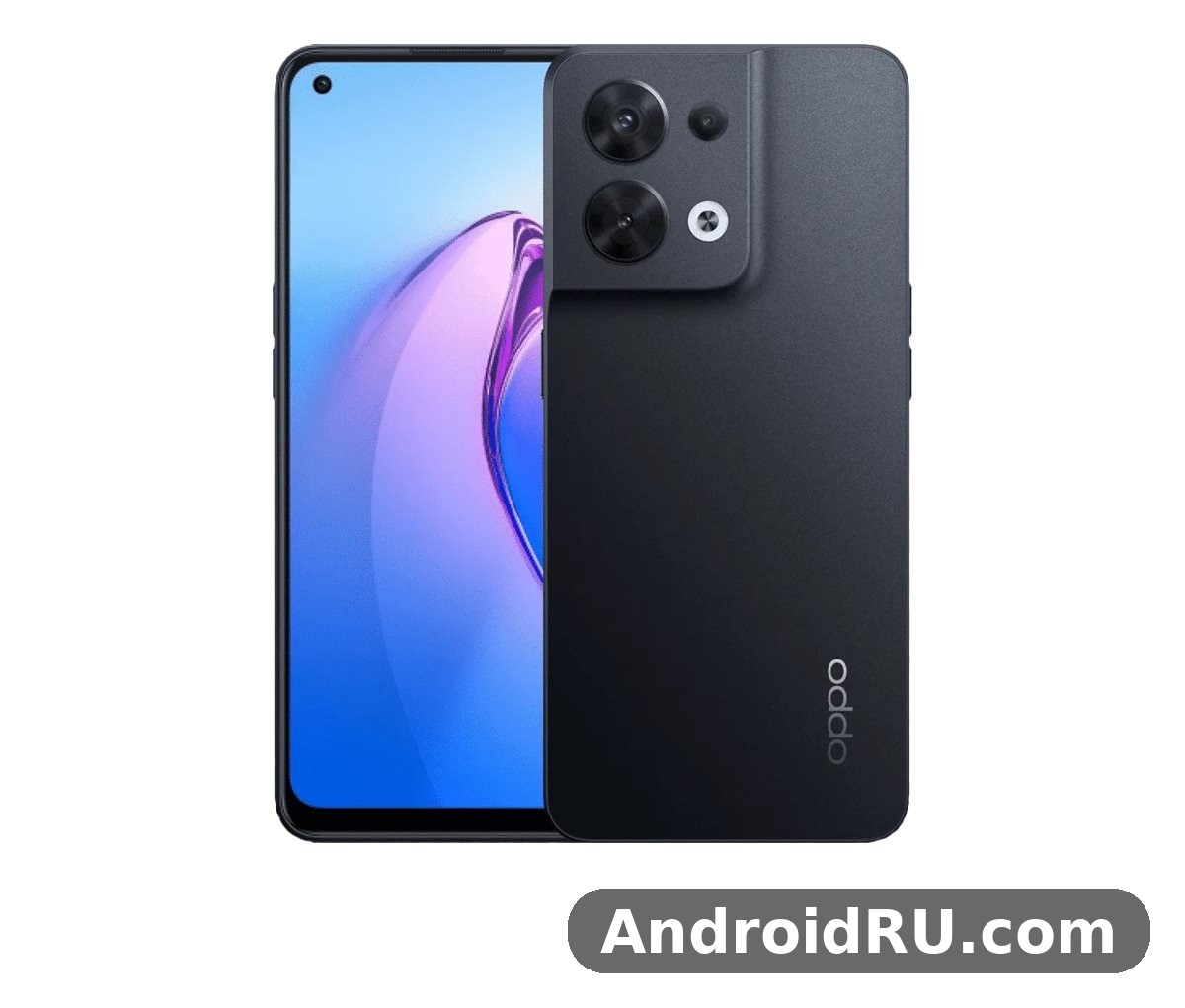
The Reno8 5G review that follows is based on the published specifications and the test data recorded for this model, including its benchmark scores and its measured display brightness. There is no claim here of a fresh hands-on test; instead, every figure comes from the official specification sheet and from independent lab measurements of the same model, CPH2359. The OPPO Reno8 5G release date and launch price set the context: it launched at around 499 euros in Europe and close to 29,999 rupees in India, which placed it against strong rivals from Samsung, Xiaomi and OnePlus.
Before the detail, a short summary helps. The OPPO Reno8 5G price in India and Europe has fallen a long way since launch, so the phone now competes with newer budget models rather than with the flagships of its own year. The OPPO Reno8 price on the used market today is far below that launch figure. Its 50MP main camera with the Sony IMX766 sensor, its MariSilicon X imaging chip and its 80W charging are still its best cards, while the absence of a microSD slot and the lack of a telephoto lens are the clearest limits. The OPPO Reno8 5G 8GB RAM 256GB storage variant is the version most buyers will meet, and it is the version this article treats as the reference configuration.
Design and Build Quality
The OPPO Reno8 design is slim, light and easy to hold for long stretches. At 160.6 x 73.4 x 7.7 mm and 179 grams, it is noticeably lighter than many phones with a similar screen size, and the flat sides with gently curved edges make it comfortable in one hand. The OPPO Reno8 weight of 179 grams is a genuine advantage during long photo walks or video calls, because the phone never feels like a brick in a jacket pocket.
Slim Profile and In-Hand Feel
The front is protected by Corning Gorilla Glass 5, while the back and frame use plastic, which keeps the weight down but makes the phone feel less premium than a glass-and-metal rival. The OPPO Reno8 5G screen to body ratio and slim design give the front a modern look, with a small punch-hole camera in the top-left corner and thin bezels on three sides. A fingerprint sensor sits under the display, and the OPPO Reno8 fingerprint reader is optical, fast enough for daily unlocking and positioned where a thumb naturally rests. An OPPO Reno8 5G under display fingerprint sensor speed test shows unlocks that are quick enough for daily use, with only occasional retries when fingers are wet.
Colours and Materials
OPPO sold the phone in two finishes, and the OPPO Reno8 5G Shimmer Gold and Shimmer Black colors both use a glittering texture that catches the light without looking gaudy. Shimmer Gold is the more eye-catching of the pair, while Shimmer Black is the safer choice for buyers who want a phone that blends in. The OPPO Reno8 colors do not include a plain matte option, so buyers who dislike sparkle will need a case. Dual Nano-SIM trays are supported, and the OPPO Reno8 5G dual SIM 5G bands and network support cover the common European and Asian 5G bands, including n1, n3, n7, n28, n41, n77 and n78.
Display Quality
The OPPO Reno8 display is a 6.4-inch AMOLED panel with a resolution of 1080 x 2400 pixels, a 20:9 aspect ratio and a pixel density of about 411 ppi. Text looks sharp, colours are vivid without being oversaturated in the standard mode, and the 90Hz refresh rate makes scrolling and animations look smoother than on a 60Hz panel. The OPPO Reno8 5G AMOLED display brightness and quality were measured at up to 800 nits peak, with 600 nits in high-brightness mode and 430 nits typical, so outdoor use in sunlight is workable even if it is not class-leading.
Brightness and Smooth Scrolling
The Reno8 5G display handles video well, with deep blacks and good contrast that suit films and photo viewing. The 90Hz refresh rate is a sensible middle ground: it is smoother than 60Hz, and it costs less battery than a 120Hz panel. Gorilla Glass 5 protects the screen, and the OPPO Reno8 5G Gorilla Glass 5 screen protection durability is adequate for daily use, though a screen protector is still a good idea. The measured maximum brightness in lab tests reached 633 nits, which matches the claim that the panel is bright enough for most outdoor conditions.
Photo Quality and Camera System
The OPPO Reno8 camera system is the heart of this phone. The main camera uses a 50MP Sony IMX766 sensor with an f/1.8 aperture, multi-directional phase-detection autofocus and optical image stabilisation support through the imaging pipeline, and it is paired with the MariSilicon X chip that OPPO built for image processing. The OPPO Reno8 5G MariSilicon X imaging chip features include faster night-mode processing and better noise reduction, and they explain why this phone punches above its price in low light.
The OPPO Reno8 5G camera quality in low light is the strongest part of the package. Daylight shots are detailed, with natural colours and good dynamic range, and night shots keep detail in shadows without turning the sky into a grey wash. The OPPO Reno8 5G 50MP camera photo quality review verdict is simple: this is a camera-first phone, and the main sensor is the reason to choose it over rivals with larger megapixel counts but smaller sensors. The OPPO Reno8 5G night mode photo quality in detail shows clean edges, restrained sharpening and usable results even in street lighting.
Main Camera and MariSilicon X
The main camera records sharp 12.5MP binned photos by default, and the full 50MP mode is there for scenes with plenty of light where extra detail is worth the larger file. Autofocus is quick and reliable, and the camera app offers a 2x digital zoom that holds up well in daylight. The OPPO Reno8 5G ultra wide camera sample quality review is more mixed: the 8MP ultrawide lens with a 112-degree field of view is useful for landscapes and tight interiors, but it shows softer corners and less detail than the main camera, which is normal for an 8MP ultrawide at this price.
Night Mode and Low-Light Detail
Night mode on the main camera takes a few seconds and produces brighter, cleaner images than the standard mode, with less noise in dark areas. The MariSilicon X chip helps here by processing the raw data faster and keeping colours natural rather than pushing them toward orange. Street scenes, restaurant interiors and evening portraits all benefit, and the phone rarely needs a second attempt to get a usable shot.
Ultrawide and Macro Cameras
The third camera is a 2MP macro lens, and the OPPO Reno8 5G macro camera close up photo quality is modest: it works best in bright light at very short distances, but the low resolution limits how much detail it can capture. Most buyers will use the main camera with a small crop instead, which usually gives a better result. The ultrawide camera is the more useful of the two secondary lenses, especially for travel photos where the wider view matters more than pixel-level detail.
Selfie Camera and Portraits
The front camera is a 32MP sensor with an f/2.4 aperture, and the OPPO Reno8 5G 32MP selfie camera portrait quality is strong for video calls and social photos. Selfies are detailed in good light, skin tones look natural, and the portrait mode separates the subject from the background cleanly in most conditions. The OPPO Reno8 selfie camera also supports HDR and panorama modes, and it records video at up to 1080p at 30 frames per second with electronic stabilisation.
Video Recording
The OPPO Reno8 video recording tops out at 4K at 30 frames per second from the main camera, with 1080p available at 30, 60 and 120 frames per second. Gyro-based electronic stabilisation keeps handheld footage steady, and the OPPO Reno8 5G 4K video recording quality test results show clean detail, good colours and reliable autofocus during recording. The phone suits casual video, travel clips and social content, even if it lacks the 4K 60fps mode found on some rivals.
4K Video and Stabilisation
Video stabilisation works well at 1080p, where the electronic stabilisation has room to crop and smooth the frame, and it remains usable at 4K. Audio from the built-in microphones is clear enough for vlogs, and the phone switches between lenses smoothly during recording. The OPPO Reno8 5G vs OPPO Reno8 Pro 5G comparison is worth a look for buyers who want more video features, because the Pro model adds a larger sensor setup and a bigger screen, as explained in OPPO Reno8 Pro 5G (Global) Review: Daily Performance and Key Features.
Performance and Gaming
The OPPO Reno8 performance comes from the MediaTek Dimensity 1300, a 6nm chipset with an octa-core CPU built from one 3.0 GHz Cortex-A78 core, three 2.6 GHz Cortex-A78 cores and four 2.0 GHz Cortex-A55 cores, plus a Mali-G77 MC9 GPU. The OPPO Reno8 5G Dimensity 1300 gaming performance test results place it in the upper mid-range: it handles popular games at medium to high settings, and everyday apps open quickly with no waiting. The Reno8 5G performance in daily use is smooth, with 8GB of RAM keeping several apps in memory and UFS 3.1 storage making installs and file transfers fast.
The OPPO Reno8 5G AnTuTu benchmark score and Geekbench results back up that impression, with AnTuTu 9 scoring around 619,610 and Geekbench 5.1 recording about 2,694 points in the multi-core test. Those numbers are well above budget phones of the same year and close to older flagships, which is why the phone still feels quick in 2026 for browsing, messaging, photography and streaming. The Dimensity 1300 chipset is the core of that speed, and it pairs well with the 90Hz display for a responsive feel.
Dimensity 1300 in Daily Use
Multitasking is comfortable, and the phone rarely stutters when switching between the camera, maps and a browser. The OPPO Reno8 software experience is covered in the next section of the specifications discussion, but the short version is that ColorOS is well optimised for this hardware. The Reno8 5G gaming experience is solid for casual and mid-level titles, with stable frame rates in games that do not demand the highest graphics settings.
Gaming and Thermal Behaviour
Long gaming sessions warm the phone, but the slim body spreads the heat well and the phone does not throttle aggressively in short bursts. The OPPO Reno8 gaming frame rates stay stable in popular titles at balanced settings, and the 90Hz display helps fast-paced games feel responsive. Buyers who play demanding games for hours each day may prefer a phone with a larger vapour chamber, but for most players this phone is fast enough.
Battery Life and 80W Charging
The OPPO Reno8 battery is a 4,500 mAh Li-Po cell, and the OPPO Reno8 5G battery life and charging speed are two of the phone’s best features. The OPPO Reno8 5G battery endurance rating and daily use figures include an endurance rating of about 105 hours in lab testing, which translates to a full day of heavy use or two days of lighter use for most owners. The Reno8 5G battery easily lasts a working day with photography, navigation and streaming mixed in.
Charging is where the phone really stands out. The OPPO Reno8 5G 80W fast charging time test shows 50 percent in about 11 minutes and a full charge in about 28 minutes with the supplied 80W SuperVOOC charger, which is far quicker than most rivals at this price. The Reno8 5G charging speed means a short top-up before leaving home is enough for hours of use, and the phone also supports reverse wired charging for accessories. The OPPO Reno8 charging experience is defined by that 80W brick, which makes overnight charging unnecessary for most owners. The OPPO Reno8 5G reverse wired charging support explained simply: the phone can share a small amount of power with accessories over a cable, but it is a backup feature rather than a daily tool. The 80W SuperVOOC charging is a practical advantage that owners notice every single day.
Daily Battery Endurance
Battery drain overnight is modest, and the phone’s power management keeps background apps in check without killing notifications. The OPPO Reno8 5G battery drain overnight test results reported by owners are generally good, with only a few percent lost over eight hours on standby. The combination of a power-efficient 6nm chip, a 90Hz panel rather than 120Hz, and a 4,500 mAh cell is well balanced for a phone of this size and weight.
Full Specifications
The table below lists the complete specification of the global model CPH2359, as published for the OPPO Reno8 5G. The Reno8 5G specs in this table, the OPPO Reno8 specs in full, cover the network, body, display, platform, memory, cameras, battery and connectivity, and they match the figures used throughout this article. The OPPO Reno8 5G full specifications and features are the reference for every claim in the review sections above.
Key Hardware at a Glance
| Feature | OPPO Reno8 5G (CPH2359) |
|---|---|
| Announced | 18 July 2022 |
| Released | 25 July 2022 |
| Dimensions | 160.6 x 73.4 x 7.7 mm |
| Weight | 179 g |
| Build | Glass front (Gorilla Glass 5), plastic back, plastic frame |
| SIM | Dual Nano-SIM |
| Display | 6.4-inch AMOLED, 90Hz, 1080 x 2400 pixels, 411 ppi, 800 nits peak |
| Protection | Corning Gorilla Glass 5 |
| OS | Android 12, ColorOS 12.1, upgradable to Android 14, ColorOS 14 |
| Chipset | MediaTek Dimensity 1300 (6 nm) |
| CPU | Octa-core (1×3.0 GHz Cortex-A78, 3×2.6 GHz Cortex-A78, 4×2.0 GHz Cortex-A55) |
| GPU | Mali-G77 MC9 |
| RAM | 8 GB (also 12 GB in some regions) |
| Storage | 128 GB or 256 GB, UFS 3.1, no microSD card slot |
| Main camera | 50 MP, f/1.8, 23 mm wide, Sony IMX766, PDAF; 8 MP ultrawide, 112 degrees; 2 MP macro |
| Main video | 4K at 30fps, 1080p at 30/60/120fps, gyro-EIS |
| Selfie camera | 32 MP, f/2.4, 23 mm wide |
| Selfie video | 1080p at 30fps, gyro-EIS |
| Battery | Li-Po 4,500 mAh, 80W wired charging, 50 percent in 11 minutes, 100 percent in 28 minutes, reverse wired charging |
| Connectivity | Wi-Fi 802.11 a/b/g/n/ac/6, Bluetooth 5.3, NFC, GPS, USB Type-C 2.0, OTG |
| Sensors | Under-display optical fingerprint, accelerometer, gyro, proximity, compass |
| Colours | Shimmer Gold, Shimmer Black |
| Models | CPH2359 |
The OPPO Reno8 storage options deserve a note: there is no microSD card slot, so buyers should choose the 256GB version if they shoot a lot of 4K video or keep large games installed. The OPPO Reno8 5G no microSD card slot storage limits are the main reason to pick the larger variant, and the price gap between 128GB and 256GB was small at launch. The OPPO Reno8 5G WiFi 6 Bluetooth 5.3 connectivity features also include NFC for payments, dual-band Wi-Fi and USB OTG support, while the 3.5mm headphone jack is absent and the loudspeaker is a single unit.
The OPPO Reno8 software story is a positive one. The phone launched with Android 12 and ColorOS 12.1, and the OPPO Reno8 5G Android 14 ColorOS update details confirm an upgrade path to Android 14 with ColorOS 14, which keeps the phone usable and secure well beyond its launch year. The OPPO Reno8 5G ColorOS 12.1 features and software experience include a clean interface, useful camera modes, flexible always-on display options and good privacy controls. The Reno8 5G software updates arrived steadily, and the ColorOS skin is lighter and closer to stock Android than older OPPO software.
Sound is adequate rather than outstanding. The OPPO Reno8 5G loudspeaker sound quality and volume test measured an average loudness of minus 28.7 LUFS, which is acceptable for calls and casual video but not a match for stereo-speaker rivals. The OPPO Reno8 speakers are a single loudspeaker, so buyers who watch a lot of video without earphones should keep that in mind. The Reno8 5G design, the slim body and the light weight remain selling points even now, and the phone still looks modern next to newer mid-range models.
Pros and Cons
The balance of strengths and weaknesses is clear once the camera, battery and performance are weighed together. The 50MP Sony IMX766 main camera leads the list of strengths, followed closely by the fast charging and the slim, light body. The list below keeps the verdict honest: this is a camera-first mid-range phone, not an all-rounder that wins every category.
What Works Well
The main camera with the IMX766 sensor and MariSilicon X processing takes excellent daylight and night photos. The 80W charging fills the battery in under half an hour, the 90Hz AMOLED display is bright and smooth, the Dimensity 1300 handles daily use and gaming well, and the 179-gram body is comfortable to carry. The upgrade path to Android 14 keeps the software fresh, and the under-display fingerprint sensor works quickly.
What Could Be Better
The 2MP macro camera adds little, the 8MP ultrawide is soft at the edges, there is no microSD card slot, there is no 3.5mm headphone jack, and the single loudspeaker is only average. The plastic back feels less premium than glass, and the phone has no official water resistance rating. Buyers who want a telephoto lens or stereo speakers should look at the Pro model or at a rival, and the OPPO Reno8 T 5G Review: Cameras, Performance and Battery Life is a useful comparison for anyone weighing another Reno model with a different camera setup.
Frequently Asked Questions
These questions cover the points buyers ask most often about the Reno8 5G, from its current value to its charging speed and its storage limits. Each answer uses the published specifications for the global model CPH2359.
Is the OPPO Reno8 5G still worth buying in 2026?
Yes, at the right used price it is still worth buying for buyers who prioritise camera quality and fast charging over the newest chipset. The main camera, the 80W charging and the Android 14 upgrade path hold up well, though buyers should check the battery health of any used unit. The Reno8 5G price on the used market is now far below its launch price, which makes it a good value camera phone. Readers comparing the wider Reno family may also want to read OPPO Reno10 5G (Global) Review: Design, Software and Camera Quality before deciding between generations.
Does the OPPO Reno8 5G support 5G in Europe and Asia?
Yes, the global model supports a wide range of 5G bands, including n1, n3, n5, n7, n8, n20, n28, n38, n40, n41, n77 and n78, with both standalone and non-standalone modes. That coverage suits most European and Asian networks, though buyers should still confirm the exact bands of their carrier. The phone also supports dual Nano-SIM cards, Wi-Fi 6 and Bluetooth 5.3.
How fast is the 80W charging on the OPPO Reno8 5G?
The 80W SuperVOOC charger fills the 4,500 mAh battery to 50 percent in about 11 minutes and to 100 percent in about 28 minutes. That speed is one of the phone’s biggest practical advantages, and it works with the charger supplied in the box. Reverse wired charging is also supported for topping up accessories.
Can the OPPO Reno8 5G record 4K video?
Yes, the main camera records 4K video at 30 frames per second, and it also records 1080p at 30, 60 and 120 frames per second with gyro-based electronic stabilisation. The selfie camera is limited to 1080p at 30 frames per second. For a newer take on Reno video quality, see OPPO Reno10 Pro 5G (Global) Review: Build Quality, Software and Daily Speed.
Does the OPPO Reno8 5G have a microSD card slot?
No, the phone has no microSD card slot, so the built-in 128GB or 256GB of UFS 3.1 storage is all there is. Buyers who shoot a lot of video or install many games should choose the 256GB version. The older generation is covered in OPPO Reno7 Pro 5G Review: Design, Software and Camera Quality, which shows how the Reno line changed from one year to the next.
The final verdict is that the OPPO Reno8 5G is a camera-first mid-range phone that still makes sense at a used price. Its main camera, fast charging, slim body and Android 14 upgrade path are genuine strengths, while the weak macro lens, the average speaker and the missing microSD slot are the trade-offs. For buyers who take a lot of photos and want a phone that charges in minutes rather than hours, it remains a solid choice.

