

OPPO Find N Review: Portability, Performance and Battery
An OPPO Find N review portability performance and battery guide starts with a simple idea: a foldable phone should feel small when closed and useful when open. The OPPO Find N foldable phone first generation review shows how OPPO tried to solve that problem with a compact book-style foldable that fits in a pocket, opens into a 7.1-inch tablet-like screen, and still carries flagship parts from its time. This is not a later, slimmer foldable. It is the first step, and that context matters for every part of this review, from the hinge to the battery.
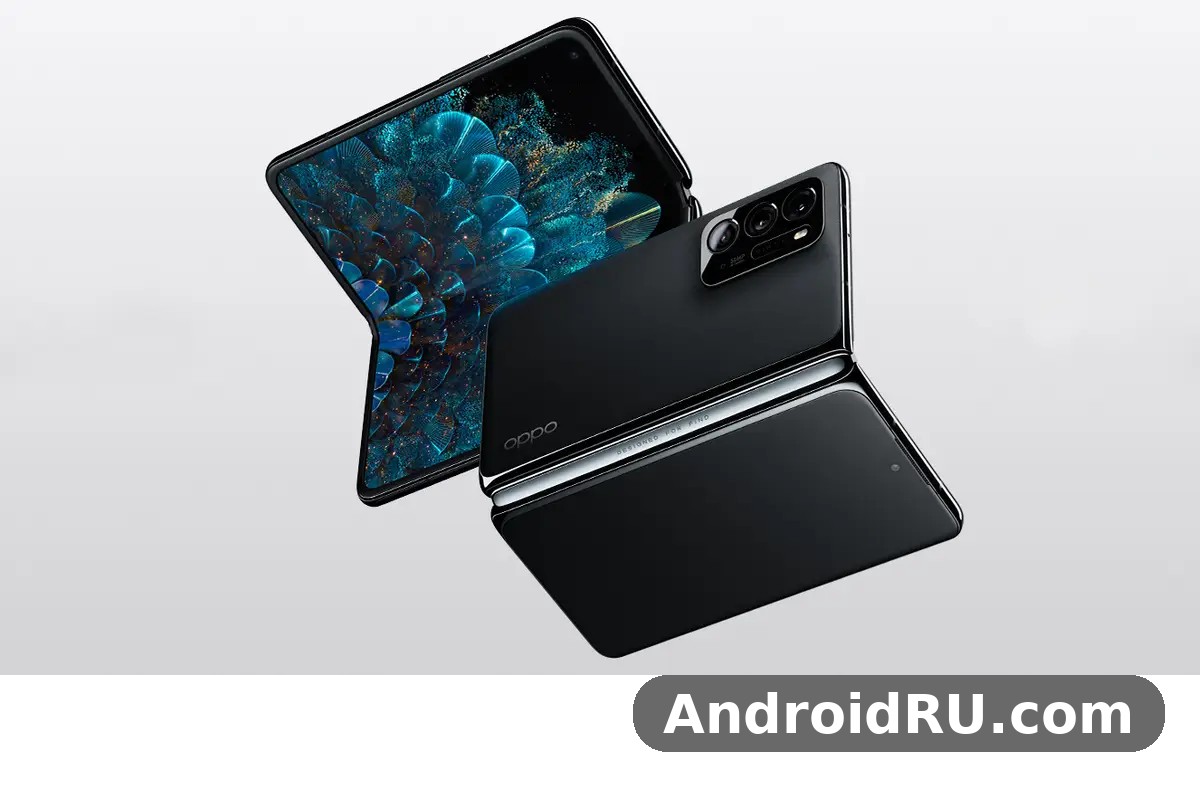
OPPO Find N first foldable phone from OPPO history arrived as a China-only device, and that limited launch shaped its story. OPPO Find N December 2021 release date in China followed an announcement on 15 December 2021, with sales starting on 17 December 2021. OPPO Find N release therefore came at the end of 2021, when foldables were still expensive, heavy, and rare. OPPO Find N availability stayed limited to China, so buyers in other markets could only read about it, import it, or wait for later models. That China-only start also explains why the software, network bands, and services were tuned for its home market first.
For readers who want a quick summary, the OPPO Find N review below looks at portability, the two screens, Snapdragon 888 speed, cameras, and battery life in turn. It also compares the first model with its successors, lists the full specifications, and answers common questions. The aim is a clear picture based on specifications and known reviews, without pretending to hands-on testing that did not happen here.
Design and Portability: A First Foldable Built for the Pocket
OPPO Find N design stands out because it is short and wide when folded, rather than tall and narrow like many later foldables. OPPO Find N weight is 275g, which is heavy for a normal phone but reasonable for a device that opens into a small tablet. OPPO Find N weight 275g portability in pocket is a real talking point: the phone feels dense and solid, and the short folded shape sits more easily in a jacket pocket or a small bag than a tall slab phone of the same weight. OPPO Find N dimensions help explain that feel. Folded, it measures about 132.6 x 73 x 15.9 mm. Unfolded, it measures about 132.6 x 140.2 x 8.0 mm. The folded width makes the cover screen easy to reach with one thumb, while the unfolded shape is close to a small landscape tablet.
The build uses glass on the front and back, an aluminium frame, and a hinge that closes with almost no gap. OPPO Find N durability depends a lot on that hinge and on careful handling of the inner screen, as with any early foldable. There is no water resistance rating, so rain, dust, and drops need more care than on a sealed slab phone. OPPO Find N no water resistance rating explained in plain terms means the phone was not certified against water immersion, and owners should keep it away from pools, sinks, and heavy rain. That is one of the clearest signs that this was a first-generation product.
Flexion Hinge and Build Quality
OPPO Find N Flexion hinge design and durability was a headline feature at launch. OPPO Find N hinge uses a Flexion design that lets the two halves close with almost no visible gap, which helps keep dust away from the inner screen and makes the folded phone look tidy. The same hinge lets the phone stay open at several angles, which is useful for video calls, watching video, and taking photos without a tripod. OPPO Find N open at different angles Flexion hinge is therefore more than a party trick: it changes how the phone can sit on a table. OPPO Find N crease is still visible at some angles, as on other foldables of the period, but OPPO said the hinge design helped reduce the depth of the fold. OPPO Find N foldable screen crease visibility in daily use is most noticeable when the screen is off or when light hits it from the side. In normal use, with bright content on screen, most people stop noticing it quickly.
The hinge feels firm, with a smooth motion from closed to fully open. It does not snap or wobble, and the phone holds its position when partly open. That firmness matters for long-term use, because a loose hinge would make the inner screen harder to use. The outer glass and metal frame give the phone a premium feel, and the camera module on the back sits in a neat rectangular block. Colours at launch included black, white, and purple, with a matte finish that resists fingerprints better than glossy glass.
Size, Weight and Pocket Feel
OPPO Find N thicker and heavier than Find N2 is a fair summary of how the first model compares with its successor. The Find N2 became thinner and lighter, while the original Find N kept a chunkier profile. That extra bulk is the price of being first: the hinge, the two screens, and the battery all needed space, and OPPO had not yet refined the design as far as it would in later years. Even so, many owners liked the short, wide folded shape. It feels different from a tall phone, and the cover screen is wide enough for typing, maps, and messages without opening the phone every time.
In a trouser pocket, the phone is noticeable because of its weight and thickness, but its short height keeps it from digging in when sitting down. In a hand, the folded phone is easy to grip, and the curved edges help it sit comfortably. When opened, the weight spreads across both hands, and the phone works well for reading, browsing, and video. The balance is well balanced for a foldable of this size, with no single side feeling much heavier than the other.
Foldable Display and Cover Screen
OPPO Find N display is really two displays working together. The main screen is the star, while the cover screen is the practical everyday screen. OPPO Find N 7.1 inch foldable display specifications start with a 7.1-inch Foldable LTPO AMOLED panel, a resolution of 1792 x 1920 pixels, a 120Hz refresh rate, and support for HDR10+. OPPO Find N LTPO AMOLED 120Hz refresh rate display can adjust its refresh rate to save power when showing still images, and it feels smooth when scrolling, gaming, or watching video. The inner screen is bright, colourful, and sharp enough for text, photos, and video, and its near-square shape suits split-screen work.
OPPO Find N multitasking split screen foldable display is one of the best reasons to open the phone. Two apps can sit side by side, a video can play while a message is typed, and a document can stay open beside a browser. OPPO Find N multitasking feels natural on the wide inner screen, and ColorOS adds gestures and shortcuts for moving apps between the cover screen and the main screen. The inner screen also supports a stylus in some markets, though the pen was sold separately and was not part of the standard box in China.
Main Foldable Display
The main display uses LTPO AMOLED technology, which helps with power use and smooth motion. At 120Hz, scrolling looks fluid, and games that support high refresh rates feel more responsive. The panel covers a wide colour range, and HDR video looks vivid. The screen is protected by a factory-fitted plastic layer that should not be removed, as on other foldables of the time. Brightness is strong indoors and usable outdoors, though direct sunlight still makes any foldable screen harder to read than a bright slab phone. For reading, the large inner screen is a clear advantage: articles, e-books, and documents show more text at a comfortable size.
Video on the inner screen is enjoyable, with deep blacks and strong contrast from the AMOLED panel. The near-square shape means widescreen video has black bars at the top and bottom, but the large area still makes films and shows look good. For photos, the screen shows detail and colour well, which helps when reviewing shots taken with the rear cameras. The display is the main reason to choose this phone over a normal flagship from the same year.
Cover Screen for Daily Use
OPPO Find N cover screen 5.49 inch daily use is built around a 5.49-inch AMOLED panel with a resolution of 1972 x 988 pixels and a 60Hz refresh rate. OPPO Find N cover screen is wide, bright, and easy to use with one hand. It handles calls, messages, music, maps, and quick checks without opening the phone. The cover screen has an 18:9 aspect ratio, so it feels more like a small normal phone than the tall, narrow cover screens on some rival foldables. That width makes typing easier and reduces the need to unfold for short tasks.
When a task needs more space, the phone can be opened and the app continues on the inner screen. That handover is smooth in most cases, and it is one of the most satisfying parts of using a foldable. The cover screen also shows notifications, the time, and camera previews, and it can act as a viewfinder for selfies taken with the rear cameras. For many daily jobs, the cover screen is enough, and the inner screen stays closed, which saves battery and protects the foldable panel.
Performance and Software
OPPO Find N performance comes from the Qualcomm Snapdragon 888 5G chipset, paired with 8GB or 12GB of RAM and 256GB or 512GB of internal storage. OPPO Find N Snapdragon 888 performance and gaming was flagship-level in late 2021, with fast app loading, smooth multitasking, and strong graphics for mobile games. OPPO Find N Snapdragon 888 handles demanding games at high settings, though long gaming sessions can warm the phone, as with other Snapdragon 888 devices. The chip is built on a 5nm process, with an octa-core CPU and Adreno 660 graphics.
OPPO Find N RAM options are straightforward: 8GB with 256GB of storage, or 12GB with 512GB of storage. OPPO Find N 8GB RAM 256GB storage variant price was the lower of the two at launch in China, while the higher variant cost more. OPPO Find N 12GB RAM 512GB storage variant details include the same Snapdragon 888 chip and the same screens and cameras, so the extra money bought more memory and space rather than a different phone. OPPO Find N storage is fast UFS 3.1, and there is no microSD slot, so buyers should choose the size they need at purchase. OPPO Find N specs in this area match other 2021 flagships, and the phone still feels quick for browsing, social apps, video, and office work.
OPPO Find N software launched with Android 11 and ColorOS 12, and OPPO Find N Android 11 ColorOS software update support later took the phone through Android 12, Android 13, and up to Android 14. OPPO Find N ColorOS includes features tuned for the foldable form, such as app continuity between screens, split-screen shortcuts, and a taskbar-style layout for multitasking. OPPO Find N ColorOS 12 multitasking features for foldables include two-window split screen, floating windows, and quick switching between recent apps. The software feels clean and colourful, with plenty of customisation for themes, icons, and the always-on display.
Snapdragon 888 in Daily Use
In daily use, the Snapdragon 888 keeps the phone responsive. Apps open quickly, the camera launches without a long wait, and switching between apps is smooth. Gaming is strong, with popular titles running well at high graphics settings, though the phone can get warm after extended play. The 5G modem supports fast mobile data where available, and Wi-Fi 6, Bluetooth 5.2, and NFC cover the usual connections. OPPO Find N fingerprint sensor is side-mounted in the power button, which is fast and reliable, and face unlock is also available. OPPO Find N speakers are stereo, with one speaker at the top and one at the bottom, giving clear sound for video and calls. The sound is loud enough for a room, though it lacks the bass of a dedicated speaker.
For work, the large inner screen and split-screen tools make the phone useful for email, documents, and video calls. The Flexion hinge lets the phone stand on a desk for calls, and the cover screen keeps quick tasks fast. Heat is the main limit: like other Snapdragon 888 phones, the Find N can throttle under sustained load, so very long gaming sessions may see frame rates settle a little lower than the peak. For normal use, that limit rarely matters.
Cameras
OPPO Find N camera hardware is a triple rear setup led by a 50MP main camera. OPPO Find N camera 50MP triple camera review notes usually praise the main sensor for daylight detail and colour, while the extra lenses add useful range. The main camera uses a Sony IMX766 sensor with an f/1.8 aperture and optical image stabilisation. It takes sharp, detailed photos in good light, with natural colours and good dynamic range. Night mode helps in low light, though results are not as clean as on later OPPO flagships.
OPPO Find N telephoto lens is a 13MP sensor with 2x optical zoom, which is useful for portraits and for getting closer without moving. OPPO Find N telephoto 2x zoom camera sample quality is good in daylight, with sharp detail and steady colours, though zoomed shots in low light can look softer. OPPO Find N ultrawide lens is a 16MP sensor with a wide field of view for landscapes, buildings, and group shots. OPPO Find N ultrawide 16MP camera low light performance is weaker than the main camera, as expected, but it stays usable with night mode in dim scenes. The front camera is a 32MP sensor in a punch hole on the inner screen, plus a second 32MP camera on the cover screen, so video calls work whether the phone is open or closed.
Triple Camera Setup
The three rear cameras cover wide, telephoto, and ultrawide angles, which gives the phone flexibility for travel, family, and street photography. The main camera records 4K video at up to 60 frames per second, with stabilisation that helps keep footage smooth. Portrait mode uses the telephoto lens for a natural look, and the ultrawide lens is handy indoors when space is tight. Colours from the main camera are pleasant without looking over-processed, and skin tones look natural in portraits. The camera app is fast, with modes for night, panorama, slow motion, and time-lapse, plus manual controls for users who want them.
Selfies benefit from the cover screen acting as a viewfinder for the rear cameras, which gives better quality than the front cameras alone. That trick is a genuine advantage of a foldable: the main cameras face the user while the cover screen shows the preview. Video calls on the inner screen look good, and the phone can stand on its hinge for hands-free calls. Overall, the camera system is solid for a first foldable, even if later OPPO foldables improved low-light quality and zoom range.
Battery Life and Charging
OPPO Find N battery is a 4500mAh cell, which is modest for a phone with two screens, but the LTPO inner display and the efficient cover screen help it last through a normal day. OPPO Find N 4500mAh battery life and charging speed together define the daily experience: the phone usually reaches the evening with charge to spare for moderate use, while heavy use of the inner screen, gaming, or 5G data will drain it faster. OPPO Find N battery life in mixed use, with the cover screen for quick tasks and the inner screen for reading and video, is acceptable for a 2021 foldable, though it does not match the longest-lasting slab phones of the same year.
How long does OPPO Find N battery last daily? For a typical day of messages, browsing, maps, photos, and some video, most users can expect a full day, with charging overnight. Heavy gaming or long video sessions on the inner screen will shorten that, and a top-up during the day may be needed. Screen-on time varies with brightness and refresh rate, so keeping the inner screen at moderate brightness helps. The phone also has power-saving modes in ColorOS that limit background activity and lower the refresh rate when battery is low.
Charging Options
OPPO Find N charging includes 33W wired charging, 15W wireless charging, and 10W reverse wireless charging. OPPO Find N 33W wired charging time test results from known reviews put a full charge at roughly an hour, with a large portion of the battery filled in the first 30 minutes. OPPO Find N wireless charging 15W support details include compatibility with Qi wireless chargers, so the phone can be topped up on a pad at a desk or bedside. OPPO Find N wireless charging is slower than the wired option, but it is convenient for overnight charging. Reverse wireless charging can top up earbuds or a watch, though it is slow and best used for small accessories.
The charger in the box in China was a 33W adapter, and the phone uses USB-C for wired charging and data. There is no 3.5mm headphone jack, so wired headphones need a USB-C adapter or a Bluetooth connection. Battery health over time depends on charging habits, and ColorOS includes optimised charging to slow wear when the phone is plugged in overnight. For a first foldable, the charging mix is practical: fast enough wired charging for a quick top-up, plus wireless charging for daily convenience.
Pros and Cons
The strengths and limits of the first Find N are easy to summarise once the screens, performance, and battery are put together. The phone is a practical choice for someone who wants a compact foldable and accepts first-generation trade-offs, but it is not the right pick for someone who needs water resistance, the thinnest body, or the longest battery life. Readers comparing it with later models should weigh portability against those limits. The OPPO Find N2 Review: Foldable Design and Everyday Performance linked here shows how much slimmer the next model became, while the OPPO Find N3 Review: Folding Design, Cameras and Daily Use shows how later models improved cameras and daily use.
Pros
Portability and Display Strengths
- Compact folded shape with a wide, usable 5.49-inch cover screen.
- Large 7.1-inch LTPO AMOLED inner display with 120Hz refresh rate.
- Flexion hinge that closes with almost no gap and holds many angles.
- Flagship Snapdragon 888 speed with 8GB or 12GB of RAM.
- Versatile 50MP main camera plus telephoto and ultrawide lenses.
- 33W wired charging, 15W wireless charging, and reverse wireless charging.
Cons
First-Generation Trade-offs
- Heavy at 275g and thicker than later foldables such as the Find N2.
- No water resistance rating, so extra care is needed around water.
- China-only launch, with limited availability outside China.
- 4500mAh battery is modest for a dual-screen phone under heavy use.
- Inner screen crease remains visible at some angles.
- Snapdragon 888 can warm up during long gaming sessions.
OPPO Find N vs OPPO Find N2 foldable comparison makes the trade-offs clear. The N2 is thinner, lighter, and more refined, with a newer chip and better efficiency. OPPO Find N vs N2 is therefore a useful comparison for buyers choosing between a cheaper first model and a later one. Even so, the original Find N still offers the core foldable experience: a pocket-sized phone that opens into a large screen. An OPPO Find N daily use review after long term use notes that the hinge, screens, and software hold up well when the phone is handled with care, though battery wear and the lack of newer software features become more noticeable over time. The OPPO Reno13 Pro 5G Review: Screen Quality, Cameras and Charging is a useful contrast for readers who prefer a normal slab phone with a large screen and faster charging instead of a foldable.
Full Specifications
OPPO Find N specs below bring together the key numbers in one place. The table covers the launch, screens, chip, memory, cameras, battery, and body, so readers can check any detail quickly. OPPO Find N price in China and availability are covered in the FAQ as well, because launch pricing varied by memory variant and changed over time.
| Feature | OPPO Find N |
|---|---|
| Model | OPPO Find N |
| Announced | 15 December 2021 |
| Released | 17 December 2021, China only |
| Form factor | Book-style foldable, Flexion hinge |
| Main display | 7.1-inch Foldable LTPO AMOLED, 1792 x 1920, 120Hz, HDR10+ |
| Cover display | 5.49-inch AMOLED, 1972 x 988, 60Hz |
| Chipset | Qualcomm Snapdragon 888 5G, 5nm |
| CPU | Octa-core, up to 2.84 GHz |
| GPU | Adreno 660 |
| RAM | 8GB or 12GB |
| Storage | 256GB or 512GB, UFS 3.1, no microSD slot |
| Rear cameras | 50MP wide with OIS, 13MP telephoto 2x zoom, 16MP ultrawide |
| Front cameras | 32MP inner screen, 32MP cover screen |
| Video | 4K at 30/60fps, 1080p at 30/60/240fps |
| Battery | 4500mAh, non-removable |
| Charging | 33W wired, 15W wireless, 10W reverse wireless |
| Operating system | Android 11 at launch, ColorOS 12, up to Android 14 |
| Weight | 275g |
| Dimensions folded | 132.6 x 73 x 15.9 mm |
| Dimensions unfolded | 132.6 x 140.2 x 8.0 mm |
| Water resistance | No official rating |
| Security | Side-mounted fingerprint sensor, face unlock |
| Audio | Stereo speakers, no 3.5mm jack |
| Connectivity | 5G, Wi-Fi 6, Bluetooth 5.2, NFC, USB-C |
| Colours | Black, White, Purple |
The specifications show a clear first-generation balance: flagship chip and cameras, a large foldable screen, and a compact folded body, with a modest battery and no water resistance as the main limits. Later models kept the same basic idea and refined it, which is why the Find N5 is worth a look for readers who want the newest version. The OPPO Find N5 Review: Cover Screen, Software and Cameras covers that later model in detail, and the OPPO Reno13 5G Review: Display Quality, Speed and Daily Use offers a slab-phone alternative with a focus on display and daily speed.
Frequently Asked Questions
Is OPPO Find N still worth buying in 2026?
Is OPPO Find N still worth buying in 2026 depends on price and expectations. As a used or imported phone at a low price, it can still be a fun way to try a foldable, with a good main screen, solid cameras, and Snapdragon 888 speed for everyday apps. As a main phone for several more years, it is harder to recommend, because the battery is modest, there is no water resistance, software support has ended at Android 14, and later foldables are thinner, lighter, and more efficient. Buyers should check battery health, hinge condition, and the inner screen carefully before buying a used unit.
How long does OPPO Find N battery last daily?
How long does OPPO Find N battery last daily for most people is a full day with moderate use, covering messages, browsing, maps, photos, and some video. Heavy use of the inner screen, gaming, or 5G will shorten battery life, and a top-up may be needed in the evening. Using the cover screen for quick tasks, keeping brightness moderate, and using power-saving mode when needed all help the 4500mAh battery last longer.
What is the OPPO Find N price in China and availability?
OPPO Find N price in China and availability at launch started at 7,699 yuan for the 8GB RAM and 256GB storage version, with the 12GB RAM and 512GB storage version at 8,999 yuan. OPPO Find N availability was limited to China, and the phone was not officially sold in most other markets. Prices for used units now vary widely by condition, storage size, and seller, so buyers should compare several listings and check the phone in person where possible.
Does the OPPO Find N have water resistance?
No. OPPO Find N no water resistance rating explained again means the phone has no official IP rating for water or dust protection. Owners should keep it dry, avoid using it in heavy rain, and keep it away from pools and sinks. A case can help with drops, but it does not add water protection.
How does the OPPO Find N compare with the Find N2?
OPPO Find N vs OPPO Find N2 foldable comparison shows the N2 as thinner, lighter, and more efficient, with a newer Snapdragon 8+ Gen 1 chip and improved battery life. OPPO Find N vs N2 buyers who value portability and newer hardware should choose the N2 when the price gap is small. The original Find N still wins on price as a used phone, and it offers the same basic foldable idea: a compact phone that opens into a large screen. That clear trade-off between price and refinement is the key decision for anyone choosing between the two.

