

How Good Is the alcatel Pop Astro? Full Review and Specifications
How good is this 2015 T-Mobile phone, really? This alcatel Pop Astro review looks at the handset as a product of its time: a compact, affordable 4G phone that brought LTE to a low price point in the United States. The alcatel Pop Astro full specifications and review below cover the hardware, the screen, the cameras, the battery and the software, so you can judge it on facts rather than nostalgia.
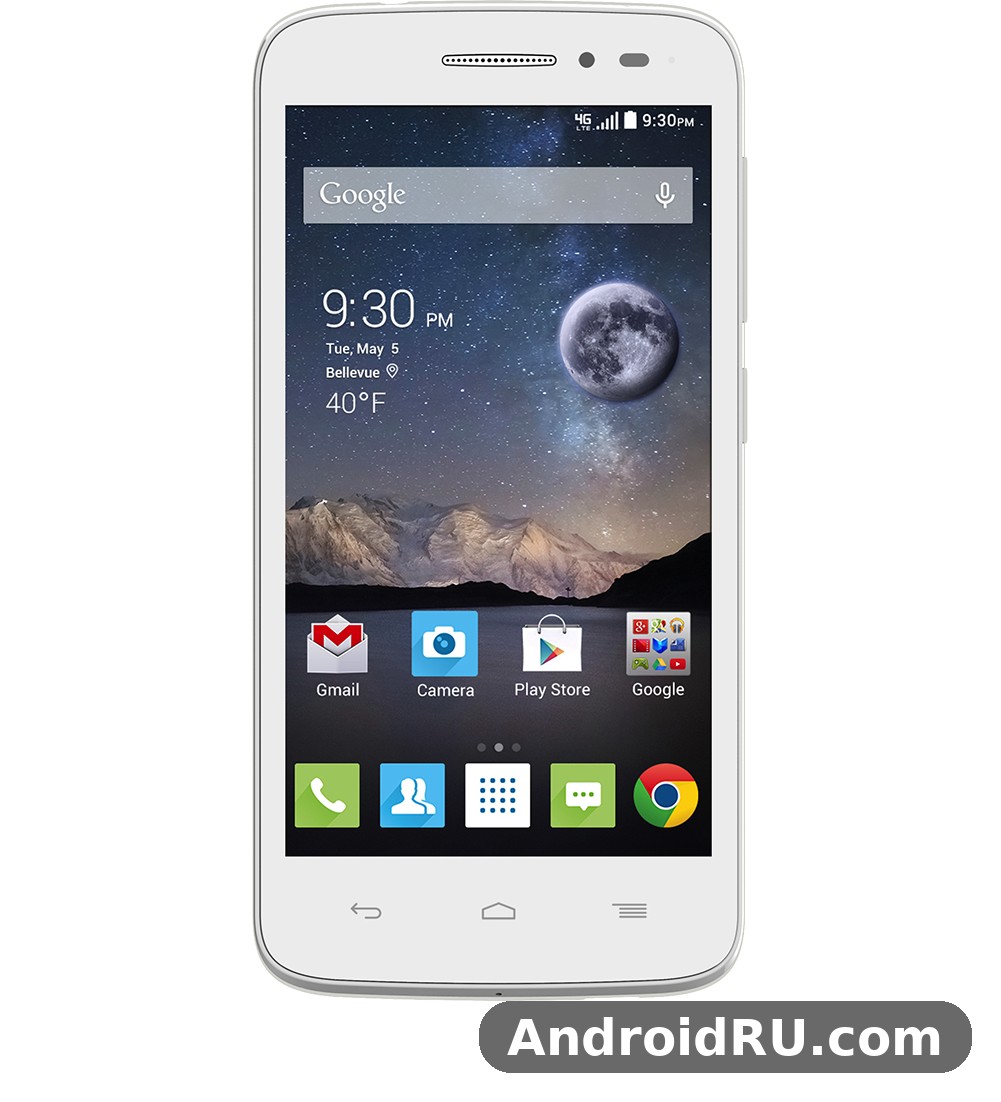
The alcatel Pop Astro price in the United States was $149.76 at launch, which placed it firmly in the budget range, and the alcatel Pop Astro release date in April 2015 put it on shelves at a moment when affordable LTE phones were still uncommon. Its alcatel Pop Astro specs explain the price: a MediaTek MT6732 chip, 1GB of RAM, 4GB of storage and a 4.5-inch qHD screen. Those alcatel Pop Astro features were modest even in 2015, yet the package made sense for buyers who wanted 4G without paying flagship money.
Announced and released in the same month, the Pop Astro arrived as a T-Mobile USA variant, and that carrier link shaped much of what made it interesting. It was the first phone in North America to use a MediaTek LTE chip, and it supported VoLTE and Wi-Fi calling on the carrier network. This review walks through every part of the phone, from the plastic body to the removable battery, and finishes with the complete specification table, a balanced verdict and answers to the questions buyers still ask about it.
Design and Build Quality
This alcatel Pop Astro design and build quality review starts with a simple observation: the phone was built to a price, and it shows in the materials, but the construction itself is solid and honest. The body is plastic from edge to edge, with a removable back cover that gives access to the battery, the SIM slot and the microSD slot. Nothing creaks or flexes under normal pressure, and the phone feels put together rather than thrown together.
The alcatel Pop Astro white colour variant and finish was the colour offered at launch, a clean white shell with a subtle texture that resists fingerprints better than glossy black plastic would have. The alcatel Pop Astro colours range was limited to that single White option, so buyers who wanted a darker phone had no factory choice. The white finish does pick up marks over time, especially around the edges, but it also makes the phone easy to spot in a bag.
The alcatel Pop Astro dimensions are 134.8 x 65.8 x 9.6 mm, which made it a genuinely compact phone even by 2015 standards, and the alcatel Pop Astro weight is 144 grams. That combination fits comfortably in one hand and in a jeans pocket, and the 4.5-inch screen keeps the width narrow enough for the thumb to reach across the display. The power button and volume rocker sit on the right edge, within easy reach, and the microUSB port sits on the bottom edge with the 3.5 mm headphone jack on top.
Size, Weight and In-Hand Feel
At 144 grams and under 10 mm thick, the Pop Astro is light enough to carry all day without noticing it, and the slightly curved back helps it sit naturally in the palm. The compact size is one of its strongest practical traits: it is a phone you can use one-handed for calls, messages and quick browsing without stretching or re-gripping. The removable back cover is thin, so take care when prying it off, but the cover itself clips back on firmly.
White Finish and Materials
The white plastic shell has a soft matte feel rather than a slippery gloss, which helps grip. Over months of use the finish can show scuffs on the corners, and the white colour makes pocket lint more visible, but those are cosmetic issues rather than structural ones. Buyers comparing compact Alcatel phones of the era can also read alcatel Pop Star: Design, Software and Full Specifications in Detail for a close sibling with a similar approach to affordable design. The alcatel Pop Astro hardware is unpretentious throughout: no metal frame, no glass back, just a practical plastic body built around a removable battery.
Display
The alcatel Pop Astro display quality and screen size reflect the budget brief. The phone uses a 4.5-inch TFT panel with a qHD resolution of 540 x 960 pixels, giving a pixel density of around 245 pixels per inch. Text looks reasonably sharp at normal reading distance, and icons and menus are clear, though fine detail in photos is softer than on a 720p panel of the same size.
The alcatel Pop Astro screen brightness under direct sunlight is a weak point, as it is on most budget TFT panels of this era. Outdoors on a bright day the display washes out and becomes hard to read, so shading the screen or raising the brightness to maximum is often needed. Indoors, brightness is adequate, and colours look natural rather than oversaturated, which suits reading and video better than a garish panel would.
Viewing angles are typical for TFT: the image stays usable from a slight angle but loses contrast and shifts colour when viewed from the side. The screen is protected by a flat glass surface, and the bezels around it are fairly wide by modern standards, which is normal for a 2015 budget phone. The alcatel Pop Astro display is best understood as a competent everyday screen: fine for calls, messages, maps and casual video, but not a panel that impresses.
Screen Size and Resolution
The 4.5-inch size strikes a balance between pocketability and usability. The 540 x 960 resolution keeps the interface readable, and the 16:9 aspect ratio suits video playback. Touch response is accurate for taps and swipes, and the on-screen keyboard is usable with two thumbs despite the narrow width. There is no high refresh rate or special display mode here, just a straightforward panel that does its job.
Performance and Hardware
The alcatel Pop Astro performance with MediaTek MT6732 hardware is the most important thing to get right about this phone, because the chipset defines what it can and cannot do. The MT6732 is a quad-core chip with Cortex-A53 cores running at 1.5 GHz, paired with a Mali-T760MP2 graphics processor. Note the exact model: this phone uses the MT6732, not the later MT6735, and that distinction matters when comparing specifications across Alcatel models.
Day-to-day alcatel Pop Astro performance is adequate for the basics: calls, texting, email, light browsing and social apps run acceptably, with occasional pauses when several apps are open at once. The alcatel Pop Astro processor is a 64-bit quad-core design, which was a genuine selling point in 2015, and the alcatel Pop Astro chipset supports 4G LTE, which is why T-Mobile picked it. The alcatel Pop Astro benchmark results from the era place it in the entry-level band, roughly in line with other budget phones of the same year, and well below mid-range chips.
The alcatel Pop Astro gaming performance on casual games is fine: puzzle games, card games and simple arcade titles run smoothly. Demanding 3D games struggle, with dropped frames and long loading times, so this is not a phone for heavy gaming. The Mali-T760MP2 GPU handles the interface and video playback well, and 720p video plays without stutter.
MediaTek MT6732 Chipset
The MT6732 was notable as the first MediaTek LTE chip to reach North America, and the Pop Astro was its launch vehicle on T-Mobile. The chip integrates the LTE modem, which keeps power use and board space down, and it supports the carrier bands the phone was sold for. The quad-core Cortex-A53 processor gives the phone enough headroom for its lightweight software, though the 1GB of RAM is the real limit on multitasking.
CPU and Graphics
The four Cortex-A53 cores run at up to 1.5 GHz, and the Mali-T760MP2 GPU with two cores handles graphics. This pairing is efficient rather than powerful: it sips power during light use and only warms up slightly under sustained load. There is no sign of aggressive throttling in normal use, because the phone rarely pushes the chip hard enough to heat up.
Memory and Storage
The alcatel Pop Astro RAM usage and multitasking limits are easy to describe: with only 1GB of RAM, the phone keeps two or three apps in memory comfortably, then starts reloading apps as you switch between them. Heavy apps and browser tabs with many pages open will reload often. The alcatel Pop Astro internal storage space after setup is tight, because the 4GB of built-in storage is shared with the Android system and preloaded apps, leaving roughly half of it free for the user.
The alcatel Pop Astro storage expansion with microSD card support is therefore essential rather than optional. The alcatel Pop Astro microSD card support up to 32GB lets you add a card for photos, music and offline video, and the card slot sits under the back cover next to the battery. The alcatel Pop Astro storage situation means you should fit a microSD card on day one if you plan to take photos or keep music on the phone. Readers weighing a similar budget Alcatel of the same period may also like Breaking Down the alcatel Flash Plus: Review, Battery Life and Full Specs, which shows how a step up in battery and memory changed the experience.
Camera
The alcatel Pop Astro camera quality in daylight is acceptable for a budget phone of 2015. The 5MP rear camera takes decent photos outdoors, with reasonable colour and enough detail for sharing on social apps or viewing on the phone itself. In low light the quality drops quickly: noise increases, detail softens and the LED flash only helps at very close range.
The alcatel Pop Astro rear camera sample photos and video show the limits clearly. Stills are fine in good light, while video records at 720p with basic stabilisation and mono audio. There is autofocus on the rear camera, which helps with close subjects, and the camera app is simple, with a handful of modes and no manual controls to speak of. The alcatel Pop Astro video recording is serviceable for short clips, but it will not replace a dedicated camera or a higher-end phone.
The 5MP rear camera sits on the back with the LED flash beside it, and the lens is flush with the body, so it does not snag in a pocket. Shutter lag is noticeable: there is a short delay between tapping the button and the photo being taken, so moving subjects often come out blurred. For still scenes, landscapes and well-lit portraits, the results are perfectly usable.
Rear Camera
The rear camera uses a 5 megapixel sensor with autofocus and an LED flash, and it records 720p video. Daylight shots have natural colours and acceptable sharpness in the centre of the frame, with some softness towards the edges. There is no HDR mode worth relying on, and the digital zoom should be avoided because it only crops the image.
Front Camera
The alcatel Pop Astro front camera quality for selfies is basic, as expected from a VGA sensor. The front camera is fine for video calls, where the low resolution is less noticeable, but selfies come out soft and lacking in detail. In bright light the results are usable for a profile picture; in dim light they become noisy and washed out. Treat the front camera as a video-call tool first and a selfie camera second.
Battery Life
The alcatel Pop Astro battery life and charging time are modest, matching the small capacity. The phone uses a 2000mAh removable battery, which delivers a full day of light to moderate use: calls, messages, some browsing and a little video. Heavy use, especially long video streaming or navigation over LTE, will drain it well before the end of the day, so a charger or a spare battery is worth carrying.
The alcatel Pop Astro battery drain during video playback is noticeable, with roughly a fifth of the charge going in an hour of continuous playback at moderate brightness, though exact figures depend on signal strength and screen settings. Standby drain is low, and the phone sips power overnight when idle. Charging from empty takes around two to three hours over the microUSB port, as there is no fast charging on this model.
The alcatel Pop Astro removable battery replacement guide is simple, because the design makes it easy: power the phone off, remove the back cover, lift the battery out by the notch, fit the replacement and clip the cover back on. That is a genuine advantage over sealed phones, since a fresh battery restores the original endurance and a spare battery can be swapped in seconds. Owners of other compact Alcatel phones can compare notes in alcatel Go Play at a Glance: Review and Detailed Specifications, which covers a sibling built around a different set of trade-offs.
Software and Connectivity
The alcatel Pop Astro Android KitKat software experience is a light, near-stock build of Android 4.4.2 KitKat with a few Alcatel touches and T-Mobile apps preloaded. The interface is simple and easy to learn: a standard app drawer, a clean notification shade and a settings menu without heavy skins. KitKat was already a mature version of Android by 2015, so the basics are polished, even if the design looks dated next to later versions.
The alcatel Pop Astro software updates and security patches are the weakest part of the package. The phone launched on KitKat and received little in the way of major updates, so buyers should treat Android 4.4.2 as the long-term software state. The alcatel Pop Astro software is stable and the preloaded apps are few, but the old Android version means many modern apps will no longer install or run, which limits the phone to basic duties today.
The alcatel Pop Astro 4G LTE connectivity and VoLTE support were headline features at launch. The phone connects to LTE for fast data, falls back to HSPA and GSM where LTE is unavailable, and supports VoLTE for voice calls over the LTE network on T-Mobile. The alcatel Pop Astro T-Mobile variant and carrier features also include Wi-Fi calling, which routes calls over Wi-Fi when the mobile signal is weak, a useful feature at home or in thick-walled buildings.
Android 4.4.2 KitKat
KitKat on this phone is light on resources, which suits the 1GB of RAM. The interface responds well for everyday tasks, and the Google apps of the era run acceptably. The alcatel Pop Astro sensors are limited to an accelerometer and a proximity sensor, so there is no gyroscope, compass or fingerprint reader. That is normal for the price, and the sensors present cover screen rotation and switching the display off during calls.
LTE, VoLTE and Wi-Fi Calling
The alcatel Pop Astro Wi-Fi calling setup and use is straightforward: enable the feature in the phone settings, and calls will use Wi-Fi when it is available and the mobile signal is poor. The alcatel Pop Astro call quality and signal reception are good for a budget phone, with clear voice on VoLTE and reliable signal in areas with decent T-Mobile coverage. The alcatel Pop Astro SIM card type and network bands are built around a Micro-SIM and the LTE bands used by T-Mobile USA, so check band support before using the phone on another carrier.
The alcatel Pop Astro connectivity package also includes Wi-Fi 802.11 b/g/n, Bluetooth 4.0 and GPS, covering the essentials for a 2015 phone. The alcatel Pop Astro speaker quality and headphone output define the alcatel Pop Astro audio experience, which is average: the loudspeaker is loud enough for ringtones and speakerphone calls but thin for music, while the headphone jack delivers cleaner sound for music and video. The 4G LTE with VoLTE combination was the real reason to buy this phone in 2015, and it still defines what the Pop Astro is. For a broader look at the Alcatel range of the same year, see alcatel Flash in Depth: Review, Design and Full Specifications.
Full Specifications
The table below lists the complete alcatel Pop Astro specifications as recorded by GSMArena, covering the launch details, the body, the display, the hardware, the cameras, the battery and the connectivity.
| Feature | Detail |
|---|---|
| Model | alcatel Pop Astro |
| Announced | April 2015 |
| Release date | April 2015 |
| Status | Released |
| Carrier | T-Mobile USA |
| Dimensions | 134.8 x 65.8 x 9.6 mm |
| Weight | 144 g |
| SIM | Micro-SIM |
| Display | 4.5-inch TFT, 540 x 960 pixels (qHD), 16:9 |
| Operating system | Android 4.4.2 KitKat |
| Chipset | MediaTek MT6732 |
| CPU | Quad-core 1.5 GHz Cortex-A53 |
| GPU | Mali-T760MP2 |
| RAM | 1 GB |
| Internal storage | 4 GB, expandable with microSD up to 32 GB |
| Rear camera | 5 MP, autofocus, LED flash, 720p video |
| Front camera | VGA |
| Battery | 2000 mAh, removable Li-Ion |
| WLAN | Wi-Fi 802.11 b/g/n |
| Bluetooth | 4.0 |
| GPS | Yes, with A-GPS |
| NFC | No |
| USB | microUSB 2.0 |
| 3.5 mm jack | Yes |
| Sensors | Accelerometer, proximity |
| Network | 4G LTE, VoLTE, Wi-Fi calling |
| Colours | White |
| Launch price | $149.76 |
Pros and Cons
The Pop Astro is easy to sum up: a cheap, compact LTE phone with a removable battery and carrier features that were ahead of its price class, held back by tight memory and an old Android version. The balance below reflects the phone as it was in 2015 and as it stands now as a used or collector device.
- Affordable launch price of $149.76 with 4G LTE included
- First MediaTek LTE chip in North America, with VoLTE and Wi-Fi calling
- Compact 4.5-inch body at 144 grams, easy to use one-handed
- Removable 2000mAh battery that can be swapped in seconds
- microSD expansion up to 32GB for photos and music
- Clean, light Android 4.4.2 KitKat interface
- Only 1GB of RAM and 4GB of storage limit multitasking and apps
- 5MP rear camera and VGA front camera are basic, especially in low light
- TFT display washes out under direct sunlight
- Android KitKat with little prospect of major updates
- Only the White colour was offered at launch
- No NFC and no fast charging
Readers who want a larger Alcatel from the same era with a stronger screen and build can compare it with Living With the alcatel Idol 3 (5.5): Review, Build Quality and Complete Specs, which shows what the brand offered one step up the range.
Frequently Asked Questions
Is the alcatel Pop Astro still worth buying today?
Is the alcatel Pop Astro still worth buying today? As a daily phone, no: the 1GB of RAM, 4GB of storage and Android 4.4.2 KitKat mean most current apps will not run, and the 5MP camera and TFT screen are far behind modern budget phones. As a collector piece, a backup phone for calls and texts, or a way to experience the first MediaTek LTE phone in North America, it has a modest charm, provided the price is very low and the battery is fresh. The alcatel Pop Astro verdict is therefore narrow: a neat piece of 2015 history, not a practical daily handset in 2026.
How does the alcatel Pop Astro compare with the Pop Star?
The alcatel Pop Astro vs alcatel Pop Star comparison comes down to positioning: both are compact budget Alcatel phones of the same period, but the Pop Astro is defined by its T-Mobile LTE, VoLTE and Wi-Fi calling package and its MediaTek MT6732 chip, while the Pop Star trades on a different balance of design and software. The Pop Astro is the better pick for buyers who needed carrier LTE features in the United States in 2015; the Pop Star suits buyers who valued its own design and software mix. Neither phone has the memory or camera to compete with later budget models.
What are the most common problems, and how do I fix them?
The alcatel Pop Astro common problems and troubleshooting tips start with the two issues owners report most: running out of storage and slow performance. Free space by moving photos and music to a microSD card and clearing app caches, and keep the number of installed apps small so the 1GB of RAM is not overloaded. If the phone feels sluggish, restart it, remove apps you no longer use, and avoid live wallpapers and heavy widgets. If the battery drains quickly, check for apps running in the background and replace an old battery, since the removable design makes that a five-minute job. The alcatel Pop Astro alternatives for anyone who needs a working daily phone are any modern budget handset with at least 4GB of RAM and a current Android version, which will run today’s apps, hold a charge longer and take far better photos.
So how good is the alcatel Pop Astro? In April 2015 it was a good budget buy: compact, cheap, first with MediaTek LTE in North America, and practical thanks to its removable battery and microSD slot. Judged now, it is a well-preserved snapshot of the moment affordable LTE arrived, and that is the fairest way to remember it.

