

Breaking Down the alcatel Flash Plus: Review, Battery Life and Full Specs
The alcatel Flash Plus arrived in May 2015 as a phone that understood exactly what buyers wanted in that year: a large screen, a battery that could last two days, and a camera that punched above its price. This alcatel Flash Plus review battery life and full specifications guide looks at the phone exactly as it was sold, without pretending it is a modern device and without borrowing claims from the later Flash Plus 2. The alcatel Flash Plus price and release date May 2015 placed it in the affordable mid-range, and the alcatel Flash Plus launch followed the announcement in the same month, so buyers did not wait long to get one in their hands.
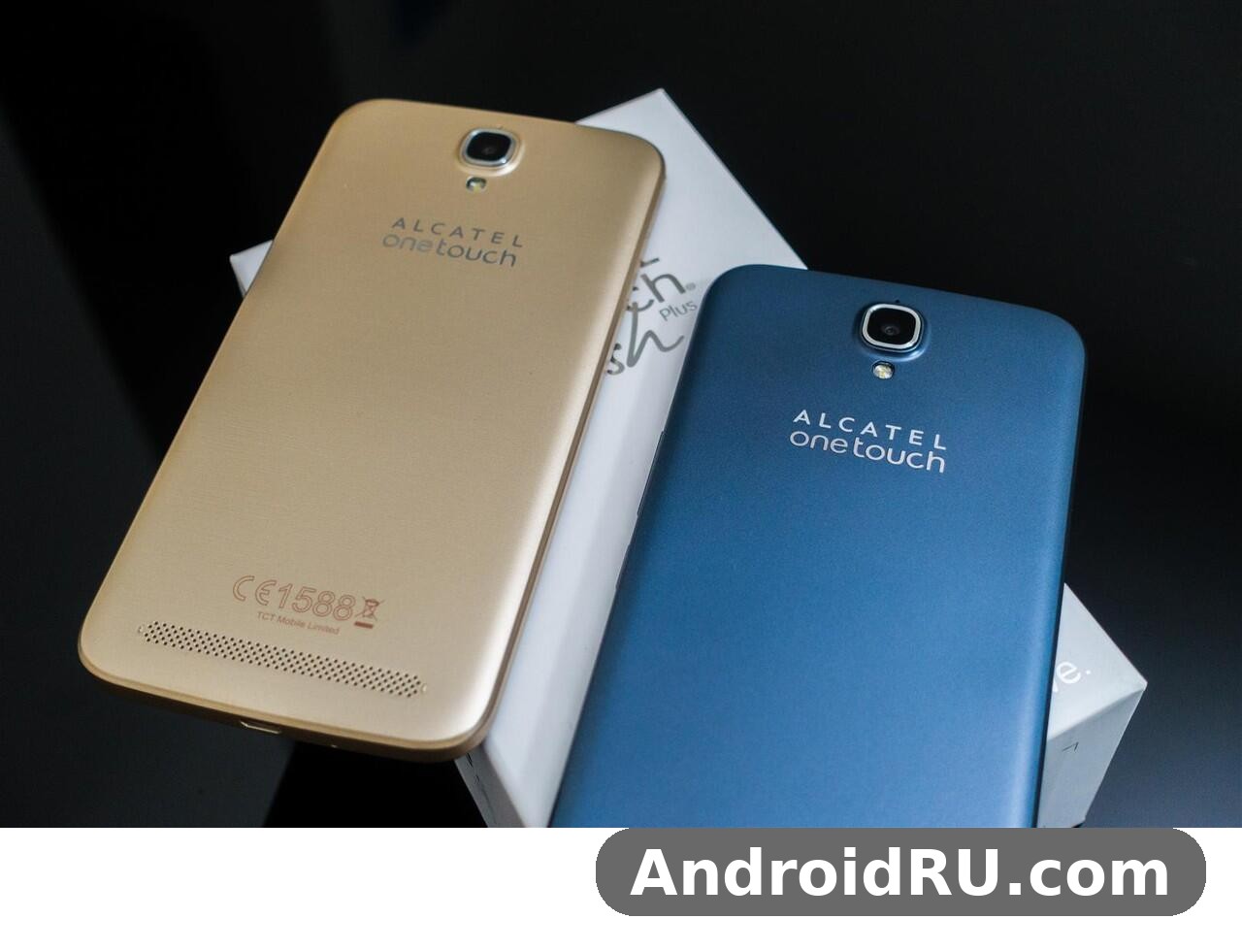
Any Flash Plus review from 2015 starts with the same three strengths: the 5.5-inch screen, the 3500 mAh battery and the 13MP camera. The Flash Plus specs were strong for the money, and the Flash Plus price of around 130 EUR made the phone easy to recommend to buyers who wanted a big-screen Android phone without paying flagship money. Read this phone in its own era. In 2015, a 720p display on a 5.5-inch phone was normal for the price, Android KitKat was still common on new phones, and a 3500 mAh battery was genuinely large. Judged against its own time rather than against phones from a decade later, the Flash Plus holds up well.
The name causes confusion, so it is worth clearing up first. The Flash Plus from 2015 is not the Flash Plus 2 from 2016, which used the Helio P10 chipset, and it is not the original Flash from 2014, which used the MT6592M chipset. The alcatel Flash Plus vs Flash Plus 2 differences explained in this article matter because the two phones look similar on paper but use different chipsets and arrived a year apart. For the earlier model, the alcatel Flash in Depth: Review, Design and Full Specifications covers the 2014 phone in full, while this article stays with the 2015 Flash Plus and its MediaTek MT6752M chipset.
Design and Build Quality
The alcatel Flash Plus design follows the simple, practical style that Alcatel used across its 2015 range. The front is dominated by the large screen with slim side bezels for the time, the back is a smooth plastic panel with the camera and LED flash in the top corner, and the overall shape is a rounded rectangle that sits comfortably in the hand. The Flash Plus design is slim at 8 mm thick, and the phone avoids the sharp edges and fussy details that some rivals added to look premium. It looks like what it is: an honest, well-made mid-range phone.
The alcatel Flash Plus design dimensions weight and build quality tell the same practical story. The alcatel Flash Plus 152.3 x 76.4 x 8 mm dimensions make it a tall phone, as expected for a 5.5-inch device, and the alcatel Flash Plus weight is 147 grams, which is light for a phone with a 3500 mAh battery inside. The alcatel Flash Plus 147 grams weight in hand feel is balanced rather than top-heavy, and the phone does not feel like a brick in a pocket, even though the battery is much larger than the ones in most rivals of the same size. The alcatel Flash Plus dimensions suit a large-screen phone of 2015, with room for the big battery without excess bulk.
A Large Phone With a Slim Profile
At 8 mm thick, the Flash Plus was slimmer than many big-battery phones of 2015. Alcatel managed to fit the large battery into a slim body without making the phone feel fragile, and the rounded back helps the phone sit naturally in the palm. The slim body with a big battery is the design idea that defines this phone. The 76.4 mm width is about as wide as a 5.5-inch phone can be while still allowing most adults to reach across the screen with one thumb, and the 152.3 mm height leaves room for the earpiece, the front camera and the sensors above the display. For buyers comparing it with smaller phones, the size is the trade-off for the screen and the battery, and most buyers of large phones in 2015 accepted that trade gladly.
Slate and Gold Colour Options
The alcatel Flash Plus colours were Slate and Gold, two finishes that suited different tastes. Slate is a dark, understated grey that hides fingerprints and scratches well, while Gold is a lighter, warmer finish that stood out more in a shop display. The alcatel Flash Plus Slate Gold colours and design options were limited to those two choices, with no bright colours or patterned backs on offer. Buyers who wanted a phone that looked businesslike chose Slate, and buyers who wanted something a little more eye-catching chose Gold.
How the Phone Feels in Daily Use
In daily use, the plastic back gives good grip and stays comfortable during long calls and reading sessions. The power button and volume keys sit on the right edge where the thumb finds them naturally, and the microSDHC slot has its own dedicated space, so adding memory does not mean giving up a SIM slot. The phone is not water resistant and has no fingerprint sensor, two features that were still rare at this price in 2015, so owners should treat it as a normal phone that needs a case if it is going to survive drops onto hard floors.
Display and Viewing Experience
The alcatel Flash Plus display is a 5.5-inch IPS LCD panel with a resolution of 720 x 1280 pixels. The alcatel Flash Plus 720 x 1280 resolution and 267 ppi gives a pixel density of about 267 pixels per inch, which is sharp enough for reading, browsing and watching video without visible pixelation at normal viewing distances. The alcatel Flash Plus 5.5 inch HD display review and specs record shows a screen that was standard for its price in 2015: not Full HD, but clear and bright, with the IPS technology keeping colours steady when the phone is tilted.
The Flash Plus display measures 5.5 inches diagonally, and the large size makes it a good fit for video, games and reading long articles. Text stays readable, icons stay crisp, and the extra screen space means less scrolling than on the 5-inch phones that were still common in 2015. The alcatel Flash Plus IPS LCD screen viewing angles and colours are a strength of the panel, with wide viewing angles and natural colours that do not wash out quickly when the phone is shared with someone sitting beside the owner.
A 5.5-Inch HD IPS Panel
IPS LCD was the right choice for a phone at this price in 2015. It offers better viewing angles and more consistent colours than the cheaper TN panels used in some budget phones, and it keeps power use reasonable for a large screen. The 720p resolution means the chipset does not have to push as many pixels as a Full HD panel, which helps both performance and battery life. Owners who watch video will notice that the picture is smooth and bright indoors, while direct sunlight can wash the screen out a little, as it did on almost every phone of this era.
Dragontrail Glass Protection
The screen is protected by Dragontrail Glass, a toughened glass made to resist scratches and knocks. The alcatel Flash Plus Dragontrail Glass screen protection explained in plain terms is simple: it is a hardened cover glass that helps the display survive keys, coins and everyday bumps in a pocket or a bag. It is not a promise that the screen can survive a drop onto concrete, and a case and a screen protector were still sensible extras in 2015, but the Dragontrail layer gives the phone a better chance than an unprotected plastic screen would.
Performance and the MediaTek MT6752M Chipset
The alcatel Flash Plus chipset is the MediaTek MT6752M, and getting the name right matters. This is the MT6752M, not the plain MT6752 and not the Helio P10 that powered the later Flash Plus 2. The alcatel Flash Plus MediaTek MT6752M processor performance review shows an octa-core chip with eight Cortex-A53 cores running at up to 1.5 GHz, paired with Mali-T760MP2 graphics. The alcatel Flash Plus octa-core Cortex-A53 1.5GHz processor details place it firmly in the 2015 mid-range: efficient 64-bit cores that handle everyday apps well without the heat and battery drain of the faster cores used in flagships.
The alcatel Flash Plus performance in daily use is smooth for the tasks most owners actually do: calls, messaging, email, web browsing, social apps, music and video. The alcatel Flash Plus 2GB RAM and 16GB storage performance is helped by the light KitKat software, which leaves more memory free than the heavier Android skins of the time. The alcatel Flash Plus RAM is 2GB, which was the standard amount for a mid-range phone in 2015, and it is enough to keep several apps open at once without constant reloading. The alcatel Flash Plus storage is 16GB, with a dedicated microSDHC slot for cards, so photos, music and offline video can live on a memory card instead of filling the internal space. The alcatel Flash Plus microSD card slot and expandable storage mean the 16GB limit is easy to live with.
Buyers who want to see how Alcatel tuned similar hardware in a smaller phone can read the How Good Is the alcatel Pop Astro? Full Review and Specifications for a useful comparison, since the Pop Astro shows the same value-first thinking in a more compact body. The Flash Plus has the advantage of the larger screen and the bigger battery, while the Pop Astro is easier to use one-handed.
Octa-Core Power for Everyday Tasks
Eight Cortex-A53 cores sound like a lot, and in 2015 they were a selling point. The cores share the work, so scrolling through a news feed, switching between apps and loading web pages all feel quick. The 64-bit design also meant the phone was ready for the apps and Android versions that followed KitKat, even though Alcatel did not promise a long update path for this model. For the owner, the practical result is a phone that rarely stutters during normal use, which is what matters most at this price.
Gaming and Graphics With Mali-T760MP2
The alcatel Flash Plus Mali-T760MP2 graphics performance for games is good enough for the popular titles of 2015 at the phone’s 720p resolution. Casual games run smoothly, and heavier 3D games are playable with sensible settings, helped by the fact that the graphics chip only has to fill a 720p screen rather than a Full HD one. The Mali-T760MP2 is a dual-core graphics unit, so it is not a match for the flagship graphics chips of the same year, but it fits the phone’s price and its screen, and it avoids the heat that more powerful graphics can bring to a slim body.
Cameras: 13MP Rear and 8MP Front
The alcatel Flash Plus camera setup was one of the strongest parts of the package in 2015. The rear camera uses a 13MP Sony IMX214 sensor with an f/2.0 aperture, autofocus and an LED flash, while the front camera is an 8MP unit aimed at selfies and video calls. The alcatel Flash Plus 13MP Sony IMX214 camera quality and photos from this sensor were a genuine step up from the budget cameras of the time, because the Sony sensor was also used in phones that cost much more.
Rear Camera With Sony IMX214 Sensor
The alcatel Flash Plus f/2.0 aperture rear camera low light ability benefits from the wide aperture, which lets in more light than the narrower apertures on cheaper phones. The alcatel Flash Plus LED flash and autofocus camera features round out the package: autofocus locks onto a subject quickly in good light, and the LED flash adds light for close subjects indoors and at night. In daylight, photos are detailed and colours are natural, with enough resolution to crop and share. In low light, the photos get noisier, as expected for a 2015 phone sensor, but the wide aperture and the Sony sensor keep the results usable for social sharing and memories.
Video recording reaches 1080p, which matches the expectations for a mid-range phone of the year, and the footage is steady enough for casual clips of family, travel and everyday life. The camera app is simple, with modes for panorama, HDR and beauty, and it does not bury the common controls behind menus. Owners who take a lot of photos will want the microSDHC card, since 13MP photos and 1080p video fill 16GB of internal space faster than expected.
Front Camera for Selfies and Video Calls
The alcatel Flash Plus 8MP front camera selfies and video calls combination was generous for 2015, when many phones still shipped with 2MP or 5MP front cameras. Selfies are detailed enough to share, video calls look clear on both ends, and the wide front lens fits more people into a group selfie. There is no front flash, so low-light selfies rely on the screen or on room light, but in daylight the front camera is a real strength of this phone.
Battery Life: The 3500 mAh Advantage
The alcatel Flash Plus battery is a 3500 mAh unit that cannot be removed by the owner. The alcatel Flash Plus 3500 mAh battery life in daily use is the phone’s best feature: with normal use, including calls, messaging, browsing and some video, the phone regularly reaches the end of a second day before needing a charge. The Flash Plus battery was the headline number in 2015, and it still reads well today, because many modern phones with larger screens carry batteries of a similar size.
How long does alcatel Flash Plus battery last on charge is the question every buyer asked, and the honest answer is that it depends on the screen. Heavy video and gaming drain any phone faster, while light use with the screen mostly off stretches the Flash Plus well past a day and a half. The two days of use on a single charge figure is realistic for mixed use, and the phone’s 720p screen and efficient chipset both help, since neither one demands as much energy as the Full HD screens and faster chips in flagships.
Battery life is also covered in the alcatel Pop Star LTE Review and Detailed Specs: Key Features and Battery Life Covered, which shows how Alcatel balanced battery size and screen size across its 2015 phones. The Flash Plus sits at the generous end of that balance, with the largest battery in its family at the time. Charging is over microUSB, and a full charge from empty takes a few hours, so overnight charging or a top-up during the working day was the normal routine.
How Long the Battery Lasts
The alcatel Flash Plus non-removable battery replacement and charging story is simple: the battery is sealed inside the phone, so owners cannot swap in a spare, and a worn battery needs a repair shop to replace. That was already common in 2015, and the large capacity means the battery ages gracefully, holding useful life for years if the phone is charged sensibly. Avoiding full discharges and extreme heat helps any lithium battery last longer, and the Flash Plus is no exception.
Software: Android 4.4.4 KitKat
The alcatel Flash Plus software is Android 4.4.4 KitKat, the version the phone shipped with in May 2015. The alcatel Flash Plus Android KitKat software and features include the clean KitKat interface, Google apps, and Alcatel’s light additions, without a heavy skin that slows the phone down. Flash Plus Android software stayed on KitKat for most owners, and the alcatel Flash Plus KitKat 4.4.4 update and software limits are part of the honest picture: this is a phone from the KitKat era, and its software should be judged as such rather than compared with the Android versions of today.
KitKat was a good match for the hardware, since it runs well on 2GB of RAM and does not demand the resources of later Android versions. Readers who want to see how Alcatel handled software on a close relative can read the alcatel Pop Star: Design, Software and Full Specifications in Detail, which covers a similar KitKat-era phone from the same year. The Flash Plus adds the larger screen and the bigger battery to that same straightforward software approach.
KitKat Features and Limits
KitKat brings the features owners used every day in 2015: a clean home screen with widgets, a pull-down notification shade with quick settings, Google Now voice search, and full access to Google Play for apps and games. The limits are equally clear. Some modern apps no longer support KitKat, security updates ended long ago, and the phone cannot run the newest versions of many popular apps. For a collector, a second phone or a simple device for calls, messages and media, those limits are acceptable. For a daily phone in 2026, they are the main reason to think carefully before buying.
Full Specifications
The alcatel Flash Plus specs in the table below are the verified details for this model, gathered from the GSMArena listing for the phone. The table covers the display, chipset, memory, cameras, battery and connectivity in one place, so readers can check any number quickly without reading the whole article again. The alcatel Flash Plus features list is short and practical, and every line in the table reflects a choice Alcatel made to keep the price near 130 EUR while offering a large screen and a large battery.
| Feature | Detail |
|---|---|
| Brand | alcatel |
| Model | Flash Plus |
| Announced | May 2015 |
| Released | May 2015 |
| Dimensions | 152.3 x 76.4 x 8 mm |
| Weight | 147 g |
| Colours | Slate, Gold |
| Display | 5.5 inch IPS LCD, 720 x 1280 pixels, about 267 ppi, Dragontrail Glass |
| Chipset | MediaTek MT6752M |
| CPU | Octa-core 1.5 GHz Cortex-A53 |
| GPU | Mali-T760MP2 |
| RAM | 2 GB |
| Storage | 16 GB, microSDHC dedicated slot |
| Rear camera | 13 MP, Sony IMX214 sensor, f/2.0, autofocus, LED flash |
| Front camera | 8 MP |
| Video | 1080p |
| Battery | 3500 mAh, non-removable |
| Operating system | Android 4.4.4 KitKat |
| SIM | Dual SIM, dual LTE |
| Connectivity | Wi-Fi, Bluetooth, GPS, microUSB, 3.5 mm headphone jack |
| Sensors | Accelerometer, proximity, compass |
| Loudspeaker | Yes |
| Price | About 130 EUR |
The alcatel Flash Plus WiFi Bluetooth GPS sensors and connectivity cover the essentials for a 2015 mid-range phone: Wi-Fi for home and office, Bluetooth for headsets and car kits, GPS for maps and navigation, and dual SIM dual LTE for owners who carry two numbers or travel between networks. The alcatel Flash Plus dual SIM dual LTE connectivity explained in one line is that both SIM slots can use LTE, so the owner does not have to choose which SIM gets the fast data. The alcatel Flash Plus sensors include an accelerometer, a proximity sensor and a compass. The alcatel Flash Plus speaker loudspeaker and headphone jack audio is practical rather than special: a loudspeaker for hands-free calls and ringtones, and a standard 3.5 mm jack for wired headphones, which were the normal way to listen to music in 2015.
The alcatel Flash Plus 130 EUR price at launch in 2015 is worth repeating, because it explains every choice in the table. A 720p screen instead of Full HD, a mid-range chipset instead of a flagship, and KitKat instead of the newest Android all kept the price down, while the large battery and the Sony camera sensor gave buyers something rivals at the same price often lacked. The alcatel Flash Plus connectivity and the rest of the table should be read with that price in mind.
Pros and Cons
Every phone is a set of trade-offs, and the Flash Plus is no exception. Its strengths are the battery, the screen size, the camera sensor and the price. Its weaknesses are the 720p resolution, the KitKat software and the plastic body. The balance suits buyers who want a large screen and long battery life first, and it suits collectors who want a clean example of a 2015 mid-range phone.
Pros
- 3500 mAh battery that can last two days in normal use
- Large 5.5-inch IPS LCD display with Dragontrail Glass
- 13MP rear camera with Sony IMX214 sensor and f/2.0 aperture
- 8MP front camera, generous for 2015
- Octa-core MediaTek MT6752M chipset with 2GB of RAM
- Dedicated microSDHC slot alongside dual SIM dual LTE
- Slim 8 mm body at only 147 grams
- Affordable price of about 130 EUR at launch
Cons
- 720p resolution rather than Full HD on a 5.5-inch screen
- Android 4.4.4 KitKat with no long update path
- Plastic body with no water resistance and no fingerprint sensor
- Non-removable battery that needs a repair shop to replace
- 16GB of internal space fills quickly without a memory card
- No NFC and no fast charging by modern standards
The alcatel Flash Plus verdict starts with that list. An honest mid-range phone from 2015, the Flash Plus gives buyers a large screen and a large battery for little money, and it asks them to accept a 720p display and KitKat software in return. For collectors, the alcatel Flash Plus second hand buying guide for collectors today is simple: check the battery health, check the screen for scratches, check that the microSDHC slot reads a card, and check that both SIM slots work, since a phone from 2015 may have lived a hard life.
Frequently Asked Questions
When was the alcatel Flash Plus released?
The alcatel Flash Plus was announced and released in May 2015, at a launch price of about 130 EUR. It is the 2015 model with the MediaTek MT6752M chipset, not the Flash Plus 2 from 2016.
How good is the alcatel Flash Plus battery life?
The 3500 mAh battery is the phone’s best feature. With normal use it can last up to two days, and light users may stretch it further. Heavy video and gaming drain it faster, but for calls, messaging and browsing it is one of the longest-lasting phones of its year.
Does the alcatel Flash Plus have a good camera?
Yes, for its price and year. The 13MP rear camera uses a Sony IMX214 sensor with an f/2.0 aperture, autofocus and LED flash, and it takes detailed photos in daylight. The 8MP front camera is also strong for 2015, and it suits selfies and video calls well.
Is the alcatel Flash Plus the same as the Flash Plus 2?
No. The Flash Plus 2 arrived in 2016 with the Helio P10 chipset, while the 2015 Flash Plus uses the MediaTek MT6752M. The two phones are different models, and parts, software and reviews for one do not apply to the other.
Can I still use the alcatel Flash Plus today?
It can still make calls, send messages, play music and run older apps, but Android 4.4.4 KitKat limits which modern apps will install, and security updates ended years ago. It works best as a second phone, a media device or a collector piece rather than as a main phone.
Does the alcatel Flash Plus support dual SIM and LTE?
Yes. It is a dual SIM phone with dual LTE, so both SIM slots can use fast mobile data. It also has a dedicated microSDHC slot, so adding a memory card does not take away a SIM slot.
Verdict: Value for Money
The Flash Plus was a smart, honest product for 2015. It did not pretend to be a flagship, it did not promise features it could not deliver, and it focused on the things that matter every day: a large screen, a long-lasting battery and a good camera for the price. Readers comparing it with the rugged side of Alcatel’s 2015 range can read the alcatel Go Play at a Glance: Review and Detailed Specifications, which shows how the same company served buyers who wanted toughness first, while the Flash Plus served buyers who wanted screen size and battery life first.
For value, the phone made sense in its era and it still makes sense as a collector piece today. The combination of a 5.5-inch display, a 3500 mAh battery, a Sony camera sensor and an octa-core chipset for about 130 EUR was hard to beat in May 2015, and the phone’s clean KitKat software kept it quick for everyday tasks. Buyers today should check the battery, the screen and the SIM slots, and enjoy it for what it is: a well-judged mid-range phone from the year when big screens and big batteries first reached sensible prices.

