

The Complete alcatel A3 Review: Specs, Performance and Verdict
The alcatel A3 arrived in the first half of 2017 as a compact and affordable Android phone for buyers who wanted the basics done well without paying for a flagship. Announced in February 2017 at MWC 2017 and released in June 2017, it sat below the larger A3 XL in the alcatel range and aimed squarely at first-time smartphone owners, students, and anyone looking for a dependable second phone. This alcatel A3 review looks at the phone as it was at launch, using its verified specifications, and explains what it did well, where it fell short, and who it suited best.
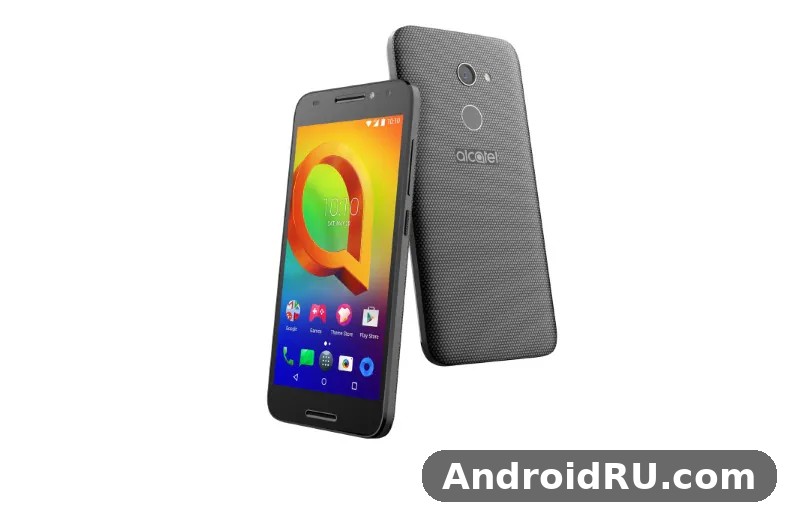
At a glance, the alcatel A3 specs describe a modest 2017 handset: a 5.0-inch HD display, a MediaTek MT6737 quad-core processor, 1.5GB of RAM, 16GB of internal storage with a microSD card slot, a 13MP rear camera, a 5MP front camera, and a 2460mAh battery running Android 6.0 Marshmallow. None of those numbers was remarkable on its own, even in 2017, yet the combination made sense for the price band alcatel was targeting. The alcatel A3 phone was never meant to compete with high-end rivals; it was meant to be simple, light, and easy to live with day to day.
Readers searching for an alcatel A3 review with full specifications 2017 will find the complete picture here, from the screen and chipset to the camera, battery, software, and connectivity. The alcatel A3 price and availability in June 2017 also mattered, because this was a phone sold on value rather than on raw power. If you are comparing it with its bigger sibling, the alcatel A3 vs alcatel A3 XL comparison differences explained later in this article will help you tell the two models apart, since they shared a name but not the same screen, chipset, or software version.
Design and Build Quality
The alcatel A3 design follows the familiar budget-phone formula of 2017: a plastic body, a removable-feeling lightness, and a shape that fits comfortably in one hand. At 142.5 x 70.5 x 8.6 mm and around 135 grams, it was easy to hold, easy to pocket, and easy to use with one hand. The alcatel A3 weight and dimensions for one handed use were a genuine strength, especially at a time when many phones were growing past 5.5 inches. The alcatel A3 dimensions made it a natural choice for buyers who found larger phones awkward.
The alcatel A3 build used plastic rather than metal or glass, which kept the weight down and the cost down, but also meant the phone felt less premium than more expensive rivals. The alcatel A3 plastic body durability and scratch resistance test results from everyday use were typical for the class: the body survived normal knocks and pocket wear, while the screen still benefited from a protector and a case. The phone was offered in colours such as black, white, and gold, giving buyers a little personality without changing the underlying hardware.
There was no fingerprint reader on this model, and the alcatel A3 fingerprint sensor absence and security options were limited to the standard Android choices of the time, namely a PIN, a pattern, or a password. That was normal for an entry-level phone in 2017, although rival models at a similar price were beginning to add fingerprint sensors. The front of the phone kept the usual earpiece, sensors, and 5MP camera above the display, while the back carried the 13MP camera and an LED flash in a simple, tidy layout. The alcatel A3 design and build quality hands on impression, judged from its materials and layout, was that of a practical everyday phone for 2017: unshowy, light, and comfortable rather than luxurious.
Colours and handling
The curved edges and compact width helped the phone sit securely in the palm, and the power and volume keys fell within easy reach of the thumb. The alcatel A3 build quality was consistent for its class, with no obvious creaks or loose panels, and the removable-style plastic back made the phone feel approachable rather than fragile. For buyers who valued comfort over a metal frame, this was a sensible trade.
Display and Viewing Experience
The alcatel A3 display is a 5.0-inch IPS LCD panel with a resolution of 720 x 1280 pixels, giving a pixel density of about 294 pixels per inch. That density was enough for text to look reasonably sharp at normal viewing distance, and the IPS technology gave wider viewing angles than the cheaper TN panels sometimes found in entry-level phones. The alcatel A3 display quality with 5 inch IPS screen technology was solid for watching videos, browsing the web, and reading messages, even if it could not match the crispness of a Full HD panel.
The alcatel A3 screen resolution 720p video playback quality was perfectly watchable on a 5-inch panel, and most streaming video of the period was still delivered at 720p or below on mobile connections. Colours were reasonably natural rather than oversaturated, and brightness was adequate indoors, though direct sunlight made the screen harder to read, as it did on most budget phones of the time. The alcatel A3 screen itself was protected by a flat sheet of glass with modest bezels above and below, in line with the design language of 2017.
For everyday tasks, the size was a good compromise. A 5-inch screen is large enough for comfortable typing and video, yet small enough that the phone remains pocketable. Readers comparing the A3 with the 6-inch A3 XL should note that the larger model offered a bigger canvas for video but was far less comfortable to hold, so the choice between them was really a choice between portability and screen size. If you want a broader view of the larger sibling, see alcatel A3 XL Specs and Review: A Detailed Look at Display.
Screen strengths and limits
The screen handled everyday content well, from social feeds to photos and maps. Its main limits were peak brightness outdoors and the absence of any high refresh rate or always-on display, neither of which was expected in this price band in 2017. Viewed as a whole, the display was one of the more balanced parts of the package.
Performance and Everyday Use
The alcatel A3 performance is built around the MediaTek MT6737, a quad-core chipset running at 1.25 GHz with Cortex-A53 cores and Mali-T720MP2 graphics. The alcatel A3 chipset is a 28nm part designed for efficiency and low cost rather than speed, and the alcatel A3 processor is best understood in that context. It handled calls, messaging, email, web browsing, music, and light social apps without drama, but it was never a fast phone, and heavier apps exposed its limits quickly.
With 1.5GB of RAM, the alcatel A3 RAM management with 1.5GB memory limit was a constant factor in daily use. The alcatel A3 multitasking performance with limited RAM capacity meant that switching between several apps often forced the phone to reload them, and keeping a browser with many tabs open alongside a chat app and a camera could slow things down. The alcatel A3 RAM was enough for one or two apps at a time, but buyers who liked to juggle many apps would have felt the ceiling. The alcatel A3 performance with MediaTek MT6737 chipset therefore depended heavily on keeping expectations modest and the app load light.
Storage was 16GB, of which a meaningful share was taken by Android and the preinstalled apps, leaving limited room for the user. The alcatel A3 storage expansion with microSD card slot was therefore important, and the alcatel A3 microSD card support up to 128GB storage gave owners a practical way to add room for photos, music, and offline video. The alcatel A3 storage itself was eMMC rather than the faster storage found in flagships, so app installs and large file moves took a little longer, but that was normal for the class.
The alcatel A3 quad core processor performance test results of the period placed the MT6737 firmly in the entry-level group, and the alcatel A3 gaming performance on Mali T720MP2 graphics reflected the same position. Simple games and casual titles ran acceptably at modest settings, while demanding 3D games needed low graphics settings and still showed frame drops. The alcatel A3 gaming experience was fine for puzzle games, card games, and light arcade titles, but this was not a phone for serious mobile gaming. Heat was rarely an issue, because the chipset was not pushed hard, and the plastic body stayed comfortable during longer sessions.
Everyday speed in practice
In normal use, the phone felt responsive enough when it was not overloaded. Opening the camera, launching the browser, or starting a navigation app took a beat longer than on a mid-range phone, yet the experience remained usable. Keeping the software tidy, avoiding heavy live wallpapers, and limiting background apps helped the phone stay smooth for longer.
Light apps run best
Messaging, email, music, and simple browsing were the most comfortable workloads for this chipset and memory combination, while large games and heavy photo editing were best avoided. Owners who matched their apps to the hardware got the most consistent experience from the phone.
How it compares with nearby alcatel models
Within the 2017 alcatel line-up, the A3 sat between the smaller U5 and the larger A3 XL, and the A5 LED offered a flashier alternative with its light-up back. For a look at that more eye-catching sibling, see How Good Is the alcatel A5 LED? Full Review and Specifications. For the smaller model in the same family, see alcatel U5 Full Specifications: Software, Storage and More.
Camera Quality
The alcatel A3 camera system pairs a 13MP rear camera with a 5MP front camera, and the alcatel A3 camera quality with 13MP rear camera hardware was respectable for a budget phone in 2017. In good daylight, the rear camera produced bright, usable photos with reasonable detail and natural colours. The alcatel A3 photos from outdoor scenes, family gatherings, and travel snapshots were good enough to share on social media and to keep as memories, even if they lacked the fine detail and dynamic range of a more expensive phone.
The alcatel A3 photo samples in low light conditions review notes tell a familiar story: as the light fell, noise increased, detail softened, and the small sensor struggled to hold highlights and shadows at the same time. The LED flash helped with close subjects indoors, but it could not rescue distant or dim scenes. The camera app offered the usual modes of the time, including HDR, panorama, and basic scene options, and autofocus was adequate for still subjects, though it could hunt in poor light.
Video recording topped out at 720p at 30 frames per second, which matched the screen resolution and the processing power available. The results were fine for casual clips, but there was no 1080p recording and no stabilisation beyond the basics, so footage could look shaky when walking. The alcatel A3 front camera quality with 5MP selfie camera hardware was modest but usable for video calls and selfies in good light, with a soft, flattering look rather than a highly detailed one. The alcatel A3 camera as a whole was a fair budget offering: strong in daylight, weaker after dark, and honest about its limits.
Rear camera
The 13MP sensor, with an f/2.0 aperture and autofocus, gave the phone a reasonable chance in daylight, and the flash helped indoors. The interface was simple, with quick access to the shutter, flash, and mode switch, so even new smartphone users could take a photo without fuss.
Front camera
The 5MP front camera handled selfies and video chats in bright conditions, and its wide field of view suited group selfies. In dim rooms, selfies became soft and noisy, which was typical for a 5MP front camera of this period.
Battery Life and Charging
The alcatel A3 battery is a 2460mAh removable-style unit, and the alcatel A3 battery life with 2460mAh battery capacity was adequate for a light to moderate day in 2017. With calls, messaging, some browsing, and a little music, most owners could reach the evening on a single charge. Heavier use, especially long video sessions, navigation, or gaming, drained the battery faster, and the small capacity meant there was little reserve for a second day. The alcatel A3 battery charging time and daily usage pattern therefore suited owners who charged overnight and topped up during the day when needed.
There was no fast charging on this model, and a full charge from empty took a couple of hours over the standard Micro-USB connection. The alcatel A3 USB charging port and data transfer speed were standard for the time, using Micro-USB 2.0 rather than USB-C, so owners needed the older cable type. Battery management in Android 6.0 Marshmallow, including Doze, helped the phone sip power when idle, which was a useful gain over earlier Android versions. Judged fairly, the battery was modest but usable for the light use this phone was designed for, and its main weakness was simply capacity rather than efficiency.
Battery tips for light users
Reducing screen brightness, limiting background sync, and using Wi-Fi where possible all helped the 2460mAh cell last longer. Owners who kept the phone as a second device or a calls-and-messages phone found the battery far less of a concern than heavy users did.
Software, Storage and Connectivity
The alcatel A3 Android version at launch was Android 6.0 Marshmallow, and the alcatel A3 Android 6 Marshmallow software features included Doze battery saving, granular app permissions, Google Now on Tap, and the standard Marshmallow notification controls. The alcatel A3 software was lightly customised by alcatel, with a clean home screen, a simple app drawer, and a handful of preinstalled apps. It was not a heavy skin, which helped the modest hardware, although the preinstalled apps still took up some of the limited 16GB storage.
The alcatel A3 software update history after Android Marshmallow was short, as was common for budget phones of the period. Owners should not expect a modern Android version on this model, and the phone is best judged as a 2017 device running the software it shipped with. Security patches also stopped long ago, so the A3 is not a suitable choice today for banking or sensitive accounts, even if it still works for basic calls and offline media.
Connectivity covered the essentials: 4G LTE, Wi-Fi 802.11 b/g/n, Bluetooth 4.2, GPS, and a Micro-USB port. The alcatel A3 connectivity options with 4G LTE support gave owners fast mobile data where networks allowed, and the alcatel A3 dual SIM model network bands and compatibility varied by region, so buyers needed to check the bands for their carrier. The alcatel A3 SIM setup supported either a single SIM or a dual-SIM configuration depending on the variant, with the microSD slot sharing space in some versions. The alcatel A3 connectivity was therefore complete for 2017, with the notable absences being NFC and a fingerprint sensor, neither of which was standard at this price.
The alcatel A3 audio experience came from a single loudspeaker and a 3.5mm headphone jack, and the alcatel A3 speaker quality and headphone jack audio was adequate for ringtones, calls, and casual listening, though the speaker was thin at high volume. The alcatel A3 sensors included an accelerometer, a proximity sensor, and a light sensor, and the alcatel A3 notification LED and sensor features list covered the basics a buyer would expect, without adding a compass or gyroscope in every variant. The alcatel A3 call quality and signal reception in daily use were solid, with clear earpiece audio and reliable reception on the supported bands.
Storage and expansion
With 16GB inside and a microSD slot, the phone rewarded owners who moved photos and music to the card. Adoptable storage was not the focus here, and treating the card as portable media was the simplest way to keep the internal memory free for apps.
Connectivity checklist
Wi-Fi, Bluetooth, GPS, LTE, and Micro-USB covered the daily needs of 2017, while the headphone jack kept wired listening simple. The missing NFC meant no tap-to-pay, which was a fair trade at this price but worth knowing before buying.
Full Specifications
The table below gathers the verified alcatel A3 specs in one place, so you can check the display, chipset, memory, cameras, battery, and software without hunting through the review. The alcatel A3 release in June 2017 followed its February 2017 announcement, and the alcatel A3 features listed here are the launch specifications for the standard A3, not the A3 XL or the later TCL A3.
| Feature | Specification |
|---|---|
| Announced | February 2017 (MWC 2017) |
| Release date | June 2017 |
| Display | 5.0-inch IPS LCD, 720 x 1280 pixels, 294 ppi |
| Chipset | MediaTek MT6737 |
| CPU | Quad-core 1.25 GHz Cortex-A53 |
| GPU | Mali-T720MP2 |
| RAM | 1.5GB |
| Storage | 16GB, microSD up to 128GB |
| Rear camera | 13MP, autofocus, LED flash, 720p video |
| Front camera | 5MP |
| Battery | 2460mAh |
| Operating system | Android 6.0 Marshmallow |
| Connectivity | 4G LTE, Wi-Fi 802.11 b/g/n, Bluetooth 4.2, GPS, Micro-USB 2.0, 3.5mm jack |
| SIM | Single SIM or Dual SIM (variant dependent), Micro-SIM |
| Dimensions | 142.5 x 70.5 x 8.6 mm |
| Weight | About 135 g |
| Sensors | Accelerometer, proximity, light |
| Colours | Black, white, gold |
One point deserves emphasis: this is the 2017 alcatel A3, and its specifications must not be confused with the A3 XL, which had a 6-inch display, an MT8735B chipset, and Android 7.0, or with the TCL A3 from 2021, which used a Helio P22 chipset. The differences are not small, and mixing them up would give a misleading picture of the phone reviewed here.
Pros and Cons
Every budget phone is a set of trade-offs, and the A3 is no exception. The alcatel A3 pros are real but modest, and the alcatel A3 cons are the predictable limits of a low-cost 2017 handset. The alcatel A3 verdict depends on which side of that balance matters more to the buyer.
Pros
- Compact and light 5-inch design that is comfortable to hold and use with one hand.
- Clear IPS display with reasonable sharpness for its class and price.
- 13MP rear camera that takes usable daylight photos for sharing and keepsakes.
- MicroSD expansion up to 128GB, which offsets the small 16GB of internal storage.
- Simple Android 6.0 Marshmallow software that is easy for first-time owners to learn.
- Affordable launch pricing that made it a sensible entry-level choice in June 2017.
Cons
- Only 1.5GB of RAM, which limits multitasking and slows the phone when several apps are open.
- MediaTek MT6737 performance is entry-level, so demanding games and heavy apps struggle.
- 2460mAh battery is small and needs nightly charging with anything beyond light use.
- No fingerprint sensor and no NFC, which were already appearing on some rivals.
- 720p video recording only, with weak low-light camera results.
- Short software support, with no path to a modern Android version.
For a comparison with another alcatel model from the same era, see alcatel Shine Lite vs the Rest: Review and Specifications Compared, and for an earlier 2017 alcatel handset, see alcatel Flash (2017) Specifications and Detailed Overview: Usability Explained. The alcatel A3 value at launch came from its balance rather than any single standout feature, and that balance is still the fairest way to judge it.
Frequently Asked Questions
When was the alcatel A3 released?
The alcatel A3 was announced in February 2017 at MWC 2017 and released in June 2017. That timing places it firmly in the 2017 budget class, and its Android 6.0 Marshmallow software and MediaTek MT6737 chipset match that period.
What chipset does the alcatel A3 use?
The alcatel A3 uses the MediaTek MT6737 chipset, with a quad-core 1.25 GHz Cortex-A53 CPU and Mali-T720MP2 graphics. It is an entry-level chipset built for efficiency and low cost, so it handles everyday apps well but struggles with demanding games and heavy multitasking.
How much RAM and storage does the alcatel A3 have?
The phone has 1.5GB of RAM and 16GB of internal storage, with a microSD card slot supporting cards up to 128GB. The card slot is important, because the usable internal storage is less than 16GB once Android and the preinstalled apps are counted.
Is the alcatel A3 the same as the alcatel A3 XL?
No. The alcatel A3 has a 5.0-inch display, a MediaTek MT6737 chipset, and Android 6.0 Marshmallow, while the A3 XL has a 6-inch display, an MT8735B chipset, and Android 7.0. They are different phones, and their specifications should not be mixed up.
How good is the alcatel A3 camera?
The 13MP rear camera takes usable photos in good daylight, with reasonable detail and natural colours, while low-light photos are softer and noisier. The 5MP front camera is fine for selfies and video calls in bright conditions. Video recording is limited to 720p at 30 frames per second.
How long does the alcatel A3 battery last?
The 2460mAh battery generally lasts a light to moderate day, reaching the evening with calls, messaging, and some browsing. Heavy video, navigation, or gaming drains it faster, and there is no fast charging, so overnight charging was the normal routine for most owners.
Is the alcatel A3 still worth buying in 2026?
As a daily phone in 2026, the alcatel A3 is hard to recommend, because its software support ended long ago, its RAM and battery are small by modern standards, and many current apps need more power. The alcatel A3 second hand value and buying advice in 2026 is therefore cautious: it may suit a collector, a basic backup phone, or offline media use, but not as a main phone for modern apps and secure services.
Verdict
The alcatel A3 was balanced rather than powerful, and that description captures both its appeal and its limits. It offered a comfortable 5-inch IPS display, a usable 13MP camera in daylight, a light plastic body, and microSD expansion, all at an affordable price in June 2017. Its weaknesses were equally clear: 1.5GB of RAM, entry-level MT6737 performance, a small 2460mAh battery, and no fingerprint sensor or NFC.
For the buyer it was aimed at in 2017 — a first-time owner, a student, or someone who wanted a simple phone for calls, messages, photos, and light browsing — it was a sensible choice. For anyone who wanted to play demanding games, juggle many apps, or keep a phone for years of software updates, it was the wrong pick. Viewed today, it remains an interesting snapshot of the 2017 budget market: a phone that did the basics honestly, without pretending to be something it was not. That honest, modest character is the fairest summary of the alcatel A3, and it is why the phone deserves to be remembered as a competent entry-level handset of its time rather than as a failed flagship.

