

Our alcatel 1c (2019) Review: Software, Build Quality and Detailed Specs
The alcatel 1c (2019) arrived at CES on 8 January 2019 as the most basic member of the alcatel family for that year, and this alcatel 1c 2019 review looks at it exactly as it was: a small, cheap Android Go phone built for calls, messages, light browsing and little else. It was announced in January 2019 and released in the first quarter of 2019, at a launch price of around 70 euros in Europe, which made it the cheapest new alcatel phone of its generation. There is no pretence here about flagship speed or modern features. Instead, this is a careful look at what a 5.0-inch phone with 1GB of RAM and a 2000mAh battery could actually do in 2019, and what it can still do today for a second phone, a first phone for a child, or a simple backup handset.
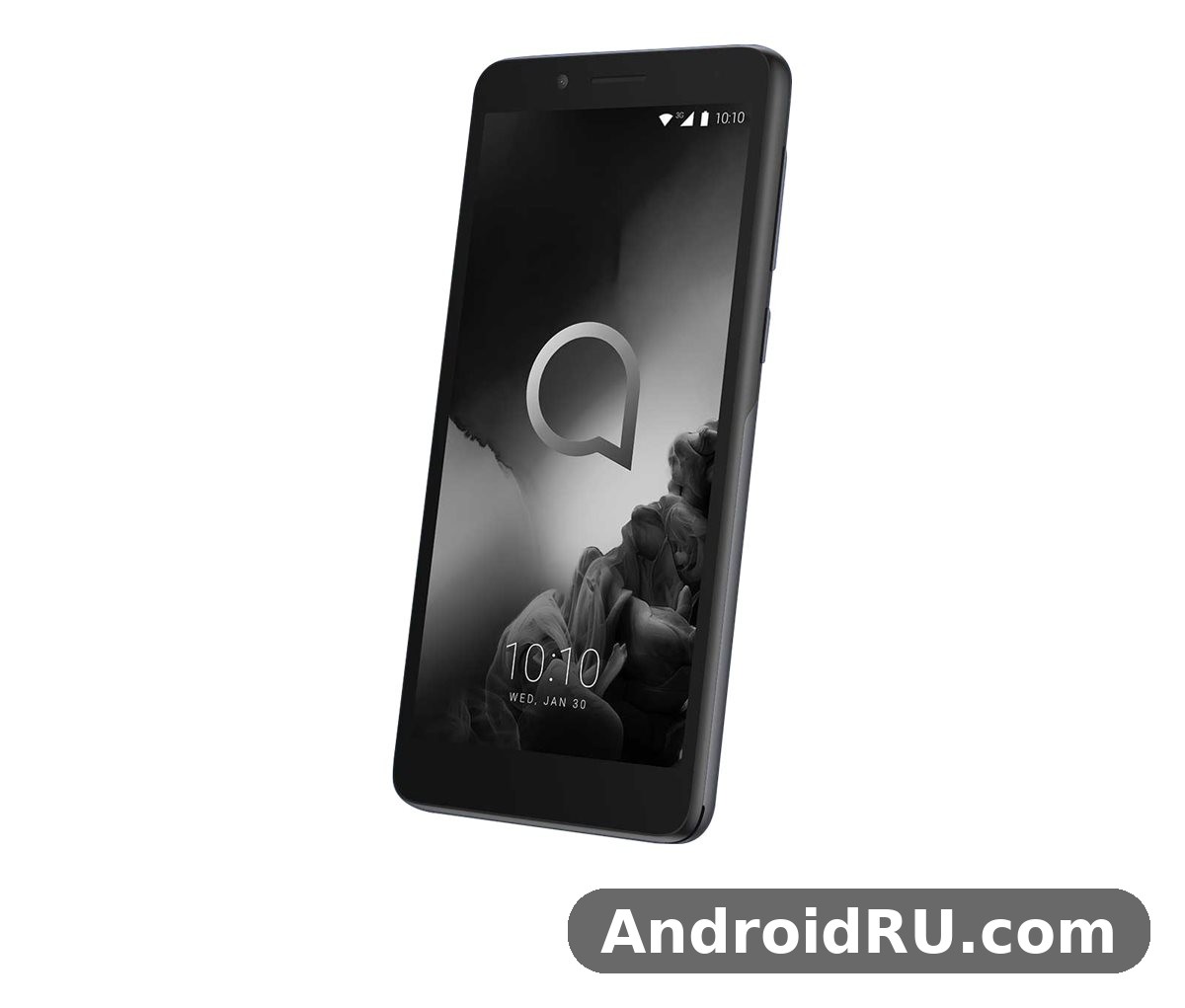
Readers searching for an alcatel 1c 2019 full specifications and review will find the complete hardware list further down this page, in the Full Specifications table, together with honest notes on software, build, screen, camera and battery. The short version is that the phone trades power for price and simplicity. It runs Android 8.1 Oreo in its Go edition, uses a quad-core Spreadtrum chip, and keeps its storage small at 8GB, with a microSD slot to make up the difference. If you need a phone for heavy games, long video editing or dozens of apps open at once, this is not the right device. If you need a phone that makes calls, sends messages, plays FM radio and opens a map without fuss, the alcatel 1c (2019) deserves a fair hearing.
alcatel 1c (2019) at a Glance
The alcatel 1c release date was the first quarter of 2019, a few weeks after its CES announcement on 8 January 2019, and the alcatel 1c 2019 price in Europe at launch was around 70 euros. That price set the tone for everything about the phone. Alcatel aimed it at buyers who wanted a new smartphone for as little money as possible, including first-time smartphone owners and people who wanted a spare handset. It sat below the alcatel 1, the alcatel 1x (2019) and the alcatel 1s in the 2019 line-up, and its hardware reflects that position in every area, from the 480p screen to the single 5MP rear camera.
For a quick sense of the alcatel 1c specs, the headline numbers are a 5.0-inch IPS LCD display with a resolution of 480 by 960 pixels, a Spreadtrum SC7731E chipset with a quad-core 1.3 GHz Cortex-A53 processor, 1GB of RAM, 8GB of internal storage, a 5MP rear camera, a 2MP front camera, a 2000mAh removable-style battery in a sealed body, and Android 8.1 Oreo Go edition. The phone measures 136.6 by 65.3 by 10 mm and weighs 148 grams, so it is compact and light by any standard, and it fits easily in one hand or a small pocket. It was sold in black, blue and pink, with a plain plastic body and a removable-feeling back texture that gives a little grip.
An alcatel 1c unboxing from that year showed the same simple contents: the phone, a charger, a micro USB cable and a quick start guide. An alcatel 1c 2019 unboxing and first impressions review from the launch period would have found a simple box: the phone, a charger, a micro USB cable and a quick start guide. There was nothing fancy in the package, and that matched the phone itself. The first thing a new owner noticed was the size. At 5.0 inches with an 18:9 screen, the phone felt narrow and easy to hold, even for small hands. The second thing was the software. Android Go opened quickly to a clean home screen, with light versions of Google apps that were designed to use less data and less memory. For a buyer coming from a feature phone, that first impression was friendly rather than overwhelming.
Software and Android Go Experience
The alcatel 1c software story starts with Android 8.1 Oreo in its Go edition, and any honest alcatel 1c 2019 Android Go edition performance review has to judge the phone on Go terms, not on flagship terms. Android Go was Google’s answer to phones with 1GB of RAM: a lighter build of Android with smaller apps, tighter data controls and a simpler interface. On this phone it works as intended for basic tasks. Calls, texts, contacts, the clock and the calculator open without delay, and the home screen stays tidy because Go apps take up little space.
The alcatel 1c 2019 Google Go apps preinstalled list includes Google Go, Gmail Go, Maps Go, YouTube Go and the Go version of the Google Assistant, alongside the standard Play Store in its light form. These apps load faster and use less mobile data than their full versions, which matters on a phone with limited memory and a small battery. YouTube Go, for example, lets a user pick a low video quality before playing, and Maps Go runs in a lighter mode that still gives directions. The trade-off is that Go apps have fewer features. You cannot expect the full editing tools of regular apps, and some third-party apps will still feel heavy on 1GB of RAM.
Android 8.1 Oreo Go Edition in Daily Use
The alcatel 1c Android Go setup keeps the interface close to stock Android, with an app drawer, a notification shade and a settings menu that will feel familiar to any Android user. There is little extra software on top, which is a good thing on a phone with only 8GB of storage. The system takes a share of that storage, so a new owner has only a few gigabytes free before adding a microSD card, and that is why the card slot matters so much. Adding a card for photos and music is almost essential if the phone is used every day.
The alcatel 1c 2019 software update and Android version details are simple and should be stated plainly: the phone shipped with Android 8.1 Oreo Go edition and was not a candidate for later major Android upgrades. Owners should not expect Android 9, 10 or later on this model. Security patches were limited, as is common for entry-level phones of this era. That is part of the honest picture for a 2019 classic. The phone still works for calls, offline music, FM radio and light apps, but it is not a good choice as a primary phone for banking or sensitive accounts in 2026, because its software is old and unpatched.
Living with 1GB of RAM
Learning how to use alcatel 1c 2019 with 1GB RAM means learning to keep things light. One or two apps at a time work well. A browser with a single tab, a messaging app and the music player can run side by side without much trouble. Open a third heavy app, and the phone will slow down or reload the earlier app when you return to it. This is normal for 1GB of RAM, and it is not a fault in this particular unit. Owners get the best results by closing apps they are not using, keeping the home screen free of live widgets, and avoiding large social media apps in favour of their Go or Lite versions where those exist.
What 1GB of RAM Means for Multitasking
Multitasking on this phone is best kept modest. Switching between a call and a text message is smooth. Switching between a map, a browser and a camera will take longer, and the camera may need a moment to reopen. The alcatel 1c performance in this area is adequate for a basic user, and that is the audience the phone was built for. A parent buying a first phone, a traveller wanting a spare, or an older user who wants calls and messages will find the pace acceptable. A power user who keeps ten apps open will not.
Keeping the Phone Responsive
A few habits keep the phone responsive. Restart it once a week, keep at least 1GB of internal storage free, and move photos to the microSD card. Turn off auto-sync for apps that are not needed, and keep the number of installed apps small. These steps sound basic, yet they make a real difference on a Go edition phone. The alcatel 1c Go edition was designed around this kind of light use, and it rewards owners who respect its limits rather than fighting them.
Build Quality and Design
The alcatel 1c design is plain, practical and honest. The body is plastic, the back has a fine texture that resists fingerprints, and the edges are rounded so the phone sits comfortably in the hand. There is no glass back, no metal frame and no fingerprint sensor, which keeps the cost down and keeps repairs simple. The alcatel 1c 2019 build quality plastic body durability test in everyday terms is that the phone survives drops onto carpet and short falls onto a table far better than a glass phone would, while the screen can still crack if it lands face down on concrete, so a cheap case and a screen protector are sensible additions.
The alcatel 1c 2019 available colours black blue and pink gave buyers a small choice without adding cost. Black looks the most discreet, blue is the brightest of the three, and pink suits buyers who want a softer finish. All three use the same plastic body and the same textured back. The phone feels light at 148 grams, and its thickness of 10 mm makes it feel a little chunky next to thinner phones, yet that thickness also makes it easy to grip. For a phone that costs around 70 euros, the build feels solid enough, with no creaks from the back cover and buttons that click firmly.
Buttons, Ports and Layout
The alcatel 1c 2019 volume buttons and headphone jack location follow the usual budget layout. The power button and volume rocker sit on the right edge, within easy reach of the thumb, and the 3.5 mm headphone jack sits on the top edge, so wired earphones plug in without blocking the hand. The micro USB port sits on the bottom edge for charging and data, and the speaker grille sits on the back near the bottom. The rear camera and its small LED flash sit in the top corner of the back, with the alcatel logo in the centre. Nothing about the layout surprises, and that is a strength for a first-time user.
Colours, Grip and One-Hand Use
One-hand use is one of the best features of this phone. The 5.0-inch screen and the narrow 65.3 mm width mean most people can reach the top of the screen with a thumb, and the textured back stops the phone slipping. The alcatel 1c colours all share that same grip, and the phone can be used for a call, a text or a quick photo with one hand. For older users or for anyone who dislikes large phones, this compact size is a genuine advantage that larger budget phones of later years lost.
Display, Audio and Everyday Use
The alcatel 1c display is a 5.0-inch IPS LCD panel, and the alcatel 1c 2019 display quality 5 inch IPS LCD is best described as clear for text and simple video, with limits that show in bright sunlight and in fine detail. The alcatel 1c 2019 screen resolution 480 by 960 pixels gives a tall 18:9 shape, so web pages and message threads show a good amount of content when scrolled, while photos and video look soft rather than sharp. Colours are natural rather than vivid, viewing angles are decent for an IPS panel, and brightness is enough indoors but weak outdoors at noon.
For everyday use, the screen is fine for reading messages, checking the time, following a map and watching a short clip. It is not a screen for long film sessions or for reading small print for hours, and owners who want a larger, sharper display should look at a bigger model in the same family. A reader who wants a wider view of the 2019 line-up can compare this phone with its close sibling in Breaking Down the alcatel 1x (2019): Review, Charging Speed and Full Specs, which had a larger screen and more memory, while the entry-level alcatel 1 is covered in Getting to Know the alcatel 1: Review and Detailed Specs.
Sound, Calls and FM Radio
The alcatel 1c 2019 call quality and speaker sound test comes down to two parts: the earpiece for calls, and the rear speaker for ringtones and media. The earpiece is clear for normal calls, with voices that sound natural and a volume level that works in a quiet room and on a street. The rear speaker is loud enough for a ringtone in a bag, but it sounds thin for music, with little bass and a tendency to distort at full volume. Wired earphones through the 3.5 mm jack sound much better, and that is the way to listen to music on this phone.
The alcatel 1c audio experience is best with wired earphones, which sound much clearer than the rear speaker. The alcatel 1c 2019 FM radio support and audio playback is a useful bonus for a basic phone. The FM radio works with wired earphones acting as the aerial, and it gives free live radio without using mobile data. Music playback from a microSD card is also smooth, and the phone handles common audio formats without trouble. For a user who wants radio and stored music on a cheap handset, this combination is practical and costs nothing extra.
Performance, Battery and Connectivity
The alcatel 1c chipset is the Spreadtrum SC7731E, a quad-core chip running at 1.3 GHz with Cortex-A53 cores, and the alcatel 1c 2019 Spreadtrum SC7731E processor performance test shows a chip that handles basic tasks steadily but has no headroom for heavy work. Opening the dialler, the contacts list and the camera takes a second or two, and scrolling through a simple web page is smooth once the page has loaded. Games beyond the simplest puzzles will stutter, and video at 720p plays while video at higher resolutions is not realistic on this screen or this chip.
The alcatel 1c performance is therefore a story of limits accepted gracefully. The phone does not pretend to be fast, and for calls, messages, light browsing and radio it does not need to be. Storage is the tighter limit for many owners. The alcatel 1c storage is 8GB in total, with only part of that free after the system, so the alcatel 1c 2019 microSD card expandable storage support matters a great deal. A card of 32GB or 64GB gives room for photos, music and offline maps, and it turns the phone from a cramped device into a usable one. The card slot is a dedicated slot, so it does not force a choice between a second SIM and extra storage on the dual SIM version.
Battery Life and Charging
The alcatel 1c battery is a 2000mAh unit, and the alcatel 1c 2019 battery life with 2000mAh battery is modest but workable for light use. A day of calls, a few dozen messages and a short spell of browsing will leave charge in the evening, while a day of maps, video and mobile data will need a top-up before bedtime. The small screen and the light Go software help the battery last longer than the raw number suggests, and turning down brightness and keeping mobile data off when it is not needed adds useful hours.
The alcatel 1c 2019 charging time with micro USB port is slow by modern standards, at around two to three hours for a full charge from empty with the charger supplied in the box. There is no fast charging on this model, and the micro USB port is the older standard rather than USB-C. Owners should keep the cable that came with the phone or a good spare, and charge overnight for a full day of use. A portable charger helps on long days away from a socket.
Connectivity and Sensors
The alcatel 1c connectivity covers the basics: Wi-Fi, Bluetooth, GPS and FM radio, with 3G and 4G LTE on the network side. The alcatel 1c 2019 WiFi Bluetooth and GPS connectivity features are enough for home Wi-Fi, a Bluetooth headset or speaker, and turn-by-turn directions in Maps Go. GPS locks take a little longer than on faster phones, so it helps to open the map a minute before setting off. The alcatel 1c 2019 dual SIM variant network bands list includes the common European LTE bands for its market, with dual SIM on the variant sold in some regions, and the alcatel 1c SIM tray takes a Nano-SIM, with a second Nano-SIM on the dual SIM version.
The alcatel 1c 2019 sensors accelerometer proximity sensor list is short: an accelerometer and a proximity sensor. There is no fingerprint sensor, no compass and no gyroscope, so the phone cannot do fingerprint unlock or precise compass directions, and some augmented reality apps will not work. For a basic phone this is acceptable, and the two sensors that are present cover the essentials: screen rotation and turning the screen off during a call. The alcatel 1c sensors are therefore few but fit for the purpose of the phone.
Camera
The alcatel 1c camera setup is simple: a single 5MP camera on the back with an LED flash, and a 2MP camera on the front. The alcatel 1c 2019 camera quality 5 megapixel rear camera is best judged in daylight, where it takes clear photos of people, pets and street scenes with natural colours and enough detail for sharing on a message app. In low light the photos become noisy and soft, and the small sensor struggles with indoor scenes unless the flash is used. There is no portrait mode, no night mode and no optical zoom, so the camera is a tool for quick snaps rather than for careful photography.
The alcatel 1c video recording is limited to 720p, and the alcatel 1c 2019 video recording 720p rear camera test gives a similar picture. Video at 720p records smoothly in good light, with sound that is clear enough for a short clip of a family moment or a street scene. The footage shakes without stabilisation, so holding the phone with two hands or resting it on a surface helps. Owners should not expect 1080p video or slow-motion modes, and the 2MP front camera is for video calls rather than for detailed selfies.
Rear Camera in Daylight and Low Light
In daylight, the rear camera focuses quickly for a budget phone and gives usable photos for social sharing. Colours stay close to real life, and the flash helps for close subjects indoors. In low light, the advice is to keep the phone steady, use the flash for people within a few metres, and accept that distant night scenes will look grainy. A steady hand matters more on this phone than on a phone with a larger sensor, and a cheap mini tripod can improve evening shots.
Front Camera and Video Calls
The alcatel 1c 2019 front camera 2 megapixel selfie samples show soft, bright photos that are fine for a profile picture or a video call, but they lack fine detail when cropped or printed. Video calls over Wi-Fi work well, with a clear image in a lit room and a voice that carries through the microphone. For a phone of this price, the front camera does its job. Readers who want a stronger camera in the same 2019 range can look at alcatel 1s: Design, Audio and Full Specifications in Detail, which offered a dual rear camera, and at the wider family in Our alcatel 3 (2019) Review: Usability, Audio and Detailed Specs.
Full Specifications
This alcatel 1c 2019 full specifications and review table gathers every key number in one place, so readers can check the alcatel 1c specs without scrolling through the whole article. All figures match the launch data for the 2019 model, and the notes after the table explain the few points where the phone differs between regions, such as the dual SIM variant.
| Feature | alcatel 1c (2019) |
|---|---|
| Announced | January 2019 (CES, 8 January 2019) |
| Released | Q1 2019 |
| Display | 5.0-inch IPS LCD, 480 x 960 pixels, 18:9 |
| Chipset | Spreadtrum SC7731E |
| Processor | Quad-core 1.3 GHz Cortex-A53 |
| RAM | 1GB |
| Storage | 8GB, microSD card slot |
| Rear camera | 5MP, LED flash, 720p video |
| Front camera | 2MP |
| Battery | 2000mAh |
| Operating system | Android 8.1 Oreo (Go edition) |
| SIM | Nano-SIM, dual SIM variant in some regions |
| Connectivity | Wi-Fi, Bluetooth, GPS, FM radio, micro USB, 3.5 mm jack |
| Sensors | Accelerometer, proximity sensor |
| Dimensions | 136.6 x 65.3 x 10 mm |
| Weight | 148 grams |
| Colours | Black, blue, pink |
| Launch price | Around 70 euros |
The alcatel 1c dimensions are 136.6 by 65.3 by 10 mm, and the alcatel 1c weight is 148 grams, which makes it one of the lighter phones of its year. The alcatel 1c 2019 weight 148 grams dimensions and thickness are worth noting because they explain the phone’s easy grip and pocket-friendly size. The alcatel 1c microSD slot accepts cards that expand storage well beyond the built-in 8GB, and the alcatel 1c 2019 SAR value and safety information details were published with the launch data for each region, so buyers in Europe could check the head and body SAR figures in the official paperwork for their market.
An alcatel 1c 2019 vs alcatel 1x 2019 comparison shows the gap between the cheapest and the next model up. The 1x (2019) had a larger display, more RAM and a fingerprint sensor, while the 1c kept the price low by cutting those extras. The alcatel 1c vs 1x choice therefore comes down to budget: the 1c for the lowest price and the simplest use, the 1x for a little more speed and screen. A different kind of compact alternative from the same year is the Tetra, covered in The alcatel Tetra Explained: Review, Features and Detailed Specs, which was aimed at a similar basic market through carriers.
Pros and Cons
This alcatel 1c pros cons summary is short on purpose. The phone has clear strengths for its price and clear limits that a buyer should know before spending money. The alcatel 1c 2019 hands on review for basic users found that the strengths show in daily use, while the limits show when the phone is asked to do more than it was built for.
What We Liked
The price is the first strength. At around 70 euros at launch, the phone gave a new Android Go handset for the cost of a basic feature phone. The compact size is the second strength, with a 5.0-inch screen that fits one hand and a light 148 gram body. The third strength is the clean Go software, which keeps the phone simple and light on data. The fourth is the FM radio and the headphone jack, which give free radio and wired audio without extra cost. The fifth is the microSD slot, which fixes the small 8GB storage for photos and music.
What Could Be Better
The limits start with 1GB of RAM, which slows the phone when several apps are open. The 8GB of storage is small without a card, and the 2000mAh battery needs a charge every day for regular use. The 480p screen looks soft next to sharper displays, the 5MP camera struggles in low light, and the old Android 8.1 software received no major upgrade. The micro USB port charges slowly, and there is no fingerprint sensor. None of these limits is a surprise at this price, yet a buyer should weigh them against the low cost.
FAQ
This alcatel 1c FAQ answers the questions buyers still ask about this 2019 classic, from its release date to its battery, its camera and whether it is still worth buying in 2026.
When was the alcatel 1c (2019) released?
The phone was announced on 8 January 2019 at CES and released in the first quarter of 2019. The alcatel 1c 2019 release date therefore falls in early 2019, and the phone went on sale in Europe at around 70 euros. It was the cheapest model in the alcatel 2019 family at launch.
Is the alcatel 1c (2019) still worth buying in 2026?
The question is alcatel 1c 2019 still worth buying in 2026, and the honest answer depends on the use. As a second phone, a spare, a radio and music player, or a first phone for a child with light use, a cheap used unit can still serve. As a main phone for banking, work apps and daily social media in 2026, it is not a good choice, because its Android 8.1 software is old, its 1GB of RAM is tight, and its battery is small. Buy it only for basic use, and only at a very low price.
How much RAM and storage does the alcatel 1c (2019) have?
The phone has 1GB of RAM and 8GB of internal storage. The alcatel 1c RAM is fixed at 1GB, so multitasking stays light, and the alcatel 1c storage can be expanded with a microSD card for photos, music and offline maps. Keeping the internal storage free and moving media to the card is the best way to keep the phone running smoothly.
What is the battery life of the alcatel 1c (2019)?
The alcatel 1c battery is 2000mAh, and it lasts a day of light use with calls, messages and a little browsing. Heavy use with maps, video and mobile data will drain it faster, and a top-up before the evening helps. Charging takes around two to three hours over micro USB, so overnight charging is the simplest routine for this phone.
How do I set up and reset the alcatel 1c (2019)?
The alcatel 1c 2019 factory reset and setup guide for beginners is simple. For setup, insert the SIM and microSD card, turn the phone on, connect to Wi-Fi, sign in with a Google account, and let the Go apps update. For a factory reset, open Settings, go to System, then Reset options, then Erase all data, and confirm. Back up photos and contacts first, because a reset erases everything on the phone, and remove the Google account before handing the phone to a new owner.
The alcatel 1c (2019) is best remembered as a classic entry-level phone that did a small job well. It gave buyers a compact Android Go handset at around 70 euros, with a clear screen for basic tasks, a simple camera, FM radio, a headphone jack and a microSD slot. Its limits are real: 1GB of RAM, 8GB of storage, a 2000mAh battery and old software. Its strengths are also real: a low price, a small size, clean software and an honest focus on calls, messages and light apps. For the right buyer, that trade still makes sense, as long as the price is low and the expectations are set by what the phone was built to do in 2019.

 review: Android Go software, plastic build, 5-inch display, 1GB RAM, 5MP camera and 2000mAh battery, plus full specs, pros, cons and FAQ.)