

Getting to Know the alcatel 1: Review and Detailed Specs
The alcatel 1 arrived in July 2018 as a simple, low-cost phone for people who wanted the basics done well. It was announced in July 2018 and released in the same month, which made it easy to place in the timeline of that year. A phone built for basic tasks, at a price most buyers could reach. This alcatel 1 review with MediaTek MT6739 processor performance in mind looks at the phone as a 2018 budget classic, not as a rival to later phones with larger screens, faster chips, or bigger batteries. The alcatel 1 release came at a time when Android Go was new, small screens were still common, and a phone with 1GB of RAM could still handle calls, messages, maps, and light browsing when its software was kept lean.
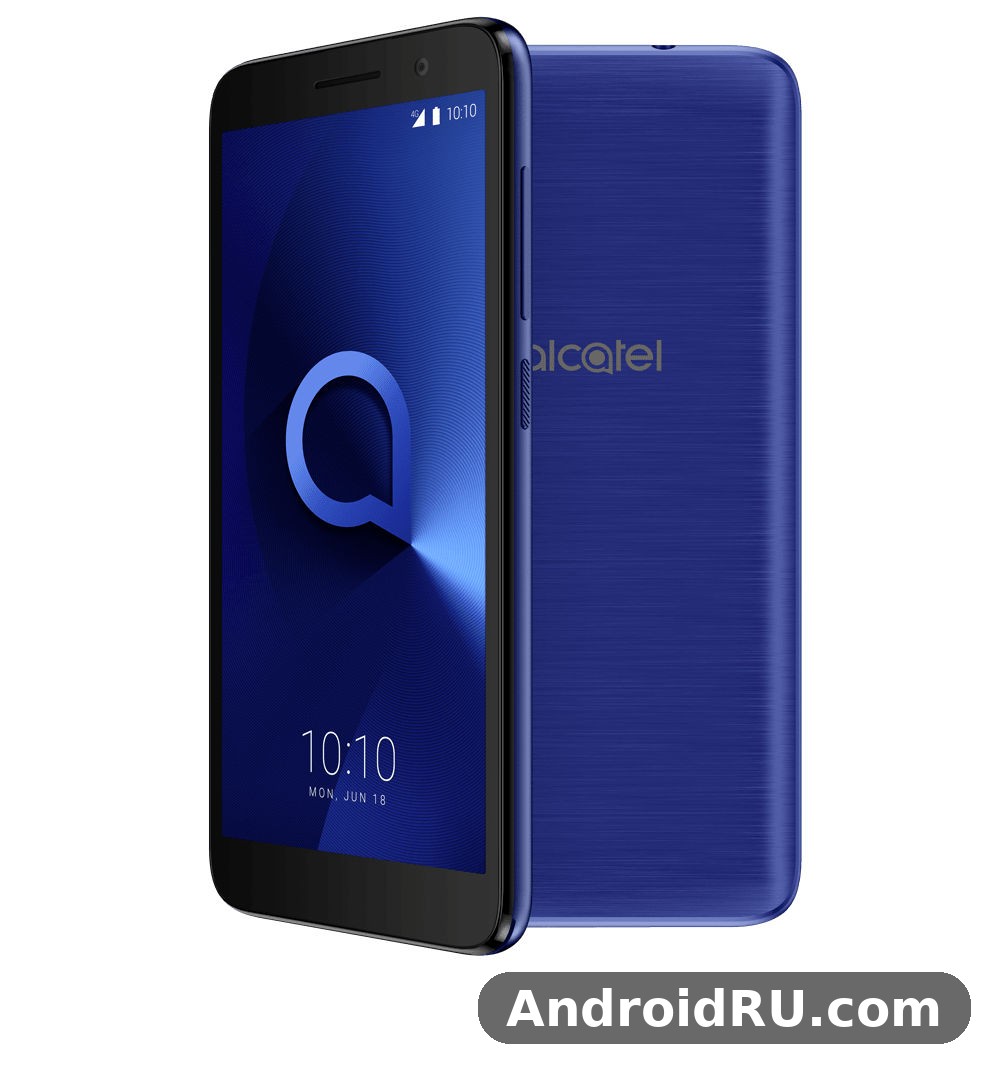
At launch, the alcatel 1 price in USD at launch in July 2018 was about 64 dollars, or around Rp 999.000 in Indonesia at the time. That low alcatel 1 price put it firmly in the entry-level group, where every part had to be chosen with care. The alcatel 1 specs with 5 inch display and Android Go show that balance clearly: a compact 5.0-inch screen, a quad-core chip, a small battery that could be removed, and a light version of Android made for modest hardware. Readers who want a close relative from the next year can read Our alcatel 1c (2019) Review: Software, Build Quality and Detailed Specs to see how the family changed one year later.
This guide covers the alcatel 1 design, the alcatel 1 display, the alcatel 1 performance, the alcatel 1 camera, the alcatel 1 battery, and the alcatel 1 software in plain language. It also includes the alcatel 1 full specifications table for budget phone buyers who want every number in one place, plus the alcatel 1 pros and cons for first time users who are weighing a very simple phone against a more capable one. The phone is now listed as discontinued, so this is a look back at a device from its own era, with its strengths and limits described as they were in 2018.
Design and Build
The alcatel 1 design review with lightweight 134 gram body as its starting point is a story of comfort and simplicity. At 134 grams, the phone felt light in the hand and easy to carry in a pocket, a jacket, or a small bag. The alcatel 1 weight was low enough that long calls did not tire the hand, and the compact frame made one-handed use natural for most people. The alcatel 1 dimensions 137.6 x 65.7 x 9.8 mm tell the same story in numbers: a narrow body, a modest height, and a thickness of 9.8 mm that was normal for a low-cost phone of its time.
The alcatel 1 dimensions and the curved plastic back gave the phone a friendly grip. There was no glass back and no metal frame to add weight or cost, and the plastic shell kept the price low while making the phone less fragile in a short fall than a glass phone would have been. The alcatel 1 unboxing experience with removable back cover was part of that practical design, because the back could be taken off to reach the battery, the SIM slots, and the memory card slot. That kind of access is rare in later phones, and it made the alcatel 1 feel like a tool that its owner could open and service in a simple way.
Lightweight Body and Dimensions
The alcatel 1 weight of 134 grams and the slim width of 65.7 mm made the phone easy to hold, type on, and slip into a pocket. A narrow phone is easier to reach across with one thumb, and the 5.0-inch screen kept the whole device small enough for a child, an older user, or anyone who wanted a second phone for calls and messages. The 9.8 mm thickness gave the shell enough room for a removable battery without making the phone feel bulky, and the rounded edges helped the plastic body sit well in the palm.
Colors and Materials
The alcatel 1 colors included black, blue, and gold finishes, so buyers could pick a plain look or a brighter one without paying more. The plastic back had a soft texture that resisted fingerprints better than glossy glass, and the simple finish matched the honest, low-cost character of the phone. There was no water resistance rating and no premium material on show, which was expected at this price, and the design stayed focused on being light, cheap, and easy to use every day.
Removable Back Cover
The removable back cover was one of the most useful parts of the design. It let the owner take out the battery, swap a SIM, or add a memory card without tools. For a budget phone, that access mattered: a tired battery could be replaced, and a full memory card could be changed for a larger one. The cover clicked back into place with a firm fit, and the phone kept its neat, rounded shape once it was closed. Simple access was part of the design, not an afterthought.
Display
The alcatel 1 display quality with 480×960 TFT LCD panel was modest, and that was the right trade for the price. The 5.0-inch TFT LCD screen used a resolution of 480 by 960 pixels in an 18:9 shape, which gave a taller view than the older 16:9 screens and made scrolling through messages, news, and contacts feel more natural. The alcatel 1 screen was not sharp by the standards of mid-range phones, yet text stayed readable and icons stayed clear at normal viewing distance.
The alcatel 1 display used TFT LCD technology, so colors looked plain rather than vivid, and viewing angles were narrower than on more expensive panels. That is normal for a phone at this level, and the screen still did its main jobs well: showing calls, messages, photos, and simple apps with enough brightness for indoor use. The alcatel 1 screen brightness outdoors under sunlight conditions was limited, so reading in strong sun needed shade or a higher brightness setting, and the small screen made video a casual activity rather than a main feature.
Screen Size and Resolution
A 5.0-inch screen with 480 by 960 pixels gives about 215 pixels per inch, which is enough for large, clear text and simple images. The 18:9 ratio gave a little more vertical room for lists and chats, and the compact size kept the phone easy to hold while reading. For a first phone, a phone for a child, or a spare phone, that size was a good fit: big enough to use comfortably, small enough to carry anywhere.
Brightness and Outdoor Use
Outdoor use was the weakest part of the screen. In bright daylight, the TFT panel could look washed out, and the owner often needed to raise brightness to the top level to read messages. Indoors, the screen was fine for calls, browsing, and photos, and the plain color balance kept the display easy on the eyes for long reading sessions. A simple screen protector and a sensible brightness setting helped the phone serve its daily role without fuss.
Performance and Software
The alcatel 1 performance came from the MediaTek MT6739, a 28 nm chip with four Cortex-A53 cores running at 1.28 GHz and PowerVR GE8100 graphics. The alcatel 1 chipset was built for efficiency and low cost, not for heavy games or fast multitasking, and the alcatel 1 processor handled calls, messages, email, maps, and light apps at a steady, unhurried pace. The alcatel 1 quad core Cortex A53 processor benchmark expectations should stay modest: this chip was made for basic tasks, and it did those tasks reliably when the phone was not loaded with too many apps at once.
The alcatel 1 1GB RAM performance for everyday apps depended on Android Go, the light version of Android 8.1 Oreo that was made for phones with 1GB of RAM. The alcatel 1 Android 8.1 Oreo Go edition features included lighter Go versions of Google apps, a smaller system footprint, and tools that helped save data and space. The alcatel 1 software was simple and clean, with a plain home screen, a small app drawer, and settings that were easy to find. The alcatel 1 PowerVR GE8100 graphics performance for light games was enough for casual titles and simple 2D games, while demanding 3D games ran slowly or not at all, which was expected at this price.
Readers who want to see how a close model from the same family handled its own hardware can read The alcatel Tetra Explained: Review, Features and Detailed Specs. The Tetra shared the same low-cost spirit, and the comparison helps show why the alcatel 1 was aimed at buyers who wanted the lowest price and the simplest experience. The alcatel 1 features were never about speed records; they were about giving a first-time user a phone that worked, stayed affordable, and did not demand much learning.
Processor and Graphics
The MediaTek MT6739 used four Cortex-A53 cores at 1.28 GHz, a design that favored battery life and low heat over raw speed. The chip could open a browser, play a song, and send a message without trouble, and it switched between a small number of apps at a fair pace. The PowerVR GE8100 handled the screen, video playback, and light games, and it kept the interface smooth when animations were kept simple. Heavy apps, large web pages, and several apps running at once could slow the phone down, and that slowdown was the clearest sign of its entry-level hardware.
RAM and Storage
The alcatel 1 storage options with 8GB and 16GB models gave buyers a small choice at the shop, and the alcatel 1 RAM stayed at 1GB in both versions. The alcatel 1 storage was tight by any later standard: after the system and its apps, only a small amount of room was left for photos, music, and extra apps. The alcatel 1 microSDHC card slot expandable storage support solved part of that problem, because a memory card could hold photos, music, and offline maps while the internal space was kept for apps. The alcatel 1 RAM of 1GB meant the owner had to be tidy: closing apps that were not in use, keeping the home screen simple, and avoiding large apps that needed more memory.
Android Go Experience
Android Go was the key to making 1GB of RAM work. The Go edition used lighter apps, smaller updates, and data-saving settings, so the phone could run the essentials without filling its memory. The interface was plain and friendly, with large icons, clear menus, and a simple setup flow for a new user. The alcatel 1 software updates after Android Oreo Go were limited, as is common for low-cost phones, and owners should treat Android 8.1 Oreo Go edition as the phone’s lasting software, not as a starting point for later major updates.
Camera
The alcatel 1 camera review with 5MP rear camera as its main point shows a camera made for quick, simple photos. The alcatel 1 camera on the back used a 5-megapixel sensor with an LED flash, autofocus, and 720p video recording, which was enough for daylight snapshots, photos of friends, and pictures of notes, receipts, or documents. In good light, photos looked clear and natural, with plain colors and enough detail for sharing on a message app or a social feed.
In low light, the small sensor showed its limits: photos became grainy, details softened, and the flash helped only at close range. That is normal for a budget camera, and the alcatel 1 camera still served its purpose as a handy, always-available camera for everyday moments. The alcatel 1 front camera with 2MP selfie photo quality was basic, with a 2-megapixel sensor that took simple selfies and handled video calls at a modest quality. It was not made for detailed portraits, yet it worked for a quick photo or a call with family.
Rear Camera
The rear camera used a 5MP sensor, an LED flash, and autofocus, with video at 720p and 30 frames per second. Daylight photos were the best use case: outdoor scenes, family gatherings, and street photos came out bright and usable. The camera app was simple, with a large shutter button, a switch for the flash, and a few basic modes, so a new user could take a photo without learning a complex menu. For a budget phone in 2018, that simplicity was a strength.
Front Camera
The front camera used a 2MP sensor and also recorded 720p video, which made it suitable for video calls and simple selfies. In bright light, selfies looked clear enough to share, while indoor photos needed good room light to avoid grain. There was no portrait mode or advanced beauty filter to learn, and the camera stayed focused on the basics: a face, a smile, and a quick photo to send.
Battery and Connectivity
The alcatel 1 battery life with 2000 mAh removable battery was shaped by the small screen, the efficient chip, and the light software. The alcatel 1 battery held 2000 mAh, which sounds small next to later phones, yet the phone did not need much power: a 5.0-inch screen at low resolution, a quad-core chip at 1.28 GHz, and Android Go apps that used little energy. With light use — calls, messages, and a little browsing — the phone could last through a normal day, and with very light use it could stretch further.
The removable battery was a practical bonus. When the battery grew tired after long use, it could be swapped for a fresh one, and a spare battery could be carried for a long trip. The alcatel 1 microUSB charging port and connectivity options were standard for 2018: a microUSB port for charging and data, a 3.5 mm headphone jack for wired earphones, and an FM radio that worked with earphones as its antenna. The alcatel 1 connectivity included Wi-Fi, Bluetooth 4.2, GPS, and 4G LTE, so the phone could browse, share files, navigate, and use mobile data at a fair pace for its class.
The alcatel 1 Bluetooth 4.2 and WiFi connectivity specifications covered the essentials: Wi-Fi 802.11 b/g/n, Bluetooth 4.2 with A2DP and LE, GPS with A-GPS, and a microUSB 2.0 port. The alcatel 1 dual SIM nano SIM card support details mattered for buyers who used two numbers: the phone could hold two nano-SIM cards, or one SIM plus a memory card in some layouts, so the owner could keep work and personal numbers on one device. The alcatel 1 SIM setup was simple to manage in settings, with each line shown separately. The alcatel 1 FM radio support with headphone jack gave free radio without data, and the alcatel 1 speaker quality and audio output review notes a single loudspeaker that was loud enough for calls, alerts, and casual music, though it lacked bass and depth. The alcatel 1 audio came through that loudspeaker and the headphone jack, and both were clear enough for calls and casual listening.
Battery Life
Battery life depended on use. A day of calls, messages, and light browsing was realistic, while long video playback or constant mobile data use drained the 2000 mAh cell faster. The small screen helped, because it used less power than a large, high-resolution panel, and the Android Go apps used less data and less energy than their full versions. Keeping brightness low, closing unused apps, and using Wi-Fi where possible made the battery last longer, and the removable design meant a fresh cell was always an option.
Connectivity Options
Connectivity covered the daily needs of a 2018 budget phone. Wi-Fi handled browsing and updates at home, 4G LTE handled data on the move, Bluetooth 4.2 connected earphones and speakers, and GPS helped with maps and directions. The microUSB port charged the phone and moved files to a computer, and the headphone jack kept wired listening simple. There was no NFC, no fingerprint sensor, and no fast charging, which kept the price low and the feature list focused on the basics that most buyers actually used.
Full Specifications
The alcatel 1 full specifications table for budget phone readers is below. It gathers the confirmed facts from GSMArena in one place: the July 2018 announcement and release, the MediaTek MT6739 chip, the 5.0-inch display, the 1GB of RAM, the 8GB and 16GB storage options, the 5MP and 2MP cameras, and the 2000 mAh removable battery. Use this table to compare the alcatel 1 specs with other low-cost phones from the same year, and to check a single number without reading the whole guide again.
| Feature | Detail |
|---|---|
| Brand | alcatel |
| Model | alcatel 1 (2018) |
| Announced | July 2018 |
| Released | July 2018 |
| Status | Discontinued |
| Dimensions | 137.6 x 65.7 x 9.8 mm |
| Weight | 134 g |
| Build | Plastic body, removable back cover, removable battery |
| SIM | Dual SIM (Nano-SIM, dual stand-by) |
| Display type | TFT LCD |
| Display size | 5.0 inches |
| Display resolution | 480 x 960 pixels, 18:9 ratio, about 215 ppi |
| Operating system | Android 8.1 Oreo (Go edition) |
| Chipset | MediaTek MT6739 (28 nm) |
| CPU | Quad-core 1.28 GHz Cortex-A53 |
| GPU | PowerVR GE8100 |
| RAM | 1 GB |
| Internal storage | 8 GB or 16 GB |
| Card slot | microSDHC (dedicated slot) |
| Rear camera | 5 MP, autofocus, LED flash |
| Rear video | 720p at 30 fps |
| Front camera | 2 MP |
| Front video | 720p at 30 fps |
| Loudspeaker | Yes |
| Headphone jack | Yes, 3.5 mm |
| Wi-Fi | Wi-Fi 802.11 b/g/n, Wi-Fi Direct, hotspot |
| Bluetooth | 4.2, A2DP, LE |
| GPS | Yes, with A-GPS |
| FM radio | Yes |
| USB | microUSB 2.0 |
| Sensors | Accelerometer, proximity |
| Battery | Li-Ion 2000 mAh, removable |
| Colors | Black, Blue, Gold |
| Price at launch | About 64 USD, about Rp 999.000 |
For a later model in the same family, readers can compare these numbers with Breaking Down the alcatel 1x (2019): Review, Charging Speed and Full Specs, which shows how the 2019 model changed the screen, the battery, and the charging story. The alcatel 1 specs in the table above stay tied to 2018, and that date matters: a phone with 1GB of RAM, a 480 by 960 screen, and a 2000 mAh battery was a fair budget offer in July 2018, and it should be judged by the needs of that year, not by the needs of a flagship from a later year.
Pros and Cons
The alcatel 1 pros and cons for first time users come down to a simple trade: a very low price and a very simple phone, against hardware that limits what the phone can do. The alcatel 1 pros start with price, weight, and ease of use, while the alcatel 1 cons start with RAM, storage, and camera quality. A buyer who wants calls, messages, maps, and light browsing will find the pros easy to enjoy, while a buyer who wants games, large apps, or sharp photos will feel the cons quickly.
The alcatel 1 common problems with 1GB RAM limitations were the most frequent complaint: apps reloading, slow switching, and a need to keep the phone tidy. The alcatel 1 problems were not faults in a single unit; they were the natural result of 1GB of RAM and 8GB of storage in a phone that had to run a full operating system. Knowing that trade before buying is the best way to enjoy the phone for what it was made to do.
Pros
- Very low launch price of about 64 USD, or about Rp 999.000, for a complete 4G smartphone.
- Light 134 gram body and compact 5.0-inch size, easy to hold and carry all day.
- Removable 2000 mAh battery and removable back cover, rare and practical at this price.
- Android 8.1 Oreo Go edition, made for 1GB of RAM with lighter apps and data-saving tools.
- Dual SIM support, microSDHC expansion, FM radio, and a 3.5 mm headphone jack.
- Simple design and simple software, well suited to first-time users and children.
Cons
- Only 1GB of RAM, so multitasking is slow and apps reload often.
- Only 8GB or 16GB of internal storage, which fills up fast without a memory card.
- Low-resolution 480 by 960 TFT LCD screen with limited outdoor brightness.
- Basic 5MP rear camera and 2MP front camera, weak in low light.
- No fingerprint sensor, no NFC, and no fast charging.
- Discontinued, with limited software updates after Android Oreo Go.
The alcatel 1 fingerprint sensor absence and security options deserve a plain note: the phone relied on a PIN, pattern, or password, with no fingerprint reader and no face unlock to speed up unlocking. That kept the price low, yet it meant the owner had to type a code each time the phone was locked. For a simple phone, that trade was fair, and it matched the rest of the hardware: basic, honest, and focused on the essentials.
FAQ
When was the alcatel 1 released?
The alcatel 1 was announced in July 2018 and released in July 2018, so its launch and its arrival in shops happened in the same month. The alcatel 1 discontinued status and availability in 2026 is clear: the phone is discontinued, so new units are no longer sold through normal retail channels, and buyers in 2026 will find it only as a used or old-stock device. Its price at launch was about 64 USD, or about Rp 999.000.
Is the alcatel 1 good for everyday use?
For basic everyday use in its own era, yes: calls, messages, email, maps, music, and light browsing worked well on Android Go. The alcatel 1 best alternatives for budget buyers in 2018 included other low-cost Android Go phones, yet the alcatel 1 stood out for its low price, light body, and removable battery. The alcatel 1 alternatives in the same price range shared the same limits — 1GB of RAM, a small screen, and a basic camera — so the choice came down to price, size, and battery access. For heavy use, large apps, or demanding games, it was not a good fit, because 1GB of RAM and a quad-core 1.28 GHz chip could not keep up with that load.
Does the alcatel 1 have a removable battery?
Yes. The alcatel 1 battery is a Li-Ion 2000 mAh cell that can be removed after taking off the back cover. That design let owners replace a tired battery, carry a spare, and reach the SIM and memory card slots without tools. Battery life was fair for light use, thanks to the small screen and the efficient chip, though heavy use drained the small cell faster. A spare battery made long days easier.
How much storage does the alcatel 1 have?
The alcatel 1 came with 8GB or 16GB of internal storage, plus a microSDHC card slot for expansion. The 8GB model left little room after the system, so a memory card was almost essential for photos and music. The 16GB model gave a little more breathing room, yet it still needed care: large apps, many photos, and offline maps could fill it quickly without a card.
Does the alcatel 1 have a fingerprint sensor?
No, the alcatel 1 has no fingerprint sensor. Security relied on a PIN, pattern, or password, and there was no NFC for contactless payments. That absence kept the cost down and matched the phone’s simple role, and owners who wanted fast unlocking had to look at a more expensive model. For more detail on a larger sibling in the same brand family, see alcatel 7 Complete Specifications: Every Detail, From Design to Battery Life, and for a close small-screen relative, see alcatel 1s: Design, Audio and Full Specifications in Detail.
What is the difference between the alcatel 1 and the alcatel 1c (2019)?
The alcatel 1 vs alcatel 1c 2019 comparison differences start with date and software: the alcatel 1 came in July 2018 with Android 8.1 Oreo Go edition, while the 1c arrived in 2019 with a later setup and small changes to its build and software. Both phones shared the same low-cost idea — a small screen, modest hardware, and a low price — yet the 1c refined the formula for the next year. Buyers choosing between them should compare the exact storage, camera, and battery numbers for the unit in front of them, because small changes in those areas matter more than the name on the box.

