

Xiaomi 12 Review: Build Quality, Software and Daily Speed
The Xiaomi 12 arrived at the end of 2021 with a clear pitch: flagship speed in a phone that actually fits in one hand. Announced on 28 December 2021 and released on 31 December 2021 in China, it paired the Snapdragon 8 Gen 1 with a 6.28-inch AMOLED display, a 50MP main camera with OIS and 67W charging, all in a body that weighs 179 grams. Four years later it is no longer the newest Xiaomi phone, yet it keeps showing up in second-hand listings and comparison searches, because the hardware still covers the basics well and the price has fallen a long way from its launch level.
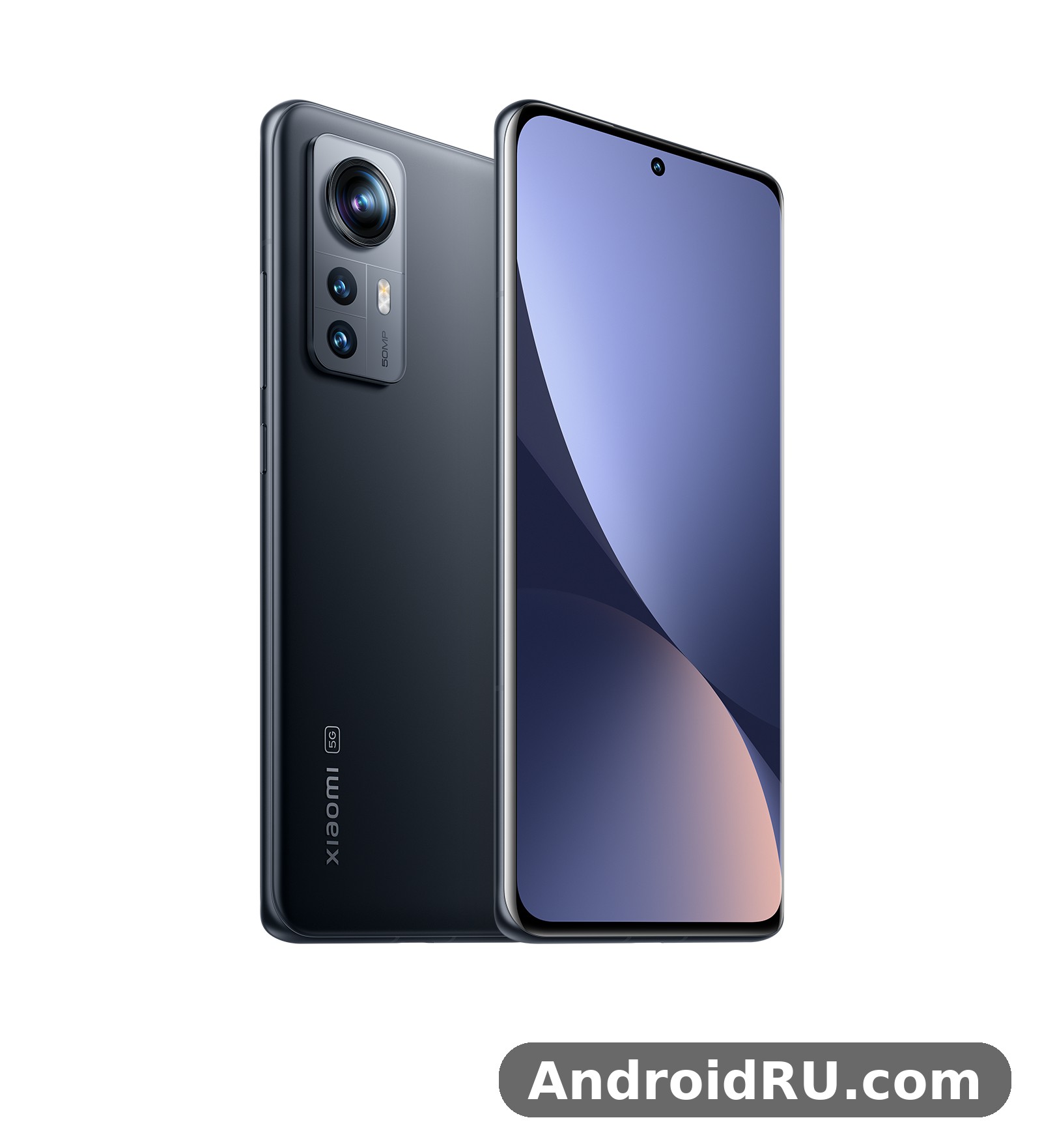
This Xiaomi 12 review looks at the three things the title promises: how the phone is built, how its software behaves after years of updates, and how fast it feels in ordinary daily use. Along the way it covers the display, the cameras, the battery and the charging, and it finishes with the full specification table, a head-to-head comparison with the 12 Pro, and a straight answer to the question every reader is really asking: is Xiaomi 12 worth buying in 2026? The short answer is that it depends on the price you pay and on what you expect from the cameras, and the detail below explains why.
A note on how this review is put together: every specification figure comes from the published specification sheet for this exact model, the standard Xiaomi 12, model numbers 2201123G and 2201123C. It is not the 12 Pro, not the 12S and not the 12X, and the differences between those models matter, so they are called out wherever they change the verdict. Performance and battery figures quoted here are published lab results for this model, not guesses, and where a result depends on how you use the phone, the article says so.
Xiaomi 12 Build Quality: Compact Glass and Metal Design
The first thing anyone notices about the Xiaomi 12 design is its size. At 152.7 x 69.9 x 8.2 mm it is one of the smallest flagship-class phones of its generation, and the Xiaomi 12 compact size one hand use story is real: the 69.9 mm width lets most people reach across the screen with a thumb, and the phone slides into a jacket pocket without the bulk of the larger Pro model. The Xiaomi 12 size is the defining feature of the whole device, and it shapes everything else, from the 4,500mAh battery to the way the cameras are arranged.
The Xiaomi 12 build uses a glass front, a glass back and an aluminium frame. The front glass is Corning Gorilla Glass Victus, the back is Gorilla Glass 5, and the frame is metal, so the phone feels dense and solid rather than plasticky. There is no official IP water resistance rating on the standard Xiaomi 12, which is one of the clear trade-offs against some rivals at the same launch price, so it is worth treating with a little more care around water than a phone with an IP68 rating.
Dimensions, Weight and In-Hand Feel
The Xiaomi 12 dimensions are 152.7 mm tall, 69.9 mm wide and 8.2 mm thick, and the Xiaomi 12 weight is 179 grams for the glass version and 180 grams for the leather-style version. That is light for a phone with a 4,500mAh battery and a full flagship chipset, and the weight distribution is even, so the phone does not feel top-heavy when you hold it up for a photo or a video call. The curved edges of the display and the back panel meet the frame in a smooth line, which makes the phone feel slimmer than the 8.2 mm figure suggests, though the curved glass can make it a touch slippery without a case.
In daily use the compact body pays off in small ways that add up. One-handed typing is comfortable, the phone is easy to use on a crowded train, and it does not drag a trouser pocket down. The trade-off is that the smaller body leaves less room for a big battery and less surface area to spread heat, and both of those limits show up later in this review. For readers who want a small Android flagship, though, the size alone is a genuine reason to pick this phone over its bigger stablemates.
Gorilla Glass Victus and the Aluminium Frame
The Xiaomi 12 Gorilla Glass Victus durability test results published for this kind of glass show good resistance to scratches from keys and coins in a pocket, and the Victus front panel is a clear step up from the glass used on mid-range phones of the same year. That said, no glass is unbreakable, and a drop onto a hard corner can still crack the screen or the back, so a case remains a sensible purchase. The aluminium frame is part of the Xiaomi 12 durability package, giving the phone its rigid feel and helping with heat spreading, and the buttons sit firmly in the frame with a short, positive click.
The rear camera module is a stepped rectangular block in the top corner, with the large 50MP main lens on top and the ultrawide and telemacro lenses below it. It sticks out a few millimetres, so the phone rocks slightly when laid flat on a table, and the glass around the lenses picks up fingerprints quickly. A case with a raised lip around the camera block solves both problems at once, and most Xiaomi 12 accessories sold for this model include that raised lip as standard.
Xiaomi 12 Colors and Finish Options
The Xiaomi 12 colors at launch were Gray, Blue, Purple and Green, with the green version using a leather-like textured back instead of glass. The gray version is the most discreet, the blue and purple versions shift subtly in the light, and the green leather version is the easiest to grip and the least prone to fingerprints. All four versions share the same hardware, so the choice is purely about looks and grip.
What the Compact Size Means Day to Day
A compact phone changes daily habits in ways that are easy to miss on a specification sheet. The Xiaomi 12 is easy to hold during a long call, easy to pull out for a quick photo, and easy to carry on a run in a small pocket. The screen is still large enough for video and reading, because the 20:9 display and slim bezels give it a 89.2 percent screen-to-body ratio. The only real cost of the size is battery capacity, and the charging speed is Xiaomi’s answer to that cost.
Xiaomi 12 Display Quality: 6.28-Inch AMOLED at 120Hz
The Xiaomi 12 display quality AMOLED 120Hz combination is the second big selling point after the size. The panel is a 6.28-inch AMOLED with 68 billion colours, a 1080 x 2400 resolution, a 20:9 aspect ratio and about 419 pixels per inch. It supports Dolby Vision and HDR10+, and Xiaomi rates its peak brightness at 1,100 nits, while published lab measurements recorded a maximum brightness of 896 nits. In practice the screen looks rich and punchy, with deep blacks that only an AMOLED panel can deliver, and text stays sharp at normal viewing distances.
The display is protected by Corning Gorilla Glass Victus and uses a centred punch-hole for the 32MP front camera. The hole is small and easy to ignore after a day or two, and the slim bezels keep the phone’s footprint tight. There is an under-display optical fingerprint sensor, and the Xiaomi 12 fingerprint sensor under display speed is decent rather than instant: it usually reads a registered finger on the first try, but it can hesitate with a damp finger or an awkward angle, and face unlock is the quicker option when your hands are wet.
Brightness, Colours and Dolby Vision
Outdoors, the Xiaomi 12 display stays readable in bright daylight, and the automatic brightness steps up quickly when you walk out of a building into the sun. Indoors, the panel can go dim enough for comfortable reading in bed without eye strain. Colour modes in the settings let you pick between a vivid profile, a saturated profile and a standard profile, and the vivid profile suits video while the standard profile is closer to accurate for photo editing. Dolby Vision and HDR10+ support means supported video on streaming apps shows brighter highlights and deeper shadows than standard video, and the difference is visible on a dark scene in a film or a nature documentary.
The 68-billion-colour panel also helps with smooth gradients, so sunsets and skin tones show less banding than on an 8-bit display. That is a detail most people will never think about, yet it is part of why photos look good on this screen even before you open them in an editor. The 120Hz refresh rate is the other half of the story, and it changes how the whole phone feels.
120Hz Refresh Rate and Touch Response
A 120Hz refresh rate redraws the screen twice as often as a standard 60Hz panel, so scrolling through a feed, swiping between home screens and opening apps all look smoother. The Xiaomi 12 lets you pick 60Hz or 120Hz, and the 120Hz mode is the one to use if you want the phone to feel fast, at the cost of a little extra battery use. The touch sampling rate is high enough that taps and swipes register promptly, and the screen responds well even with a thin screen protector fitted.
There is no adaptive refresh rate that drops all the way down to 1Hz on this panel, so the phone does not save as much power on a static screen as newer LTPO displays do. That is a fair trade for a phone of this age and price, and the 120Hz mode is still worth leaving on for most people, because the smoothness is one of the first things you notice after switching from a 60Hz phone.
Reading, Video and Outdoor Visibility
For reading, the 6.28-inch screen is large enough for an e-book or a long article, and the text stays crisp at small font sizes. For video, the 20:9 shape fills the frame nicely and the stereo speakers, tuned by Harman Kardon, give the picture a matching soundtrack. Outdoors, the high peak brightness keeps the screen usable in direct sun, though no phone screen is perfect under a harsh midday glare, and a matte screen protector can help if you spend a lot of time outside.
Xiaomi 12 Software: MIUI 13, HyperOS and Daily Speed
The Xiaomi 12 software update HyperOS Android story is one of the most important parts of this review, because software is what decides whether a 2021 phone still feels good in 2026. The phone launched with Android 12 and MIUI 13, and it later moved to Xiaomi’s HyperOS, which replaced MIUI as the company’s interface. That move brought a cleaner look, better animations and tighter integration with Xiaomi’s other devices, and it kept the phone feeling current long after its launch year.
The Xiaomi 12 software experience in daily use is fast and full of options. The interface is heavily customised, with its own control centre, its own gallery and file manager, and a long list of settings for gestures, the always-on display, floating windows and one-handed mode. Some people love that depth of control, and some find it busy compared with a cleaner Android interface. Either way, the phone is not short of features, and most of the settings you are likely to want are present without installing anything extra.
MIUI 13 Features and Settings
The Xiaomi 12 MIUI 13 features and settings list is long, and the useful ones are worth learning. One-handed mode shrinks the screen down so you can reach the top corner, which suits a compact phone well. Second Space creates a separate profile on the same phone, Dual Apps lets you run two copies of the same messaging app, and the floating window mode keeps a chat or a calculator on top of whatever else you are doing. The control centre, reached by swiping down from the top right, puts brightness, Wi-Fi, Bluetooth and the torch on one screen, and it can be rearranged to match your habits.
The Xiaomi 12 MIUI interface also includes a theme store with icon packs and wallpapers, a built-in screen recorder, a scrolling screenshot tool, and a security app that handles cleaning, battery optimisation and app permissions. Some of these tools duplicate what Android already does, and the security app in particular can be noisy with its reminders, but they are easy to ignore once you have set the phone up the way you like it.
HyperOS Update and Android Version Support
The Xiaomi 12 HyperOS update moved the phone onto Xiaomi’s newer platform, and the Xiaomi 12 update path after launch covered several major Android versions, which is a good result for a phone of this age. HyperOS brings smoother animations, a redesigned lock screen with more customisation, and a control centre that feels more consistent than the MIUI version. The update also changed some settings locations, so readers who followed an old MIUI guide may need to search the settings app by name to find a familiar option.
Software support does eventually end, and buyers of a second-hand Xiaomi 12 should check which version is installed before paying, and whether security patches are still arriving. A phone that stopped receiving patches is still usable, but it is not the best choice for banking apps and sensitive accounts over the long term. If the phone is still receiving updates, the Xiaomi 12 HyperOS experience remains smooth and modern, and the interface will not feel like a relic.
Bloatware, Ads and What to Switch Off
Like most Xiaomi phones, the Xiaomi 12 shipped with a set of pre-installed apps, and some of them show recommendations and ads in places like the file manager and the security app. Most of these apps can be uninstalled or disabled, and the ad recommendations can be switched off in each app’s settings, which takes about ten minutes on a new setup and makes the phone noticeably calmer. The browser and the app store are the two places where recommendations appear most often, and replacing them with the apps you already use removes most of the noise.
The Xiaomi 12 infrared blaster remote control use case is a good example of a feature that survives the bloatware clear-out: the Mi Remote app uses the infrared port on the top edge to control a television, an air conditioner or a set-top box, and it works without any extra hardware. It is a small feature, but it is one that many owners end up using every day, and it is missing from most rival flagships.
Daily Speed: Apps, Multitasking and Animations
Daily speed is where the Xiaomi 12 still earns its keep. Apps open quickly, switching between a browser, a messaging app and a camera is smooth, and the 120Hz display makes the whole interface feel responsive. The 8GB or 12GB of RAM holds several apps in memory at once, so returning to an app you used a few minutes ago usually brings it back exactly where you left it. Animations in HyperOS are quick and consistent, and turning the animation scale down in the developer options makes the phone feel faster still, though most people will be happy with the default speed.
Storage Speed and App Installs
The Xiaomi 12 storage UFS 3.1 speed test figures published for this model show fast sequential reads, which is why large apps install quickly and the camera can save a burst of photos without stalling. The Xiaomi 12 storage comes in 128GB and 256GB options, and there is no microSD card slot, so buyers should pick the larger size if they shoot a lot of video or keep many games installed. The 256GB version is the safer choice for a phone you plan to keep for another year or two.
Xiaomi 12 Performance: Snapdragon 8 Gen 1 in Real Use
The Xiaomi 12 Snapdragon 8 Gen 1 performance story has two sides, and both deserve a fair hearing. On paper the chipset is a flagship part: a 4nm Qualcomm SM8450 with one Cortex-X2 prime core at 3.00 GHz, three Cortex-A710 cores at 2.50 GHz and four Cortex-A510 efficiency cores at 1.80 GHz, plus the Adreno 730 GPU. The Xiaomi 12 processor handles everything a normal day asks of it, from messaging and maps to photo editing and video playback, without breaking a sweat. Published lab results for this model recorded an AnTuTu v9 score of 985,115 and a Geekbench v5.1 multi-core score of 3,652, which were top-tier numbers at launch.
The other side of the story is heat. The Snapdragon 8 Gen 1 is known for running warm under a sustained load, and the compact body of the Xiaomi 12 gives that heat less room to spread. Short bursts of speed are excellent, and the phone feels fast in exactly the way most people use a phone, in bursts. Long gaming sessions and long 4K recordings are where the limits appear, and the next sections cover those honestly.
Gaming Performance Test Results
The Xiaomi 12 gaming performance test results published for this model show strong frame rates in popular titles at high settings, and the Adreno 730 GPU handles demanding games well for the first stretch of a session. Games like PUBG Mobile, Genshin Impact and Call of Duty Mobile run smoothly at high graphics settings, and the 120Hz display makes fast-paced games feel responsive. The stereo speakers help too, giving footsteps and engine sounds a sense of direction that a single speaker cannot match.
Over a longer session the phone warms up and the chipset eases its speed back to keep temperatures in check, which is normal behaviour for a phone this size. The frame rate may dip in the most demanding scenes after twenty or thirty minutes, and the back of the phone will feel warm to the touch. Turning the graphics down one notch, or playing in a cooler room, keeps the frame rate steadier, and most players will find the phone perfectly enjoyable for casual and medium-length sessions.
Heating, Throttling and Sustained Speed
The Xiaomi 12 heating issue Snapdragon 8 Gen 1 discussion is not a rumour: the chipset draws a lot of power at full speed, and a small phone cannot shed that heat as quickly as a larger one. In ordinary use, browsing, messaging, streaming and photography, the phone stays comfortable, and heat is rarely an issue. It is only during a long gaming session, a 4K video recording, or a big file download on 5G in hot weather that the phone gets noticeably warm, and even then it stays within safe limits by slowing down rather than shutting down.
For daily use, the practical effect is small. The phone is fast when you need it to be fast, and it only slows down when it has been working hard for a while, which is exactly the trade-off every compact flagship makes. Readers who game for hours at a time every day may prefer a larger phone with more cooling, while readers who play in shorter sessions will rarely notice the limit at all.
RAM, Multitasking and the 5G Connection
The Xiaomi 12 RAM options are 8GB and 12GB, and both are enough for heavy multitasking, though the 12GB version holds more apps in memory and is the better pick if you keep a lot of apps open. The Xiaomi 12 dual SIM 5G network support covers a wide range of 5G bands on the international model, and the phone supports dual nano-SIM cards, Wi-Fi 6 or 6e depending on the market, Bluetooth 5.2 with aptX HD and aptX Adaptive, and NFC in most regions. The Xiaomi 12 5G connection is fast on a good network, and the phone switches between 5G and 4G sensibly to save battery when the signal is weak.
Xiaomi 12 Cameras: 50MP Main, Ultrawide and Telemacro
The Xiaomi 12 camera review 2026 verdict starts with a pleasant surprise: the main camera still holds up well. The rear system is a triple setup led by a 50MP main sensor, the Sony IMX707, with an f/1.9 lens, a 1/1.56-inch sensor, 1.0-micron pixels, phase detection autofocus and optical image stabilisation. It is joined by a 13MP ultrawide with a 123-degree field of view and a 5MP telemacro lens with autofocus. The Xiaomi 12 camera system is not the most versatile on paper, because there is no true optical zoom lens, yet the main camera is strong enough to carry the whole system for most people.
Colours from the main camera are vivid without looking artificial, and the phone’s processing handles high-contrast scenes well, keeping detail in both bright skies and dark shadows. The camera app is quick to open, the shutter is responsive, and the phone saves photos promptly, which matters when you are trying to catch a moment. The Xiaomi 12 camera is at its best in daylight, and it remains usable after dark thanks to a capable night mode.
Daylight Photos and Night Mode
In daylight, the 50MP main camera produces sharp, detailed photos with good dynamic range, and the large sensor gives portraits a gentle background blur even without portrait mode. Fine detail in leaves, brickwork and fabric holds up well when you zoom into the image, and the colours stay consistent from shot to shot. The camera bins the 50MP sensor down to a 12.5MP image by default, which keeps file sizes sensible while keeping the detail, and a full 50MP mode is available in the settings for scenes where you want the maximum resolution.
The Xiaomi 12 night mode camera samples published for this model show a clear improvement over shooting without night mode: the phone takes several frames, aligns them and combines them into a brighter, cleaner image with less noise. Street scenes, restaurant interiors and evening skylines all come out usable, though very dark scenes can look a little soft and the processing takes a second or two to finish. The optical stabilisation helps here too, letting the phone use a longer exposure without blurring the shot.
Ultrawide, Telemacro and Selfies
The Xiaomi 12 ultrawide camera 13MP photo quality is decent in good light, with a wide 123-degree view that suits landscapes, buildings and group photos. Detail at the edges is softer than the main camera, and low-light ultrawide shots are noisier, so the ultrawide is best used outdoors or in a bright room. The 5MP telemacro lens is the more unusual member of the trio: it focuses from a few centimetres away, so the Xiaomi 12 telemacro camera close up photos of flowers, insects, food and small objects show real detail that a normal lens cannot reach.
The Xiaomi 12 front camera 32MP selfie quality is good in daylight, with sharp detail and natural skin tones, and the front camera records video at up to 1080p at 30 or 60 frames per second. Portrait mode on the Xiaomi 12 selfie camera separates the subject from the background cleanly in good light, though it can struggle with stray hair against a busy background. For video calls and social media, the front camera is more than enough, and it is one of the stronger selfie cameras of its generation.
Video Recording up to 8K
The Xiaomi 12 video recording 8K quality test results show that the phone can record 8K video at 24 frames per second with HDR, and 4K video at 30 or 60 frames per second with HDR10+. The Xiaomi 12 video quality at 4K is the more practical choice for most people, because 8K files are very large and most screens cannot show the extra detail, while 4K at 60 frames per second looks smooth and sharp. Gyro-based electronic stabilisation keeps handheld footage steady, and slow-motion modes go up to 960 frames per second at 1080p for dramatic clips.
Long video recording is where the heat issue returns: recording 4K or 8K for many minutes warms the phone, and the camera may warn you before it limits recording. For short clips, interviews and travel video, the phone performs well, and the stereo microphones pick up clear audio. The Xiaomi 12 video features also include a range of filters and a pro mode with manual control over focus, exposure and white balance, which will appeal to readers who like to adjust the shot themselves.
Xiaomi 12 Battery Life and Charging: 4,500mAh, 67W and 50W Wireless
The Xiaomi 12 battery is a 4,500mAh lithium-polymer cell, which is modest by modern standards, and the Xiaomi 12 battery life test results published for this model give it an endurance rating of 82 hours in the standard mixed-use test. In real life that translates to a full day of normal use for most people, with some charge left in the evening, and a shorter day if you spend hours gaming, recording video or using 5G in a weak signal area. The compact body is the reason for the smaller battery, and Xiaomi’s answer is to charge it very quickly rather than make it bigger.
Screen-on time is the number most readers care about, and on a typical day of messaging, browsing, social media and some video, the phone usually manages around six to seven hours of screen time. Heavy camera use and navigation drain the battery faster, and the 120Hz display uses more power than the 60Hz mode, so switching to 60Hz on a long day without a charger is a useful trick. The Xiaomi 12 battery behaviour is predictable and honest: it will not last two days, but it will comfortably last one, and the charging speed makes a top-up painless.
Battery Life Test Results and Screen Time
The Xiaomi 12 battery drain overnight standby test figures are reassuring: with the always-on display off, the phone typically loses only a few percent overnight, so it does not need charging before bed and again in the morning. Leaving 5G on in an area with a weak signal drains more power, because the phone works harder to hold the connection, and turning on battery saver mode overnight is a simple fix. The battery health of a second-hand phone matters more than the headline capacity, so buyers should check the battery condition in the settings and ask the seller how the phone was charged.
Battery saver modes in HyperOS are flexible, with a standard saver that limits background activity and an ultra saver that keeps only essential apps running. The ultra saver is genuinely useful on a long travel day, because it can stretch the last ten percent of charge for hours. The phone also shows a detailed battery usage breakdown by app, which makes it easy to spot an app that is draining power in the background and restrict it.
67W Wired, 50W Wireless and Reverse Charging
The Xiaomi 12 charging speed 67W test figures are impressive: the wired charger fills the battery to 100 percent in about 39 minutes according to Xiaomi’s advertised figures, and it reaches roughly half charge in under twenty minutes. The Xiaomi 12 charging setup supports Power Delivery 3.0 and Quick Charge 4+, and the 67W charger is included in the box in most regions, which is not something every rival can say. Fast charging does generate heat, so the phone charges fastest when it is cool and slows down if it gets warm.
The Xiaomi 12 wireless charging 50W speed is equally strong for a phone of this age: a compatible 50W wireless charger fills the battery in about 53 minutes, which is faster than many rivals manage with a cable. The Xiaomi 12 reverse wireless charging earbuds test scenario is a nice bonus: placing a pair of wireless earbuds or another phone on the back of the Xiaomi 12 charges them at up to 10W, which is handy when a friend’s earbuds run flat. Wireless charging works through most thin cases, though a thick metal case can block it.
Charging habits matter for long-term battery health, and the phone’s own battery protection settings can limit charging to a lower level overnight to reduce wear. Keeping the battery between roughly twenty and eighty percent most of the time is the gentlest pattern, and avoiding a hot car dashboard while charging is worth more than any setting. A four-year-old battery will have lost some capacity, and a second-hand buyer should budget for that, or for a battery replacement if the phone is a long-term keeper.
Full Specifications
The Xiaomi 12 full specifications and price summary below covers the standard Xiaomi 12 only, and the table is the quickest way to check any figure in this review. The Xiaomi 12 specs at a glance are a flagship chipset, a compact AMOLED display, a 50MP main camera and fast charging, all in a 179-gram body. The price has changed a lot since launch, so the table lists the launch context and the current second-hand range separately, and the verdict section below discusses what that means for buyers in 2026.
| Specification | Xiaomi 12 |
|---|---|
| Announced | 28 December 2021 |
| Released | 31 December 2021 (China); global launch March 2022 |
| Models | 2201123G (global), 2201123C (China) |
| Dimensions | 152.7 x 69.9 x 8.2 mm |
| Weight | 179 g (glass) or 180 g (leather) |
| Build | Gorilla Glass Victus front, Gorilla Glass 5 back, aluminium frame |
| Display | 6.28-inch AMOLED, 1080 x 2400, 120Hz, Dolby Vision, HDR10+, 1100 nits peak |
| Protection | Corning Gorilla Glass Victus |
| Chipset | Qualcomm Snapdragon 8 Gen 1 (SM8450, 4 nm) |
| CPU | Octa-core: 1x 3.00 GHz Cortex-X2, 3x 2.50 GHz Cortex-A710, 4x 1.80 GHz Cortex-A510 |
| GPU | Adreno 730 |
| RAM | 8 GB or 12 GB |
| Storage | 128 GB or 256 GB, UFS 3.1, no microSD card slot |
| Operating system | Android 12 with MIUI 13 at launch; later updated to HyperOS |
| Rear cameras | 50 MP main, f/1.9, OIS (Sony IMX707); 13 MP ultrawide, 123 degrees; 5 MP telemacro with autofocus |
| Rear video | 8K at 24 fps, 4K at 30/60 fps with HDR10+, 1080p slow motion up to 960 fps |
| Front camera | 32 MP, f/2.5, 1080p video at 30/60 fps |
| Battery | 4,500 mAh, non-removable |
| Charging | 67W wired, 100 percent in about 39 minutes; 50W wireless in about 53 minutes; 10W reverse wireless |
| Audio | Stereo speakers tuned by Harman Kardon, Hi-Res audio, no 3.5 mm jack |
| Connectivity | 5G, dual nano-SIM, Wi-Fi 6/6e, Bluetooth 5.2, NFC, infrared port, USB-C 2.0 |
| Sensors | Under-display optical fingerprint sensor, accelerometer, gyroscope, compass |
| Colours | Gray, Blue, Purple, Green |
Xiaomi 12 vs Xiaomi 12 Pro Comparison
The Xiaomi 12 vs Xiaomi 12 Pro comparison is the first question most buyers ask, because the two phones look similar and share a chipset, yet they are built for different people. The Pro has a larger 6.73-inch 2K display, a 50MP ultrawide and a 50MP telephoto camera instead of the 13MP and 5MP pair, a 4,600mAh battery and 120W wired charging. The standard Xiaomi 12 is smaller, lighter and cheaper, with a 6.28-inch FHD+ display and 67W charging. Readers who want the full detail on the bigger model should read the Xiaomi 12 Pro Review: Cameras, Performance and Battery Life, which covers its cameras and battery in depth.
| Feature | Xiaomi 12 | Xiaomi 12 Pro | Xiaomi 12S |
|---|---|---|---|
| Display | 6.28-inch AMOLED, FHD+, 120Hz | 6.73-inch AMOLED, 2K, 120Hz LTPO | 6.28-inch AMOLED, FHD+, 120Hz |
| Chipset | Snapdragon 8 Gen 1 | Snapdragon 8 Gen 1 | Snapdragon 8+ Gen 1 |
| Main camera | 50 MP, f/1.9, OIS | 50 MP, f/1.9, OIS | 50 MP, f/1.9, OIS, Leica tuning |
| Other rear cameras | 13 MP ultrawide, 5 MP telemacro | 50 MP ultrawide, 50 MP telephoto | 13 MP ultrawide, 5 MP telemacro |
| Battery | 4,500 mAh | 4,600 mAh | 4,500 mAh |
| Wired charging | 67W | 120W | 67W |
| Wireless charging | 50W | 50W | 50W |
| Weight | 179 g | 204 g | 179 g |
| Size | Compact, one-hand friendly | Large flagship | Compact, one-hand friendly |
The comparison table shows why the standard Xiaomi 12 still makes sense: it gives up the Pro’s bigger screen, its stronger secondary cameras and its 120W charging, and in return it is smaller, lighter and easier to live with every day. The Xiaomi 12S, covered in the Xiaomi 12S Review: Strengths, Trade-Offs and Everyday Use, keeps the same compact body and adds the more efficient Snapdragon 8+ Gen 1 and Leica camera tuning, so it is the natural upgrade for readers who like this size but want cooler running and a little more camera character. The Xiaomi 12S Pro Review: Display, Audio and Overall Experience covers the larger 12S Pro, which pairs the bigger display and stronger audio with the same newer chipset, and it is worth reading if the Pro’s size appeals to you but the standard 12 Pro’s heat does not.
Who the Xiaomi 12 Suits Best
The Xiaomi 12 suits readers who want a compact flagship, who value a good main camera and fast charging, and who do not need a telephoto zoom lens or a two-day battery. It suits students, commuters and anyone who carries their phone in a small pocket, and it suits buyers who want flagship speed at a second-hand price. It suits less well readers who game for hours at a stretch, who shoot a lot of zoom photos, or who need the longest possible battery life, and those readers should look at a larger phone instead.
The Xiaomi 12 audio experience deserves a mention here too: the Xiaomi 12 stereo speakers Harman Kardon sound is genuinely good for a phone this size, with clear vocals and a wider soundstage than a single speaker, and the Xiaomi 12 speakers hold up well for video and casual music listening. The Xiaomi 12 audio tuning is one of the small details that makes the phone feel more expensive than its current price suggests, and it pairs well with the AMOLED display for watching video on the move.
Xiaomi 12 Pros and Cons, Price and Verdict
The Xiaomi 12 price in 2026 is the key to the verdict, because the phone’s value depends entirely on what you pay for it. At its global launch in March 2022 the European price was 749 euros for the 8GB and 128GB version, which was flagship money. Today the phone sells for a fraction of that on the second-hand market, and the Xiaomi 12 second hand price value 2026 picture is strong: a well-kept example with a healthy battery is one of the cheapest ways to get a Snapdragon 8 Gen 1, a 120Hz AMOLED display and 67W charging in a compact body. The Xiaomi 12 value case is strongest when the price is low and the battery is healthy, and weakest when the asking price creeps close to a newer mid-range phone with longer support.
The Xiaomi 12 price question also has a practical side: check the battery health, check the software version, check that the fingerprint sensor and the cameras all work, and check that the phone is the international model with the bands you need. A cheap phone with a worn battery is not a bargain, and a phone stuck on an old software version is not a bargain either. Buy from a seller who lets you test the phone, and budget for a case and a screen protector from the start.
Xiaomi 12 Pros
- Compact 179-gram body with a 6.28-inch display that is easy to use with one hand.
- Bright 120Hz AMOLED display with Dolby Vision, HDR10+ and Gorilla Glass Victus protection.
- Fast Snapdragon 8 Gen 1 performance for apps, multitasking and gaming in short sessions.
- Strong 50MP main camera with optical stabilisation and a capable night mode.
- 67W wired charging and 50W wireless charging, with 10W reverse wireless charging for earbuds.
- Stereo speakers tuned by Harman Kardon, an infrared blaster and a full set of 5G bands.
Xiaomi 12 Cons
- The 4,500mAh battery lasts a day rather than two, and heavy use drains it faster.
- The Snapdragon 8 Gen 1 runs warm under a sustained load, so long gaming sessions can throttle.
- No telephoto zoom lens and no official water resistance rating.
- No microSD card slot, so the 128GB version can feel tight for heavy photo and video users.
- Software support is winding down, so security updates will not continue forever.
Xiaomi 12 Daily Use Verdict
The Xiaomi 12 daily use experience review in one paragraph is this: the phone is small, fast and pleasant to use, the screen and the main camera are better than the price suggests, and the charging speed covers for the modest battery. The heat under load and the missing zoom lens are real limits, but they are limits most people will meet only occasionally. For a reader who wants a compact phone and is happy buying second-hand, the Xiaomi 12 remains a sensible choice in 2026, provided the price is right and the battery is healthy.
If the compact size is not a priority, the foldable alternatives are worth a look for a different kind of daily experience: the Xiaomi MIX Fold 4 Review: Foldable Design and Everyday Performance shows what a folding screen adds to reading and multitasking, and the Xiaomi MIX Fold 3 Review: Portability, Performance and Battery covers the earlier foldable that still sells at a lower price. Both are larger and more expensive than the Xiaomi 12, and both trade the compact one-hand feel for a tablet-sized screen when opened, so the choice comes down to whether you want a small phone or a big screen.
Xiaomi 12 FAQ: Questions Readers Ask Most
Is the Xiaomi 12 still worth buying in 2026?
Yes, at the right second-hand price, and with a healthy battery. The Snapdragon 8 Gen 1 is still fast for everyday apps and games, the 120Hz AMOLED display still looks good, and 67W charging covers the modest 4,500mAh battery. The case weakens if the price is close to a newer mid-range phone with longer software support, or if the battery is worn. Check the battery health and the installed software version before you pay, and prefer the 256GB version if you keep a lot of photos and games on the phone.
Does the Xiaomi 12 have a telephoto zoom lens?
No. The rear cameras are a 50MP main lens, a 13MP ultrawide and a 5MP telemacro lens for close-up shots. The telemacro focuses from a few centimetres away and is genuinely useful for flowers, food and small objects, but it is not a zoom lens, so distant subjects rely on digital zoom from the main sensor. Readers who shoot a lot of zoom photos should look at the 12 Pro, which has a 50MP telephoto camera instead.
How long does the Xiaomi 12 battery last, and how fast does it charge?
The 4,500mAh battery usually lasts a full day of normal use, with around six to seven hours of screen time depending on brightness, 5G use and gaming. The 67W wired charger fills it in about 39 minutes, the 50W wireless charger takes about 53 minutes, and 10W reverse wireless charging can top up a pair of earbuds. Overnight drain is low, typically only a few percent with the always-on display off.
What software does the Xiaomi 12 run now, and will it get more updates?
The phone launched with Android 12 and MIUI 13 and later moved to HyperOS, which replaced MIUI across Xiaomi’s range. The update path covered several major Android versions, which is a good result for a 2021 phone, but support is now winding down, so buyers should check the installed version and whether security patches are still arriving. The HyperOS interface remains smooth and modern, and the phone is still pleasant to use even as the update window closes.
Is the Xiaomi 12 good for gaming?
Yes for short and medium sessions, with a limit on very long ones. The Snapdragon 8 Gen 1 and Adreno 730 run popular games at high settings, and the 120Hz display and stereo speakers make games feel responsive. After twenty or thirty minutes of demanding play the phone warms up and eases its speed back, so the frame rate can dip in the most intense scenes. Turning the graphics down one notch keeps the frame rate steadier, and the phone is an easy recommendation for casual players.
The Xiaomi 12 is a phone that understood its job from the start: be small, be fast, and do the everyday things well. Its compact body, bright 120Hz display, strong main camera and very fast charging still add up to a pleasant daily companion, and the price it sells for now makes that package easy to recommend. The limits are honest ones, a battery that lasts a day rather than two, a chipset that warms up under a long load, and software support that is winding down, and none of them hides from a buyer who checks the battery and the software version before paying. If those checks pass and the price is right, this compact Xiaomi phone is still a good phone to carry every day.

