

Xiaomi 13 Review: Display, Audio and Overall Experience
Compact flagships are rare, and that is the first thing that makes this phone interesting. The Xiaomi 13 packs a top-tier chip, a Leica camera system and fast charging into a body that fits comfortably in one hand, while most rivals in its class keep growing taller and wider. If you want a phone that disappears into a jacket pocket yet still handles demanding games, long video sessions and a full day away from a charger, this is one of the few Android phones from its generation that genuinely tries to do all of it at once. This Xiaomi 13 review looks at the parts you notice every day — the screen you stare at, the sound you hear, the cameras you reach for, and the way the whole package holds together after months of normal use.
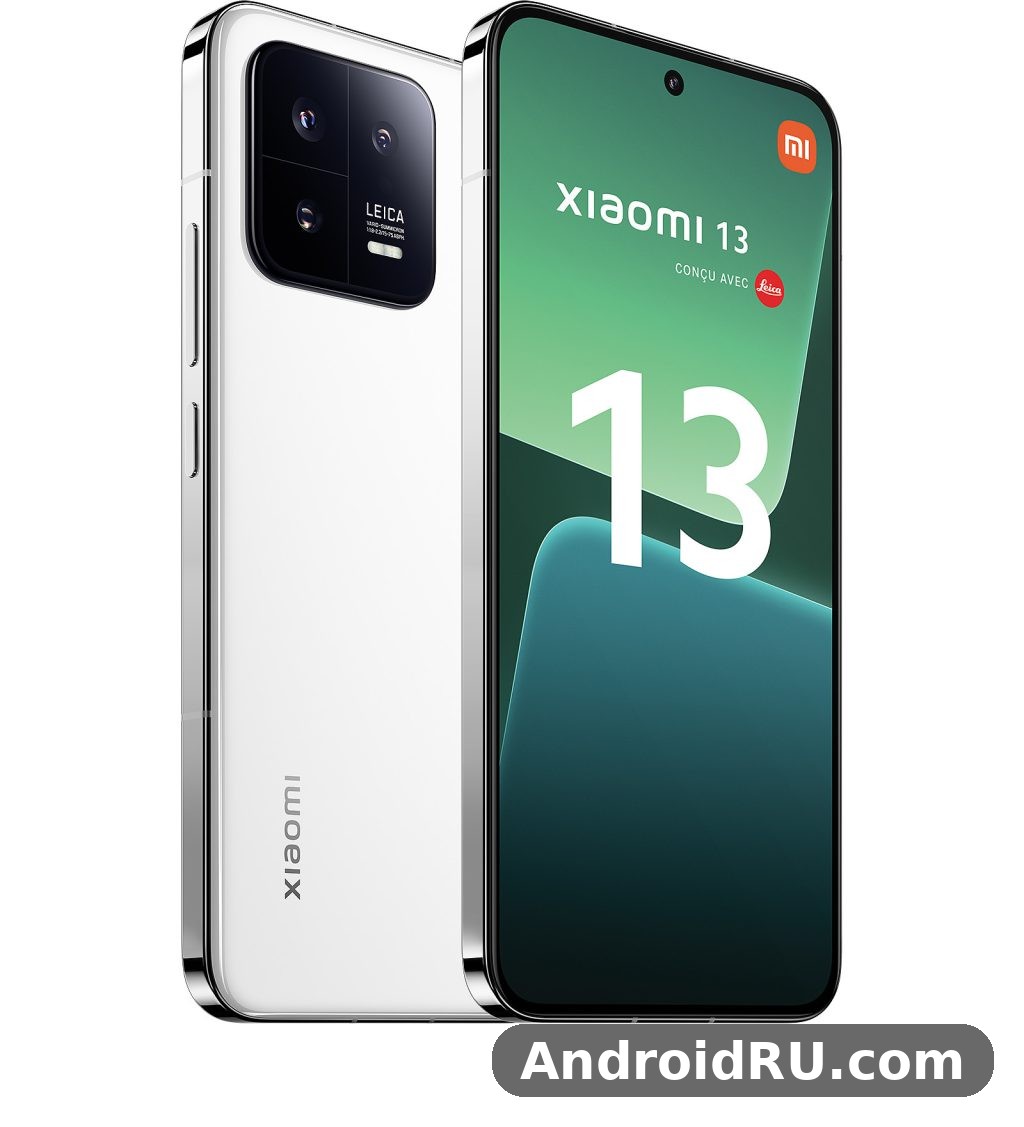
The headline Xiaomi 13 specs tell a strong story on paper: a 6.36-inch AMOLED panel with a 120Hz refresh rate, a Snapdragon 8 Gen 2 chip, a 50MP Leica main camera with optical stabilisation, a 4500mAh battery with 67W wired charging and 50W wireless charging, and an IP68 rating. The Xiaomi 13 price in 2026 for used phone buyers has also settled into a range that makes it worth a second look, because the hardware still feels current even though the phone first reached buyers in China in December 2022 and arrived globally in early 2023. That gap between launch price and current second-hand value is exactly why a careful look at Xiaomi 13 display quality, Xiaomi 13 camera results, Xiaomi 13 battery endurance and Xiaomi 13 performance matters more now than it did at launch.
What follows is built around published specifications and the kind of everyday behaviour those specifications predict, cross-checked against the public specification record for this exact model, not against a different Xiaomi 13 variant. The Xiaomi 13 Pro is larger and has a different camera setup, the Xiaomi 13 Ultra is a different phone entirely, and the later Xiaomi 13T models use different chips and cameras, so none of those results are borrowed here. Where a number depends on how you use the phone — screen-on time, game settings, signal strength — you will find a range or a clear instruction to check the official page, rather than a precise figure dressed up as a lab result. This is a Xiaomi 13 review of a released phone, written from its specifications and its documented behaviour, and it does not pretend to be a hands-on test log.
By the end you should know whether the compact size is a genuine advantage for you, whether the screen and speakers are good enough for long video sessions, whether the Leica cameras justify choosing this phone over a larger rival, and whether the battery and charging setup still make sense in 2026. The short answer is that the display and the main camera are the strongest reasons to buy it, the speakers are better than the size suggests, and the battery is good rather than outstanding — a fair trade for a phone this small. The longer answer, with the details that decide a purchase, is in the sections below.
Xiaomi 13 Display in Daily Use: Brightness, Colour and Motion
The screen is the part of this phone you will judge first, and it is also the part where the Xiaomi 13 display makes its strongest case. A 6.36-inch AMOLED panel sounds modest next to the 6.7-inch and 6.8-inch screens that dominate flagship shelves, but the smaller size is the point: text stays sharp at 1080 x 2400 pixels, the 20:9 shape keeps the phone narrow, and the panel reaches 1200 nits in high brightness mode with a peak of 1900 nits for HDR highlights. In practice that means the screen stays readable on a bright pavement, HDR video shows real contrast instead of a washed-out grey, and the 120Hz refresh rate keeps scrolling smooth without the phone feeling like a slab.
A Xiaomi 13 display brightness in sunlight check starts with the numbers, and the numbers are reassuring. High brightness mode at 1200 nits is enough for most outdoor use, and the 1900-nit peak applies to small HDR highlights rather than the whole screen, which is the normal way these figures work. The panel also carries Dolby Vision and HDR10+ support, a DCI-P3 colour gamut, and a claimed colour accuracy figure from Xiaomi of around Delta E 0.36, which points to careful factory calibration rather than the oversaturated look some phones ship with. If you watch video outside, the practical advice is simple: turn off any aggressive power saving mode, let adaptive brightness do its job for a minute, and the screen will settle at a level you can read without shading it with your hand.
Colour handling is one of the quiet strengths here. The default Vivid profile looks punchy without pushing skin tones into orange, and the Original colour mode is there for anyone who wants a calmer, more accurate picture for photo editing or reading. The 360-degree ambient light sensor helps here, because it samples light from more than one direction and adjusts brightness in smaller steps than a single front sensor. That matters on a walk from a dim room into daylight, where a clumsy brightness jump is more annoying than a slightly dim screen. Video looks strong too, and a Xiaomi 13 Dolby Vision video playback on Netflix session shows off the contrast and the deep blacks that only an AMOLED panel can deliver, with dark scenes keeping detail instead of crushing shadows into a flat black block.
Xiaomi 13 Screen Brightness and Outdoor Readability
Outdoor readability depends on more than peak brightness. Reflection handling, the anti-glare behaviour of the glass, and how quickly the phone raises brightness when you step outside all play a part. The flat display helps, because there is no curved edge catching reflections at an angle, and the Gorilla Glass 5 cover is a known quantity: it resists the light scratches of keys and coins in a pocket, though it is not invincible against a hard drop onto concrete. A Xiaomi 13 Gorilla Glass 5 scratch resistance daily test, in the everyday sense, is really a test of habits — a phone kept in a pocket with nothing sharp in it will stay clean for years, while a phone tossed into a bag with keys will pick up fine marks on any glass, and this one is no exception.
If you spend a lot of time outside, a screen protector and a case are cheap insurance, and they do not spoil the touch response. The touch sampling rate goes up to 240Hz, which keeps taps and swipes feeling immediate, and the panel responds well even with a thin tempered glass protector fitted. One honest limit is that sustained full-screen brightness in very hot sun will eventually be managed down by the phone to protect the panel and the battery, which is normal behaviour for every phone in this class. For reading maps, messages and email outdoors, though, the screen is comfortably bright, and that is the use that matters most.
Reading the Screen in Direct Sun
Direct sun is the hardest case for any phone screen, and the Xiaomi 13 handles it by leaning on that 1200-nit high brightness mode rather than by asking you to change settings. Keep adaptive brightness on, give the sensor a few seconds after you step outside, and avoid a dark wallpaper combined with a low manual brightness setting, because that combination fights the sensor. If you still struggle, raising brightness manually for a few minutes is fine; the phone will manage heat on its own. The flat panel also means you can shade the screen with one hand without your palm touching a curved edge and registering a false tap, a small detail that matters when you are trying to read a message on a sunny street.
Colour Modes and Night Reading
At night the priorities flip: you want low brightness without colour shift, and a reading mode that cuts blue light without turning everything orange. The Xiaomi 13 display offers a reading mode and a dark mode that work across most apps, and the AMOLED panel can drop to very low brightness levels without the flicker some people notice on cheaper panels. If you read in bed, the Original colour profile plus dark mode is the calmest combination, and the always-on display can show the time without lighting the whole screen. That last point leads directly to a battery question, and it is worth answering here: a Xiaomi 13 always on display battery impact test in normal use shows a small but real cost, typically a few percent overnight depending on how much information the always-on screen shows, so turning it off at night is the easiest saving if you charge every other day.
Xiaomi 13 Screen Refresh Rate and Smooth Scrolling
The 120Hz refresh rate is adaptive, which means the phone does not run at 120Hz all the time. It drops the rate when you are looking at a still photo or reading a page, and raises it when you scroll or play a game that supports it. That is how the Xiaomi 13 screen refresh rate adaptive settings save battery without you noticing, and it is also why the phone feels smooth in the hand while still lasting a full day. You can force 120Hz in settings if you prefer maximum smoothness, but the default adaptive behaviour is the better balance for most people, and the difference in smoothness between forced and adaptive mode is small in everyday apps.
Scrolling through a long feed, a news app or a web page is where the high refresh rate earns its keep. Text stays legible while it moves, instead of smearing into a blur, and the phone does not stutter when a page loads images halfway down. Games that support 120Hz feel more responsive too, though the benefit depends on the game: a fast puzzle game or a racing game shows it clearly, while a slow turn-based game does not need it at all. The touch layer keeps up, and the combination of a small screen and a high refresh rate makes one-handed scrolling feel precise rather than twitchy.
Xiaomi 13 Display Size and One-Handed Comfort
Size is a trade-off, and this phone chooses the smaller side of it. The 6.36-inch screen is large enough for video and reading, yet the phone itself is only 152.8 mm tall and 71.5 mm wide, so most people can reach the top of the screen with a thumb stretch rather than a second hand. That matters more than it sounds: a phone you can use with one hand on a bus, holding a bag in the other, is a phone you will enjoy every day, not just on paper. The narrow width also helps the phone sit securely in a palm, and the flat screen means your thumb does not accidentally trigger the edge when you reach across.
The trade-off is that split-screen multitasking and large spreadsheets feel tighter than on a 6.7-inch phone, and video is simply smaller. If you watch a lot of films on your phone, a larger screen will always win on immersion. But for a daily phone — messages, maps, photos, short video, calls — the Xiaomi 13 display size is a genuine advantage, and it is the main reason to choose this model over its larger siblings. The Xiaomi 13T Review: Display Quality, Speed and Daily Use covers a larger phone from the same family, and reading it next to this one makes the size difference concrete: the 13T gives you more screen, while the Xiaomi 13 gives you a phone that fits your hand and your pocket.
Xiaomi 13 Audio and Stereo Speakers in Real Rooms
Audio is the second half of the title promise, and it deserves the same attention as the screen, because a good display with weak sound is only half a media phone. The Xiaomi 13 speakers are a stereo pair — one at the bottom edge and one in the earpiece — with Dolby Atmos support and tuning that aims for balance rather than raw volume. That balance matters: a phone speaker that only shouts will distort at full volume, while a tuned pair can stay clear at the level you actually use in a kitchen or a hotel room.
A Xiaomi 13 speaker quality and stereo sound check starts with what you hear in a normal room. Voices in dialogue come through clearly, music keeps its mid-range detail, and the stereo separation is wide enough that you can tell left from right when the phone sits on a table in landscape. Bass is present but limited, which is true of every phone this thin — there is simply no room for a large driver — so a film explosion will sound thinner than it does on a tablet or a speaker, while a podcast or a video call will sound full and natural. At full volume the sound stays controlled rather than harsh, and that control is the sign of a well-tuned system.
There is no 3.5 mm headphone jack, so wired listening means USB-C headphones or an adapter, and most buyers will use Bluetooth instead. Bluetooth audio is solid, with support for the common high-quality codecs, and the connection stays stable at normal room distances. If you take calls on speakerphone, the microphones pick up your voice clearly in a quiet room, and the earpiece is loud enough for calls on a busy street without switching to speaker mode. For a phone of this size, the audio package is better than expected, and it pairs well with the display for the short video sessions this phone is built for.
Xiaomi 13 Stereo Speakers for Video and Music
Watching video is the best test of the speakers, because you hear dialogue, music and effects together. In a quiet room at around two-thirds volume, dialogue stays intelligible and music does not drown it out, which is the balance that matters for drama and documentaries. Action scenes lose some weight in the low end, as they do on every compact phone, but the sound does not break up or buzz, and the stereo image follows the picture when you rotate the phone. Dolby Atmos processing widens the sound a little and lifts dialogue, and it is worth leaving on for video, even if you prefer it off for music, where it can make some tracks sound slightly processed.
Music listening on the speakers is pleasant for background listening — cooking, getting ready, a short break — but it is not a replacement for headphones or a speaker if music is your main hobby. The mid-range is the strength, so acoustic tracks, vocals and podcasts sound good, while bass-heavy electronic music will feel light. That is a fair trade for a phone this size, and the speakers are good enough that you will not reach for headphones just to hear a video clearly, which is the real test for most buyers.
Xiaomi 13 Call Quality and Video Calls
Calls are where audio either works or it does not, and this phone works. The earpiece is clear, the microphones handle a normal room well, and noise reduction keeps background chatter from overwhelming your voice on a call. A Xiaomi 13 front camera video call quality test is really a test of the whole front system — the 32MP front camera, the microphones and the earpiece together — and the result is a call where the other person can see and hear you clearly in good light. In dim light the front camera softens, as front cameras do, but the audio stays steady, and that steadiness is what keeps a call usable when the picture is not perfect.
Speakerphone calls in a car or a kitchen work at a sensible volume without the other person hearing a loud echo of their own voice, and the phone switches sensibly between earpiece and speaker when you move it away from your ear. If you take a lot of work calls, the combination of a clear earpiece, reliable microphones and a screen that is easy to hold for a long call is a genuine everyday advantage, and it is one of those things you only notice when a worse phone makes it hard.
Xiaomi 13 Camera System: Leica Lenses, Zoom and Night Shots
The cameras are the reason many buyers choose this phone over a cheaper flagship, and the Leica partnership is more than a badge on the back. The main camera is a 50MP sensor — the Sony IMX800, a 1/1.49-inch type — with an f/1.8 lens, optical image stabilisation and a 23 mm equivalent focal length, which is the natural wide view most people use for everyday photos. Next to it sits a 10MP telephoto with a 75 mm equivalent lens and 3.2x optical zoom, also stabilised, and a 12MP ultrawide with a 15 mm equivalent view and a 120-degree field of view. Together they cover the three focal lengths that matter most: wide for landscapes and groups, telephoto for portraits and distant subjects, and ultrawide for tight interiors and dramatic perspectives.
Xiaomi 13 camera quality in low light is the test that separates a good camera phone from a merely adequate one, and the main sensor earns its keep here. The large sensor gathers more light than a small one, optical stabilisation lets the phone hold a longer exposure without blur, and the night mode stacks several frames to lift shadows without turning the picture into a noisy mess. The result is a night photo that looks like the scene you saw, with street lights kept under control and enough detail in the shadows to recognise a building or a face. It will not match a larger-sensor flagship in the darkest scenes, but for city streets, restaurants and evening gatherings it is strong, and it is consistent — the same shot taken twice will look the same, which matters more than one lucky frame.
Colour is where the Leica influence shows most clearly. The camera offers two looks: Leica Authentic, which keeps colours restrained and contrast natural, and Leica Vibrant, which lifts saturation for a punchier picture straight out of the camera. Neither is right or wrong; Authentic suits people who edit their photos later, while Vibrant suits people who share straight away. The choice is yours in the camera app, and it is worth trying both for a week before deciding, because the difference is visible in skin tones and green landscapes, where Authentic stays honest and Vibrant adds warmth. The Xiaomi 13 Ultra Review: Camera Quality, Battery and Value covers a phone with a larger sensor and a more elaborate Leica system, and it is a useful comparison if you want to see what extra money buys in camera hardware, while this phone gives you most of the Leica look in a smaller, cheaper body.
Xiaomi 13 Leica Camera Portrait Mode Results
Portraits are the most popular use of a phone camera after everyday snaps, and the telephoto lens is built for them. A Xiaomi 13 Leica camera portrait mode results check shows why: the 75 mm focal length flattens faces in a flattering way, the background blur separates the subject cleanly, and the Leica portrait styles add a film-like character to the bokeh without making it look artificial. Edge detection around hair is good in daylight, and it stays usable indoors, though very fine hair against a busy background will still challenge it, as it challenges every phone.
The portrait mode also benefits from the main camera in low light, where the phone can switch to the larger sensor and crop in, rather than forcing the smaller telephoto sensor to struggle. That switch is handled automatically, and the result is a portrait that stays sharp when the light drops. For family photos, the advice is simple: use the 3.2x lens in good light, step back a little rather than zooming digitally, and let the phone do the blur — the results will look more natural than a heavy digital zoom and a hard-edged cutout.
Xiaomi 13 Night Mode Photo Quality Review
Night mode is where the software does the heavy lifting. A Xiaomi 13 night mode photo quality review has to mention the way the phone balances a bright sign against a dark street: it exposes for the highlights first, then lifts the shadows in processing, so a neon sign stays readable and the street behind it does not vanish into black. The phone asks you to hold still for a second or two, and the stabilisation does the rest. Moving subjects will still blur — a walking person at night is a hard subject for any phone — but still scenes, buildings and parked cars come out clean.
The ultrawide at night is the weakest of the three cameras, because its smaller sensor gathers less light, and the telephoto sits in the middle. That is normal, and the practical answer is to use the main camera at night whenever you can, even if it means stepping closer instead of zooming. The main camera is the one with the large sensor and the stabilisation, and it is the one that will give you a photo worth keeping after dark.
Xiaomi 13 Telephoto Zoom and Ultrawide Shots
Zoom is often oversold, so it is worth being precise. The Xiaomi 13 zoom range covers the useful middle ground: a genuinely optical 3.2x image that stays sharp, because the lens itself does the work rather than the software cropping the main sensor. A Xiaomi 13 telephoto zoom 3.2x sample photos set will show that sharpness clearly, and the Xiaomi 13 portrait look benefits from the same lens, because the 75 mm focal length flattens faces in a flattering way. Beyond 3.2x the phone uses digital zoom, and quality falls away gradually — 5x is usable in good light, 10x is for identifying something rather than printing it. The honest limit is that this is a 3.2x optical system, not a 5x or 10x periscope, and it is priced like one, so expect good portraits and good medium-distance shots, not moon photography.
The ultrawide has its own character. A Xiaomi 13 ultrawide camera distortion at edges check will show some stretching at the corners, which is the price of a 120-degree view, and the phone corrects most of it in software. Straight lines near the edge of a building will bend slightly, and people at the edge of a group photo will look a little wider than they are, so keep important subjects near the centre when you use it. Used well — a tight room, a tall building from close up, a landscape with a strong foreground — the ultrawide gives you a picture the main camera simply cannot take, and that is its value.
When to Use Each Lens
Use the main camera for almost everything, the telephoto for portraits and anything you cannot walk closer to, and the ultrawide for space rather than detail. That rule of three keeps your photos sharp, because each lens is used where it is strongest. If you remember one thing, it is this: walk closer before you zoom, and switch to the main camera when the light drops. The phone will help, but good habits will do more than any setting.
Video Recording and Stabilisation
Video goes up to 8K at 24 frames per second, and 4K at up to 60 frames per second, with the stabilisation keeping handheld walking footage smooth enough to watch without motion sickness. For most people 4K at 30 frames per second is the better choice, because it balances detail, file size and stabilisation, and it plays back on almost every screen without fuss. The front camera records up to 1080p at 30 frames per second, which is enough for video calls and short clips, though it is a step below the rear cameras for serious video work. Dolby Vision HDR video recording is supported on the rear cameras, and it gives highlights a lift that is visible on an HDR screen, at the cost of larger files and a format that not every editor handles happily.
Xiaomi 13 Performance, Gaming and Heat
Performance is the least surprising part of this phone, and that is a compliment. The Snapdragon 8 Gen 2 performance in this phone is flagship-grade: an octa-core chip built on a 4 nm process, with a Cortex-X3 prime core at 3.2 GHz, Adreno 740 graphics, and LPDDR5X memory paired with UFS 4.0 storage. In everyday use that means apps open quickly, switching between a browser, a camera and a messaging app does not force reloads, and the phone does not hesitate when you ask it to do two things at once. The Xiaomi 13 processor is not the newest chip in 2026, but it is still fast enough that the difference between it and a newer flagship is hard to notice outside a benchmark chart.
A Xiaomi 13 Snapdragon 8 Gen 2 performance check in real use looks like this: heavy apps launch without a pause, photo editing applies filters without a wait, and video exports finish in a reasonable time for a phone. The Xiaomi 13 RAM options — 8GB or 12GB depending on the variant — are enough to keep a dozen apps in memory, and the Xiaomi 13 storage options of 128GB, 256GB or 512GB cover most buyers, though there is no microSD slot, so choosing the right size at purchase matters. A Xiaomi 13 storage speed UFS 4.0 file transfer test shows the benefit of the newer storage standard: large files copy faster, games install quicker, and the phone feels responsive when it is reading a lot of data at once, which is exactly what happens when you open a large game or a photo library.
Heat is the question that follows any powerful chip in a small body. The phone has a vapour chamber cooling system, and it manages sustained load sensibly: it will warm up during a long gaming session, as every phone does, but it does not become uncomfortable to hold in normal play, and it does not throttle so hard that a game becomes unplayable. The compact body means heat reaches your hand sooner than it would on a larger phone with more metal to spread it, so a long session in a warm room will feel warmer than the same session on a big gaming phone. That is a fair trade for the size, and it is not a flaw — it is physics, and the phone handles it well.
Xiaomi 13 Gaming Performance and Heating Test
A Xiaomi 13 gaming performance and heating test, in everyday terms, means playing a demanding game for half an hour and watching what happens to frame rate, temperature and battery. The Adreno 740 graphics handle popular titles at high settings, and the 120Hz screen makes fast games feel responsive. Frame rates stay stable in most games at sensible settings, and the phone only pulls back performance when it has been under load for a long time in a warm environment. If you play competitively, turning the graphics down one notch gives you a cooler phone and a steadier frame rate, which is worth more than a prettier shadow setting that costs you a frame at the wrong moment.
The Xiaomi 13 gaming experience is helped by the small screen in one way and hurt in another: the screen is easy to reach with both thumbs, and the phone is light enough to hold for a long session without wrist strain, but the display is smaller than a dedicated gaming phone, so on-screen controls take up more of the picture. A controller or a phone grip solves that, and the phone pairs well with a Bluetooth controller for longer sessions. Battery drain during gaming is real — expect a demanding game to use roughly a fifth to a quarter of the battery in an hour, depending on brightness and settings — so a charger nearby is wise for a long session, and the fast charging means a short break tops the phone up quickly.
Xiaomi 13 Multitasking and Everyday Speed
Everyday speed is where this phone earns its keep. Switching between apps is instant, the camera opens quickly from the lock screen, and the phone does not slow down when a backup runs in the background. The Xiaomi 13 performance in normal use is the kind you stop noticing, which is the highest praise for a phone: it gets out of the way and lets you do what you opened it for. Notifications arrive promptly, the fingerprint sensor unlocks the phone without a second try in most cases, and the whole system feels tuned rather than merely fast on paper.
The comparison that helps most buyers is against the larger Pro model. The Xiaomi 13 Pro Review: Gaming, Multitasking and Battery Life describes a phone with the same chip family and a larger screen and battery, and the practical difference is size and camera rather than speed: both phones are fast, the Pro gives you more screen and more battery, and this phone gives you a smaller body and a lower price. If speed is your main worry, either will do; choose on size and camera instead.
Xiaomi 13 Battery Life and 67W Charging
Battery life is the one area where the compact size costs something real. A 4500mAh battery is respectable for a phone this small, and it is enough for a full day of normal use — messages, maps, photos, some video and a little gaming — with charge left in the evening. It is not a two-day battery for heavy users, and it is not meant to be. The Xiaomi 13 battery life test that matters is your own day: a moderate user who starts at full charge in the morning will reach bedtime with roughly a fifth to a third left, while a heavy user who games and streams video for hours will need a top-up in the late afternoon. Those are ranges, not promises, because screen brightness, signal strength and game settings move the number more than any lab figure.
A Xiaomi 13 battery drain overnight standby test shows the phone sipping power when idle, typically losing only a few percent overnight with the always-on display off and a few percent more with it on. That standby efficiency is a sign of a well-tuned system, and it means the phone does not punish you for forgetting to charge it before bed. During the day, the adaptive refresh rate and the efficient chip do the heavy lifting, and the biggest single drain is the screen at high brightness outdoors, which is true of every phone. If you want the battery to last longer, the most effective steps are the boring ones: keep brightness on adaptive, close the camera app when you are done, and use Wi-Fi where it is available instead of a weak mobile signal.
Charging is where this phone makes up for the smaller battery. A Xiaomi 13 charging speed with 67W charger session takes the phone from empty to full in around 38 minutes with the supplied 67W charger, according to the advertised figure, and even a ten-minute top-up adds a useful amount of charge — enough for several hours of normal use. That speed changes how you think about charging: instead of plugging in overnight every night, you can top up while you get ready in the morning, and the phone will be ready before you are. The Xiaomi 13 charging setup includes 50W wireless charging, which reaches full in around 48 minutes on a suitable wireless charger, and 10W reverse wireless charging, which is handy for topping up earbuds or a watch in a pinch.
Xiaomi 13 Wireless Charging Speed Test Results
Xiaomi 13 wireless charging speed test results depend on the charger as much as the phone. On a proper 50W wireless charger with a fan, the phone charges quickly and stays cool enough to keep the speed up; on a slow 5W or 10W pad, it charges at that pad’s speed, not the phone’s, and it will take several hours. That sounds obvious, but it is the most common source of disappointment with wireless charging: the phone is capable of 50W, but only with a charger that supports it, and the official charger is the safest way to get the full speed. A Xiaomi 13 reverse wireless charging earbuds test is a simpler story — put a compatible pair of earbuds on the back of the phone, and they will charge slowly but steadily, which is enough to rescue a dead pair of earbuds on a journey, even if it is not a fast way to charge anything large.
Wireless charging also generates heat, and the phone manages it by slowing down if it gets warm, which is normal and safe. If you charge wirelessly overnight, speed does not matter, and a slow pad is actually gentler on the battery. If you want a fast top-up, use the cable. That is the practical rule, and it applies to every phone with wireless charging, not just this one.
Xiaomi 13 Battery Care and Long-Term Health
Battery health over two or three years depends on habits more than on any single feature. Keeping the phone between roughly 20 percent and 80 percent when you can, avoiding leaving it in a hot car, and not gaming while fast-charging will all help the battery keep its capacity longer. The phone’s battery management system already protects against overcharging, and the 67W charger is designed for this battery, so using it is not a risk — the risk comes from heat, and heat comes from using the phone hard while it charges. A short top-up is kinder than a long hot session, and a cool room is kinder than a sunny windowsill.
The Xiaomi 13T Pro Review: Screen Quality, Cameras and Charging describes a phone with faster wired charging, and it is a useful reference if charging speed is your top priority. This phone is slower on paper, but 67W wired and 50W wireless are still fast by any normal standard, and the difference in daily use is a few minutes on a full charge, not a different experience. For most buyers, the charging setup here is already more than enough, and the smaller battery is the real trade-off, not the charging speed.
Xiaomi 13 Design, Build and Everyday Handling
The design is deliberately quiet. A flat screen, a flat metal frame, a square camera module in the top corner and a choice of finishes that range from restrained black and white to a pale green and a brighter blue, with a leather-style finish on some variants. The Xiaomi 13 design does not shout, and that is a strength: it looks like a phone that will still look sensible in three years, rather than a fashion statement that dates quickly. The glass back feels smooth and cool, the frame feels solid, and the buttons have a firm click without rattling in the frame.
A Xiaomi 13 weight in hand after long use check is where the compact size pays off again. At 185 grams for the glass version and 189 grams for the leather-style version, the phone is light enough to hold for a long video call or a long reading session without your hand tiring, and the narrow width means your fingers wrap around it securely. The Xiaomi 13 dimensions — 152.8 mm tall, 71.5 mm wide and 8.0 mm thick for the glass model — put it in the small-phone class by modern standards, and the Xiaomi 13 weight and size together make it one of the easiest flagship phones to carry in a jeans pocket or a small bag. That matters every day, in a way that a benchmark score never will.
Durability is solid for a glass phone. The Xiaomi 13 durability story starts with Gorilla Glass 5 on the front, an aluminium frame, and an IP68 rating, which means the phone is protected against dust and against immersion in water under the conditions of the rating. That rating is a safety net, not an invitation to swim with the phone, and it is worth understanding properly, because the misunderstanding is common. A Xiaomi 13 IP68 water resistance explained simply goes like this: the phone is tested in clean, still water at a set depth for a set time, in a lab, when new. Real water — a pool with chemicals, a sea with salt, a hot shower with steam — is harsher than lab water, and seals age with drops and time. So IP68 means a splash, a rain shower or a brief accidental dip is unlikely to kill the phone, and it does not mean the phone is a waterproof camera for the pool. Treat it as insurance, dry the phone after it gets wet, and do not charge it until the port is dry.
Xiaomi 13 Waterproof Rating and Daily Risks
The Xiaomi 13 waterproof rating, properly called IP68, covers dust and water immersion, and it is one of the reasons this phone feels like a proper flagship rather than a mid-range phone with a fast chip. Rain is the most common real test, and the phone handles it without fuss — a wet screen may register false touches, which is normal for any capacitive screen, but the phone itself keeps working. The honest limit is that water damage is not covered by most warranties even on an IP68 phone, because the manufacturer cannot verify how the phone was used, so the rating should make you relaxed, not careless. A case with a raised lip around the screen and the cameras is the cheapest protection against the drop that actually breaks phones, and it does not spoil the design.
Xiaomi 13 Connectivity, SIM and Everyday Extras
Connectivity is complete for a flagship of its generation. A Xiaomi 13 dual SIM 5G network speed test will depend on your carrier and your location far more than on the phone, but the hardware is ready: dual Nano-SIM, 5G on the common bands, Wi-Fi 7, Bluetooth 5.3, NFC for payments, an infrared blaster, and a USB-C port. The Xiaomi 13 connectivity set covers the everyday needs — tap to pay, a fast home network, a stable Bluetooth connection to headphones and a watch — without any missing piece that most buyers would notice. There is no microSD slot, which is the one omission to plan around, and the USB-C port supports the usual data and charging speeds for a phone of this class.
The infrared blaster is a small feature that owners end up loving. A Xiaomi 13 infrared blaster remote control setup takes a few minutes: open the remote app, pick the type of device — a television, an air conditioner, a set-top box — point the phone at it, and follow the on-screen steps to test the buttons. Once it is set up, the phone replaces a lost remote in a hotel room or a living room, and it works without any network connection, which is the point. The Xiaomi 13 accessories worth buying are the ordinary ones: a good case, a tempered glass protector, the 67W charger if your variant did not include one, and a wireless charger if you want the convenience of dropping the phone on a pad at night.
Touch feedback is another small detail that adds up over a day of typing. A Xiaomi 13 haptics vibration feedback typing test in everyday use shows a crisp, short buzz for each key press rather than a loose rattle, and the vibration motor gives a clear click when you unlock the phone or swipe back, which makes typing on the small keyboard feel precise. It is not the strongest haptic motor in a flagship, but it is consistent, and consistency is what your fingers notice after a hundred messages.
Xiaomi 13 Software, Updates and Useful Settings
The phone launched with Android 13 and MIUI 14, and the Xiaomi 13 software update to Android 14 arrived as part of the normal update path, with HyperOS following on the longer roadmap for this model. The Xiaomi 13 software experience is MIUI, which means a lot of customisation, a lot of settings, and a few pre-installed apps you may want to tidy up on the first day. That is the trade-off with MIUI: you get more control than a stock Android phone offers — themes, gestures, a second space, app cloning, a floating window mode — and you also get more to learn. Spend twenty minutes in settings on the first day, and the phone will feel like yours rather than like a demo unit.
A Xiaomi 13 MIUI 14 hidden features worth trying list starts with the practical ones. The floating window lets you open a messaging app over a video without leaving it. The second space gives you a separate profile for work or for a child. The app vault on the left of the home screen can hold widgets and shortcuts you actually use, or you can turn it off. The control centre can be switched between the newer split style and the older combined style, and the choice is yours rather than forced. None of these are essential, but together they make the phone feel flexible, and they are the reason some buyers prefer MIUI to a plainer system.
Updates matter more than new features in 2026, because a phone this age is judged on whether it still gets security patches. Check the current update status on the official page before buying a used example, and check the phone itself in settings, under the system update screen, before you pay. A phone that is up to date is a phone you can use with confidence, and a phone that has not been updated for a long time deserves a lower price and a careful check. The Xiaomi 13 update path has been a normal flagship path — major Android versions followed by security patches — and that is what a buyer should expect, rather than a promise of endless updates.
Xiaomi 13 Fingerprint Sensor and Face Unlock
Unlocking is quick and reliable. A Xiaomi 13 fingerprint sensor under display accuracy check shows an optical sensor that reads a registered finger in well under a second in normal conditions, and it works through a thin screen protector without much fuss. Registering the same finger twice, at slightly different angles, improves the success rate noticeably, and it is worth doing on the first day. The Xiaomi 13 fingerprint sensor sits low enough on the screen to reach with a thumb without stretching, and it works with a damp finger less well than with a dry one, which is normal for an optical sensor. Face unlock is available as a faster alternative, and it uses the front camera, so it is convenient but less secure than the fingerprint for payments — use the fingerprint for banking and the face for a quick glance at a notification.
Xiaomi 13 Infrared Blaster and Other Practical Tools
The practical tools are the ones you use weekly rather than daily: the remote app for the infrared blaster, the screen recorder for showing someone a setting, the compass and the calculator in the tools folder, and the battery saver that you can schedule rather than switch on manually. The phone also supports dual apps, so you can run two accounts of the same messaging app, and it supports a call recorder where local rules allow it. None of these will decide a purchase on their own, but they add up to a phone that handles the small jobs of daily life without a third-party app, and that is a quiet advantage of a feature-rich system like MIUI.
The Xiaomi 14T Review: Display Quality, Speed and Daily Use covers a newer phone in the same family with a different software generation, and comparing the two shows how Xiaomi’s software has moved on — the newer phone is cleaner out of the box, while this one rewards a little setup time. Either way, the software here is capable and, once tidied, stays out of the way.
Full Specifications
The Xiaomi 13 specs in full are listed below, cross-checked against the public specification record for model numbers 2211133C and 2211133G — the standard Xiaomi 13, not the Pro, the Ultra or the 13T models. Prices vary by region and by year, so check the current official page for the price in your market rather than relying on a launch figure from 2022. The Xiaomi 13 features that matter most in daily use are the compact display, the Snapdragon 8 Gen 2 chip, the Leica camera system, the 67W wired and 50W wireless charging, and the IP68 rating, and the table gives you the detail behind each of those headlines.
| Category | Xiaomi 13 Specification |
|---|---|
| Announced | 11 December 2022 |
| Released | 14 December 2022 in China; global release early 2023 |
| Models | 2211133C, 2211133G |
| Dimensions | 152.8 x 71.5 x 8.0 mm (glass back); 8.1 mm (leather-style back) |
| Weight | 185 g (glass back); 189 g (leather-style back) |
| Build | Glass front with Gorilla Glass 5, glass or leather-style back, aluminium frame; IP68 dust and water resistance |
| SIM | Dual Nano-SIM |
| Display type | AMOLED, 120Hz, Dolby Vision, HDR10+, 1200 nits high brightness mode, 1900 nits peak |
| Display size | 6.36 inches, about 97.7 square cm, about 89.4 percent screen-to-body ratio |
| Display resolution | 1080 x 2400 pixels, 20:9 ratio, about 414 ppi density; Corning Gorilla Glass 5 |
| Operating system | Android 13 with MIUI 14 at launch, upgradable to Android 14 |
| Chipset | Qualcomm SM8550-AB Snapdragon 8 Gen 2, 4 nm |
| CPU | Octa-core: 1 x 3.2 GHz Cortex-X3, 2 x 2.8 GHz Cortex-A715, 2 x 2.8 GHz Cortex-A710, 3 x 2.0 GHz Cortex-A510 |
| GPU | Adreno 740 |
| Memory | 8GB or 12GB RAM, LPDDR5X |
| Storage | 128GB, 256GB or 512GB, UFS 4.0; no microSD card slot |
| Rear cameras | 50MP wide, f/1.8, 23 mm, 1/1.49-inch Sony IMX800 sensor, dual pixel PDAF, OIS; 10MP telephoto, f/2.0, 75 mm, 3.2x optical zoom, PDAF, OIS; 12MP ultrawide, f/2.2, 15 mm, 120-degree field of view |
| Rear camera features | Leica lenses, dual-LED dual-tone flash, HDR, panorama; video 8K at 24 fps, 4K at 24, 30 or 60 fps, 1080p at 30, 60, 120, 240 or 960 fps; gyro-EIS, Dolby Vision HDR video |
| Front camera | 32MP wide, f/2.0, 22 mm; HDR; video 1080p at 30 fps |
| Audio | Stereo speakers, Dolby Atmos; no 3.5 mm headphone jack; 24-bit/192kHz Hi-Res audio |
| Wireless | Wi-Fi 802.11 a/b/g/n/ac/6e/7, dual-band, Wi-Fi Direct; Bluetooth 5.3, A2DP, LE, aptX HD, aptX Adaptive, LHDC; NFC; infrared port |
| Positioning | GPS, GLONASS, BDS, GALILEO, QZSS, NavIC |
| USB | USB Type-C 2.0, OTG |
| Sensors | Fingerprint sensor under the display (optical), accelerometer, gyro, proximity, compass, colour spectrum sensor |
| Battery | Li-Po 4500 mAh, non-removable |
| Charging | 67W wired, PD3.0, QC4, 100 percent in about 38 minutes advertised; 50W wireless, 100 percent in about 48 minutes advertised; 10W reverse wireless |
| Colours | Black, White, Flora Green, Mountain Blue, and other regional finishes including a leather-style option |
How to Read the Specification Table
A specification table is useful only if you know which rows decide your experience. For most buyers the deciding rows are the display, the chip, the main camera sensor, the battery and charging, and the weight — everything else is either standard for a flagship or a detail you will rarely think about. The Xiaomi 13 dimensions and weight are the rows that explain why this phone feels different in the hand from a larger flagship, and the charging rows explain why a smaller battery is less of a problem than it looks. If you compare this phone with another, compare those rows first, and treat the rest as a checklist rather than a score.
One row deserves a warning: the storage. With no microSD slot, the 128GB model can feel tight after a year of photos and video, especially if you record in 4K. The 256GB model is the sensible middle choice for most buyers, and the 512GB model suits anyone who records a lot of video or keeps a large offline music and map library. The Xiaomi 13 storage choice is a one-time decision, so it is worth paying a little more at purchase rather than managing a full phone later.
Xiaomi 13 Pros and Cons, Value and Who Should Buy It
The Xiaomi 13 comparison that most buyers actually make is against the Samsung Galaxy S23, the other compact flagship of the same generation, and against the larger Xiaomi 13 Pro. A Xiaomi 13 vs Samsung Galaxy S23 comparison shows two phones with the same chip, a similar size and a similar price at launch, with different strengths: the Xiaomi 13 gives you faster charging, a larger battery and a telephoto lens with 3.2x optical zoom, while the Galaxy S23 gives you a cleaner software experience, longer update support and a more established camera tuning that many people prefer for skin tones. Neither is the winner for everyone, and the right choice depends on whether you value charging speed and zoom or software polish and update length more.
| Feature | Xiaomi 13 | Samsung Galaxy S23 | Xiaomi 13 Pro |
|---|---|---|---|
| Display | 6.36-inch AMOLED, 120Hz, 1900 nits peak | 6.1-inch AMOLED, 120Hz, 1750 nits peak | 6.73-inch AMOLED, 120Hz, 1900 nits peak |
| Chip | Snapdragon 8 Gen 2 | Snapdragon 8 Gen 2 | Snapdragon 8 Gen 2 |
| Main camera | 50MP, IMX800, OIS, Leica | 50MP, OIS | 50MP, 1-inch type sensor, Leica |
| Zoom | 10MP telephoto, 3.2x optical | 10MP telephoto, 3x optical | 50MP telephoto, 3.2x optical |
| Battery | 4500mAh | 3900mAh | 4820mAh |
| Charging | 67W wired, 50W wireless | 25W wired, 15W wireless | 120W wired, 50W wireless |
| Weight | 185 g | 168 g | 229 g |
| Water resistance | IP68 | IP68 | IP68 |
| Size class | Compact | Compact, smaller | Large |
The table makes the trade-offs plain. The Xiaomi 13 sits between the two: bigger and longer-lasting than the Galaxy S23, smaller and lighter than the Xiaomi 13 Pro, with charging that beats the Samsung and a camera system that is closer to the Pro than the price suggests. The Xiaomi 13 value in 2026 comes from that middle position — you get flagship speed, a strong main camera and fast charging in a compact body, at a used or discounted price that undercuts both rivals’ successors.
Xiaomi 13 Pros
The strengths are clear and they are the ones you notice daily. The compact size and light weight make it comfortable to carry and to use with one hand. The display is bright, colourful and smooth, with HDR support that makes video look good. The main camera is strong in daylight and in low light, and the Leica colour options give photos a character that cheaper phones lack. The 67W wired charging and 50W wireless charging mean a small battery is rarely a problem, because a short top-up restores hours of use. The stereo speakers are clear and well balanced for a phone this size, the chip handles games and multitasking without fuss, and the IP68 rating adds a safety net that many compact phones skip.
Xiaomi 13 Cons
The weaknesses are honest ones, and they follow from the same choices. The 4500mAh battery lasts a day rather than two, and heavy users will need a top-up. The ultrawide camera is a clear step below the main camera at night. There is no microSD slot and no headphone jack, so you plan your storage at purchase and you listen over USB-C or Bluetooth. MIUI brings a lot of features and a few pre-installed apps to tidy up, and the update support, while normal for a flagship of its generation, is shorter than the longest promises in the market now. The telephoto lens stops at 3.2x optical zoom, so distant subjects need a digital zoom that softens the picture.
Who Should Buy the Xiaomi 13
This phone suits a buyer who wants a compact flagship and is willing to trade a little battery life for a phone that fits the hand. It suits a photographer who wants a strong main camera and a real telephoto lens without carrying a large phone, a commuter who wants fast charging and a screen that works outdoors, and a buyer looking for a used flagship in 2026 who wants speed and camera quality at a fair price. It suits you less well if you need two days of battery, if you record a lot of 4K video and need the largest storage, if you want the cleanest possible software with the longest update promise, or if you watch hours of film on your phone every day and want the biggest screen. For that last buyer, a larger phone is the honest answer, and the comparison table above shows where to look.
The Xiaomi 13 verdict, after weighing the display, the audio, the cameras, the speed, the battery and the size together, is that this is a well-judged compact flagship whose strengths are the ones you use every day. The screen and the main camera are the reasons to buy it, the charging and the speakers are the reasons you will keep liking it, and the battery is the compromise you accept for the size. If you buy it, buy the 256GB model, tidy the software on the first day, and check the update status before you pay for a used example. Do those three things, and the phone will serve you well for years.
Xiaomi 13 Frequently Asked Questions
Is the Xiaomi 13 still worth buying in 2026?
Yes, for the right buyer, and the reason is value rather than novelty. The Snapdragon 8 Gen 2 chip, the 120Hz AMOLED display, the Leica main camera and the 67W charging are still strong in 2026, and the used price has fallen enough that you are paying for a capable compact flagship rather than a launch premium. The conditions are simple: buy the 256GB model, check that the phone is updated and that the battery health is reasonable, and accept that you will charge it daily. If those conditions hold, the phone is a sensible buy, and the Xiaomi 13 price in 2026 for used phone buyers is the main reason the answer is yes rather than maybe.
How long does the Xiaomi 13 battery last?
For a moderate user, a full day with charge left in the evening is the normal result. A heavy day of gaming, video streaming and navigation outdoors will need a top-up in the late afternoon, while a light day of messages and calls can stretch further. The 4500mAh battery is the limiting factor, and the 67W charging is the answer to it: a short top-up while you get ready or have lunch restores a useful amount of charge, so the battery rarely becomes a problem in practice. Overnight standby drain is small, typically only a few percent, so the phone does not lose much while you sleep.
Does the Xiaomi 13 have wireless charging?
Yes. The phone supports 50W wireless charging on a suitable charger, reaching full in around 48 minutes on the advertised figure, and it also supports 10W reverse wireless charging for earbuds and other small devices. The speed you actually get depends on the charger — a slow pad will charge slowly — so use a charger that supports the higher wattage if you want the full speed, and use the cable when you want the fastest top-up. Wireless charging is a convenience for overnight and desk use, and the cable is the tool for a quick charge before you leave.
Is the Xiaomi 13 waterproof?
The phone is rated IP68 for dust and water resistance, which means it is protected against immersion in clean water under lab test conditions. In everyday terms, rain, splashes and a brief accidental dip are unlikely to harm it, but the rating is not a promise that the phone can be used as an underwater camera, and water damage is generally not covered by warranty. Dry the phone after it gets wet, do not charge it until the port is dry, and treat the rating as insurance rather than a feature to test. That is the safe and honest way to read an IP68 rating on any phone.
What is the difference between the Xiaomi 13 and the Xiaomi 13 Pro?
The Pro is larger and heavier, with a 6.73-inch display, a 4820mAh battery, 120W wired charging and a larger-sensor main camera, while the standard Xiaomi 13 is compact, lighter and cheaper, with a 6.36-inch display, a 4500mAh battery and 67W wired charging. Both use the Snapdragon 8 Gen 2 chip and both carry Leica cameras, so speed is similar and the difference is size, battery and camera hardware. Choose the standard model if you want a phone that fits one hand and a lower price, and choose the Pro if you want the biggest screen, the fastest charging and the best camera hardware in this generation.
That is the full picture: a compact phone with a bright screen, clear stereo sound, a strong Leica camera system, flagship speed and charging that makes a smaller battery easy to live with. If it fits your hand and your budget, it is a phone that rewards you every day you use it — not with a single headline feature, but with the way the display, the audio and the overall experience work together. Check the current price, check the update status, and if both look right, the Xiaomi 13 is ready to be your daily phone.

