

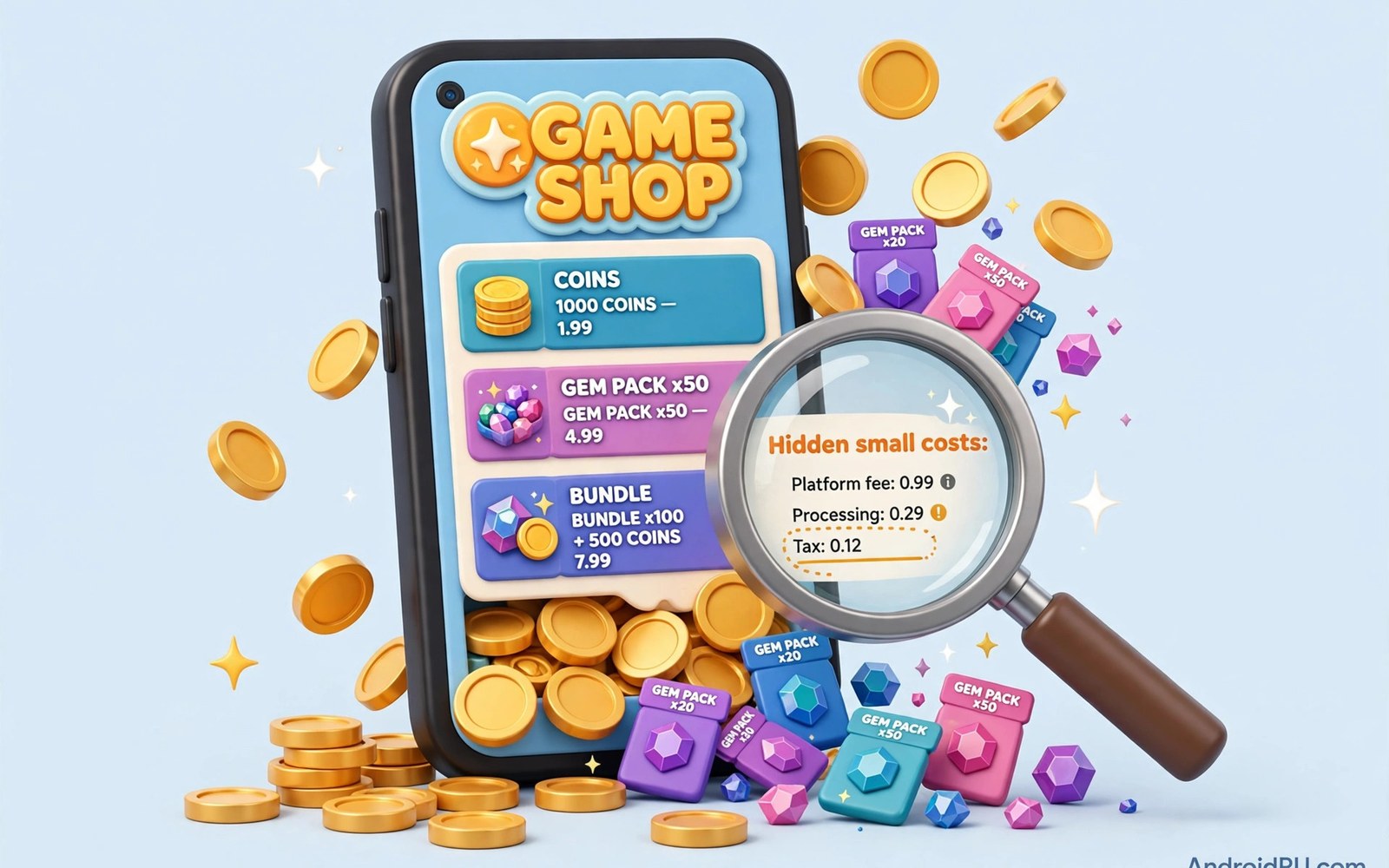
Free-to-play games cost nothing to download. That promise hides a sophisticated monetization machine. Microtransactions fund these games through small repeated purchases. Individually they look harmless. Together they can exceed the price of any premium game many times over.
This guide exposes the hidden costs inside free games. It explains virtual currency tricks and random reward odds and psychological pressure. It also gives practical defenses for players and parents. Free games can entertain without draining your wallet when you understand their design.
How Free Games Actually Make Money
Free games earn through a small percentage of paying players. Most players never spend anything. A minority spends regularly. A tiny group spends very large amounts. Developers design for that spending minority while keeping free players as community filler.
That model shapes every design decision. Progression slows at points where spending helps most. Social features showcase paid items to free players. Limited time offers create urgency around purchases. The game remains fun but its economy constantly nudges toward paying.
Virtual Currency Distances You From Money
Virtual currency is the core trick of microtransaction design. You buy gems or coins with real money. Then you spend gems inside the game. That two-step process weakens the mental link between play and spending. A purchase of five hundred gems feels different from a purchase of five dollars.
Bundle sizes add further confusion. Packs rarely match item prices exactly. You buy more currency than you need and leftover currency tempts future spending. Always convert currency prices back to real money before buying. If the conversion feels unclear then the design is working against you.
Gacha and Random Rewards
Random reward systems sell chance rather than items. You pay for a draw that might yield a rare character or item. Odds for top rewards often sit below one percent. Players can spend hundreds chasing a single desired outcome. That structure resembles gambling in its psychological effects.
Published odds help but they rarely change behavior. A one percent chance feels achievable after many failures. Each failure increases the urge to try again. Set a hard limit for random purchases before you start. Never exceed it to chase a loss. The math does not owe you a win.
Energy Systems and Time Gates
Energy systems limit how long you can play without paying. Each action consumes energy that refills slowly. Paying refills energy instantly. That design monetizes impatience rather than enjoyment. Players pay to continue a session they already enjoy.
Time gates work similarly for upgrades and buildings. A task takes hours unless you pay to finish it now. Waiting is free but boring. Paying feels like reclaiming your time. Recognize the pattern and choose waiting deliberately. The game will still be there tomorrow.
Social Pressure and Status Spending
Multiplayer games showcase paid cosmetics to other players. Rare skins signal status within the community. Leaderboards reward spending with visibility. Guildmates may pressure members to keep pace with paid progress. Social dynamics convert personal spending into group expectations.
Children feel this pressure most strongly. Fitting in with peers drives cosmetic purchases. Parents should discuss social spending openly with young players. Explain that paid items do not change skill or friendship. That conversation reduces pressure more effectively than any spending block alone.
The Real Monthly Cost for Average Spenders
Average spenders often underestimate their game costs dramatically. A few dollars weekly becomes tens monthly and hundreds yearly. Review your store purchase history for a single game across six months. The total surprises most players who thought they spent little.
Compare that total against premium games you enjoy. A premium game costs once and offers complete content. A free game with heavy spending may cost ten times more for less content. That comparison reframes free as potentially the most expensive option available.
Dark Patterns to Recognize
Several dark patterns recur across free games. Fake countdown timers reset when they expire. Purchase buttons appear immediately after failures. Currency balances display prominently to encourage spending. Special offers pop up when you return after absence. Each pattern targets emotion rather than reason.
Noticing patterns weakens their power. Pause before any purchase triggered by urgency or frustration. Ask whether you would buy the same item calmly tomorrow. If the answer is no then the pattern manipulated you. A delayed purchase is usually a cancelled purchase.
Protecting Children From Microtransactions
Children need technical and educational protection together. Enable purchase authentication on every shared device. Set up family approval for all purchases. Explain microtransaction design in age appropriate language. Children who understand the trick resist it better.
Review purchase history together monthly. Celebrate months with no spending. Discuss any purchases calmly rather than with punishment. That approach teaches financial judgment instead of fear. It also keeps communication open when mistakes happen.
Setting a Personal Gaming Budget
A monthly gaming budget is the strongest defense available. Choose an amount you can spend without regret. Track spending against it weekly. Stop buying when the budget empties until next month. Treat the budget as a hard rule rather than a guideline.
Separate budgets help for multiple games. A total budget prevents one game from consuming everything. Allocate per game based on play time. A game you play daily deserves more budget than one you open weekly. That allocation keeps spending proportional to enjoyment. Players comparing monetization systems can also study battle passes versus monthly subscriptions to see how layered systems stack costs.
When Free Games Are Genuinely Free
Some free games respect players fully. They sell only cosmetics with clear prices. They never gate progression behind payment. They disclose odds honestly and avoid manipulative timers. Those games deserve support because they prove free can be fair.
Support fair games with occasional purchases you feel good about. Your money signals developers that fair design succeeds. Avoid games that rely on pressure and confusion. The market follows player spending and your choices shape future designs.
Regulation and Industry Change
Regulators worldwide now examine microtransaction practices. Odds disclosure laws already exist in several regions. Spending limits for minors are under discussion in others. Loot box classifications vary by country. These rules gradually improve transparency for all players.
Industry self regulation also evolves slowly. Some developers publish odds voluntarily. Others add spending dashboards that show totals. Use those dashboards when available. A clear spending total is the best antidote to hidden cost accumulation. Broader subscription economics context appears in the rise of app subscriptions for readers tracking the whole market.
Recovering From Overspending
Overspending happens even to careful players. The first step is stopping all purchases immediately. Review the full purchase history for the affected game. Cancel any related subscriptions. Then assess whether refunds are possible for recent purchases.
Refund success varies by purchase type and timing. Recent accidental purchases stand the best chance. Document the spending pattern and the reasons you consider it problematic. Contact store support promptly with clear details. Readers needing refund steps can follow Google Play refund policies for the full process.
Enjoying Free Games Safely
Free games can entertain for hundreds of hours without spending. Choose games with fair monetization from the start. Set budgets and authentication before playing. Review spending monthly. Play for fun rather than for status or completion pressure.
The best free game experience comes from conscious choice. Understand the business model behind every game you play. Spend only on purchases that add joy without regret. That discipline keeps free games free in the only sense that matters. Your wallet stays closed until you choose to open it.
Pay to Win Versus Pay for Style
Pay to win games sell power that free players cannot earn reasonably. Pay for style games sell only cosmetics. The distinction matters enormously for fairness. Pay to win designs frustrate free players and pressure everyone to spend for competitiveness.
Check reviews specifically for pay to win complaints before installing a game. Communities quickly identify unfair monetization. A game labeled pay to win by its own players deserves avoidance. Plenty of fair games compete for your time instead.
Whale Hunting and High Spenders
Industry insiders call the biggest spenders whales. A tiny fraction of players generates most revenue. Developers design VIP systems that reward extreme spending. Exclusive items and personal support tempt high spenders further. That targeting raises ethical questions about vulnerable players.
High spending alone is not a problem when it is informed and affordable. It becomes a problem when design exploits compulsion. Spending dashboards and limits help high spenders stay aware. Any player approaching uncomfortable totals should pause and review honestly.
Ads in Free Games as a Hidden Cost
Ads themselves cost time and attention in free games. Rewarded ads offer currency for watching commercials. That exchange feels voluntary but it trains players to trade time for progress. Hours of ads across months represent real opportunity cost.
Some games offer ad removal as a purchase. That purchase improves every session noticeably. Compare ad removal price against subscription perks. Sometimes ad removal alone delivers most of the value at a fraction of subscription cost.
Data Collection in Free Games
Free games often collect extensive behavioral data. Play patterns and purchase history feed monetization tuning. That data shapes offers targeted at your personal spending triggers. Privacy policies rarely explain this tuning clearly.
Limit data sharing in game settings where options exist. Review permissions for games that request contacts or location unnecessarily. A game rarely needs those permissions for gameplay. Denying them reduces the data available for targeting.
Seasonal Events and Spending Spikes
Seasonal events concentrate spending into short windows. Holiday events offer exclusive items for limited periods. Players spend heavily during events and regret it afterward. That spike pattern repeats yearly across many games.
Budget separately for event seasons if you enjoy them. Set an event cap before the event starts. Treat event spending as entertainment with a fixed price. When the cap empties enjoy the event free rather than chasing exclusive items. The full audit method in monthly expense audit works for game spending too.
Spending Tracker Script
The snippet below totals microtransaction spending per game over a month. It lists each purchase with its game and amount. The script sums totals per game so hidden accumulation becomes visible. Replace the samples with your real purchase history.
purchases = [
    {"game": "Space Runner", "amount": 0.99},
    {"game": "Space Runner", "amount": 4.99},
    {"game": "Puzzle Kingdom", "amount": 1.99},
]
totals = {}
for item in purchases:
    totals[item["game"]] = totals.get(item["game"], 0) + item["amount"]
print(totals)
The snippet above is a simple organizational example. It does not connect to any store account. Use it only as a personal budgeting aid alongside your official purchase history.

