

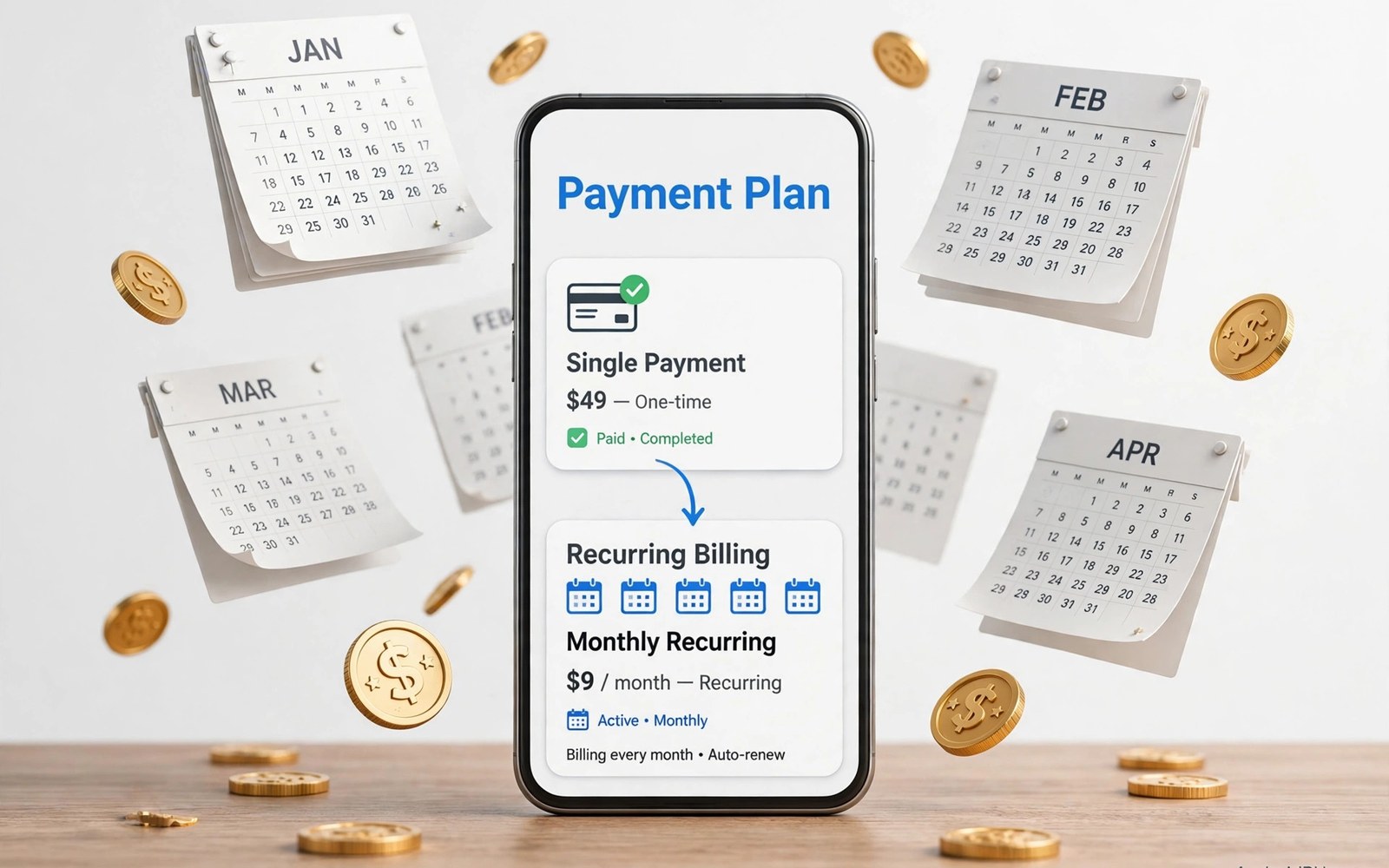
Ten years ago buying an app felt simple. You paid once and the app was yours for good. Today that model is fading fast. Most popular apps now ask for a monthly or yearly fee instead of a single payment. This shift did not happen by accident. It reflects deep changes in how software is built and sold and maintained.
The change affects nearly every category on your phone. Photo editors and fitness trackers and note apps and games all lean on recurring billing now. Some users welcome the steady stream of updates. Others feel trapped by bills that never end. Understanding why developers made this move helps you judge each offer on its own merits.
How One-Time Payments Used to Work
In the early days of app stores a developer sold a finished product. You paid a fixed price and downloaded the app. Future updates were often free but the developer earned nothing new from existing users. That model worked when apps were small and simple. It broke down as apps grew into ongoing services.
A one-time payment gives a developer a single burst of income. After launch day revenue drops sharply. Yet users keep expecting bug fixes and new features and support. The math stops working once an app needs servers and staff and constant updates. Developers either stopped updating old apps or released paid upgrades that annoyed loyal users.
Why Recurring Revenue Changed the Business
Subscriptions give developers predictable income every month. Predictable income lets a small team plan hiring and server capacity and long term roadmaps. It also rewards developers for keeping users happy over time. An app that loses users loses revenue fast under this model.
Investors and larger companies also prefer recurring revenue. A subscription business can be valued on its monthly income rather than on one-off sales spikes. That preference pushed even healthy apps toward subscriptions. The result is a market where the subscription is the default and the one-time purchase is the exception.
What Changed on the User Side
Users changed too. People now expect apps to sync across devices and back up data in the cloud. They expect fresh content and fast security fixes. Those expectations cost money every single month. A one-time fee of a few dollars cannot fund years of cloud storage and support.
At the same time users grew comfortable with renting software. Music and video services trained everyone to pay monthly for access. App developers followed that habit. The line between owning software and renting it blurred until renting became normal. That cultural shift made subscriptions easier to sell than ever before.
The Role of App Stores in the Shift
App stores shaped this trend in quiet ways. Stores take a cut of each sale and each subscription payment. They built tools that make subscriptions easy to offer and manage. Free trials and introductory pricing and family sharing all arrived as store features. These tools lowered the barrier for developers to switch models.
Stores also changed their revenue share over time. Long term subscribers now cost developers a smaller percentage than new sales. That policy rewards apps that keep users subscribed for a year or more. It is one more reason developers prefer a steady subscriber base over a stream of one-time buyers.
Where Subscriptions Make Sense for Users
Some apps genuinely deserve a subscription. A navigation app with live traffic data needs constant server work. A language app with new lessons every week needs content creators on staff. A cloud backup app stores your files around the clock. In these cases the monthly fee pays for a real ongoing service.
The test is simple. Ask what the app does for you every month that it could not do once. If the answer involves live data or fresh content or cloud storage then a subscription may be fair. If the app works fully offline with no updates then a recurring fee deserves more scrutiny. Many users find that subscription fatigue starts exactly when they stop asking that question.
Where One-Time Payments Still Win
Many tools do not need a subscription at all. A calculator or a simple photo filter or an offline puzzle game can run for years unchanged. Charging monthly for such tools feels like rent on something you already own. Users rightly push back when a basic utility hides behind a paywall.
Some developers still offer a lifetime purchase alongside subscriptions. That choice respects users who prefer to pay once. It also signals confidence that the app has lasting value. When you compare options a value analysis of free versus paid versus subscription models can reveal which deal actually saves money over two or three years.
The Hidden Costs Nobody Mentions
Subscriptions look cheap at first glance. A few dollars a month feels trivial next to a larger one-time price. But small fees add up across dozens of apps. Ten apps at five dollars a month cost six hundred dollars a year. Few users track that total until a bank statement surprises them.
Another hidden cost is loss of access. Stop paying and you often lose your data or your premium features at once. A one-time purchase keeps working even if the developer disappears. A subscription can vanish the moment billing fails. That difference matters for apps that hold your notes or photos or creative work.
How Developers Justify the Switch
Developers point to real costs behind their apps. Servers and storage and customer support all run every month. Security patches must ship quickly when new threats appear. Content teams must keep producing fresh material. Without recurring income many apps would simply shut down.
Smaller teams feel this pressure most. A solo developer cannot fund years of updates from a single launch spike. Subscriptions let that developer keep improving the app instead of chasing the next launch. Readers curious about the server side can explore server maintenance costs to see where the money actually goes.
How to Judge Any Subscription Offer
Start by checking how often you truly use the app. Daily use justifies a monthly fee far more than occasional use. Next check what happens when you cancel. Do you keep your data or lose it on the spot. Then compare the yearly price against any lifetime option. A yearly plan often costs far less than twelve monthly payments.
Also watch for free trials that convert silently. Set a reminder before the trial ends so you can decide with a clear head. Read the cancellation steps before you subscribe rather than after. An app that hides cancellation is telling you something important about how it treats customers.
What the Future Likely Holds
Subscriptions will not disappear. But the market is pushing back in useful ways. Regulators now demand clearer cancellation paths and clearer pricing. Some developers now offer both models side by side. Users are getting better at auditing their spending and cutting what they do not use.
The healthiest future is one with real choice. Subscriptions should fund genuine ongoing services. One-time purchases should remain for tools that work fine on their own. Your job as a user is to reward the developers who offer that choice fairly. Vote with your wallet and keep only the subscriptions that earn their fee every month.
The Subscription Boom in Numbers
App store revenue now leans heavily on subscriptions. Industry reports show that subscription income passed one-time purchase income years ago. The gap keeps widening as more developers convert. Even apps that once sold for a flat fee now bundle that fee into a yearly plan.
Users feel this shift in their monthly totals. The average phone owner now pays for several subscriptions at once. Music and video services sit beside app subscriptions on the same statement. That stacking effect is why a single app fee feels small while the total feels large.
How Free Trials Hook Users
Free trials lower the barrier to subscribing. You tap one button and enjoy full access for a week or a month. The trial feels free because no money leaves your account yet. But the subscription is already armed and waiting to bill you.
Developers know that many users forget trial end dates. Some trials even require a payment method upfront to start. That design converts forgetfulness into revenue. The defense is simple and it works every time. Cancel on day one and enjoy the trial without the risk.
Subscription Stacking Across Devices
Modern users own a phone and a tablet and sometimes a watch. Subscriptions often cover all of those devices under one account. That cross-device value is a genuine benefit of the model. A note app that syncs everywhere justifies its fee better than one locked to a single phone.
Stacking also hides waste. You may pay for the same kind of app on two platforms without noticing. A photo editor on your phone and another on your tablet can overlap fully. Audit across devices rather than on one screen alone. The full picture often reveals a duplicate worth cancelling.
What Happens When an App Shuts Down
A subscription app that shuts down leaves users with nothing. Your data may vanish and your premium features stop at once. A one-time app keeps working on your device even after the developer moves on. That durability gap is worth real money for tools you depend on daily.
Before subscribing ask how you would leave the app. Can you export your data in an open format. Can you keep a local copy of your work. Apps with easy export deserve more trust than apps that lock your data inside. Exit options are a feature worth paying attention to before you pay anything.
Subscriptions and App Quality Over Time
Recurring revenue can improve app quality when developers reinvest it. Regular income funds designers and testers and support staff. Apps with steady revenue often ship polished updates and fix bugs faster. That quality loop is the best argument in favor of subscriptions.
But revenue alone does not guarantee quality. Some subscription apps coast on inertia and renewals from users who forgot to cancel. Watch update history before subscribing to any app. Frequent meaningful updates signal a team that earns its fee. Long silence signals a team that merely collects it.
How to Talk About Subscriptions with Your Household
Subscriptions multiply quietly in shared households. Each person adds apps that the whole family ends up paying for. A short monthly conversation about app spending prevents resentment later. List the household subscriptions together and decide which ones still earn their place.
Children benefit from this conversation too. Explain that small monthly fees add up across a year. Show them the yearly total for their favorite apps. That lesson in recurring costs serves them far beyond the phone in their hand.
A Simple Cost Comparison You Can Run
The snippet below shows a basic way to compare a subscription against a one-time purchase. It totals three years of monthly payments and places that figure next to a single lifetime price. Change the numbers to match any app you are considering. The result often surprises people who assumed the monthly plan was cheaper.
monthly_fee = 4.99
months = 36
lifetime_price = 59.99
subscription_total = monthly_fee * months
print("3-year subscription total:", subscription_total)
print("Lifetime price:", lifetime_price)
print("Savings with lifetime:", subscription_total - lifetime_price)
The example above is a simple illustration of subscription math. It is not financial advice. Use your own real prices and your own usage habits before making a purchase decision.

