

Modern games often sell two things at once. A battle pass offers seasonal rewards for completing challenges. A monthly subscription offers ongoing perks for a recurring fee. Players face both offers on the same screen. Developers balance them carefully to maximize revenue without driving players away.
This guide explains how the two systems work and why games use both. It compares their value for different player types. It also gives spending rules that keep game costs under control. Understanding the design helps you buy only what truly adds fun.
What a Battle Pass Actually Sells
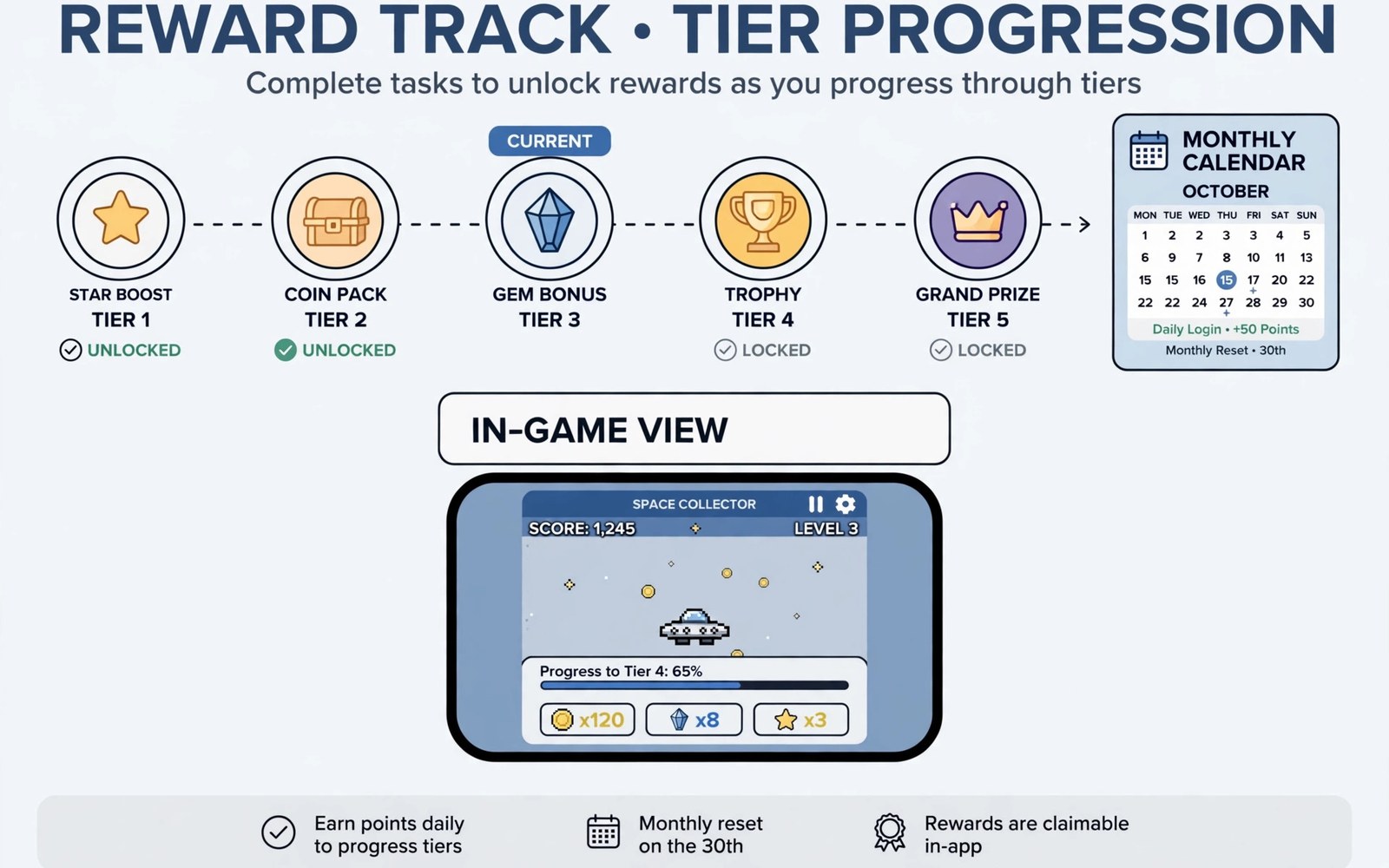
A battle pass sells a reward track for a limited season. You pay once per season and unlock rewards by playing. Free tracks offer basic rewards to everyone. Paid tracks offer premium cosmetics and currency and boosts. The season usually lasts one to three months.
Battle passes reward active play rather than spending alone. You must complete challenges to earn the rewards. That engagement loop keeps players returning daily. Developers love it because it sustains player counts across the whole season.
What a Monthly Subscription Sells
A monthly subscription sells ongoing perks that renew automatically. Typical perks include daily currency and ad removal and experience boosts. Some subscriptions grant exclusive cosmetics each month. Others unlock premium features permanently while subscribed.
Subscriptions reward loyalty rather than seasonal effort. You pay and the benefits flow whether you play daily or weekly. That steady model suits players who play consistently but dislike grinding seasonal challenges. It also gives developers predictable monthly income.
Why Games Offer Both at Once
Different players prefer different models. Grinders love battle passes because effort earns rewards. Casual spenders prefer subscriptions because benefits arrive automatically. Offering both captures both groups. A game with only one model leaves money from the other group unclaimed.
Stacking also increases total spending per player. A subscriber may still buy the battle pass each season. That player pays twice for overlapping benefits. Developers design the overlap carefully so it feels additive rather than redundant. Players should judge whether the overlap truly adds value.
Battle Pass Value for Active Players
Active players extract the most battle pass value. Completing the full track returns currency worth more than the pass price. Dedicated players effectively earn future passes for free. That self sustaining cycle rewards commitment strongly.
Casual players extract far less value. An unfinished track wastes the purchase price. Buying a pass late in the season reduces the time available to complete it. Casual players should buy passes early or skip them entirely. A pass bought with two weeks left rarely pays for itself.
Subscription Value for Steady Players
Subscriptions suit players with steady but moderate play. Daily login rewards accumulate even without long sessions. Experience boosts help casual players keep pace with active ones. Ad removal improves every session regardless of skill level.
Subscriptions waste money during inactive months. A player who stops for a month still pays the fee. Unlike a battle pass the subscription does not wait for your return. Cancel during breaks and resubscribe when you return. That discipline preserves the value.
How Developers Price the Combination
Developers price battle passes low enough to feel impulsive. A season pass often costs less than a single premium skin. Subscriptions price higher because they bundle many perks monthly. Together they create a spending ladder from small to large.
The ladder works psychologically. A cheap battle pass feels harmless. A subscription feels like a commitment but offers daily value. Once both are active the player feels invested. That investment encourages continued spending on both tracks. Recognizing the ladder helps you step off it deliberately.
Free Players and the Balance
Free players matter to developers because they fill matches and communities. Battle pass free tracks keep free players engaged. Subscription perks rarely reach free players. That gap can create a two tier community where paying players progress faster.
Fair games keep free progression meaningful. Cosmetic rewards should dominate paid tracks. Gameplay power should remain earnable without paying. When paid tracks grant real power advantages the balance breaks. Players should avoid games where spending dominates skill.
Seasonal Fatigue and Player Burnout
Seasonal passes demand constant play to complete. Missing days feels like losing value. That pressure creates burnout over multiple seasons. Players report exhaustion from chasing every seasonal reward. Developers risk losing players who tire of the treadmill.
Subscriptions add a different pressure. The monthly fee guilt-trips players into playing to justify the cost. Combined pressures from both systems can overwhelm casual players. Healthy gaming means skipping seasons and pausing subscriptions without guilt. Your fun matters more than any reward track.
Spending Rules for Both Systems
Set a single monthly gaming budget that covers both systems. A battle pass amortized over its season counts toward that budget. A subscription counts in full each month. When the budget empties stop buying until next month regardless of new offers.
Choose one primary system per game. Buy battle passes if you play intensely during seasons. Buy the subscription if you play steadily year round. Buying both should be the exception rather than the default. That rule alone cuts most overspending. The hidden spending patterns behind game monetization appear in hidden microtransaction costs for players who want deeper detail.
How Developers Test the Balance
Developers run experiments on pricing and reward structures. They measure how many players buy each system. They track retention after each season. They adjust rewards to keep both systems attractive. That testing never stops because player behavior shifts constantly.
Players benefit from understanding this testing. Limited time offers and price experiments target your spending habits. A sudden discount on a pass may test your price sensitivity. Treat every offer as a business experiment rather than a personal reward. That mindset keeps purchases rational.
Battle Passes in Non-Game Apps
Battle pass mechanics now appear outside games. Fitness apps offer seasonal challenges with rewards. Learning apps offer streak based seasonal tracks. The same psychology applies in every category. Effort based rewards drive engagement better than passive subscriptions alone.
Evaluate non-game passes with the same rules. Will you complete the track within the season. Do the rewards justify the price. Can you earn similar rewards free. If any answer is weak then skip the pass regardless of category.
The Future of Game Monetization
Regulators increasingly scrutinize game monetization. Rules around odds disclosure and spending transparency keep expanding. Some regions now require clearer labeling of paid advantages. These rules gradually improve fairness for players.
Developers also experiment with complete editions that remove ongoing monetization. A single purchase unlocks everything permanently. Those editions appeal to players tired of layered systems. Supporting them with purchases encourages more fair models. Broader context on subscription economics appears in the rise of app subscriptions for readers tracking the market shift.
Choosing Your Model Per Game
Audit each game separately rather than applying one rule everywhere. A competitive game you play daily may justify a subscription. A casual game you enjoy seasonally may justify only battle passes. A game you barely open justifies neither. Match the model to your real play pattern.
Review your game spending quarterly with this lens. Cancel subscriptions for games you abandoned. Skip passes for seasons you cannot complete. That quarterly habit keeps game spending aligned with actual enjoyment rather than momentum.
Daily Login Rewards and Retention Design
Daily login rewards hook players into opening the game every day. Missing a day breaks a streak and feels like a loss. That loss aversion drives retention powerfully. Developers tune streak rewards to maximize daily returns without giving away too much value.
Streak systems interact with subscriptions that boost daily rewards. Subscribers earn more per login than free players. That gap encourages subscription adoption among streak chasers. Recognize the loop and decide whether daily play serves your enjoyment or merely your streak.
Limited Time Skins and Artificial Scarcity
Limited time skins create artificial scarcity inside games. A skin available for one week only feels more valuable than a permanent one. Players buy from fear of missing out rather than from genuine desire. That fear drives impulse purchases effectively.
Ask yourself whether you would buy the same skin at full price next month. If the answer is no then scarcity manipulated you. Waiting for a rerun often brings the item back anyway. Scarcity in digital goods is manufactured and it deserves skepticism.
Guild and Team Spending Pressure
Guild systems add social pressure to game spending. Team events reward collective spending milestones. Members who spend little may feel they let the team down. That guilt converts social bonds into revenue effectively.
Healthy guilds respect varied spending levels. Find communities that welcome free players alongside spenders. A guild that pressures spending harms enjoyment for everyone except the developer. Your leisure time should not feel like a financial obligation.
Comparing Pass Value Across Games
Pass value varies hugely between games. One game returns double the pass price in currency. Another returns mostly cosmetics with little currency. Compare realized value rather than advertised reward counts. Currency you would buy anyway counts fully. Cosmetics you never use count for nothing.
Track your pass completions across seasons. Note which games you finished and which you abandoned. That record predicts future pass value better than any review. Stop buying passes for games with repeated incomplete seasons. The pattern will not fix itself. Players weighing layered costs can compare the broader picture in value analysis of pricing models across app types.
Subscription Pausing and Seasonal Breaks
Some game subscriptions now offer pause features. Pausing stops billing while preserving account progress. That flexibility suits players with seasonal schedules. Check whether your game subscription supports pausing before cancelling outright.
Pausing also helps during game burnout periods. A month away often restores enjoyment. Returning refreshed beats grinding resentfully through a subscription you pay for. Breaks are healthy and good monetization design should respect them.
Battle Pass Value Calculator
The snippet below estimates battle pass value from your expected play. It compares the pass price against the value of rewards you realistically complete. Adjust the completion percentage honestly. A pass you half complete rarely justifies its price.
pass_price = 9.99
total_reward_value = 25.00
completion = 0.60
realized_value = total_reward_value * completion
print("Realized reward value:", realized_value)
print("Pass price:", pass_price)
print("Net value:", realized_value - pass_price)
The snippet above is a simple illustration of battle pass math. It uses sample figures only. Replace them with the real prices and rewards of the game you play for an honest personal estimate.

