

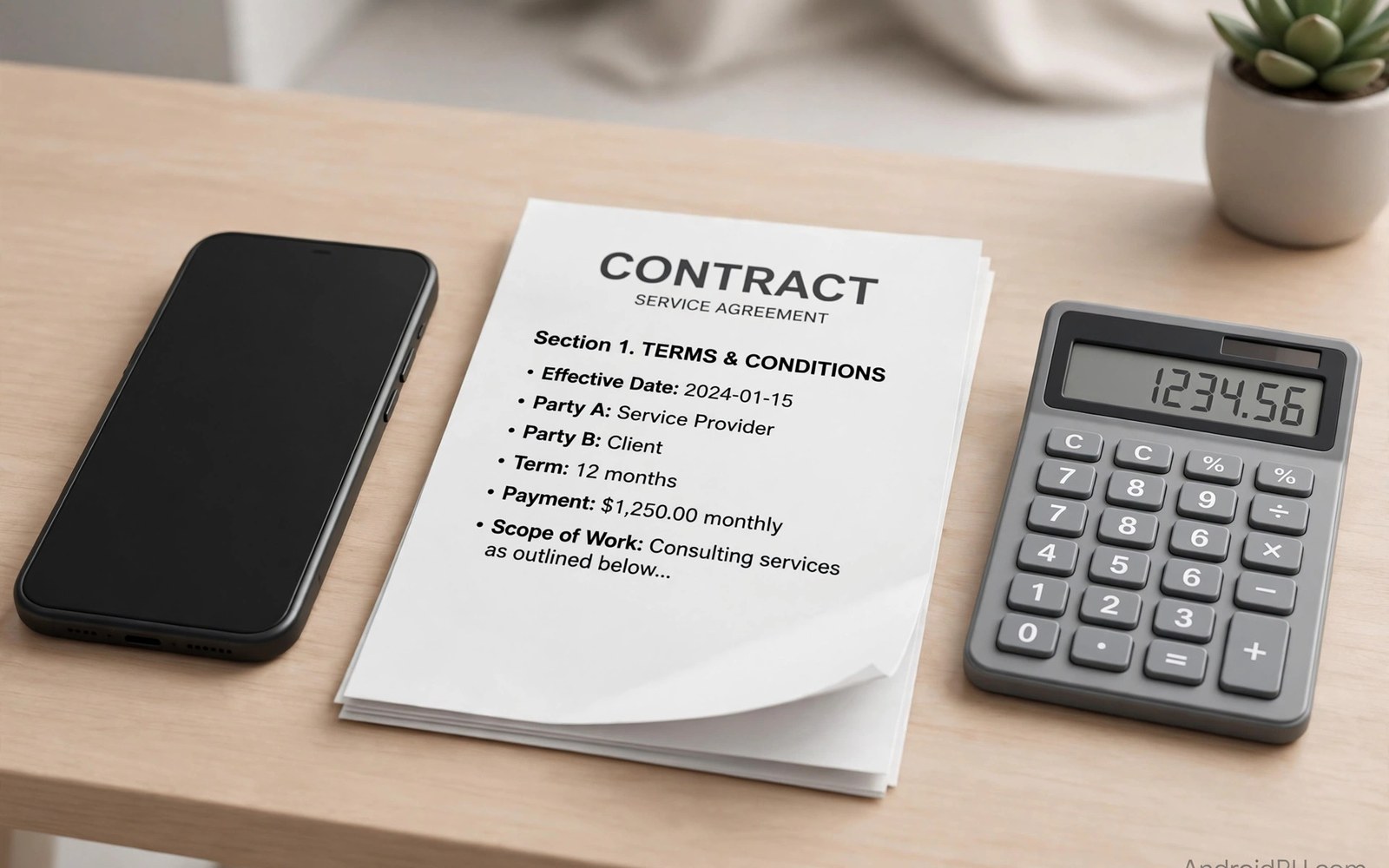
Free phone deals sound too good to be true. Often they are more complex than the ad suggests. Carriers rarely give phones away for free. They spread the price over monthly bill credits. Those credits last two or three years. Leaving early cancels remaining credits at once. You then owe the full remaining balance. This article explains the contract behind the discount.
Financing can still be a smart deal for loyal customers. It fails for switchers and frequent upgraders. The sections below cover credits and terms. They also cover early payoff and trade-in traps. Read them before signing any phone deal. A careful read saves hundreds over the contract life.
Monthly Credits Explained Simply
A financed phone has a full retail price. The carrier divides that price into monthly installments. Each month a bill credit cancels the installment. Your bill shows a charge and a matching credit. The net phone cost appears as zero. That zero lasts only while credits continue. Credits continue only while you stay on the plan. Leaving early stops credits immediately and the balance falls due.
Credits often require a specific plan tier. A cheap plan may not qualify for credits. Upgrading plans may protect credits while downgrading kills them. Read the qualifying plan terms carefully. A plan change can cost more than it saves. Keep the qualifying plan for the full term. Note the plan name in your records. That note prevents accidental credit loss later.
The True Cost Over Two Years
Compare total cost over the full contract term. Add plan payments for every month. Add the phone balance if credits fail. Add fees and taxes across the term. Compare that total with buying unlocked plus a cheap plan. The unlocked path often wins for switchers. The financed path often wins for stayers. Total cost reveals the winner for your habits.
Consider the phone value at term end too. A financed flagship holds resale value. A budget phone bought outright holds less. Resale value offsets total cost partly. A phone kept for four years spreads cost thinner. A phone replaced yearly costs far more. Match contract length to your real upgrade cycle. A three-year term punishes yearly upgraders heavily.
Early Payoff Rules and Traps
Paying off early ends monthly credits usually. You pay the remaining balance in full. Future credits vanish at payoff. That rule surprises many buyers. Some carriers let credits continue after payoff. That friendlier rule is rare and worth seeking. Ask support about payoff credit rules in writing. Written answers protect you if terms change.
Payoff may also affect trade-in bonuses. A trade-in bonus may require active financing. Paying off early can cancel that bonus. Read trade-in terms before payoff decisions. Sometimes staying financed beats paying off. The math depends on remaining credits. Calculate both paths before acting. A spreadsheet with months remaining clarifies the choice fast.
Trade-In Deals Behind the Headline
Trade-in deals promise huge value for old phones. The value arrives as monthly credits too. It rarely arrives as instant cash. A 1000-dollar trade-in may spread over 36 months. Leaving early cancels remaining trade-in credits. The old phone is already gone by then. You cannot recover it after trading. That lock-in is the real price of the deal.
Trade-in values depend on phone condition strictly. A cracked screen cuts value sharply. A phone with a weak battery loses value. Check the condition tiers before trading. A damaged phone may earn little despite ads. Selling the old phone privately may pay more. Private sales give cash at once. Compare private sale cash with credit totals honestly.
Plan Requirements That Raise Bills
Financed deals often require premium unlimited plans. Premium plans cost more than basic plans monthly. The extra plan cost over three years is large. It can exceed the phone discount value. Calculate plan premium times contract months. Compare that premium with the phone credit total. If premium exceeds credits then the deal loses money. Many buyers miss this simple comparison.
Premium plans bundle perks you may not use. Streaming bundles add perceived value only. Price only perks you use weekly. Ignore perks that sit unused. A premium plan for one used perk wastes money. Downgrading later may kill credits. That trap locks you into premium pricing. Read downgrade rules before signing anything.
Upgrading Mid-Contract Options
Carriers offer early upgrade programs for restless users. Those programs require a paid-off percentage. Often half the phone must be paid first. You then trade the phone and start a new term. The old credits vanish with the trade. A new term starts the lock-in clock again. Frequent upgrades through programs cost the most. Each cycle resets the contract trap.
Some programs charge a monthly upgrade fee. That fee adds to plan and phone costs. Add it to total cost math. A fee of ten dollars monthly totals 360 over three years. That sum rivals a budget phone price. Skip upgrade programs if you upgrade rarely. They serve yearly upgraders only. Yearly upgraders should buy unlocked instead usually.
Leaving Early What You Owe
Leaving early triggers the remaining balance at once. The carrier bills it on the final statement. That bill can reach hundreds of dollars. Budget for it before switching carriers. Some carriers offer payoff deals for switchers. A rival may pay your remaining balance. Those deals require a new contract there. You trade one lock-in for another.
Check the final bill line by line after leaving. Credits should stop cleanly at departure. Charges should match the payoff quote. Dispute errors within days of the bill. Keep payoff quotes in writing from support. Written quotes resolve disputes faster. A clean exit needs records from start to finish. Save every contract document for the full term.
Financing Versus Buying Unlocked
Buying unlocked costs more upfront but frees you. You can switch carriers any month. You can sell the phone any time. You avoid premium plan requirements. Cheap plans pair well with unlocked phones. Compare them through budget carrier plans before your next purchase. Total two-year cost often favors unlocked. The gap grows for users who switch often. Freedom has a price worth calculating.
Financing suits users who stay put for years. A stable user on a premium plan gains. Credits effectively discount a phone they wanted. The lock-in costs them nothing extra. They would have stayed anyway. Match the path to your loyalty pattern. Stayers finance while switchers buy unlocked. Honest self-assessment picks the winner.
Credit Checks and Account Impacts
Financing requires a credit check in most markets. The check may affect your credit score slightly. Missed payments harm scores far more. Treat phone financing like any loan. Pay the bill on time every month. Set autopay to avoid missed payments. Autopay prevents late fees and score damage. A phone loan deserves loan-level care.
Multiple financed lines multiply the obligation. Four phones mean four balances at once. Leaving early multiplies payoff costs too. Families should finance selectively. Finance only lines that truly need flagships. Buy budget phones outright for other lines. That mix limits total family exposure. A balanced family plan mixes financed and owned phones.
Negotiating a Better Financing Deal
Ask for a shorter term before signing. A 24-month term beats a 36-month term. Shorter terms free you sooner. They also reduce plan premium totals. Ask about payoff credit continuation too. Friendlier terms exist but stay unadvertised. Ask support directly and note answers. Negotiation works better before signing than after.
Compare rival carrier deals in the same week. Rival quotes give leverage for better terms. Mention competitor offers honestly to support. Support may match credits or waive fees. Never invent rival offers falsely. Honest comparison builds better deals. Walk away if terms feel predatory. Another deal appears within weeks usually. Patience is a strong negotiating tool for phone buyers.
Insurance and Protection Plans on Financed Phones
Carriers push protection plans with financed phones. Those plans add monthly fees for years. A protection plan covers cracks and faults. It may not cover loss in all cases. Read the coverage list before adding it. Manufacturer warranties cover faults for one year. Protection plans extend that cover with accident help. Compare standalone insurance prices too.
Protection plans often carry a claim deductible. A cracked screen claim may cost a deductible. Add deductibles to total protection cost. A plan plus two deductibles may exceed repair prices. Self-insuring suits careful users with cases. A good case prevents most screen damage. Protection plans suit users with risky jobs. Construction workers break phones more often.
Refinancing and Payoff Timing Strategy
Payoff timing changes total cost noticeably. Pay off right after credits end for best value. Paying off mid-term wastes future credits. Wait for credits to finish if possible. Mark the credit end date in your calendar. Set a reminder one month before it. That reminder prevents accidental early payoff. Patience with payoff saves real money.
Refinancing a phone loan rarely helps consumers. Phone loans carry no interest typically. Refinancing cannot cut interest that does not exist. It only extends lock-in through new terms. Avoid third-party payoff loans entirely. Those loans add interest to a zero-interest debt. They turn a fair deal into a costly one. Pay the carrier directly and avoid middlemen.
Financing Deal Checklist
- Find the full retail price and the credit term length.
- Confirm which plan tier qualifies and what downgrades kill credits.
- Add plan premiums over the full term to total cost.
- Ask about payoff rules and trade-in credit rules in writing.
- Compare the total with buying unlocked plus a cheap plan.
- Save every contract document and payoff quote for the term.
Total financed cost = plan premium x months + fees
Total unlocked cost = phone price + cheap plan x months
Credit risk = remaining balance if you leave early
Compare totals over 24 and 36 months
Choose the lower total for your real upgrade cycle
The method above reflects common consumer practice for comparing phone financing deals. Credit terms and plan requirements vary by carrier and region. Always read the full contract before you sign any financing deal.
Discounts Are Contracts in Disguise
Carrier discounts hide contracts behind monthly credits. Credits last only while you stay and pay. Leaving early cancels credits and bills the balance. Plan premiums can erase the discount value. Compare total costs over the full term. Buy unlocked if you switch often. Finance only if you stay put for years. Users planning a move should also follow switching carriers while keeping your number after payoff.
Read every term before signing a phone deal. Ask about payoff and downgrade rules in writing. Keep records for the whole contract term. A careful buyer turns a good deal into real savings. A rushed buyer turns a free phone into an expensive lesson. Buyers escaping lock-in should also understand unlocking a carrier-locked phone for their next device.

