

Zoom Without The Bulk
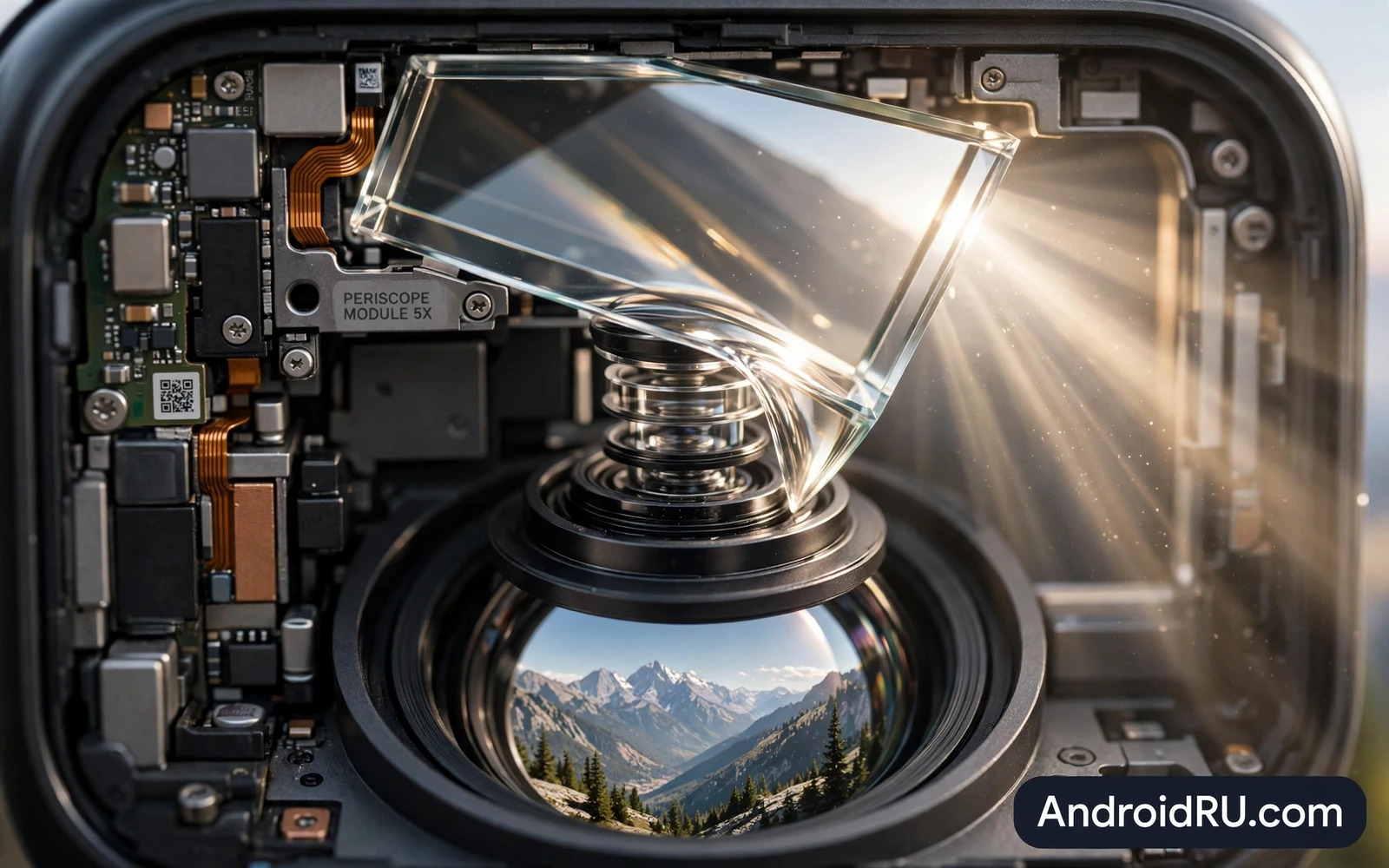
A periscope lens solves a simple physical problem and it lets a slim phone magnify distant subjects without a long lens barrel sticking out of the back. Traditional telephoto optics need length and a phone body cannot provide that length in a straight line. A periscope design bends light sideways with a prism so the optical path runs along the width of the phone instead. That folded path creates room for real optical magnification inside a pocket device. The result is sharper distant photos than digital cropping can deliver and a more natural perspective for portraits and wildlife and architecture.
This article explains how telephoto periscope lenses work on smartphone cameras in plain language and it focuses on practical choices rather than on marketing claims. Small design decisions add up over months of use and a comfortable fit or a clear display or a reliable connection can matter more than a headline feature. Durability is about more than surviving a drop because hinges and ports and buttons and coatings all wear down through repeated daily handling. A product that receives regular updates and honest changelogs is usually a safer long term bet than a flashier product that goes quiet after launch.
The Folded Light Path
Light enters through the camera window and hits a prism that turns it ninety degrees into a horizontal tunnel. Lens elements inside that tunnel magnify the image before it reaches the sensor. Folding the path sideways gives the optics far more working length than the thickness of the phone allows. A feature that looks strong on a specification sheet can still feel weak in daily use when software polish and battery behaviour and heat control are missing. A device that is easy to set up and easy to charge and easy to carry will get used far more often than a powerful device that feels awkward in daily life. Future proofing is not about chasing every new standard and it is about choosing open connections and proven formats that will still work with the next phone you buy. Many buyers regret a purchase because they chased one impressive number while ignoring weight and grip and screen readability in the conditions where they live. Software support shapes the long term value of a device because security fixes and stability fixes and compatibility fixes keep a good device useful after newer models arrive. For a wider view of the hardware trade-offs behind this topic open Smartphone Camera Sensor Sizes Explained: Why Megapixels Lie and compare the priorities that matter in a different device class.
Optical Zoom Versus Digital Crop
Optical zoom magnifies through glass before the sensor captures the image so detail stays real. Digital zoom merely crops and enlarges a smaller portion of the sensor image which loses detail quickly. Periscope optics therefore preserve distant texture such as feathers and brickwork and facial detail far better than cropping alone. Small design decisions add up over months of use and a comfortable fit or a clear display or a reliable connection can matter more than a headline feature. Durability is about more than surviving a drop because hinges and ports and buttons and coatings all wear down through repeated daily handling. A product that receives regular updates and honest changelogs is usually a safer long term bet than a flashier product that goes quiet after launch. A feature that looks strong on a specification sheet can still feel weak in daily use when software polish and battery behaviour and heat control are missing. A device that is easy to set up and easy to charge and easy to carry will get used far more often than a powerful device that feels awkward in daily life.
Prism Quality And Image Stability
Prism quality decides how much light survives the bend and how sharp the final image stays. Optical stabilisation moves lens elements or the sensor to counter hand shake during long zoom shots. Without strong stabilisation a distant subject blurs easily because small hand movements magnify with zoom. Real world performance depends on the whole system working together and a strong processor cannot rescue weak cooling or weak antennas or weak power management. When two devices look similar on paper the difference often sits in sensor quality and in microphone quality and in antenna tuning that never appears in a short advertisement. The right question is not which device wins a benchmark and it is which device stays fast and cool and reliable during the tasks that you actually repeat every day. Small design decisions add up over months of use and a comfortable fit or a clear display or a reliable connection can matter more than a headline feature. Durability is about more than surviving a drop because hinges and ports and buttons and coatings all wear down through repeated daily handling. Extra perspective comes from Best Mid-Range Smartphones for Camera Enthusiasts where the same kind of practical testing reveals what holds up after months of everyday use.
Sensor Size And Light Gathering
Periscope cameras often use smaller sensors than main cameras because the folded tunnel limits space. Smaller sensors gather less light so periscope shots can look noisier in dim conditions. Computational processing helps by combining frames and reducing noise while preserving edge detail in good light. Battery behaviour changes with heat and with age and with usage patterns so a fair judgement needs weeks of normal use rather than a single first impression. Privacy settings deserve the same attention as hardware because microphones and cameras and location data all need clear controls that a normal person can actually find. Good design hides complexity and the best devices make hard technology feel simple without removing the settings that advanced users need. Real world performance depends on the whole system working together and a strong processor cannot rescue weak cooling or weak antennas or weak power management. When two devices look similar on paper the difference often sits in sensor quality and in microphone quality and in antenna tuning that never appears in a short advertisement.
Portrait And Compression Effects
Telephoto focal lengths compress perspective so background elements appear closer to the subject. That compression flatters portraits by softening facial proportions and by separating the subject from a blurred background. Photographers use periscope lenses for street scenes too because distant layering gains a pleasing depth. A sensible buyer compares total ownership cost rather than launch price alone because accessories and repairs and replacements and subscriptions all add to the real cost. Accessories can transform a good device into a great setup but only when they fit well and stay attached and do not block ports or buttons or cooling vents. The best choice is rarely the most expensive option and rarely the cheapest option because balance across comfort and speed and support matters more than any single highlight. Battery behaviour changes with heat and with age and with usage patterns so a fair judgement needs weeks of normal use rather than a single first impression. Privacy settings deserve the same attention as hardware because microphones and cameras and location data all need clear controls that a normal person can actually find. If the budget question feels unresolved then Best Mobile Devices for Content Creators and Vloggers offers a clear look at where mid-range value actually comes from in practice.
When Periscope Zoom Struggles
Periscope zoom struggles in low light and in fast action and through glass or haze. Autofocus may hunt at maximum zoom and heat shimmer over long distances can soften detail. Knowing those limits helps photographers step closer or wait for better light rather than forcing a weak shot. Comfort during long sessions is a practical test and not a luxury because eye strain and neck strain and hand fatigue all grow when a device fights the user. A calm buying process beats a rushed one because a short wait for reviews and for price history and for software feedback often prevents an expensive mistake. Before spending money it helps to list the three tasks that matter most and to judge every option against those tasks rather than against a long list of extras. A sensible buyer compares total ownership cost rather than launch price alone because accessories and repairs and replacements and subscriptions all add to the real cost. Accessories can transform a good device into a great setup but only when they fit well and stay attached and do not block ports or buttons or cooling vents.
Choosing A Phone For Zoom Photography
Buyers should test zoom at the focal lengths they actually use rather than at maximum zoom alone. Daylight detail and stabilisation and colour consistency with the main camera matter most. A phone whose telephoto colours match the main camera produces a coherent photo set across a whole trip. Charging speed and battery health pull in opposite directions and the smartest designs balance fast top ups with gentle charging when time allows. Testing a device in a shop for a few minutes rarely reveals how it behaves after a long day of real notifications and travel and media playback. Compatibility deserves a careful check because a device that works well with one phone or one account or one home system may struggle with another setup. Comfort during long sessions is a practical test and not a luxury because eye strain and neck strain and hand fatigue all grow when a device fights the user. A calm buying process beats a rushed one because a short wait for reviews and for price history and for software feedback often prevents an expensive mistake. The notes at Future Smartphone Display Technologies: Under-Screen Cameras complement this article by showing how display quality and battery life interact during heavy daily use.
Quick Checklist Before You Decide
- Test zoom in daylight and in dim light before judging a periscope camera.
- Compare telephoto colours with main camera colours for a consistent photo set.
- Hold steady or brace against a surface for maximum zoom shots.
- Clean the camera window because dust softens distant detail quickly.
- Use optical zoom first and digital zoom only when no closer position exists.
- Check stabilisation performance during video zoom as well as photo zoom.
Final Thoughts
The smartest approach is to start from daily tasks and to test comfort and readability and battery behaviour before trusting any single claim. A device that fits those tasks will feel right long after the excitement of unboxing fades. Take time to compare support history and accessory availability and real owner feedback. That patience turns a risky purchase into a confident one and it keeps the focus on value that lasts.

