

What Makes A Shooter Tactical
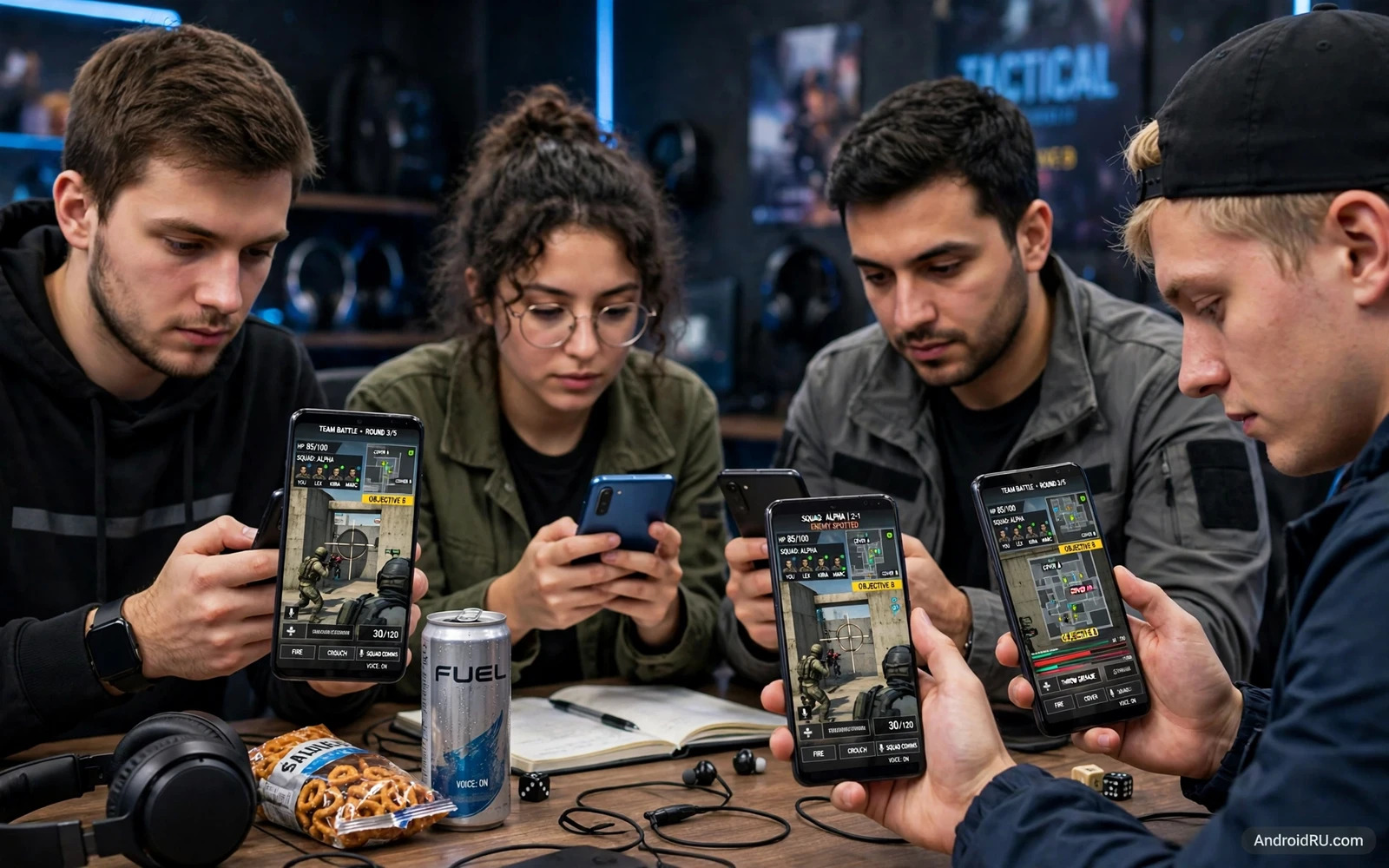
A tactical shooter rewards brains as much as aim. Maps offer cover and sight lines and flanking routes that reward teams who move together. A lone hero who rushes ahead often dies quickly even with excellent aim. A coordinated squad that holds angles and trades positions can control a map with discipline. That team focus separates tactical shooters from run and gun titles where individual speed dominates every match. Tactics turn a shooter into a thinking game played at high speed.
Weapon and role design also shapes tactics. A sniper controls long sight lines but struggles up close. A close range fighter clears rooms but suffers in open ground. A support player supplies utility that blinds or slows or reveals enemies. Good teams balance those roles and adapt when a plan fails. A match becomes a conversation of moves and counters rather than a simple test of reflexes. That depth keeps tactical shooters fresh across hundreds of matches.
Team Roles And Communication
Clear roles help a squad act as one unit. An entry player leads pushes and gathers information at personal risk. A support player follows with utility and covers retreats. A sniper or long range player watches flanks and punishes overextension. A flexible player fills gaps as the match evolves. Roles should guide play without trapping players in rigid boxes. The best squads switch roles fluidly when the situation demands a new approach.
Communication wins matches more reliably than aim alone. Short callouts about enemy positions and health and ability status help teammates make fast decisions. Voice chat suits coordinated squads while quick ping systems suit random teams. Learn the ping system of your game even if you rarely use voice. A single accurate ping can save a teammate and turn a losing round into a win. Silence loses games because teammates cannot act on information they never receive.
Competitive squads can study broader team play in the esports picks in Best Multiplayer Esports Games for Android Competition where coordination and discipline matter across many genres. Tactical habits transfer well from one team game to another.
Maps Positioning And Timing
Maps are tactical puzzles with safe routes and danger zones. Learn common angles and choke points before you chase kills. A player who knows where enemies usually appear can pre aim and hold a strong position. A player who wanders blindly gives enemies free information and free shots. Study one map deeply rather than learning many maps shallowly. Deep map knowledge turns guesswork into confident movement.
Timing separates good squads from great squads. Pushing together beats pushing one by one because concentrated force overwhelms defenders. Waiting for utility before a push beats rushing into a prepared defence. Retreating at the right moment saves a round that reckless aggression would lose. Tactical shooters reward patience as much as courage. The bravest play is often a disciplined hold rather than a flashy charge.
Aim Control And Mobile Settings
Mobile aim needs settings tuned to your hands and your phone. Sensitivity that feels fast in menus may feel wild in combat. Start with a medium sensitivity and adjust in small steps after several matches rather than after one bad round. Aim assist settings vary by game and mode so learn what your title offers and what feels fair. A stable setting practised daily beats a perfect setting changed constantly.
Layout matters as much as sensitivity. Place fire and aim buttons where your thumbs rest naturally. Keep jump and crouch within reach without lifting your aim thumb. Use a layout that lets you move and aim and shoot at the same time when the game allows claw style play. Practice the layout in training modes before ranked matches so muscle memory forms without ranking pressure. Comfort built in practice pays off under fire.
Players who use a gamepad gain steadier aim in many tactical titles. Pairing guidance for a popular controller appears in How to Set Up PS5 DualSense Controller on Your Android Phone and the same stability thinking applies to any controller you prefer. A steady connection and a comfortable grip matter in every close fight.
Modes From Bomb Defusal To Domination
Tactical shooters offer modes that test different skills. Bomb defusal modes reward careful site takes and post plant defence. Domination modes reward map control and rotation speed. Elimination modes reward survival and team trades. Each mode teaches a different lesson. A squad that excels in one mode may struggle in another until it adapts its tempo. Try several modes to discover which style suits your squad best.
Round based modes add economy and strategy across rounds. Winning rounds may grant resources for better gear. Losing rounds may force careful saving for a stronger future round. Economy decisions separate thoughtful squads from squads that spend blindly every round. Learn the economy of your game and discuss purchases as a team. A coordinated buy round often decides a match more than any single duel.
Fair Play And Healthy Competition
Fair play keeps tactical shooters enjoyable for everyone. Avoid cheats and exploits because they destroy trust and risk account penalties. Report suspicious play through official tools rather than accusing teammates in chat. A healthy squad culture also matters. Encourage teammates after losses and share mistakes honestly without blame. Teams that learn together improve faster than teams that argue after every round.
Ranked play should match your mood and energy. Play ranked when focused and rested. Play casual modes when tired or learning a new role. That separation protects your ranking and your enjoyment. Tactical shooters reward a clear mind because decisions matter constantly. A tired brain makes impatient pushes and misses callouts. Rest is a tactical choice as much as any in game decision.
Classic shooter fans can compare tactical play with the fast action picks in Top First-Person Shooter (FPS) Games Available on Android where aim and speed take a larger share of success. The contrast clarifies what makes tactical play distinct and rewarding.
Building A Squad That Lasts
A lasting squad needs shared goals and compatible schedules more than identical skill. A casual squad that plays for fun needs different expectations from a competitive squad that trains for tournaments. Agree on goals early and respect them during losses. A squad that shares goals survives losing streaks because members understand the larger purpose. A squad without shared goals fractures at the first slump.
Practice together with purpose rather than only playing matches. Review a lost round and ask what positioning or timing failed. Try a new strategy in casual mode before ranked play. Celebrate smart plays even in losses because recognition reinforces good habits. Over time a squad develops shorthand callouts and trust that random teams cannot match. That trust is the real advantage of a lasting team.
Choosing Your Tactical Shooter
Choose a tactical shooter by pace and community and device fit. A slower methodical title suits players who love planning. A faster tactical title suits players who love action with structure. A large community means faster matches and more guides. A smaller community may offer a tighter and friendlier scene. Test performance on your phone before you invest in cosmetics or ranked grinding because smooth play matters more than any skin.
Finally remember that tactical shooters reward learning over time. Early matches may feel harsh as experienced players punish mistakes. Persist through that phase with training modes and friendly squads. Skill in tactics grows steadily when you review losses and practise deliberately. The moment your squad executes a clean coordinated push without a word spoken is worth every early defeat.
Controller players entering tactical squads should also read the Xbox pairing guide in How to Connect Xbox Wireless Controller to Android via Bluetooth so their gamepad is ready before the first team battle begins. Preparation before a match beats troubleshooting during one.
Clutch Moments And Staying Calm
Clutch moments arrive when a round depends on one player against several enemies. Panic causes rushed shots and noisy movement that reveal position. Calm causes patience and information gathering and one clean duel at a time. The best clutch players isolate enemies rather than fighting a whole team at once. They use sound and map knowledge to predict movement. They take the first safe duel and then reposition before the next fight. That discipline turns impossible rounds into memorable wins.
Clutch skill grows through practice in low stakes modes. Play solo against AI or in casual matches with a focus on isolation and patience. Review clutch rounds and note whether you rushed or waited. Over time calm becomes a habit rather than an effort. Teammates also help clutch players by giving clear information instead of shouting. A calm team voice in a tense round is worth more than any weapon upgrade because it protects the focus that wins rounds.
Sound Cues And Awareness In Tactical Play
Sound cues give tactical players information that eyes alone cannot provide. Footsteps reveal nearby movement. Gunfire direction hints at enemy positions. Ability sounds warn of incoming utility before visuals confirm it. Good players play with sound on and learn each cue the way musicians learn instruments. A quiet match is a dangerous match because silence often means enemies are holding angles and waiting.
Headphones improve sound awareness dramatically on a phone because stereo separation becomes clearer. A sound on the left means an enemy on the left even before you see a character model. Train your ears in casual matches by calling out sounds before you see their source. That training builds a mental map of the battlefield that vision alone cannot match. Awareness through sound is a skill that separates experienced squads from noisy beginners.
Balance sound with communication so callouts do not drown out cues. Keep voice volume moderate and game volume high enough to hear footsteps. Agree on short callouts that convey position quickly without long explanations. A squad that hears both game and teammates clearly plays with double awareness. That double awareness wins rounds that aim alone cannot win.

