

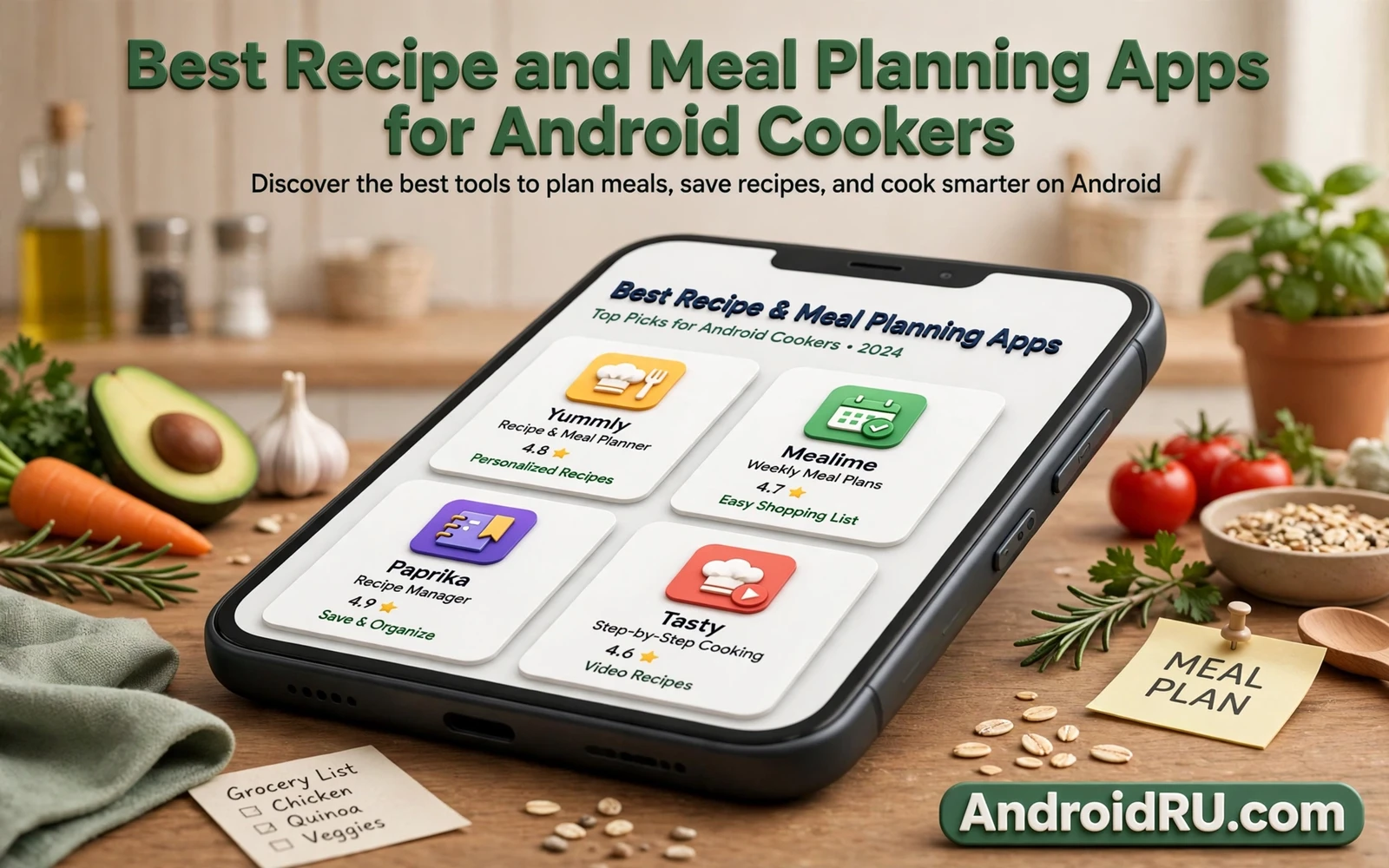
Cooking at home gets easier with a plan. A recipe app can suggest dinner from what you already own. A meal planner can spread cooking across a week. A shopping list can stop duplicate purchases. Together those tools cut waste and cut stress. They also help you try new dishes without a pile of cookbooks.
A good recipe app starts with search that understands real kitchens. You should search by ingredient. You should search by time available. You should search by diet preference. You should filter out dishes that need tools that you do not own. A search that only matches dish names will frustrate a busy cook.
Meal planning adds structure on top of recipes. A planner lets you assign dishes to days. It lets you balance heavy and light meals. It lets you reuse leftovers wisely. It lets you plan a shopping trip once for a whole week. A week planned in advance feels calmer than a daily scramble for dinner ideas.
Features That Matter In The Kitchen
Step by step mode is the most useful cooking feature. It shows one step at a time in large text. It keeps the screen awake while you cook. It lets you move forward with a tap even with messy hands. A wall of small text forces you to scroll with wet fingers. A step mode keeps cooking smooth.
Ingredient scaling saves mental math. A recipe for two should scale to four with one control. Quantities should update across the whole list. Units should stay consistent. Scaling that only changes the headline number is not real scaling. Test scaling before you trust it for guests.
Shopping lists should sync from the meal plan automatically. A dish added to a day should add its ingredients to the list. Ingredients that you already own should stay out of the list. Pantry tracking helps here. A pantry list that you update after shopping keeps future lists accurate.
Nutrition tracking helps many home cooks. A recipe with clear nutrition data helps you balance a week. A planner that totals nutrition per day helps you spot heavy days. Nutrition data should stay a guide rather than a strict rule. Cooking joy matters as much as numbers. Use data to inform choices rather than to police every meal.
Planning A Week That You Will Actually Cook
Start with your real schedule. Mark busy nights. Mark nights with more time. Assign quick dishes to busy nights. Assign slower dishes to relaxed nights. A plan that ignores your schedule will fail by Wednesday. A plan that respects your schedule will survive the week.
Reuse ingredients across the week. A roast can become sandwiches the next day. Rice can serve two different dishes. Fresh herbs can flavor several meals before they fade. Ingredient reuse cuts waste. It also cuts shopping cost. Plan reuse deliberately rather than hoping for it.
Keep one flexible night each week. A flexible night absorbs leftovers. It absorbs a late work day. It absorbs a sudden craving. A rigid seven day plan breaks at the first surprise. A plan with slack bends without breaking. Flexibility is a feature of a good plan.
Prep in batches when time allows. Chop vegetables for two days at once. Cook grains in a larger batch. Store portions clearly with labels. Batch prep turns a busy week into a series of quick assemblies. It also keeps healthy options ready when hunger strikes.
Cooking Skills And Confidence
Video guidance helps for new techniques. A short clip can show a knife grip better than text can. A clip can show dough texture better than a description can. Use video for techniques that you have never tried. Use text steps for dishes that you already know. That mix keeps learning efficient.
Substitution guidance helps when an ingredient is missing. A good app suggests swaps that keep flavor close. It warns when a swap changes texture. It explains why a swap works. Substitution knowledge grows with practice. Save successful swaps in notes for next time.
Notes turn a recipe app into a personal cookbook. Note the changes that you made. Note the cooking time on your stove. Note the seasoning level that your family prefers. Notes make a generic recipe yours. A personal note is worth more than a star rating alone.
Keeping notes in sync across devices helps in the kitchen and at the store. A note edited on a tablet should appear on the phone at the market. Sync turns scattered ideas into one reliable cookbook. Many cooks build that habit with note taking apps that sync across devices alongside their recipe app for shopping notes and recipe tweaks.
Health And Fitness Links
Meal planning connects naturally with fitness goals. A week of balanced meals supports training. A week of heavy meals can slow recovery. A planner that shows nutrition trends helps you align food with activity. It does not need to be perfect. A general balance across a week matters more than a perfect single day.
Fitness apps can complement meal planning without duplicating it. A fitness app tracks movement and activity. A recipe app tracks food ideas and shopping. Together they give a fuller picture of a healthy week. You can explore the activity side through fitness trackers and health apps for Android and keep food planning in its own dedicated tool.
Diet preferences need respectful handling. A planner should filter clearly for vegetarian or vegan or gluten free needs. Filters should apply across search and planning and shopping. A filter that only works in search will leak unsuitable dishes into a plan. Test filters with a full week plan before you rely on them.
Family cooking adds another layer. Different ages and tastes share one table. A planner that lets you note preferences per person helps. A dish that pleases most of the table with a small side variation for one person is a win. Plan variations rather than separate full meals. That approach saves time and keeps meals shared.
Recipes From Other Languages
Great recipes live in many languages. A translation tool can open dishes from other food cultures. Translate ingredient names carefully. Translate cooking verbs carefully. Check quantities after translation. A translated recipe still needs a cook sense check before you start. That extra check prevents a mistranslated step from ruining dinner.
Offline translation helps in a kitchen with weak signal. A translated recipe saved offline stays available while you cook. A phrasebook style tool can help with market shopping abroad. Language tools pair well with cooking exploration. You can learn more about offline language help through translation apps for Android with offline mode support when you plan to cook dishes from other countries.
Common Meal Planning Mistakes
One mistake is planning only aspirational dishes. A week full of complex new recipes will exhaust you. Mix familiar dishes with one new dish per week. Familiar dishes give confidence. New dishes give excitement. That balance keeps cooking enjoyable.
Another mistake is ignoring pantry reality. A plan that needs ten new ingredients per day will cost too much. Check the pantry before finalizing a plan. Build the plan around what you own. Let shopping fill gaps rather than rebuild the pantry each week.
A third mistake is skipping the shopping list step. A plan without a list leads to extra store trips. A plan with a synced list leads to one efficient trip. Review the list before you leave. Cross off items that you already own. That review takes minutes and saves a return trip.
Finally keep the plan visible. A plan hidden inside an app gets forgotten. A plan on the home screen or on the fridge gets followed. Some cooks export the week to a widget or a printed list. Visibility turns intention into action. A visible plan is a plan that gets cooked.
The best recipe and meal planning apps make home cooking calmer. They turn ingredients into ideas. They turn ideas into a week. They turn a week into one shopping trip. Pick an app with strong search and step mode and synced lists. Plan around your real schedule. Cook with flexibility. Enjoy the table that results.
Building A Pantry That Supports Planning
A well stocked pantry makes meal planning easier. Staples like rice and pasta and canned tomatoes support many dishes. Spices support flavor variety without many fresh purchases. Oils and vinegars support dressings and cooking bases. A pantry inventory inside the app can guide planning choices.
Update the pantry after each shopping trip. Remove items that you used. Add items that you bought. A stale pantry list misleads planning. A fresh pantry list makes planning fast. Spend two minutes on pantry updates while unpacking groceries.
Plan around seasonal produce. Seasonal vegetables cost less and taste better. Seasonal fruit inspires new dishes. A planner that highlights seasonal options can spark creativity. Seasonal cooking also connects meals to the time of year in a pleasant way.
Keep emergency meals in the plan. A pantry pasta dish can rescue a late night. A frozen soup can rescue a sick day. An emergency meal should need few fresh ingredients. It should cook fast. It should satisfy the family. Emergency options prevent takeout on hard days.
Involve family in planning where possible. Let each person pick one dish per week. Let children pick a simple dish to help cook. Shared picking reduces complaints at the table. Shared cooking builds skills and memories. A plan chosen together gets followed more willingly.
Review the week after it ends. Note dishes that worked well. Note dishes that took too long. Note dishes that nobody enjoyed. A short review improves next week planning. A plan that learns from experience gets better every week.
Meal Planning For Special Occasions
Special occasions deserve a separate plan. A holiday meal needs more prep time. A birthday meal needs guest preferences. A dinner party needs timing across dishes. Plan occasion meals a week ahead. Test a new occasion dish before the event day. A tested dish reduces event stress greatly.
Guest diets need a clear plan. Ask about allergies early. Ask about preferences early. Plan a main dish that most guests can eat. Plan sides that cover remaining needs. A single inclusive main dish beats many separate meals. Inclusion at the table matters.
Timing matters for multi dish meals. Work backwards from serving time. Note oven time for each dish. Note resting time for each dish. Note last minute tasks. A written timeline prevents a cold main dish while sides finish. A timeline turns chaos into calm.
Leftovers from occasions deserve a plan too. Store portions promptly. Label containers with dish and date. Plan leftover meals for the next two days. Occasion leftovers can feed a busy week well. A leftover plan extends celebration without extra cooking.

