

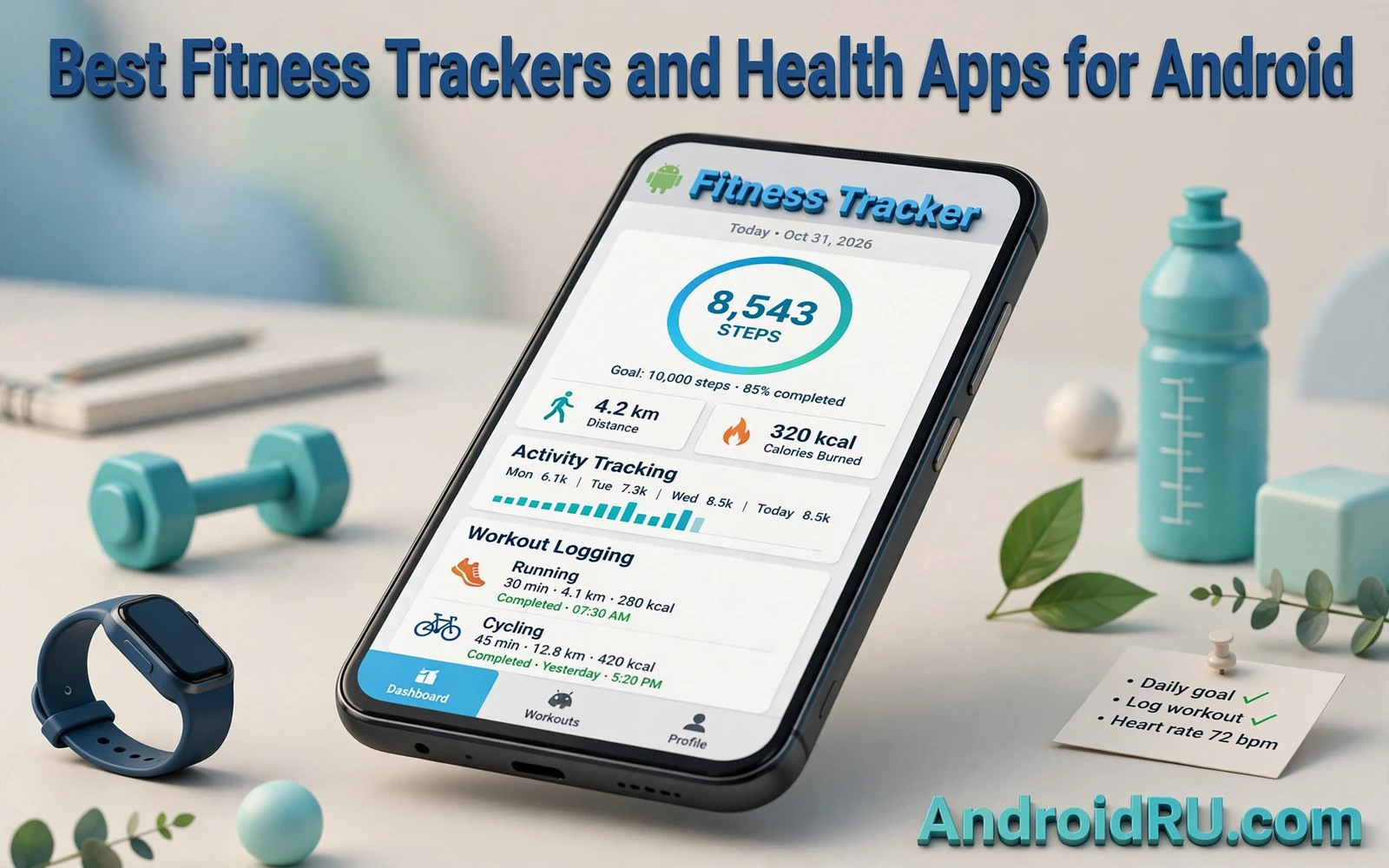
A fitness app succeeds when it makes progress visible on ordinary weeks. Motivation feels strong at the start of a new routine. Motivation fades when results stay invisible for a month. A tracker bridges that gap by showing small gains that the mirror and the scale miss.
A strong fitness app starts with clarity about the problem it must solve for anyone building a steadier exercise or sleep routine. The problem is not a lack of options because the store overflows with similar tools. The problem is choosing a tool that matches real habits rather than advertised promises. A careful buyer tests the core workflow on a normal day before trusting the tool with important data.
The payoff of a good choice is visible progress that keeps motivation alive. The cost of a poor choice is all-or-nothing routines that collapse after one missed week returning again and again. This guide compares approaches rather than chasing a single perfect app. The goal is a confident choice that survives busy weeks and changing phones.
What makes a great fitness app
Start with step and activity tracking because it determines whether the tool feels trustworthy in daily use. A tool can look beautiful yet fail when its core protection or core function feels weak. Test the core function first with real data and real tasks. A tool that passes that test deserves a longer trial.
Next examine workout logging and sleep analysis because convenience decides whether a tool stays installed. A powerful tool that demands many taps will lose to a simpler tool that works in seconds. A convenient tool that skips protection will lose trust at the worst moment. The best tools balance both sides without forcing an awkward compromise.
Finally check heart rate trends and goal reminders because they shape long-term value. A tool should grow with changing needs rather than locking progress inside one device. A tool should also respect battery and storage on modest phones. A balanced shortlist therefore weighs power and convenience and longevity together.
Four types worth trying
A step-focused tracker suits beginners who want one simple daily target. The app counts movement quietly and shows progress without complex charts. The owner can raise the target slowly as walking becomes a habit. A step design works because the goal stays achievable on ordinary days.
A workout-logging app suits people who train with structure and progression. The app records sets and routes and personal records over time. The owner can see strength or endurance gains that daily feelings might hide. A logging design turns effort into evidence that supports long-term commitment.
A sleep-focused health app suits people whose recovery needs attention first. The app tracks sleep duration and consistency across weeks. The owner can spot late nights and irregular patterns that affect daytime energy. A sleep design improves training indirectly by protecting the recovery that training depends on.
A watch-paired health app suits owners of a smartwatch who want continuous data. The watch records activity and heart rate without phone handling during workouts. The phone app turns that stream into weekly trends and readable summaries. A paired design suits people who already wear a device all day.
Setting up your first week
Begin with one primary fitness app and one clear job for the first week. Install the tool and complete setup on a quiet evening rather than a rushed morning. Import existing data carefully and check that nothing important went missing. A calm first setup prevents early frustration and early abandonment.
Healthy routines fit a wider daily system found in Top 15 Must-Have Android Apps for Maximum Productivity where habit tools and calendars support consistent training.
Test the tool during real tasks on day two and day three. Notice where taps feel slow and where screens feel confusing. Adjust notifications early so the tool informs without nagging. A tool that respects attention during the trial will respect attention for months afterward.
Review results at the end of the first week with honest questions. Did the tool save time or merely add another inbox to check. Did data stay safe and available across devices. Did the daily routine feel calmer or more complicated. Honest answers point toward keeping or replacing the tool without sunk-cost regret.
Privacy and control
Check permissions before granting broad access to contacts or files or messages. A fitness app should explain each permission in plain language inside the app. A vague permission request deserves a pause and a closer look at settings. Owners keep control by granting only the access that the core job truly needs.
Check backup and export options before storing months of important data. A healthy tool lets the owner export data in a usable format without a painful process. A healthy tool also explains where backups live and how they stay protected. Export freedom matters because phones change and priorities change over time.
Check subscription terms before paying for a premium tier. A fair premium tier adds clear value rather than locking basic safety behind a paywall. A fair trial lets the owner test premium features without surprise charges. Reading terms for five minutes can prevent a year of unwanted renewals.
Mistakes to avoid
The first mistake is installing several similar tools at once and comparing none of them properly. Parallel trials create confusion about which tool holds the current data. Parallel trials also split notifications and split habits across apps. One focused trial beats five half-finished trials every time.
The second mistake is ignoring the free tier limits until important data hits a wall. A free tier can hide limits on devices or storage or history. A careful owner reads limits before investing weeks of data entry. A planned upgrade beats a forced upgrade during a busy project.
The third mistake is skipping the restore test after setup feels complete. A backup that never gets tested is only a hope rather than a safety net. Restore a small set of data on a second device or a fresh install. A successful restore proves that the system works when it matters most.
Choosing for your device
Check how the fitness app behaves on the exact phone or tablet that will run it daily. A tool can shine on a flagship and stumble on a modest device with less memory. Open the tool beside other daily apps and watch for slowdowns or reloads. A smooth experience on real hardware matters more than a polished store page.
Check battery and storage impact during a normal week of use. A tool that syncs constantly can drain power even when the owner rarely opens it. A tool that caches large files can fill storage quietly over months. System settings reveal the truth quickly and a weekly glance keeps surprises away.
Check how the fitness app handles step and activity tracking and workout logging on a larger screen or a smaller screen. Controls should stay reachable and text should stay readable without constant zooming. A layout that adapts well feels designed rather than stretched. Device fit therefore deserves a place on every shortlist.
Check offline behaviour before trusting the tool during travel or weak signal. A good fitness app keeps core functions available without a connection. A good fitness app syncs changes cleanly once signal returns. Offline strength often separates a dependable tool from a fragile one.
Daily habits that stick
Attach the new tool to an existing daily moment rather than a vague intention. Open the fitness app with morning coffee or during the evening wind-down. A fixed moment removes the daily decision about when to use it. Habits built on existing moments survive busy days far better than habits built on willpower alone.
Keep the daily job tiny during the first month. One small action done daily builds more momentum than one large session done rarely. A tiny job also reveals friction early while enthusiasm still allows fixes. Small wins compound into a routine that no longer needs reminders.
Share progress with a friend or a partner when accountability helps the routine. A shared goal adds gentle encouragement on days when motivation dips. A shared goal also creates a reason to keep the tool updated honestly. Social support works best when it stays encouraging rather than competitive.
Review progress weekly rather than obsessing daily over every number. A weekly review shows trends that daily noise hides. A weekly review also gives space to adjust goals without guilt. The habit stays healthy when review feels like maintenance rather than judgement.
When to switch tools
Switch when the core job repeatedly fails despite fair settings and a fair trial. A tool that loses data or hides essential functions has failed its main promise. A tool that demands constant workarounds has also failed even when it technically works. Loyalty to a struggling tool only delays a better routine.
Switch cleanly by exporting data before deleting the old tool. A clean export protects history that might prove useful later. A clean export also makes the new tool useful from the first day. Deleting first and exporting later is the one order that always causes regret.
Stay when the tool handles the core job well even when a newer rival looks exciting. New tools promise novelty while proven tools deliver reliability. A switch costs setup time and migration risk that novelty rarely repays. The right moment to switch is a real failure rather than a new launch announcement.
Final verdict
Training reflections and meal ideas stay useful inside Top Note-Taking Apps for Android: Sync Across Devices where weekly progress notes remain searchable.
The best fitness app is the one that encourages a walk on a tired day rather than guilt on a missed day. Harsh streaks can break a good habit faster than a rest day ever could. Choose goals that survive travel and illness and busy seasons. Then let steady data replace harsh judgement as the main motivator.
Outdoor training plans depend on forecasts so runners can check Top Weather Apps with Accurate Widgets for Android before choosing a route or a time.

