

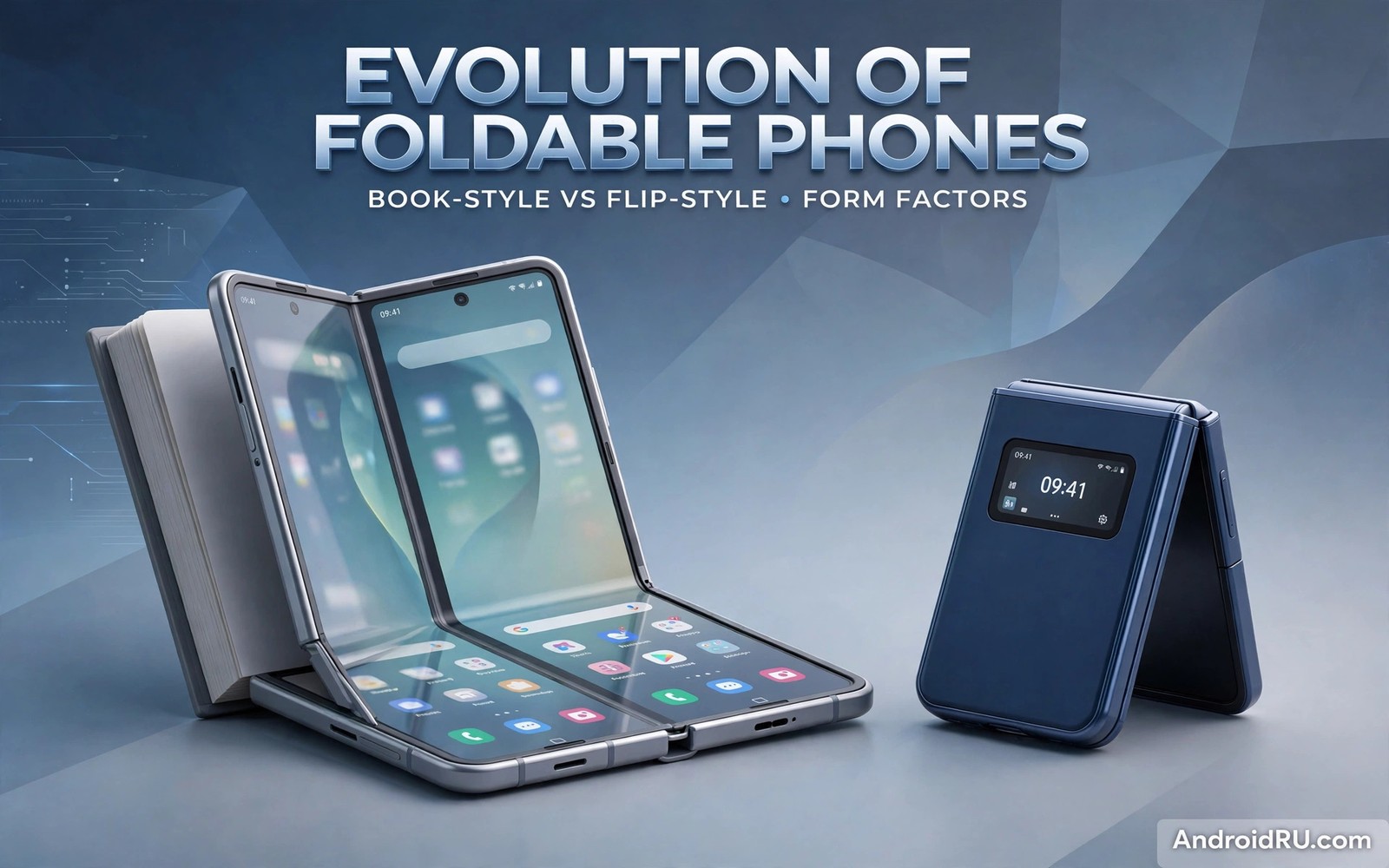
This guide explains foldable phones book-style vs flip-style in plain language for everyday owners.
Foldable phones book-style vs flip-style is the first choice every foldable buyer must make. The two shapes look similar when folded shut. They feel very different in daily use. A book-style phone opens into a small tablet. A flip phone folds in half into a tiny square. Your habits decide which shape earns its price.
Think about your busiest phone moments before you compare specs. Do you read long documents and split your screen for work. Or do you want a normal phone that simply shrinks into a small pocket. The answer points to one shape fast. If you still feel torn then read about choosing between a Fold and a Flip to see how the two Samsung lines differ in real life.
Use this guide in short sittings rather than reading it all at once. Skim the headings and stop at the section that matches your current question. Try one tip from that section on your own phone before moving on. Hands on tests teach faster than reading specs alone. Return to the guide when a new question appears during ownership.
The Two Shapes at a Glance
A book-style foldable has a narrow outer screen and a large square inner screen. You open it like a book when you want tablet space. You close it when you want a phone that fits one hand. The inner screen suits reading and maps and side by side apps. The outer screen suits quick replies and calls on the move.
A flip phone works the other way round. It starts as a normal tall phone and folds down to half its height. The folded square slips into small pockets and tiny bags with ease. The outer screen shows time and alerts and simple controls. You unfold it only when you need the full phone screen for a longer task.
How Size Changes Daily Comfort
Book-style phones feel wide and heavy when closed. The narrow outer screen can feel cramped for typing long messages. Many owners adapt within a week and then love the big screen payoff. The payoff matters most for readers and travellers and multitaskers. If you type one handed all day then the closed shape may annoy you.
Flip phones feel light and familiar in the hand. They match the slab phone shape that most people already know. The win is pocket size rather than screen size. You gain nothing extra for reading or office work. You gain a phone that disappears into a jacket pocket and still does everything a normal phone does.
The snippet below shows how an app can check the folded state of a device at runtime. Developers use this check to switch layouts when the phone opens or closes. You can read it as a map of how foldable software thinks.
val windowInfo = WindowInfoTracker.getOrCreate(context)
val foldingFeature = windowLayoutInfo.displayFeatures
    .filterIsInstance<FoldingFeature>()
    .firstOrNull()
if (foldingFeature?.state == FoldingFeature.State.HALF_OPENED) {
    showSplitLayout()
} else {
    showFullLayout()
}
The code sample above follows the standard pattern shown in official Android developer guidance for reading foldable posture state. It is provided for learning and testing on your own device.
Screens and Cameras Compared
Book-style screens give you more room for video and books and documents. Text looks larger and maps show more streets at once. The crease sits in the middle where your eyes cross it often. Most owners stop noticing it after a few days of use. Video fans still prefer the big canvas over a flawless flat panel.
Flip phones keep camera hardware close to slab phone quality. The folded body leaves more depth for lenses and sensors in some designs. Book-style phones split parts across two halves and face tighter limits. Selfies on a flip can use the strong rear cameras with the cover screen as a finder. That trick gives flip owners sharper self portraits than most slab phones can match.
Battery and Software Trade-offs
A book-style phone powers a huge inner screen and a second outer screen. Battery life depends heavily on how often you unfold it. Heavy tablet use drains the cell faster than light phone use. Most models still reach bedtime with careful brightness and app control. Power users should expect a midday top up on busy travel days.
Flip phones carry smaller batteries in a smaller body. The small cover screen saves power when you check alerts without unfolding. Full screen video and gaming drain the small cell quickly. Software on both shapes now handles split screen and app handover well. Book-style software simply has more room to show its strengths.
Price and Value Over Time
Book-style foldables cost more than flip phones in almost every lineup. You pay for a second screen and a complex hinge and tablet class software. The value case rests on replacing a tablet as well as a phone. If you already own a tablet then the extra cost is harder to justify. Buyers who travel light gain the most from one device doing both jobs.
Flip phones cost less and appeal to style buyers and pocket conscious users. They rarely replace another device in your bag. Their value lies in compact design and fun rather than raw productivity. Resale values vary by brand and condition and timing. A well kept flip with a clean screen holds value better than a scuffed book-style phone with a worn hinge.
A Simple Weekly Care Routine
A weekly care routine for foldable phones book-style vs flip-style starts with a soft dry cloth and five quiet minutes. Wipe both screens gently and check the hinge zone for lint. Look for new marks near the fold line under good light. Early marks tell you about pocket habits before damage grows. A calm weekly check beats an urgent repair visit later.
End the routine by testing hinge motion slowly through its full range. Motion should feel even from closed to open and back again. Note any new stiffness or sound in a phone note with the date. That log helps service teams judge faults months later. Finish by backing up photos and messages so a repair never risks memories.
Settings Worth Reviewing This Week
Review app permissions during your settings session for foldable phones book-style vs flip-style topics. Many apps request location and contacts without real need. Remove permissions that do not serve a clear purpose. Check background battery use for apps that rarely matter. Tighter permissions improve privacy and battery life together.
Check system update settings so security patches arrive promptly. Enable automatic updates over Wi-Fi when available. Review foldable specific settings for app continuity and multitasking. Test one changed setting on your own phone before changing more. Gradual tuning avoids confusion when behaviour shifts.
Accessories That Help Most Owners
A small accessory kit for foldable phones book-style vs flip-style can live in a desk drawer for daily use. Include a microfibre cloth and spare tips for stylus owners. Include a short cable for car top ups. Include a sleeve for bag transport on busy days. A ready kit removes friction from good habits.
Replace worn accessories before they cause damage rather than after. Frayed cables risk ports and battery health. Loose cases trap grit against hinge edges. Worn protectors catch stylus tips and fingers. Small replacement costs beat repair bills by a wide margin.
Travel Habits for Folding Phones
Travel habits for foldable phones book-style vs flip-style start with pocket discipline on the move. Keep the phone in a separate pocket away from keys and coins. Use the cover screen for navigation glances while walking. Unfold only when seated and ready for detailed work. That rhythm protects screens in crowded places.
Pack a small power bank and a short cable for long travel days. Download maps and media offline before leaving Wi-Fi. Lower brightness in dim cabins to save power and eyes. Close split screen pairs when tasks end. Travel preparation turns a foldable into a reliable companion.
Planning Your Next Upgrade
Future upgrade plans for foldable phones book-style vs flip-style should weigh software support length heavily. Longer support means security updates for more years. Check maker promises for your shortlist models. A cheaper phone with short support may cost more over time. Support length often beats minor spec gains.
Test shortlist models in a store with your own apps and pockets. Bring your case and stylus if you use them daily. Type and scroll and fold for ten minutes per model. Store lighting hides flaws that home use reveals. A careful store test prevents expensive disappointment.
Reading and Media Habits on Big Screens
Media organisation for foldable phones book-style vs flip-style saves time when the large screen invites browsing. Build watchlists and reading lists before leisure time starts. Curated lists prevent endless scrolling across a huge display. Delete finished downloads weekly to free storage. A tidy library makes leisure feel intentional rather than endless.
Share media thoughtfully from the large screen during family time. The big display suits showing photos to small groups. Cast to a television for larger groups instead of crowding around a phone. Respect privacy when showing personal albums in public. Good sharing habits make the screen a social asset.
Safety and Privacy on Two Screens
Safety habits for foldable phones book-style vs flip-style start with lock settings on both displays. The cover screen should hide sensitive message content by default. Fingerprint and face unlock should work reliably on either screen. Test unlock behaviour after fitting a new case. A secure cover screen prevents casual snooping in public places.
App lock features add a second layer for banking and messaging apps. Enable them for apps that handle money or private photos. Review which apps appear on cover widgets carefully. Widgets can leak calendar details and message previews. Privacy review deserves a place in every monthly routine.
Common Mistakes to Avoid
A common mistake is buying the biggest screen without testing the closed shape. Visit a store and type and call with the phone closed for ten minutes. Check pocket fit and one hand reach before you pay. Also read about screen crease durability over time so hinge care does not surprise you later.
Another mistake is judging a foldable by slab phone camera charts alone. Foldable cameras trade sensor size for thin halves and clever software. Judge real photos in your typical light instead of chasing spec sheets. Set a budget for a case and a care plan on day one.
Frequently Asked Questions
Can one foldable replace both my phone and my tablet?
A book-style phone can replace a small tablet for reading and mail and video. It cannot match a large tablet for long drawing sessions or heavy office work. A flip phone cannot replace a tablet at all. Match the shape to the second device you hope to drop.
Is the crease a deal breaker?
The crease is visible at an angle and under direct light. Most owners notice it less after the first week. It rarely blocks reading or video in normal use. If a perfect flat screen matters most to you then a slab phone still wins.
Which shape lasts longer?
Both shapes use similar hinge ratings and screen materials. Book-style phones fold a large screen and face more screen stress. Flip phones fold a smaller screen but get opened more often for quick checks. Care habits matter more than shape for long life.
Conclusion
Review your notes from this guide before your next phone decision. Pick the two habits that will help you most in the coming month. Put them into practice this week while the ideas stay fresh. Small steady steps beat grand plans that never start. Your future self will notice the difference in hinge smoothness and battery health.
Pick the book style if you read and multitask for hours each day. Pick the flip if you want a normal phone that folds small and looks great. Test both shapes in a store with your own apps before you decide. Then read about how ultra-thin glass works and check hinge care tips so your first foldable stays smooth for years.

