

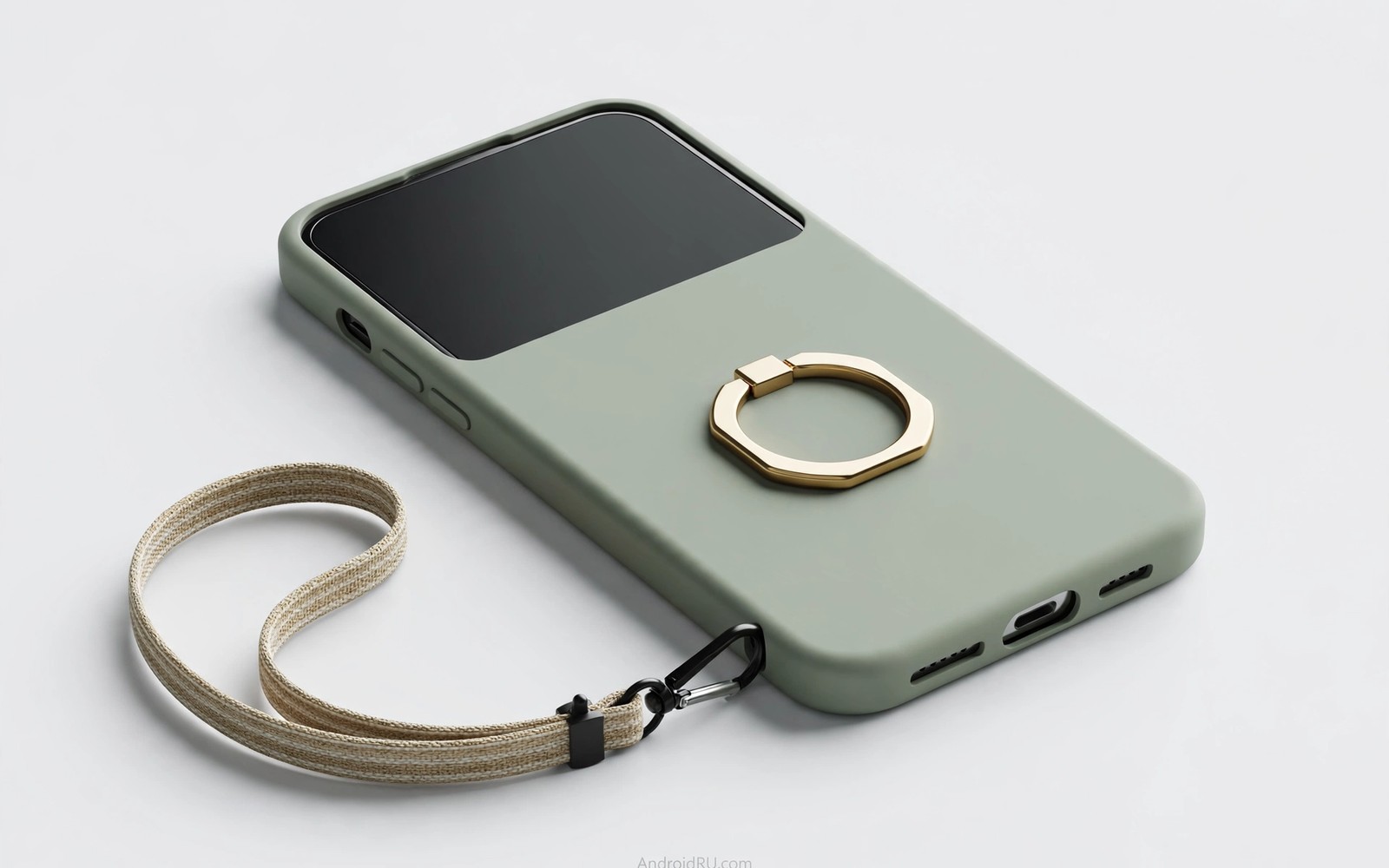
Most phone drops start with a lost grip. A hand slips or a pocket snags. The phone falls before the owner reacts. Lanyards and grip accessories prevent that moment. They keep the phone attached to a hand or a body. Prevention beats even the best case after a fall.
Accessories vary from simple wrist cords to adhesive grip straps. Each suits a different use. Wrist lanyards suit walking and travel. Neck cords suit photography and events. Ring holders suit one handed use. This guide compares them on safety and comfort. It also covers attachment strength.
Grip help matters most for large phones. Big screens strain small hands. A strap shifts the load to the wrist or a finger. That shift reduces fatigue. Less fatigue means fewer slips. For case protection after a fall still happens, see heavy-duty cases compared with slim covers as backup planning.
Wrist Lanyards
Wrist lanyards loop around the wrist with a cord to the phone. A slip leaves the phone dangling safely. The cord catches the phone before it hits the ground. Wrist lanyards suit walking and commuting well. They suit photography near water best of all. A dropped phone over a boat edge is lost without one.
Cord material decides comfort and strength. Braided nylon feels soft and it holds well. Silicone cords grip skin gently. Metal chains look stylish but they add weight. A cord should hold several times the phone weight. Check maker strength claims before trusting a cord over water.
Attachment points matter as much as cords. A lanyard that plugs into a case hole is secure. A lanyard stuck to a case with adhesive is weaker. Adhesive pads can peel with heat and age. Case hole attachments suit daily use best. Adhesive pads suit light temporary use only.
Neck Cords And Crossbody Straps
Neck cords hang the phone at chest height. Hands stay fully free between uses. The phone is always within reach. Neck cords suit events and travel photography. They suit market stalls and festivals too. A phone on a cord cannot fall from a hand that never holds it.
Crossbody straps spread weight across the shoulder. They feel better than neck cords for long days. They also keep the phone at hip height. Hip height is easy to reach and hard to snatch. A crossbody strap suits all day sightseeing well. It suits commuters with bags less well.
Neck cords raise a snatch risk in crowds. A visible phone on a cord tempts thieves. Tuck the phone inside a jacket in busy areas. Use a cord with a quick release clasp. A quick release lets the cord break away under a strong pull. Safety release beats a cord that drags the owner.
Ring Holders And Grip Straps
Ring holders stick to the case back with adhesive. A finger slides through the ring for a secure hold. The ring also props the phone for viewing. Ring holders suit one handed use well. They suit large phones best. Small hands gain the most from a ring hold.
Grip straps use an elastic band across the case back. Fingers slide under the band. The band spreads hold across several fingers. Straps feel flatter than rings in pockets. They also suit users who dislike a protruding ring. A strap adds almost no pocket bulk.
Adhesive strength decides ring safety. A weak adhesive pad peels under phone weight. Heat and pocket lint weaken adhesive further. Clean the case back before sticking any holder. Replace holders once edges lift. A lifting holder will fail at the worst moment. Metal ring bases hold adhesive better than plastic bases.
Attachment Safety Checks
Test every attachment before trusting it outdoors. Hang the phone from the accessory over a bed. Shake it gently and watch the attachment. A secure attachment holds firm. A weak attachment shows peeling or flexing. Replace weak attachments at once. A bed test is safer than a street test.
Check case compatibility for hole attachments. A lanyard tab needs a case with a lanyard hole. Many slim cases lack that hole. A universal tab fits between phone and case. It threads through the charging port gap. Universal tabs work but they can block port access slightly. Check port clearance after fitting a tab.
Inspect cords and straps monthly for wear. Frayed cords snap without warning. Stretched elastic straps lose grip slowly. Sunlight weakens nylon over time. Replace worn accessories before they fail. A five minute monthly check prevents a costly drop.
Matching Accessory To Activity
Walkers and commuters suit wrist lanyards best. The cord stays out of the way. It catches slips instantly. It adds little bulk. A wrist cord suits daily life with minimal fuss. It is the best starting accessory for most users.
Photographers suit neck cords and crossbody straps. Hands stay free for camera work. The phone hangs ready between shots. Water photographers should add a waterproof pouch as well. A cord plus a pouch covers drops and water together. That pair suits boats and beaches fully.
One handed users suit rings and straps best. They transform the hold itself. They reduce fatigue during long scrolling. They also prop the phone for video. A ring plus a slim case suits pocket life well. A strap plus a folio case suits bag life well.
- Test every attachment over a bed before outdoor use.
- Prefer case hole attachments over adhesive pads.
- Inspect cords monthly for fraying and wear.
- Use quick release clasps on neck cords.
- Clean the case back before sticking any holder.
- Replace holders once edges lift or elastic stretches.
Comfort Bulk And Style
Comfort decides whether an accessory stays in use. A cord that itches gets removed quickly. A ring that catches pockets gets abandoned. Choose soft materials and flat profiles for daily wear. Comfort beats strength specs if the accessory ends up in a drawer. The best accessory is the one worn every day.
Bulk varies by type. Straps add the least bulk. Rings add a small bump. Cords add a loop to manage. Pockets suit straps and rings best. Bags suit cords best. Match bulk to your carry style. A pocket user with a cord will fight tangles daily.
Style options cover most tastes now. Cords come in colours and braided patterns. Rings come in metal and coloured finishes. Straps come in leather and fabric. A good looking accessory gets worn more often. Wear frequency is the real safety feature. An accessory left at home guards nothing. Wallet carry plus grip safety is covered in wallet cases with card slots and RFID blocking for one item travellers.
Festivals Markets And Crowded Places
Festivals put phones at high drop risk. Crowds jostle hands constantly. A wrist lanyard keeps the phone attached through jostles. A neck cord keeps it accessible for photos. Either accessory beats a loose hand hold in a crowd. Choose a cord with a safety release for festivals. A release clasp breaks away under a snatch pull. That breakaway protects the owner from dragging. Safety release matters more than cord strength in crowds.
Markets combine drop risk with theft risk. A phone on a cord is visible to thieves. Tuck the phone inside a jacket between uses. A crossbody strap under a jacket hides the phone fully. Reveal it only for payment or photos. That habit balances access with security. A visible phone in a busy market invites trouble. A hidden phone on a cord stays safe and reachable.
Concerts add darkness and movement to drop risk. A phone dropped in a dark crowd is hard to find. A glowing lanyard cord helps locate a dropped phone. Reflective cords shine under stage lights. A bright cord also signals the phone position to the owner. Choose a bright cord for night events. Visibility aids recovery when prevention fails.
Children Elderly And Assisted Grip
Children drop phones often due to small hands. A wrist lanyard suits children well. It catches slips before impact. A colourful cord also appeals to children. They wear it willingly when it looks fun. Parents should choose a short cord for children. Long cords tangle during play. A short wrist cord balances safety with freedom. Supervise cord use to prevent tangling around fingers.
Elderly users benefit from grip straps most. Arthritis reduces grip strength gradually. A strap holds the phone without finger strength. It also reduces fear of dropping a costly device. That confidence encourages phone use for calls and photos. A strap restores independence for shaky hands. Choose a wide soft strap for comfort. Narrow straps dig into stiff fingers uncomfortably.
Rehabilitation users need adaptive grip options. Occupational therapists recommend specific strap types. A custom strap may suit individual hand shapes. Generic straps help most users adequately. Users with special needs should seek therapist advice. A tailored grip beats a generic grip for recovery. Pair grip help with kickstand cases for hands-free viewing for video calls during recovery. A stand plus a strap covers viewing and holding together.
Running armbands offer an alternative to lanyards. An armband holds the phone on the upper arm. It frees hands fully during runs. It also keeps the phone stable against bouncing. Lanyards bounce during running and they annoy. Armbands suit runners better than cords. They suit walkers less well due to bulk. Choose armbands for runs and lanyards for walks. Activity matching keeps accessories comfortable. A comfortable accessory gets used consistently.
Cycling mounts hold phones on handlebars for navigation. A mount plus a lanyard gives double safety. The mount holds the phone for viewing. The lanyard catches it if the mount fails. Rough roads shake mounts loose over time. Check mount tightness before each ride. A loose mount plus no lanyard loses phones on trails. A lanyard backup costs little and it saves costly losses. Cyclists should never rely on a mount alone.
Reflective cords add night visibility for walkers. A reflective thread shines under car headlights. That shine helps drivers spot a pedestrian sooner. It also helps owners find a dropped phone faster. Reflective cords cost little more than plain cords. They suit evening walkers and night event goers best. Daytime users gain little from reflectivity. Night users gain a real safety margin. Choose reflective cords for any regular night walking.
Grip accessory checklist:
- Activity: walk -> wrist cord, photo -> neck cord, one hand -> ring
- Attachment: case hole preferred, adhesive check monthly
- Bed test: hang and shake gently before outdoor use
- Wear check: fraying, stretching, lifting edges monthly
- Safety: quick release on neck cords
- Comfort: soft material, flat profile for pockets
The steps above follow the approach described in the official developer documentation for device care and accessory testing. The guidance draws on standard attachment practice and everyday handling. Prevention accessories work best when worn daily. Choose the type that fits your activity and your pocket.

