

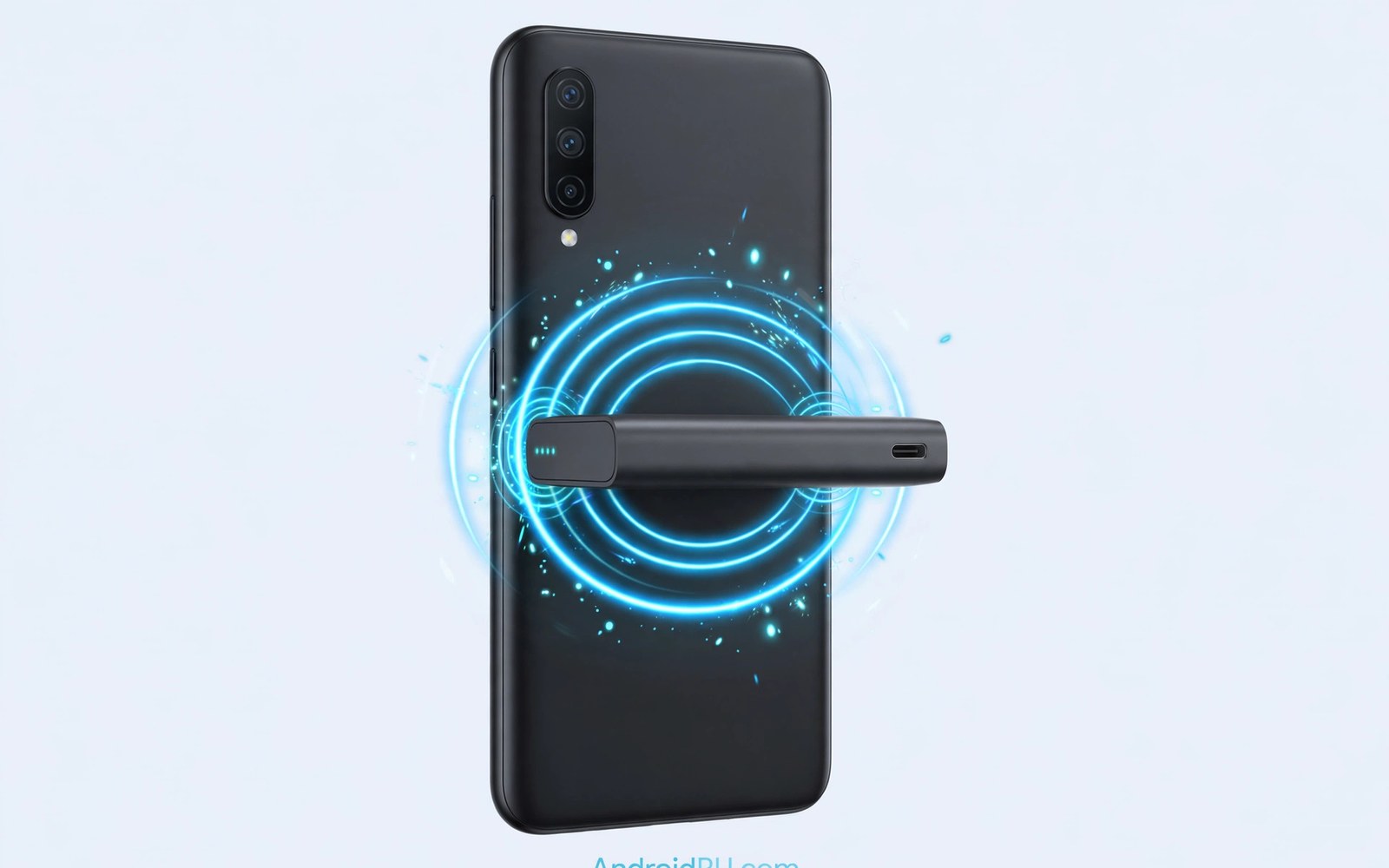
Magnetic power banks promise charging without fumbling for a cable. The bank snaps onto the phone back and stays put in a pocket or a bag. That snap alignment also improves wireless efficiency because the coils line up. Android users can enjoy the same idea with cases and banks made for their phones. Compatibility needs care because magnet layouts vary across phone models. This guide explains what works and what to check.
The magnetic idea started with a ring of magnets around a wireless coil. That ring centres the charger on the phone back every time. Android phones may lack that built-in ring. A magnetic case can add the ring to an Android phone. The bank then snaps to the case ring rather than to the phone itself. That extra layer works well when the case and the bank use the same layout.
Speed remains modest compared with cable charging. Magnetic banks suit top-ups and emergency power rather than urgent full charges. They shine during commutes and walks when a cable would tangle. They also keep the phone usable while charging because no cable dangles. Buyers should weigh convenience against slower speed before choosing one.
How Magnetic Alignment Works
Magnets around the coil pull the bank into the sweet spot. That centring keeps the coils aligned even when the phone moves. A well aligned link wastes less energy as heat. It also avoids the flicker that plagues loose wireless pads. Strong magnets matter because a weak hold lets the bank slide in a pocket. A sliding bank breaks the link and it can scratch the phone back.
Magnet strength must balance hold with easy removal. A bank that grips too hard can be awkward to detach with one hand. A bank that grips too weakly falls off during a walk. Good designs use a ring layout that spreads force evenly. Case thickness weakens the pull so thin magnetic cases work best. Test the hold by walking with the phone before trusting it outdoors.
- Use a magnetic case made for your phone model
- Check that the bank ring matches the case ring
- Test the hold while walking indoors first
Android Compatibility And Cases
Android compatibility starts with the case. A case with a built-in magnetic ring gives the bank a target to grip. Cases without a ring may still work if a stick-on ring is added. Stick-on rings vary in strength and in placement accuracy. A poorly placed ring can misalign the coil and slow charging. A case made for the phone model avoids that guesswork.
Phone coil position also varies across Android models. Some coils sit high on the back and others sit central. A bank made for one layout may sit off centre on another phone. Check user reports for your exact phone model before buying. A bank that aligns on one phone may charge slowly on a different phone. Model-specific checks prevent a disappointing purchase.
Charging Speed And Heat
Magnetic wireless banks charge slower than wired banks. Typical rates suit top-ups rather than full fast charges. A phone may gain a useful share during a commute. It will not refill from empty during a short coffee stop. Heat builds when the bank and phone sit back to back in a pocket. Warm pockets slow charging further because the phone protects itself.
Keep the pair in open air when possible during a long share. A pocket share still works but it may throttle sooner. Remove the phone from a hot pocket if charging stalls. Let both devices cool before resuming the share. A short cool break restores speed better than pushing a hot pair. Patience with heat keeps the battery healthier over time.
Capacity And Portability
Magnetic banks tend to be slim and modest in capacity. A slim bank charges a phone partly rather than fully. That partial charge suits a day out but not a multi-day trip. Larger magnetic banks exist but they add bulk and weight to the phone. A heavy bank makes one-handed phone use tiring. Balance capacity against comfort for your daily carry.
Some magnetic banks add a cable port for wired charging too. That port gives a fast fallback when wireless speed is too slow. It also lets the bank charge earbuds through a cable. A dual-mode bank covers more situations than a wireless-only bank. Check that the wired port supports a useful output rate. A weak wired port adds little value beyond the wireless pad.
Daily Use And Pocket Life
Magnetic banks excel during walking and commuting. The snap hold keeps charging steady while the phone moves. A cable bank would swing and strain the port during a walk. The magnetic pair stays as one unit in a hand or a pocket. That unity makes it easy to check messages while charging. It also avoids cable tangles in a crowded bag.
Pocket heat and bulk remain the main downsides. A phone plus bank pair feels thick in a tight pocket. A jacket pocket or a small bag suits the pair better. Remove the bank when the phone reaches a comfortable level. Carrying a dead bank all day adds weight without benefit. Charge the bank itself overnight so it starts each day full.
Buying Checklist For Android Users
Confirm the bank aligns with your exact phone model and case. Check the wireless output rate against your phone input limit. Look for a bank with a cable port as a fallback. Read reports on magnet strength during walking use. Choose capacity for a partial top-up rather than a full refill promise. A realistic bank beats an overpromised bank every time.
Buy from sellers with clear return terms. Test alignment and speed in the first week. Return a bank that slides off or charges very slowly. Keep the receipt until the test passes. A good magnetic bank should feel effortless from the first snap. If it needs constant adjustment it is the wrong bank for your phone.
Magnetic Banks And Wireless Charging Standards
Magnetic banks rely on wireless standards plus magnet alignment. The wireless standard sets power and communication rules. Magnets only ensure coils align to use those rules well. A bank may use magnets without full standard support. That bank may charge slowly despite a satisfying snap. Check wireless standard support alongside magnet strength before buying.
Standard support also affects safety features during sharing. Standard-compliant banks communicate temperature and power limits with the phone. That communication lets the pair adjust power smoothly. Non-standard banks may lack that communication. They can overheat a phone back during long sessions. Standard support is a safety feature as well as a speed feature.
Future standard updates may raise magnetic wireless power. Newer standards promise higher rates with better alignment. Current banks will still work with future phones at older rates. Backward compatibility keeps current purchases useful. Buyers need not wait for future standards to enjoy magnetic convenience now. Current magnetic banks already solve alignment pain well.
Accessory compatibility grows when standards align across makers. A standard magnetic layout lets cases and banks mix across brands. That mixing lowers costs and widens choice for Android users. Non-standard layouts lock users into one maker ecosystem. Standard layouts favour buyers over time. Prefer standard magnetic designs when choice allows.
Magnetic Bank Maintenance And Longevity
Magnet strength can weaken if banks suffer hard impacts. Drops onto hard surfaces can shift internal magnet rings. A shifted ring misaligns the coil despite a snap feel. Inspect magnetic hold after a hard drop. Test charging speed after drops too because alignment may have shifted. A bank with weakened hold deserves replacement for reliable use.
Dust and grit between bank and phone weaken magnetic hold. A dirty phone back creates a gap that reduces magnet pull. Wipe both surfaces clean regularly for a firm snap. Grit can also scratch phone backs during magnetic attachment. A clean surface protects both hold strength and phone finish. Quick wipes keep magnetic banks working like new.
Battery health in magnetic banks follows normal lithium rules. Heat from back-to-back charging ages bank cells over time. Avoid long magnetic sessions in hot pockets daily. Charge the bank itself with a cable for full refills. Cable refills are faster and cooler than wireless refills. Reserve magnetic mode for phone sharing rather than bank refilling.
Port and case wear also limit magnetic bank life. A bank used daily suffers case scratches and port loosening. A protective pouch reduces case wear during travel. Gentle port handling extends wired fallback life. Replace a bank when hold strength or capacity falls clearly. A worn magnetic bank frustrates more than it helps.
Fit a magnetic case for your phone model
Snap the bank on and check the icon
Walk indoors to test the magnet hold
Remove the bank when the phone is comfortable
Recharge the bank overnight
Readers who want more context on portable power can read Why Bad USB Charging Cables Can Slow Down Charging Speeds for a related view on the same topic.
Readers who want more context on portable power can read Analyzing Battery Power Loss When Charging Wirelessly for a related view on the same topic.
Readers who want more context on portable power can read Pass-Through Charging in Power Banks: Charging Phone and Bank Together for a related view on the same topic.
The steps above follow the approach described in the official developer documentation and standard industry guidance for safe charging practice.
Magnetic banks trade speed for snap-on convenience. That trade suits commutes and walks and busy days. Android users need a matching case and a model check first. With those checks done the bank becomes an effortless top-up tool. Without them it becomes a sliding frustration in a pocket.
Start with your phone model and a quality magnetic case. Pick a slim bank with a wired fallback port. Test hold and speed before a long trip. That short test reveals alignment problems early. The right magnetic bank should disappear into daily life. It simply keeps the phone alive while you move.
Standards and maintenance shape magnetic bank value over time. Standard support ensures safety communication and future compatibility. Care for magnets and surfaces keeps the snap reliable. Heat care protects bank cells during daily sharing. A well chosen magnetic bank remains convenient for years.
Check standard support before buying any magnetic bank. Test hold and speed with your exact phone and case. Clean surfaces weekly and avoid hot pocket sessions daily. Those habits preserve the magnetic advantage. Magnetic convenience should feel effortless every day rather than fiddly. The right bank earns that feeling with consistent alignment.
Magnetic banks also work well with magnetic car mounts. A phone can snap to a car mount and charge wirelessly. That combination suits drivers who navigate daily. Mount alignment must match bank alignment for best results. Test car mount and bank together before a long drive. A mismatched pair slides on rough roads despite individual quality.
Magnetic accessories raise questions about card safety in wallets. Cards stored against strong magnets can suffer stripe damage. Keep payment cards away from magnetic banks in pockets. A separate card slot away from the bank prevents contact. That separation protects cards without giving up magnetic convenience. Simple pocket organisation solves the card concern.
Future magnetic banks may charge faster as standards improve. Higher wireless power with magnetic alignment is a likely path. Current banks already cover top-up needs well. Faster future banks will serve heavier users better. Buyers today gain convenience while future speed improves. Magnetic convenience is the durable benefit across generations.

