

Living With the alcatel Pixi 3 (8) LTE: Review, Key Features and Complete Specs
The alcatel Pixi 3 (8) LTE is easy to misunderstand at first glance, so this alcatel Pixi 3 8 LTE Windows 10 tablet review starts with the one fact that shapes everything else about it: this is a tablet, not a phone. It has an 8.0-inch screen, a micro-SIM slot and LTE, so it can make calls and use mobile data on the move, but its size, its layout and its software all belong to the tablet world. The alcatel Pixi 3 tablet was announced at CES 2016 and aimed at buyers who wanted a large screen for reading, video and browsing without paying for a premium slate. This alcatel Pixi 3 review is based on the official specifications and the context of its era, not on hands-on testing, and it treats the device as the classic 2016 budget tablet it is.
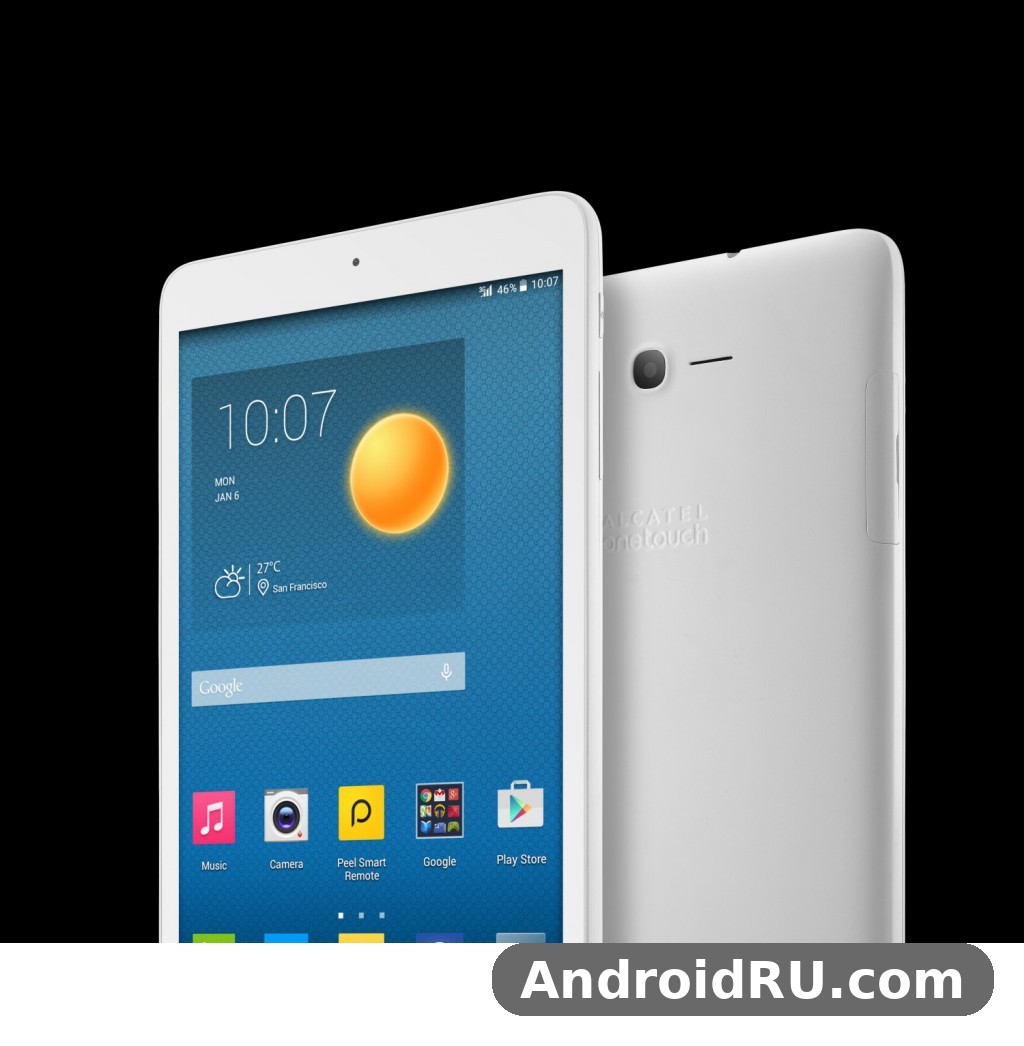
The alcatel Pixi 3 8 LTE CES 2016 announcement and availability story is a short one. Alcatel showed the tablet in January 2016, and the alcatel Pixi 3 release followed the CES announcement, with a release expected in the first quarter of the year and availability in Europe and Latin America from around April 2016, at a price of about $199. The alcatel Pixi 3 8 LTE release date and launch price put it firmly in the affordable corner of the market, next to small Windows tablets and cheap Android slates rather than next to flagship phones. The alcatel Pixi 3 price was around $199 at launch, which bought an 8 inch tablet with LTE, a quad-core processor and a 4060 mAh battery. Ten years on, that same device is a curiosity for collectors, a spare screen for simple tasks, or a cheap second-hand find, and the rest of this article explains what it can still do and where its limits sit.
What Kind of Device Is This?
Before looking at any single specification, it helps to settle what the alcatel Pixi 3 (8) LTE actually is. It is a Windows tablet with a SIM card, and that combination was unusual even in 2016. Most tablets of its size were Wi-Fi only, and most phones with LTE were far smaller. The alcatel Pixi 3 LTE model tried to bridge the two: a big screen for media and reading, plus a mobile connection and a dialler for calls. a tablet first, a phone second is the fairest short summary of the idea, because holding an 8-inch slab to your ear was never going to feel like using a normal phone, even if the hardware allowed it.
A Tablet That Can Make Calls
The LTE connection is the feature that sets this version apart from the Wi-Fi-only Pixi 3 (8) models. With a micro-SIM fitted, the tablet can join a 4G network, make voice calls and send messages, which made it useful as a single device for someone who wanted to travel light. The alcatel Pixi 3 8 LTE 4G LTE connectivity and calls story is simple: LTE Cat4 speeds, GSM and HSPA fallback, and a dialler built into Windows 10 Mobile. In practice, most owners would have used a headset or the loudspeaker for calls, and used the tablet itself for everything else. The Pixi 3 LTE variant was the connected version of the family, and that connection is still the main reason to pick this model over its Wi-Fi-only siblings today.
Windows 10 Mobile on an 8-Inch Screen
The operating system is the second thing that defines this device. The alcatel Pixi 3 Windows version runs Windows 10 Mobile, the phone and small-tablet system from Microsoft, with Live Tiles, the Edge browser, Cortana and the Windows app catalogue of the time. The alcatel Pixi 3 8 LTE Windows 10 Mobile software experience is therefore very different from the Android version of the same tablet, even though the two share a name and a screen size. The alcatel Pixi 3 software is Windows 10 Mobile through and through, from the lock screen to the settings menus, and anyone buying one second-hand should expect that Microsoft system, not Google services. On an 8-inch display the tile interface has room to breathe, and the split between a start screen of tiles and a list of apps feels natural at this size.
How It Differs From the Android Pixi 3 (8)
An alcatel Pixi 3 8 LTE vs Android version comparison shows why the name alone is not enough when shopping for one of these tablets. The Windows version reviewed here uses the Qualcomm Snapdragon 210, while the Android version of the Pixi 3 (8) uses the MediaTek MT8127. The two tablets look alike and share the same screen size, but they run different systems, use different processors and behave differently in daily use. Buyers who want Windows 10 Mobile should check the chipset and the software before paying, because a listing that only says Pixi 3 (8) could describe either version. The distinction matters for apps, for updates and for accessories, and it is the first thing to confirm on any second-hand listing.
Windows 10 Mobile Apps and Limitations
The alcatel Pixi 3 8 LTE Windows 10 Mobile apps and limitations deserve an honest paragraph, because the app catalogue is the weakest part of this tablet in 2026. Windows 10 Mobile had a smaller selection of apps than Android or iOS even when it was current, and Microsoft ended support for the system years ago, so many services have moved on. The built-in browser, mail, calendar, maps and media apps still cover the basics, and offline reading, music and video work as well as ever, but buyers should not expect the latest streaming or banking apps to be available. That limit does not make the tablet useless, yet it does set the ceiling for what it can do, and it is why this review frames the Pixi 3 (8) LTE as a simple media and reading device rather than a modern all-rounder.
Design, Size and Build
The alcatel Pixi 3 design is plain and practical, with a black front, a simple plastic body and no decoration beyond the brand name. The alcatel Pixi 3 8 LTE tablet dimensions and design overview can be summed up in one line: a slim, rectangular slate built to a price, with the screen taking up most of the front and the ports and buttons arranged along the edges. There is nothing flashy here, and that was the point. At about $199 this was a tablet meant to be carried in a bag, handed to a child or left on a kitchen table, not a showpiece. As an alcatel tablet from 2016, it follows the design language of the Pixi family: rounded corners, a matte back and a light, easy grip.
Size, Weight and Feel in the Hand
The alcatel Pixi 3 dimensions are 209 x 124.9 x 8.3 mm, which makes it a comfortable size for two-handed use and a tight but possible fit for a large coat pocket or a small bag. The alcatel Pixi 3 weight is around 360 grams, so it is light enough to hold for a chapter of a book or an episode of a show without tiring the arms. The alcatel Pixi 3 8 LTE 360 gram weight and portability balance is one of its better traits: it is far lighter than a laptop and only a little heavier than a large paperback. light enough to carry all day in a bag, it suited commuters, students and families who wanted a screen bigger than a phone without the bulk of a full-size tablet. If you want something smaller from the same era, Is the alcatel Pixi 4 (3.5) Worth It? Review, Specs and Verdict looks at a tiny 3.5-inch phone that fits in a palm, which shows how wide the alcatel range was in 2016.
Display and Everyday Viewing
The alcatel Pixi 3 display measures 8.0 inches and uses an IPS LCD panel, which gives it decent viewing angles and natural colours for its class. The alcatel Pixi 3 screen is an 8.0-inch IPS LCD with a resolution of 1280 x 800 pixels, and the alcatel Pixi 3 8 LTE 8 inch display and screen quality is good enough for reading, browsing and video, even if it cannot match the sharpness of a modern high-resolution tablet. Text is clear at normal reading distance, photos look pleasant, and video fills the wide screen nicely. For a budget tablet of its year, the panel was a fair match for the price, and it remains the part of the device that has aged best.
Reading, Video and Browsing on a 1280 by 800 Panel
The alcatel Pixi 3 8 LTE 1280 by 800 resolution display details are worth a closer look, because the numbers explain both the strengths and the limits of the screen. At 1280 x 800 across 8 inches, the density is around 189 pixels per inch, so individual pixels are not obvious during normal use, yet fine text is softer than on a modern tablet. As an alcatel Pixi 3 8 LTE tablet for reading and browsing, it works well: e-books, news pages and web articles are comfortable, and the 16:10 shape suits video with only small black bars. If an 8-inch panel is more than you want to carry, Everything About the alcatel Pop 3 (5.5): Review, Usability and Full Specifications covers a 5.5-inch phone from the same brand and era, which is a useful contrast in size and purpose.
Performance, Memory and Storage
The alcatel Pixi 3 performance is modest, and the honest way to describe it is adequate for simple tasks and slow for anything heavier. The alcatel Pixi 3 8 LTE Snapdragon 210 processor performance comes from the Qualcomm MSM8909, a quad-core chip running at 1.3 GHz with Cortex-A7 cores and an Adreno 304 graphics processor. In any alcatel Pixi 3 8 LTE quad core Cortex A7 performance test of the era, this chip scored as an entry-level part: fine for the home screen, the browser, email and light apps, and stretched by demanding games or heavy multitasking. The alcatel Pixi 3 features include that Snapdragon 210, LTE Cat4, GPS and a microSD slot, so the spec sheet covers the basics, yet the overall speed is clearly that of a budget device from 2016.
The Snapdragon 210 and 1 GB of RAM
If you wonder how much RAM does the alcatel Pixi 3 8 LTE have, the answer is 1 GB, and that figure shapes daily use more than the processor does. With 1 GB of memory, Windows 10 Mobile can run its built-in apps and one or two extra apps at a time, but switching between several heavy apps forces reloads, and web pages with lots of images can feel sluggish. The Snapdragon 210 itself is a steady, efficient chip rather than a fast one, and the Adreno 304 handles the tile interface and simple 2D games without fuss. Together, the chip and the memory define the tablet as a single-task device: pick one thing, do it, then move on, and it will feel fine.
Gaming and Heavy Apps
Games and heavy apps are where the limits show first. Simple puzzle games, card games and casual titles run well enough, while 3D games need low settings and still stutter. Video playback is a different story: local video and streaming at the screen resolution play smoothly, because the chip was built to decode video efficiently. The practical rule is to match the app to the hardware, and on that basis the tablet still handles the jobs it was sold for, even if it cannot keep up with the demands of modern software.
Storage: 8 GB Inside, microSD Up to 32 GB
The alcatel Pixi 3 storage is limited to 8 GB inside the tablet, and the alcatel Pixi 3 8 LTE storage space and microSD card support is the detail that matters most for anyone planning to use one today. The alcatel Pixi 3 8 LTE 8 GB internal storage limitations are real: after the system and built-in apps, only a small part of those 8 GB is free, so a microSD card of up to 32 GB is almost essential for music, photos, books and offline video. The card slot takes microSD cards, and moving media to the card keeps the internal space free for apps and updates. Buyers should treat the card as part of the purchase, not an optional extra, and check that the tablet recognises the card before relying on it.
Battery Life and Charging
The alcatel Pixi 3 battery is a 4060 mAh unit, and the alcatel Pixi 3 8 LTE battery life and charging time are among the more forgiving numbers on the spec sheet. The alcatel Pixi 3 8 LTE 4060 mAh battery standby time is long, because a large battery, a small screen and an efficient chip make a good combination for idle use. In daily use, the tablet should manage a day of light reading and browsing, or several hours of video, on a single charge, though the exact figure depends on screen brightness, LTE use and the age of the battery in any second-hand unit. Charging is over microUSB at standard speed, so a full charge takes a few hours rather than minutes, and there is no fast charging to speed it up. a big battery for a small screen is the simple reason the endurance holds up, and it is one of the few areas where this 2016 tablet still feels generous.
Cameras for Photos and Video Calls
The alcatel Pixi 3 camera setup is basic on both sides, and the alcatel Pixi 3 8 LTE camera quality for everyday photos is best described as good enough for quick snapshots in daylight. The rear camera is 5 megapixels with autofocus and an LED flash, while the front camera is 2 megapixels for selfies and video calls. Neither camera was meant to replace a phone camera, and on a tablet that is a fair expectation: the rear camera is there for the occasional document, whiteboard or outdoor scene, and the front camera is there for calls. Both record video at modest quality, and both struggle in low light, so expectations should stay low.
The 5 MP Rear Camera
The rear camera takes 5-megapixel stills and 720p video, with autofocus helping to keep subjects sharp at normal distances. Anyone searching for alcatel Pixi 3 8 LTE 5 megapixel rear camera samples should expect basic daylight snapshots with decent colours and soft fine detail, which is typical of a budget tablet camera from 2016. The LED flash helps a little at close range indoors, but it cannot rescue a dark scene. For scanning a page, photographing a notice or capturing a memory in good light, the camera does the job, and for anything more serious a phone camera of any recent year will do better.
The 2 MP Front Camera for Video Calls
The alcatel Pixi 3 8 LTE 2 megapixel front camera video calls are the main job of the front sensor, and 2 megapixels is enough for a recognisable face on a call. The camera sits above the screen in landscape or portrait use, and it pairs with the tablet speaker and microphone for hands-free conversations. Video quality is soft, and the sensor needs good light to look its best, yet for a quick call with family, a class check-in or a work chat, it works. Everyday use on a mid-size sibling is the subject of alcatel Pop 3 (5) Review: Features in Everyday Use and the Full Specs, which gives a useful sense of how alcatel tuned its budget devices for daily routines in the same period.
Connectivity, Calls and Everyday Use
The alcatel Pixi 3 connectivity covers LTE, Wi-Fi 802.11 b/g/n, Bluetooth 4.1, GPS and a microUSB 2.0 port, which was a complete set for a budget tablet in 2016. The alcatel Pixi 3 8 LTE Bluetooth 4.1 GPS and WiFi features allow headphones, speakers and keyboards to connect wirelessly, and the GPS receiver supports location and navigation apps. The alcatel Pixi 3 SIM slot takes a micro-SIM, and the alcatel Pixi 3 8 LTE micro SIM card slot location is worth knowing before you buy a second-hand unit: the tablet takes a micro-SIM, not a nano-SIM, so check the card size first and have an adapter ready if your current SIM is smaller. Battery and charging on a smaller sibling are covered in alcatel Pixi 4 (4) Long-Term Review: Charging Speed, Connectivity and Full Specifications, which is a handy companion read for anyone comparing how alcatel handled power and connections across its 2016 range.
Everyday Tasks: Email, Maps and Media
For everyday tasks, the tablet still covers the basics. Email, calendar, contacts, maps, the browser and media playback all work from the built-in Windows 10 Mobile apps, and the 8-inch screen makes reading mail and following a map easier than on a phone. The alcatel Pixi 3 8 LTE Windows tablet for students and kids was a natural fit in its day: cheap enough to hand to a child, large enough for homework and reading, and connected enough for a bus or a classroom with LTE. If you need to know how to reset the alcatel Pixi 3 8 LTE tablet before passing it on, the standard Windows 10 Mobile reset path in Settings clears personal data and returns the device to its factory state, which is the right step before selling or giving away any second-hand tablet.
Pros and Cons
Any honest summary of this tablet has to balance a large screen and a big battery against old software and tight memory. The list below pulls together the points made through this review, so readers can weigh them at a glance before deciding whether a second-hand unit is worth the money.
What Works Well
- Large 8.0-inch IPS display that suits reading, video and browsing
- LTE with voice calls, so the tablet works away from Wi-Fi
- 4060 mAh battery that lasts well for light use
- Light body at around 360 grams with a slim 8.3 mm profile
- microSD support up to 32 GB for books, music and video
- Low launch price of about $199 for a connected Windows tablet
What Holds It Back
- Only 1 GB of RAM and 8 GB of internal storage
- Entry-level Snapdragon 210 that feels slow with heavy apps
- Windows 10 Mobile is no longer supported, with a narrow app catalogue
- Basic 5 MP and 2 MP cameras with weak low-light results
- Standard microUSB charging with no fast charging
- Second-hand batteries may hold far less than the original capacity
Who Should Still Consider It
The alcatel Pixi 3 verdict is simple: this tablet suits a reader, a student or a family that wants a cheap large screen for books, video and browsing, and it does not suit anyone who needs modern apps or fast performance. The alcatel Pixi 3 8 LTE price and value for money made sense in 2016, when it offered LTE and Windows on an 8-inch screen for about $199. The alcatel Pixi 3 8 LTE second hand price in 2026 should be very low, and at that level it can still serve as a spare reader, a kitchen screen, a travel media player or a first tablet for a child. A wider comparison across the family appears in alcatel Pixi 4 (6) vs the Rest: Review and Specifications Compared, which helps place the Pixi 3 (8) LTE next to its larger and smaller relatives before making a final choice.
Full Specifications
The alcatel Pixi 3 specs below gather the complete hardware picture in one place, and the Pixi 3 specs show a coherent budget tablet of its year. For readers who want the alcatel Pixi 3 8 LTE full specifications and features in one place, the table near the end of this section is the reference to keep, and it confirms the Snapdragon 210 chipset, the 1 GB of RAM, the 8 GB of storage and the 4060 mAh battery that define the device.
| Feature | alcatel Pixi 3 (8) LTE |
|---|---|
| Form factor | Tablet, 8.0-inch, with voice calls over LTE |
| Operating system | Microsoft Windows 10 Mobile |
| Announced | January / February 2016 (CES 2016) |
| Release | Expected Q1 2016; April 2016 in Europe and Latin America |
| Price at launch | About $199 |
| Dimensions | 209 x 124.9 x 8.3 mm |
| Weight | About 360 g |
| SIM | Micro-SIM |
| Display | 8.0-inch IPS LCD, 1280 x 800 pixels, about 189 ppi |
| Chipset | Qualcomm Snapdragon 210 (MSM8909) |
| CPU | Quad-core 1.3 GHz Cortex-A7 |
| GPU | Adreno 304 |
| RAM | 1 GB |
| Internal storage | 8 GB, microSD card slot up to 32 GB |
| Rear camera | 5 MP, autofocus, LED flash, 720p video |
| Front camera | 2 MP, video calls |
| Battery | 4060 mAh, non-removable |
| Mobile network | GSM, HSPA, LTE Cat4 |
| Wi-Fi | Wi-Fi 802.11 b/g/n |
| Bluetooth | Bluetooth 4.1 |
| GPS | Yes, with A-GPS |
| USB | microUSB 2.0 |
| Audio | 3.5 mm headphone jack, loudspeaker |
| Sensors | Accelerometer |
| Colours | Black, white |
Frequently Asked Questions
Is the alcatel Pixi 3 (8) LTE a phone or a tablet?
It is a tablet. The alcatel Pixi 3 (8) LTE has an 8.0-inch screen, a tablet layout and Windows 10 Mobile, and its size and weight put it firmly in the tablet class. It can make voice calls and use mobile data over LTE with a micro-SIM, so it behaves like a phone in that one respect, but it is best used as a tablet with calling as a bonus, not as a daily phone.
Does the alcatel Pixi 3 (8) LTE run Android?
No, this version runs Microsoft Windows 10 Mobile. There is a separate Android version of the Pixi 3 (8) that uses the MediaTek MT8127 chipset, so buyers should check the operating system and the chipset before buying. The Windows version reviewed here uses the Qualcomm Snapdragon 210 and offers the Windows app catalogue, Live Tiles and the Edge browser of its era.
How much storage can the alcatel Pixi 3 (8) LTE take?
The tablet has 8 GB of internal storage and a microSD card slot that supports cards of up to 32 GB. Because the system and built-in apps take a share of the internal space, a microSD card is almost essential for music, photos, books and offline video. Check that the tablet recognises the card and that the card is in good condition before relying on it.
Is the alcatel Pixi 3 (8) LTE still worth buying in 2026?
So is the alcatel Pixi 3 8 LTE worth buying today? It is worth buying only at a very low second-hand price and only for simple jobs. Reading, browsing, video and music still work, and the LTE connection and 4060 mAh battery remain useful. It is not a good choice for modern apps, heavy multitasking or photography, because Windows 10 Mobile is no longer supported, the RAM is only 1 GB and the cameras are basic. Buy it as a spare screen, not as a main device.
What is the battery capacity of the alcatel Pixi 3 (8) LTE?
The battery is 4060 mAh and is not removable. That capacity was generous for an 8-inch tablet in 2016 and still supports a day of light use when the battery is healthy. In a second-hand unit, the real capacity may be lower after years of use, so buyers should test how long the tablet lasts on a charge before deciding that the battery is still in good shape.
a classic 2016 budget tablet is the fairest label for the alcatel Pixi 3 (8) LTE at the end of this review. It offered a large screen, LTE calls and a big battery for about $199, and it asked buyers to accept Windows 10 Mobile, 1 GB of RAM and basic cameras in return. As a piece of tablet history and a cheap spare screen for reading and media, it still has a place, and anyone who buys one with that understanding will not be disappointed.

 LTE is a 2016 Windows 10 tablet with an 8-inch screen, Snapdragon 210, 1GB RAM and a 4060mAh battery. Review, specs and verdict inside.)