

Everything About the alcatel 10.16G: Review, Audio and Full Specifications
The alcatel 10.16G is a basic feature phone from 2015, and this page treats it exactly as what it is: a small, simple handset for calls and texts, with an FM radio, a flashlight and an audio player, and nothing that belongs to a smartphone. There is no Android on this phone, no camera, no Wi-Fi, no Bluetooth, no GPS and no USB port, and this alcatel 10.16G review for basic phone users starts from that honest position so nobody buys or judges it with the wrong expectations. The alcatel 10.16G released in 2015 classic mobile phone buyers will recognise the shape at once: a compact candybar with a physical keypad, a tiny 1.8-inch screen and a simplicity that modern handsets have left behind. The alcatel 10.16G simple phone for calls and text messages does one job well, and the rest of this article explains that job in full, with the alcatel 10.16G full specifications and features explained in plain language, plus notes on sound, battery and daily use.
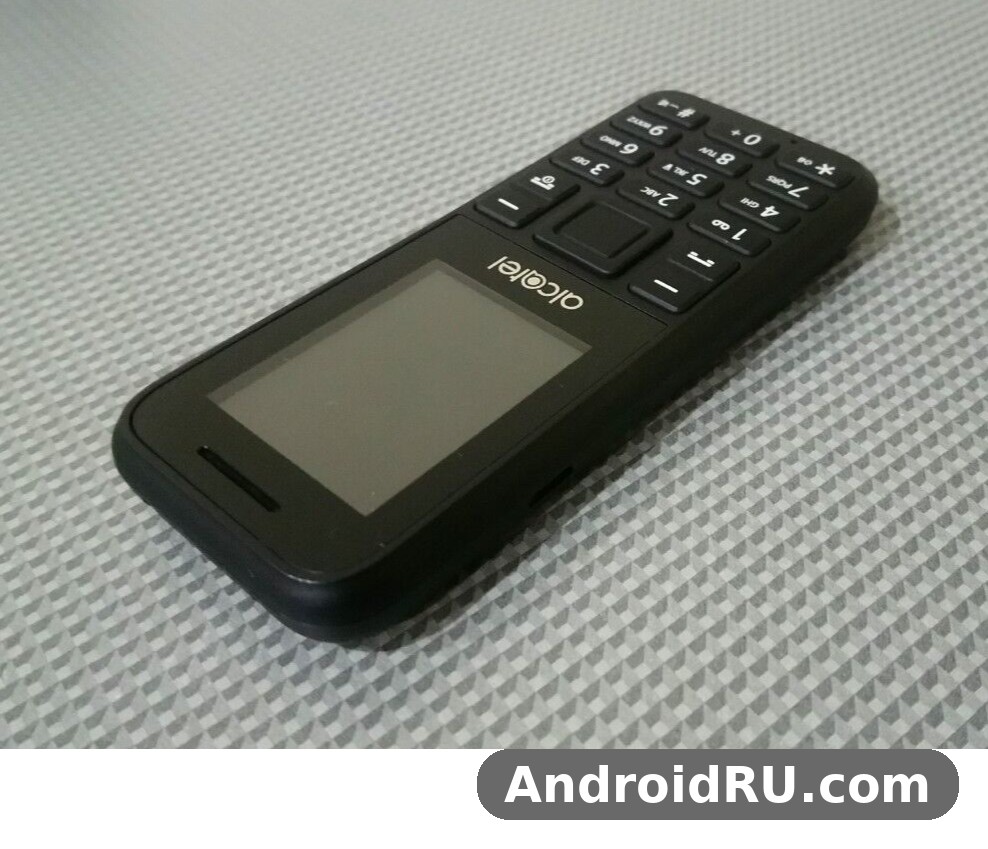
If you are looking for a backup handset, a first phone for someone who only needs to talk and text, or a spare to keep in a drawer for emergencies, the alcatel 10.16G phone deserves a fair look. If you want apps, maps, a camera or mobile internet, it is simply the wrong device, and no honest alcatel 10.16G review could pretend otherwise. This alcatel 10.16G user guide for first time owners is written for readers who want the facts before they decide, and every figure below comes from the verified specification record for this model.
The alcatel 10.16G features are few and plainly stated — calls, texts, radio, torch, audio playback, calculator and voice memo — and the alcatel 10.16G basic package is honest about that from the first page of its specification record.
What the alcatel 10.16G Is — and What It Is Not
The alcatel 10.16G is a basic feature phone built for calls and texts, and that single sentence explains almost everything about it. It was announced and released in 2015, in an era when basic phones like this still filled shop shelves beside early smartphones, and it was built for people who wanted a phone that was cheap to run, light to carry and easy to use. The alcatel 10.16G classic appeal today is exactly that same simplicity: it turns on, it makes calls, it sends texts, it plays the radio, and it does not ask anything else of its owner.
The alcatel 10.16G no camera no Bluetooth no WiFi explained in one place means this: there is no lens on the front or the back, no wireless connection to headphones or other devices, no Wi-Fi to join a home network, no GPS to find your position, and no USB socket for data transfer or for charging through a computer cable. There is also no web browser, no Java support and no games. The alcatel 10.16G versus modern smartphones simple comparison is therefore short: a modern smartphone is a pocket computer, while the 10.16G is a telephone with a radio and a torch. That is not a flaw in its own terms; it is the whole point of the design. People who compare the two on smartphone terms will always be disappointed, while people who want a telephone will find the comparison beside the point.
There is no published application processor or smartphone chipset for this model, and this article will not invent one. The 10.16G is a basic phone without a published application processor, and its behaviour is best described through what it does — calls, SMS, radio, audio playback, calculator, voice memo and flashlight — rather than through processor names or benchmark numbers that do not exist for it. Readers who want a sense of where it sits in the wider alcatel family can start with our look at a very different kind of device from the same brand, Getting to Know the alcatel Flash 2: Review and Detailed Specs, which shows how far alcatel’s range stretched from basic phones like this one to full smartphones.
Design and Build
The alcatel 10.16G small lightweight feature phone design is built around one idea: a phone that disappears into a pocket and is ready whenever it is needed. The alcatel 10.16G dimensions weight and black colour details tell the story in numbers — 108.5 x 45 x 12.6 mm and just 63 g — but the feel matters as much as the figures. At 63 g it is lighter than almost any smartphone sold today, and the alcatel 10.16G weight is low enough that the phone is easy to forget in a jacket pocket until it rings. The alcatel 10.16G dimensions make it a true one-hand device, narrow enough to grip firmly and short enough to reach every key with the thumb of the hand holding it.
Size and Weight in the Hand
The alcatel 10.16G pocket friendly size for travel and work is one of its strongest practical points. It slips into a shirt pocket, a small bag or a coat pocket without adding bulk, and its slim 12.6 mm depth means it lies flat against the body instead of digging in. The alcatel 10.16G small size also suits glove compartments, desk drawers and toolboxes, which is why basic phones like this one are still kept as spares long after their first owner has moved on. The black finish keeps the look plain and practical, and the alcatel 10.16G black colour variant and finish details are simple: a single black colour, with a matte-style plastic body that suits daily handling rather than show.
Pocket-Friendly Dimensions
At 108.5 mm tall and 45 mm wide, the handset is shorter and narrower than a bank card is long, and the alcatel 10.16G design keeps the screen and keypad on one flat face with no sliding or folding parts to wear out. That plain candybar shape is part of why basic phones last so long in drawers and glove boxes: there is very little to break, and nothing that needs a case to survive a normal day.
Keypad and Everyday Handling
The alcatel 10.16G keypad is a physical numeric keypad with raised keys, and the alcatel 10.16G keypad buttons layout for elderly users is a genuine advantage of the design. Real buttons can be found by touch, pressed without looking, and used by people who find glass touchscreens fiddly or tiring. Number keys double as letter keys for texting, and the familiar layout means anyone who has used a basic phone before can pick the 10.16G up and start dialling without a learning curve. The alcatel 10.16G simple nature shows here again: there are no gestures to learn, no on-screen keyboard to summon, and no settings menu that hides the dialler three taps deep.
Display
The alcatel 10.16G display is a 1.8-inch TFT screen with a resolution of 128 x 160 pixels, and the alcatel 10.16G 1.8 inch TFT display specifications set the tone for the whole handset: small, basic and honest. This is a screen for reading a phone number, a short text message, the time, the battery level and the name of a radio station — not for watching video, reading long articles or browsing photos, because the phone has no camera and no browser to feed it images. The alcatel 10.16G 2015 screen is typical of its class and its year, and buyers in 2015 would have found nothing surprising about it.
A Small TFT Screen for Essential Information
The alcatel 10.16G screen brightness and readability in sunlight are limited by the nature of a small TFT panel of this class, so the screen is at its best indoors and in shade, where its menus and large-enough digits are easy to read. The 128 x 160 pixel count keeps text and icons simple, and the interface is built around short lists and big, clear labels rather than dense pages of information. For calls and texts that is enough, and the screen never pretends to be more than a window onto the phone’s few functions. The alcatel 10.16G display does not need to impress; it needs to show a number, a message and a menu, and it does that without fuss.
Battery Life
The alcatel 10.16G battery is a Li-Ion cell rated at 400 mAh, and the alcatel 10.16G battery life standby and talk time figures are the numbers that matter most for a phone like this. The verified record gives standby of up to 160 hours and talk time of up to 3 hours, which means the alcatel 10.16G standby figure stretches to well over six days on a charge when the phone is left waiting for calls, while the alcatel 10.16G talk time of up to three hours covers a long run of conversations before a recharge is needed. The alcatel 10.16G 400 mAh battery performance in daily use is shaped by the tiny screen and the absence of power-hungry radios: with no Wi-Fi, no GPS and no large display to feed, a small cell goes a long way, and that is why basic phones of this kind are still valued as emergency spares.
Standby and Talk Time in Practice
In real use, 160 hours of standby and up to 3 hours of talk time mean the phone can sit switched on for days between charges when it is used lightly, and that is the pattern most owners will recognise: a few short calls, a handful of texts, and the radio on for a while in the evening. Heavy radio listening and long calls will shorten the time between charges, as they do on any phone, but the 400 mAh cell is sized to the phone’s modest appetite. The alcatel 10.16G backup role fits this pattern well, because a spare phone is only useful if it still has charge when it is needed, and a week of standby gives the owner time to forget about charging without finding a dead handset.
Charging and the 400 mAh Cell
The alcatel 10.16G spare battery replacement and charging tips are straightforward: charge the phone with its own charger, keep the contacts clean, and store a spare charged if the handset is kept for emergencies. Because the phone has no USB port, charging follows the model’s own charging arrangement rather than a standard phone cable, so owners should keep the correct charger with the handset instead of assuming any cable will fit. A small battery also means a full charge does not take as long as a modern smartphone battery, and the phone’s low power draw keeps the routine simple.
Audio, FM Radio and Everyday Tools
Sound is where the 10.16G earns its keep beyond calls, and the alcatel 10.16G audio side of the phone covers the earpiece, the loudspeaker, the audio player and the FM radio. The alcatel 10.16G FM radio and flashlight features are the two extras owners mention first, because they turn a plain telephone into a useful everyday companion: radio for news, music and company while working, and a torch for dark doorways, power cuts and night-time walks. The alcatel 10.16G audio player and voice memo functions round out the set, giving the phone a simple way to play sound files and to record short spoken notes.
FM Radio on the Go
The alcatel 10.16G radio is an FM radio, and how to use alcatel 10.16G FM radio step by step is simple in outline: open the radio, scan for stations, listen through the handset, and save the stations you return to. The radio needs no internet connection and no data plan, which is the whole attraction — it works wherever an FM signal reaches, with no account and no subscription. The alcatel 10.16G ringtone volume and call sound quality matter alongside the radio, because a basic phone lives or dies by being heard: ringtones need to cut through a noisy room, and call sound needs to stay clear enough that a short conversation does not turn into repeated requests to speak up. For a phone of this class the sound is functional rather than rich, and that is the right expectation to carry into it.
Audio Player, Voice Memo and the Flashlight
The alcatel 10.16G audio player plays sound files stored on the phone, and the alcatel 10.16G calculator voice memo and basic tools complete the everyday set: a calculator for quick sums, a voice memo recorder for spoken reminders, and the flashlight for light when there is none. The alcatel 10.16G flashlight torch for dark places and emergencies is a practical tool rather than a novelty, and the alcatel 10.16G torch is bright enough for finding a keyhole, reading a label or walking a dark path. The alcatel 10.16G flashlight is reached through the phone’s own tools, and owners who keep the handset by the bed or in a car will find it one of the most-used features. Taken together, FM radio, a flashlight and an audio player give the 10.16G more daily value than its plain appearance suggests, and they explain why basic phones like this one stayed in pockets long after smartphones arrived.
Calls, Messages and Connectivity
The alcatel 10.16G GSM connection covers the 850, 900, 1800 and 1900 MHz bands, and the alcatel 10.16G GSM network bands and GPRS connection are the whole of its connectivity story. The phone works on 2G GSM networks, and its data connection is GPRS — the slow, early mobile data standard that suits nothing more demanding than the basic network signalling a phone like this needs. The alcatel 10.16G GPRS link is not a way to browse or stream, because the phone has no browser and no apps, and buyers should not expect it to behave like a mobile internet connection. The alcatel 10.16G calls are the core of the handset: dial a number on the physical keypad, press call, and talk, with SMS alongside for written messages.
GSM Bands, GPRS and SMS Texting
The alcatel 10.16G SMS text messaging without internet access is exactly what it sounds like: short written messages sent over the mobile network, with no data plan and no messaging app required. The alcatel 10.16G SMS function suits short notes, confirmations and check-ins, and the 4 MB of internal storage holds messages and contacts within the phone’s small limits. The alcatel 10.16G 4 MB storage without memory card slot is a hard limit worth stating plainly: there is no card slot to add space, so the phone’s storage is what it is, and owners should keep messages and audio files modest in number. The alcatel 10.16G storage is enough for a basic phone’s needs — contacts, a few messages and a handful of audio files — and it is not enough for anything more, which is consistent with the rest of the design.
What GPRS Can and Cannot Do
GPRS on the 10.16G is a network connection for the phone’s own basic needs, not a general internet connection for the owner, and the honest way to describe it is that the phone stays reachable for calls and texts on GSM networks while offering nothing that looks like modern mobile data. Readers comparing basic phones with the wider alcatel range may find the contrast useful in Our alcatel 2007 Review: Charging Speed, Audio and Detailed Specs, another basic-era handset from the same brand, where charging and audio are covered in the same plain style as here.
Full Specifications
The alcatel 10.16G specs below are the verified record for this model, and the alcatel 10.16G full specifications and features explained in this table are the same facts covered in the sections above, gathered in one place for easy reference. Where to find alcatel 10.16G specifications online today is a fair question for a 2015 basic phone, and the answer is that the GSMArena mirror record on eIMEI24 is the source used here, with each figure checked against that record rather than guessed. The alcatel 10.16G specs table is short, because the phone itself is short on features — and that brevity is part of the review.
| Feature | Detail |
|---|---|
| Model | alcatel 10.16G |
| Announced | 2015 |
| Released | 2015 (year only) |
| Form factor | Candybar feature phone with physical keypad |
| Dimensions | 108.5 x 45 x 12.6 mm |
| Weight | 63 g |
| Colours | Black |
| Display | 1.8-inch TFT, 128 x 160 pixels |
| Battery | Li-Ion 400 mAh; standby up to 160 hours; talk time up to 3 hours |
| Storage | 4 MB; no memory card slot |
| Camera | None |
| Network | GSM 850 / 900 / 1800 / 1900; GPRS |
| Bluetooth | No |
| Wi-Fi | No |
| GPS | No |
| USB | No |
| Extras | FM radio, flashlight, audio player, calculator, voice memo |
| Messaging | SMS only; no browser, no Java, no games |
| Chipset | No published application processor |
A short note on the alcatel 10.16G price and the alcatel 10.16G manual: there is no current official alcatel 10.16G price for a phone released in 2015, and any price seen today will be a second-hand or clearance figure that changes by seller and condition, so this article gives no number that would be out of date on arrival. The alcatel 10.16G manual, where owners can still find one, is the best source for the exact key presses of the radio, the torch and the voice memo, because those details vary by the small menu layout of the handset itself. For a sense of how alcatel’s wearable side of the range looked in the same era, see alcatel GO Watch Review: Design, Audio and Value for Money, which covers a very different alcatel device with the same plain-review approach.
Pros and Cons
The alcatel 10.16G pros and cons for backup phone use are best judged against what the phone is for, not against a smartphone checklist. The alcatel 10.16G everyday use as a second phone is where its strengths show, and the alcatel 10.16G backup role is the use that makes the most sense for it today: a light, cheap-to-run handset that stays charged for days and is ready for calls and texts when the main phone is lost, broken or out of battery.
Pros
The strengths start with size and weight: 63 g and a pocket-friendly body that is easy to carry anywhere. Battery standby of up to 160 hours means days between charges with light use, and the FM radio, flashlight and audio player add real daily value without needing internet or an account. The physical keypad suits anyone who prefers real buttons, and the plain design has very little to go wrong. For a second phone or an emergency spare, those points add up to a handset that does its job quietly and reliably.
Cons
The limits are just as clear. There is no camera, no Bluetooth, no Wi-Fi, no GPS and no USB, and no browser, Java or games, so the phone cannot do anything beyond calls, texts, radio, audio playback and its small set of tools. Storage is only 4 MB with no card slot, the 1.8-inch 128 x 160 display is small and basic, and talk time is capped at up to 3 hours. The 2G GSM and GPRS connection also means the phone depends on networks that are being retired in many places, so buyers should check that GSM coverage still exists where they plan to use it. Readers who want the fullest picture of alcatel’s more capable phones of the period can compare with alcatel Idol 3C Complete Specifications: Every Detail, From Usability to Display, which shows what the brand offered when a full display and a smartphone feature set were the goal.
Frequently Asked Questions
These questions cover the points readers ask most about a 2015 basic phone, and each answer stays with the verified facts.
Is the alcatel 10.16G still useful in 2026?
Is the alcatel 10.16G still useful in 2026? It can be, as a backup or second phone for calls and texts, provided GSM coverage is still available where you live, because the handset only works on 2G GSM networks. Its long standby, light weight and FM radio keep it practical as a spare, but it cannot replace a smartphone for anything that needs internet, a camera or apps. Check local network support before relying on it as a daily phone.
Does the alcatel 10.16G have a camera?
No. The alcatel 10.16G has no camera at all, on the front or the back, and it cannot take photos or record video. Anyone who needs a camera should look at a different handset, and the wider alcatel range covered in alcatel Watch Hands-On Review and Complete Specs: Durability and Display shows how varied the brand’s devices were, even though that article covers a watch rather than a camera phone.
Does the alcatel 10.16G have Wi-Fi, Bluetooth or USB?
No to all three. The alcatel 10.16G has no Wi-Fi, no Bluetooth and no USB port, and it also has no GPS. Its only network connection is GSM with GPRS, and its only messaging is SMS, so it cannot join a home network, pair with wireless headphones or transfer files to a computer.
How long does the alcatel 10.16G battery last?
The 400 mAh Li-Ion battery is rated for standby of up to 160 hours and talk time of up to 3 hours. In light use — a few short calls and texts a day, with the radio on now and then — the phone can go several days between charges, which is one of its main strengths as a backup handset.
Can the alcatel 10.16G play music and radio?
Yes, in a basic way. The phone has an FM radio that needs no internet connection, and an audio player for sound files stored in its 4 MB of internal memory. There is no memory card slot, so the amount of stored audio is small, and the radio is the more useful of the two for most owners.
What should I check before buying a used alcatel 10.16G?
Check that GSM coverage still exists in your area, that the phone powers on and holds a charge, that the keypad and screen work, and that the correct charger is included, since the phone has no USB port. Also confirm the battery is in fair condition, because a tired 400 mAh cell will cut both the standby time and the talk time well below the rated figures.
The alcatel 10.16G is easy to sum up once the smartphone expectations are set aside. It is a light, simple, black feature phone from 2015 with a 1.8-inch screen, a 400 mAh battery, an FM radio, a flashlight and an audio player, and it does calls and texts over GSM without asking for anything more. For a backup handset, a first basic phone or a spare kept for emergencies, that narrow set of strengths is enough — and the honest limits listed in this article are the reason to choose it with open eyes rather than to be surprised by it later.

