

Xiaomi 12 Pro Review: Cameras, Performance and Battery Life
Four years after launch, the Xiaomi 12 Pro still turns up in second-hand listings, refurbished deals and “best older flagship” shortlists, and the reason is simple: it was the first Xiaomi phone to put three 50MP cameras on the back, a 2K LTPO display on the front and 120W charging inside. This Xiaomi 12 Pro review looks at what that hardware delivers today, where it shows its age, and whether the phone makes sense as a purchase now that its price has fallen a long way from launch. If you are weighing it against the newer 12S models or a smaller Xiaomi flagship, the differences are smaller than the model names suggest, and they matter more than the spec sheet lets on.
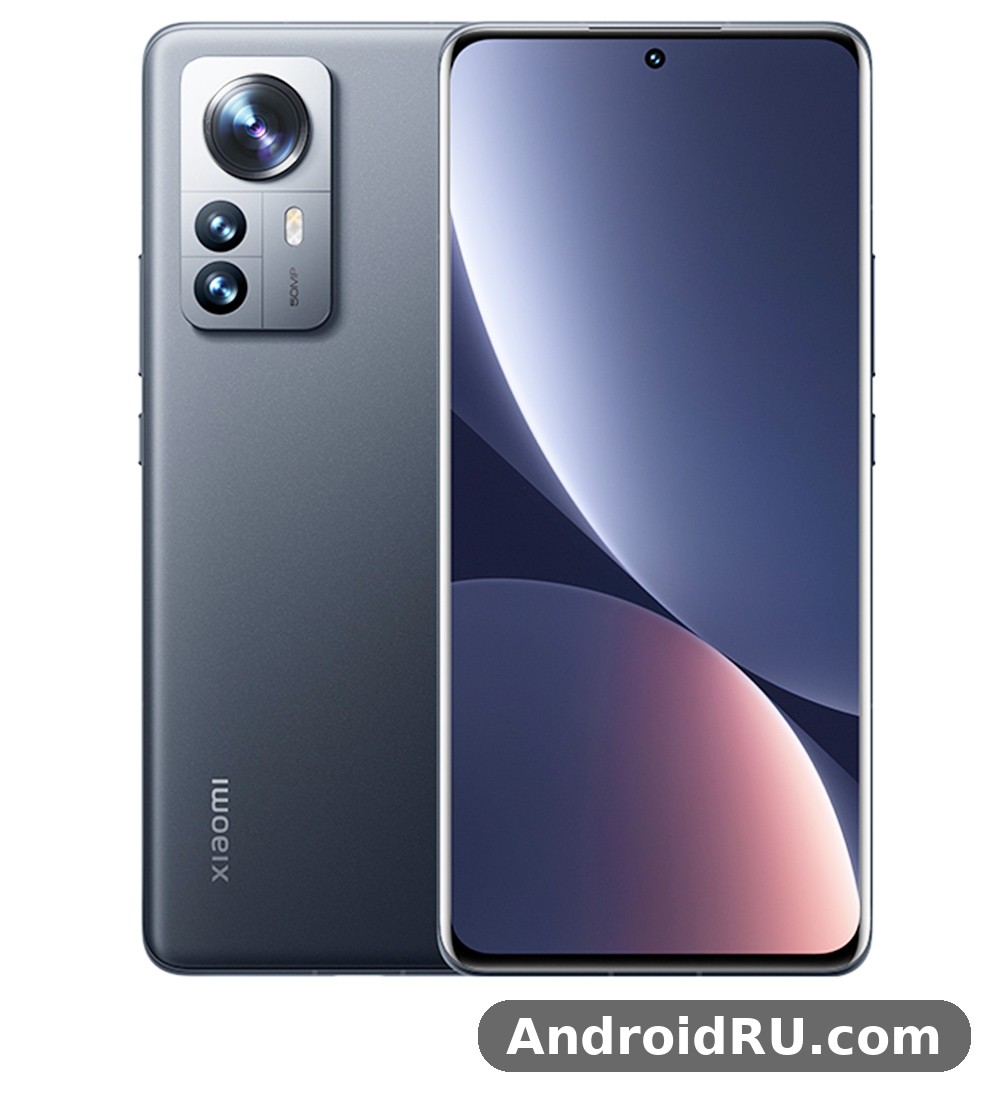
On paper, the Xiaomi 12 Pro specs sheet reads like a 2022 flagship that lost nothing in the move to 2026: Snapdragon 8 Gen 1, a 6.73-inch AMOLED panel with a 1440p resolution and a 120Hz adaptive refresh rate, 8GB or 12GB of RAM, and a 4,600mAh battery that fills in under twenty minutes on the bundled charger. The camera system is the headline, with a large Sony IMX707 main sensor joined by a 50MP ultrawide and a 50MP 2x telephoto, so every rear lens shoots at the same resolution. That said, a phone is more than its headline numbers, and this review spends most of its time on the parts a spec sheet cannot show: how warm the phone gets in a long gaming session, how the battery holds up after years of fast charging, and how the software has aged across MIUI 13, MIUI 14 and beyond.
Who is this review for? Anyone hunting for a cheap flagship with a genuinely good camera and a superb screen, anyone comparing the 12 Pro with the 12S Pro and wondering whether the Leica badge is worth extra money, and anyone who already owns the phone and wants to know how to get the best out of it in 2026. As a Xiaomi phone from the generation before the Leica partnership, the 12 Pro is also a useful snapshot of where Xiaomi stood just before its camera identity changed. Prices quoted here reflect current listings rather than the launch price, because the Xiaomi 12 Pro price in 2026 is a different question from what it cost on day one, and the answer decides whether the phone is a bargain or a trap.
Xiaomi 12 Pro Design and Build Quality
Pick the phone up and the first thing you notice is how normal it feels for a flagship of its size. The Xiaomi 12 Pro dimensions are 163.6 x 74.6 x 8.2 mm, and the Xiaomi 12 Pro weight is 204 grams for most colours, 205 grams for the vegan leather green version, so it is tall but not thick, heavy but not a brick. The frame is aluminium, the front is Gorilla Glass Victus and the back is glass on most colours, with the green variant swapping glass for a textured leather-like finish that grips better and hides fingerprints completely. There is no official IP rating, which is the one obvious gap against Samsung and Apple rivals of the same year, so treat rain with respect even though the phone survives everyday splashes in practice.
The camera island is a large rounded rectangle in the top-left corner, housing three lenses and a colour spectrum sensor, and it sits proud enough that the phone rocks slightly on a flat table. It looks plain next to the Leica-branded module on the later 12S Ultra, but the layout is honest: three equal circles for three equal sensors, no decorative filler lens. The rest of the design is restrained, with a gently curved screen that melts into the frame, a centred punch-hole selfie camera, and a power button and volume rocker on the right edge that fall under the thumb without stretching.
Xiaomi 12 Pro In the Hand: Size, Weight and Materials
A Xiaomi 12 Pro one handed use comfort test tells you most of what you need to know about living with this phone: the 6.73-inch screen is a two-handed device for most people, and the curved edges make the panel feel narrower than the 74.6 mm width suggests while also making accidental touches more likely when you reach across the screen. The weight is balanced toward the centre rather than the camera end, so it does not feel top-heavy during long reading sessions, and the curved glass back sits comfortably in the palm. If you have small hands, or you use your phone one-handed on a commute, the size is the single biggest reason to consider the smaller Xiaomi 12 instead, and that trade-off is covered in the comparison section below.
Build quality is flagship-grade throughout. The aluminium frame has no flex, the buttons click with a short, firm travel, and the glass panels meet the frame with tight, even seams. The vegan leather green finish deserves a special mention: it stays grippy when the glass versions turn slippery, it does not show smudges, and it ages better than glossy glass if you carry the phone without a case. The grey, blue and purple glass finishes look more conventional and pick up fingerprints within minutes, so a case is almost mandatory for them, while the green one can honestly be carried bare.
Xiaomi 12 Pro Colours and Finishes
The Xiaomi 12 Pro colours are Gray, Blue, Purple and Green, and the choice is more than cosmetic because only the green model uses the leather-like back. Gray is the safe, business-like option and hides wear best. Blue is the showpiece, shifting between deep navy and bright blue under different light. Purple is the softest of the four, aimed at buyers who want a flagship that does not look like every other black slab. Green is the practical pick, with the grippy finish and the best resistance to fingerprints, and it is the colour to choose if you plan to use the phone without a case.
Gorilla Glass Victus and the Camera Island
Gorilla Glass Victus covers the display, and it is the same generation of protection that Samsung used on its 2022 flagships, which means good scratch resistance against keys and coins and solid drop protection from pocket height onto hard floors. It is not invincible: a face-down drop onto a stone edge can still crack it, and the curved edges are the most vulnerable part of the panel. A tempered glass screen protector is worth fitting on day one, and the camera island benefits from a case with a raised lip, because the lenses sit exposed and the main sensor cover is the part most likely to pick up fine scratches over a year of use.
Buttons, Ports and the Missing Headphone Jack
There is no 3.5mm headphone jack, which was already the norm for flagships by late 2021, so wired listening means USB-C headphones or a dongle. The USB-C port is version 2.0, which is slower for file transfers than the USB 3 ports on some rivals, though it makes no difference to charging speed. The SIM tray takes two nano-SIM cards and there is no microSD slot, so choose your storage at purchase: 128GB is tight once you start shooting 8K video and keeping games installed, while 256GB is the comfortable choice. The infrared blaster on the top edge is a small Xiaomi signature that survives here, letting the phone act as a remote for TVs and air conditioners through the Mi Remote app.
Xiaomi 12 Pro cases are easy to find even now, and the choice matters more than usual because of the curved screen and the protruding camera module. A case with a raised edge around the screen and a lip around the camera island protects both weak points, and a soft TPU case preserves the slim feel better than a bulky rugged one. Xiaomi 12 Pro accessories worth adding on day one are a tempered glass protector, a 120W-compatible USB-C cable as a spare, and a 50W wireless charger if you want to use the wireless charging the phone supports. Our Xiaomi 12 Pro case and screen protector recommendations are simple: buy the protector first, because replacing a curved display costs far more than the protector, and pick a case that covers the camera island rather than one that leaves it flush with the surface.
Xiaomi 12 Pro Fingerprint Sensor and Everyday Security
A Xiaomi 12 Pro fingerprint sensor accuracy test shows the optical under-display reader working well in normal conditions and struggling in the situations optical readers always struggle with: wet fingers, very dry skin in winter, and screen protectors that are too thick or poorly fitted. Registration takes a few seconds and benefits from registering the same thumb twice at slightly different angles, which noticeably improves the first-try success rate. Face unlock is present and fast, using the front camera rather than a 3D sensor, so it is convenient but not secure enough for banking apps, which will still ask for the fingerprint. The sensor sits low on the display, which takes a day to get used to if you are coming from a phone with a higher reader, and the haptic buzz that confirms a successful unlock is short and precise.
Xiaomi 12 Pro Display: 2K LTPO AMOLED at 120Hz
The Xiaomi 12 Pro display is the part of the phone that has aged best. It is a 6.73-inch LTPO AMOLED panel with a 1440 x 3200 resolution, around 521 pixels per inch, support for one billion colours, Dolby Vision and HDR10+, and a peak brightness of 1500 nits with 1000 nits in high-brightness mode. A Xiaomi 12 Pro display quality 2K AMOLED test in everyday use confirms what the numbers promise: text is razor sharp at any size, photos have the deep blacks and saturated colours AMOLED is known for, and HDR video on a supported app looks genuinely impressive rather than merely adequate. Independent lab measurements recorded a maximum brightness of 1050 nits, which is below the advertised peak but still bright enough for direct sunlight.
LTPO is the quiet hero here. The panel can drop its refresh rate as low as 1Hz for static content such as an always-on clock or a still photo, and ramp up to 120Hz the moment you scroll, which saves battery in a way a fixed 120Hz panel cannot. The Xiaomi 12 Pro screen switches between rates smoothly enough that you never notice the changes, and the touch sampling keeps up with fast scrolling and gaming without the jitter that cheaper 120Hz panels sometimes show. Colour accuracy out of the box is good in the standard mode, with a vivid mode for those who prefer punchier colours, and a reading mode that warms the white point for long sessions.
Brightness, Colour and Dolby Vision
Dolby Vision support is rare at this price even now, and it makes a visible difference in supported films and shows, where highlights hold detail instead of blowing out and dark scenes keep shadow detail instead of crushing to black. HDR10+ is supported too, so most HDR content on the major streaming apps plays in HDR rather than falling back to standard dynamic range. Colour reproduction in the default vivid profile leans saturated, which flatters photos and video but is less accurate for photo editing; switching to the standard or sRGB profile gives a calmer, more accurate image that photographers will prefer. The panel covers the DCI-P3 colour space, and the one-billion-colour depth means gradients in skies and skin tones render without the banding that 8-bit panels show.
LTPO Refresh Rate and Everyday Smoothness
Adaptive refresh is one of those features that sounds like marketing until you use a phone without it. Scrolling through a long feed at 120Hz feels fluid in a way 60Hz never does, and the drop to a low rate on static screens is what lets a 1440p 120Hz panel survive on a 4,600mAh battery at all. There is a catch worth knowing: some apps lock themselves to 60Hz, and a few games cap their frame rate regardless of the display setting, so you will not get 120Hz everywhere. The display settings let you choose between a fixed 60Hz, a fixed 120Hz and the adaptive mode, and adaptive is the right default for almost everyone because it gives the smoothness where it matters and the savings where it does not.
Reading, Video and Outdoor Visibility
Outdoors, the panel holds up well. At 1000 nits in high-brightness mode, the screen stays readable in bright daylight, and the auto-brightness curve is aggressive enough to reach that level quickly when you step outside. The curved edges catch reflections at an angle, which is the one outdoor annoyance, and a matte screen protector reduces it at the cost of a little sharpness. For reading, the 1440p resolution makes small text comfortable, the reading mode reduces blue light without turning everything orange, and the large panel fits more of a page than the smaller Xiaomi 12. For video, the 20:9 aspect ratio means most films play with slim black bars, and the quad speakers described below do a better job than the single speakers on many rivals.
The Xiaomi 12 Pro speakers are four separate drivers tuned by Harman Kardon, arranged as two pairs that produce genuine stereo with a wider soundstage than a two-speaker phone. A Xiaomi 12 Pro speaker quality Harman Kardon test shows clear mids, restrained bass that does not distort at high volume, and enough loudness to fill a quiet room, with independent measurements putting output at an average -29.5 LUFS, a respectable figure for a phone. Xiaomi 12 Pro audio also supports 24-bit/192kHz Hi-Res output over wired USB-C and Snapdragon Sound over Bluetooth, with aptX HD and aptX Adaptive for compatible headphones. The speakers are one of the underrated strengths of this phone, and they are a real reason to pick it over rivals that still ship a single bottom-firing driver.
Xiaomi 12 Pro Cameras: Three 50MP Sensors
The Xiaomi 12 Pro camera system is built on a simple idea: every rear lens should shoot at the same 50MP resolution, so switching between wide, ultrawide and telephoto never feels like a drop in quality. The main camera uses a Sony IMX707 sensor, a 1/1.28-inch unit with 1.22-micron pixels, an f/1.9 aperture, dual pixel autofocus and optical image stabilisation. The ultrawide is a 50MP sensor with a 115-degree field of view and an f/2.2 aperture, and the telephoto is a 50MP sensor with an f/1.9 aperture and 2x optical zoom. There is no Leica branding here, because this phone launched before the Xiaomi-Leica partnership, and that is the clearest difference between the 12 Pro and the later 12S Pro, which kept similar hardware and added Leica colour profiles.
In daylight, the main camera produces detailed, well-exposed photos with natural colours and reliable autofocus. Dynamic range is strong, skies keep their blue without turning artificial, and the large sensor gives a gentle background blur in close-up shots that smaller sensors cannot match. The camera app is fast: tapping the shutter captures the frame with minimal lag, switching lenses is quick, and the phone processes HDR in the background without making you wait for the preview. For a phone that now sells at a fraction of its launch price, the daylight output still embarrasses many mid-range phones released years later.
Main Camera: Sony IMX707 in Daylight and Low Light
Xiaomi 12 Pro camera quality in low light is where the big IMX707 sensor earns its keep. The large sensor gathers more light than the smaller sensors in most rivals, so night shots need less aggressive processing, and the results show it: less noise in shadows, more texture in brickwork and foliage, and colours that stay believable instead of shifting toward orange under street lights. Night mode stacks several frames and takes a couple of seconds to capture, and it is worth using whenever the light drops, because it recovers detail in dark areas that a single frame loses. Xiaomi 12 Pro camera samples night mode comparisons against its own standard mode show the difference clearly: night mode brightens the shadows and sharpens edges, while the standard mode keeps a moodier, more natural look that some photographers prefer.
Optical stabilisation helps in two ways: it steadies handheld shots at slow shutter speeds in the evening, and it smooths video footage when you walk. The main camera is the only rear lens with OIS, which is worth remembering when you shoot in low light with the ultrawide or the telephoto, because those two rely on software stabilisation alone and are more prone to blur if your hands move. Pixel binning combines four pixels into one for 12.5MP output by default, which is the right balance of detail and file size, and a full 50MP mode is available for scenes where you want maximum detail and do not mind larger files.
Ultrawide and 2x Telephoto
The ultrawide lens covers 115 degrees, which is wide enough for landscapes, architecture and tight interiors, and because it is a 50MP sensor rather than the 8MP or 13MP ultrawide found on cheaper phones, the corners hold far more detail. A Xiaomi 12 Pro ultrawide camera distortion test shows the expected barrel distortion at the edges, which the software corrects well for straight lines such as buildings, though people near the edge of the frame still stretch slightly. The ultrawide doubles as the macro camera, focusing close enough for flowers and small objects, and the results are sharper than the dedicated 2MP macro cameras that were common at the time.
Xiaomi 12 Pro telephoto camera 2x zoom quality is good rather than spectacular, because 2x is a modest zoom that keeps the image close to the main camera’s quality while giving a useful framing option for portraits and distant subjects. Xiaomi 12 Pro zoom beyond 2x is digital, reaching up to 20x, and quality falls off quickly past 5x, so treat the long end as an emergency option rather than a feature. The 2x lens is the portrait lens in practice: its 48mm equivalent focal length flatters faces more than the wide main lens, and portrait mode uses it to produce a natural perspective with a pleasing background blur. For everyday shooting, the three lenses cover the focal lengths most people actually use, and the consistency between them is the system’s real strength.
Selfies and Video Recording
Xiaomi 12 Pro front camera selfie quality review notes are positive with a caveat: the 32MP front camera captures plenty of detail and handles daylight well, but its fixed focus means you need to hold the phone at arm’s length for the sharpest results, and very close selfies can look soft. Xiaomi 12 Pro selfie shots in good light are sharp, with accurate skin tones and a portrait mode that separates the subject from the background cleanly. In low light the front camera leans on the screen as a fill light and on night mode processing, and the results are usable for social sharing though not as clean as the rear camera. Video from the front camera tops out at 1080p at 30 or 60 frames per second, which is fine for calls and vlogs but a step behind the 4K selfie video on some rivals.
Video is a strong point on the rear camera. A Xiaomi 12 Pro video recording 8K quality test shows that 8K at 24 frames per second is available and genuinely detailed in bright light, though it eats storage quickly and the phone warms up during long 8K clips, so 4K at 30 or 60 frames per second with HDR10+ is the more practical setting for most people. Stabilisation is electronic with gyro support, and it smooths walking footage well at 1080p and 4K. Slow motion reaches 960 frames per second at 1080p and an extreme 1920 frames per second at 720p, which is fun for short clips of fast action. The colour spectrum sensor helps white balance stay consistent when you move between different lighting, which matters more in video than in stills because a sudden colour shift is hard to fix afterwards.
Night Mode and Portrait Mode
Xiaomi 12 Pro portrait mode camera review findings are straightforward: portrait mode works best in good light at 2x zoom, where edge detection around hair is accurate and the blur looks natural rather than painted on. In dim light, switch to the main camera and let night mode do the work instead, because portrait mode in the dark produces noisier results and softer edges. Night mode itself is one of the better implementations of its generation: it takes around two seconds to capture, shows a countdown so you know to hold still, and produces images with less noise and more shadow detail than the standard mode. The phone also offers a dedicated long-exposure mode for light trails and starry skies, which is a pleasant extra for anyone who enjoys night photography.
Xiaomi 12 Pro Performance: Snapdragon 8 Gen 1
The Xiaomi 12 Pro Snapdragon 8 Gen 1 chipset was Qualcomm’s flagship silicon for 2022, built on a 4nm process with an octa-core CPU: one Cortex-X2 prime core at 3.00GHz, three Cortex-A710 performance cores at 2.50GHz and four Cortex-A510 efficiency cores at 1.80GHz, plus an Adreno 730 GPU. Xiaomi 12 Pro performance review Snapdragon 8 Gen 1 testing in published benchmarks puts the phone at 985,226 in AnTuTu v9 and 3,682 in Geekbench 5.1 multi-core, with a GFXBench result of 46 frames per second in the ES 3.1 onscreen test. Those numbers were top-tier at launch, and they still place the phone comfortably above current mid-range chips in raw speed, which is why the 12 Pro feels fast in 2026 rather than merely adequate.
Day-to-day speed is where the chipset matters most, and here the phone has no problem: apps open quickly, switching between a dozen apps is smooth thanks to the generous RAM, and the 120Hz display makes the whole interface feel responsive. The 8GB model is enough for normal use, while the 12GB model holds more apps in memory and is the better choice if you multitask heavily or keep games suspended in the background. Storage is UFS 3.1, which is fast for app installs and photo loading, and the lack of a microSD slot makes the 256GB version the sensible buy.
Benchmarks and Real-World Speed
Xiaomi 12 Pro benchmarks tell a consistent story: the phone is fast in short bursts and throttles under sustained load, which is the known character of the Snapdragon 8 Gen 1 across every phone that used it. In a single benchmark run, the 12 Pro scores near the top of its generation. In a 20-minute stress test, performance settles lower as the chip sheds heat, which is normal thermal management rather than a defect, but it is the reason long gaming sessions feel different from the first five minutes. For everything except sustained gaming, the throttling is invisible: scrolling, messaging, photography and streaming never push the chip hard enough for long enough to matter.
A Xiaomi 12 Pro storage speed UFS 3.1 benchmark shows sequential reads fast enough that large games install quickly and the camera never waits on storage when saving burst shots. App launch times are within a second of current flagships for common apps, and the difference only appears in heavy tasks such as exporting a long 4K video, where a newer chip finishes sooner. If you are coming from a mid-range phone, the step up in responsiveness is immediate and obvious; if you are coming from a recent flagship, the 12 Pro feels familiar rather than faster, which is a fair reflection of where it sits today.
Gaming, Heat and Sustained Performance
Xiaomi 12 Pro gaming performance test results are strong in the first half hour: demanding games run at high settings with stable frame rates, the Adreno 730 handles modern titles well, and the large display and quad speakers make the phone a genuinely enjoyable gaming device. Xiaomi 12 Pro gaming at high refresh rates works in titles that support it, and the touch response is quick enough for competitive play. The trade-off is heat. Xiaomi 12 Pro heating issue during gaming is the most common complaint about this phone, and it is real: the Snapdragon 8 Gen 1 runs hot under sustained load, the phone’s back warms noticeably after 20 to 30 minutes of a demanding game, and the chip reduces its speed to protect itself, which can show up as a frame-rate dip in the most demanding titles.
That said, the heat is manageable. Lowering the graphics preset one notch, playing without a thick case, and avoiding charging while gaming all keep temperatures down, and most popular games never push the chip hard enough to trigger serious throttling. Xiaomi 12 Pro overheating is most noticeable in the most demanding games at maximum settings, and it is far less of an issue in casual games or in everyday use, where the phone stays cool. Xiaomi 12 Pro overheating fix after MIUI update reports are worth noting too: later software updates improved thermal management, and the phone runs cooler on MIUI 14 than it did on the launch version of MIUI 13, so keeping the software current is the simplest fix available.
RAM, Storage and 5G Connectivity
Memory options are 8GB of RAM with 128GB or 256GB of storage, or 12GB of RAM with 256GB of storage, all using UFS 3.1. There is no RAM expansion trick worth relying on, and the physical RAM is what matters. Connectivity is complete for a 2022 flagship: dual 5G with sub-6GHz bands, Wi-Fi 6 and 6e depending on market, Bluetooth 5.2 with aptX HD and aptX Adaptive, NFC where the market supports it, dual-band GPS with L1 and L5, and an infrared blaster. Xiaomi 12 Pro 5G network speed test results in real-world use depend on the carrier and the location more than on the phone, and the 12 Pro reaches the speeds its modem supports without the connection drops that plagued some early 5G phones. Call quality is clear, the earpiece is loud enough for noisy streets, and dual SIM support makes the phone practical for travel or for separating work and personal numbers.
Xiaomi 12 Pro Battery Life and 120W Charging
The Xiaomi 12 Pro battery is a 4,600mAh lithium-polymer cell, which looks small next to the 5,000mAh batteries that became standard in later flagships, and it is the phone’s most debated specification. A Xiaomi 12 Pro battery life test in independent lab conditions gave the phone an endurance rating of 74 hours, a solid figure that reflects mixed use rather than a single heavy day. In real use, the phone comfortably lasts a full day for most people: a morning of messaging and browsing, an afternoon of photos and video, and an evening of streaming, with charge left at bedtime. Heavy users who game for hours or shoot a lot of 4K video will reach for the charger before the day ends, and that is where the charging speed changes the calculation completely.
A Xiaomi 12 Pro screen on time test shows around six to seven hours of screen-on time on a mixed day with the display at adaptive refresh rate and 1440p resolution, which is respectable for a 2K 120Hz panel on a 4,600mAh battery. Dropping the resolution to 1080p or fixing the refresh rate to 60Hz adds a meaningful amount of screen time, and those settings are worth using on days when you know you will be away from a charger. The always-on display costs a little battery overnight, and the LTPO panel’s ability to drop to 1Hz keeps that cost small. Xiaomi 12 Pro battery drain overnight test results show a loss of around 2 to 4 percent over eight hours with the always-on display off, and a little more with it on, which is normal for a modern Android phone.
How Long the 4,600mAh Battery Lasts
Battery life depends on how you use the phone more than on the capacity number. The 1440p display and the Snapdragon 8 Gen 1 are both thirsty, and the phone’s battery life is best when the display is set to adaptive refresh and the resolution is left at 1440p for the sharpness, because the LTPO panel saves power in the background. Video streaming over Wi-Fi is efficient, gaming is the biggest drain, and 5G consumes more than Wi-Fi, so a day of mobile data and navigation will end earlier than a day on home Wi-Fi. Battery saver mode is effective without making the phone feel sluggish, and it is the setting to reach for on a long travel day.
After several years, battery health becomes a real question for any second-hand buyer. A phone that has been fast-charged daily since 2022 will have lost some capacity, and it is worth checking the battery health in the settings or with a diagnostic app before buying used. Xiaomi 12 Pro battery replacement cost in India is modest by flagship standards, and an official service centre can fit a new cell, which makes a used 12 Pro with a tired battery a fixable problem rather than a dead end. If you buy used, factor the cost of a fresh battery into the price, and ask the seller about charging habits, because a phone charged mostly on the 120W brick ages its battery faster than one charged slowly overnight.
120W Wired, 50W Wireless and Reverse Charging
Charging is where the 12 Pro turns its smallest battery into its biggest advantage. 120W wired charging fills the battery from empty to full in 18 minutes according to the advertised figure, and a Xiaomi 12 Pro 120W charging speed test in real conditions lands close to that claim, reaching around 60 percent in under ten minutes and a full charge in under twenty. Xiaomi 12 Pro charging time from zero to full is short enough that the phone no longer needs to be charged overnight: a top-up while you shower and have breakfast is enough for most of a day, and the 120W charger is included in the box in most markets, which is not something every rival can say.
Wireless charging is equally serious. A Xiaomi 12 Pro wireless charging 50W test shows a full wireless charge in around 42 minutes with a compatible 50W wireless charger, which is faster than the wired charging of many competing phones. The phone also supports 10W reverse wireless charging, so it can top up earbuds or a friend’s phone in a pinch, and wired reverse charging works through the USB-C port as well. The phone supports Power Delivery 3.0 and Quick Charge 4+, so third-party chargers work, though only Xiaomi’s own 120W charger reaches the maximum speed, and a standard USB-PD charger will charge the phone more slowly.
Battery Health and Charging Habits
Fast charging raises a fair question about long-term battery health, and the honest answer is that the phone manages it well but not perfectly. The charging curve is aggressive at low battery levels and slows as the cell fills, which protects the battery, and the phone offers a setting to slow overnight charging so the battery does not sit at 100 percent for hours. For the best battery life over years rather than months, keep the phone between 20 and 80 percent when you can, avoid gaming while charging, and do not leave the phone in a hot car while it charges. The battery is not user-replaceable, but it is replaceable by a service centre, and that is the practical answer to the capacity question for anyone planning to keep the phone for several more years.
Xiaomi 12 Pro Software: MIUI 13 to MIUI 14 and Beyond
The phone launched with Android 12 and MIUI 13, and Xiaomi 12 Pro MIUI has moved on considerably since then. A Xiaomi 12 Pro software update Android 14 path arrived through MIUI 14 and later through HyperOS, Xiaomi’s successor to MIUI, bringing a newer Android base, a cleaner interface and better performance. Xiaomi 12 Pro update support has been generous for a 2021 phone: major Android version upgrades plus several years of security patches, though buyers in 2026 should check the exact patch level of a used phone, because support windows eventually close and the newest security patch matters more than the MIUI version number.
MIUI itself is a love-it-or-hate-it interface. It is feature-rich, with a customisable control centre, a theme engine, a second space for separating work and personal apps, and gesture controls that work well. It also ships with pre-installed apps that many owners delete on day one, and its notification handling and aggressive background app management have annoyed users for years. The good news is that most of the annoyances are fixable in settings: turn off the app vault suggestions you do not want, set battery optimisation per app for the apps you need running in the background, and remove or disable the bundled apps you never open.
MIUI Features Worth Using
A Xiaomi 12 Pro MIUI 14 update features list includes a smaller system footprint with fewer pre-installed apps, smoother animations, larger folders on the home screen, and better privacy controls, and those changes make the phone feel newer than its launch software did. The floating window feature is genuinely useful on a large screen, letting a messaging app hover over a video, and the sidebar gives quick access to favourite apps without leaving the current one. Game Turbo is worth enabling for gaming, because it blocks notifications, clears memory and keeps the frame rate steady. The infrared blaster pairs with the Mi Remote app to control a TV, and the dual apps feature runs two copies of a messaging app for two accounts, which is handy for anyone with separate work and personal numbers.
Updates, Bloatware and Privacy Settings
Keeping the phone current is the single best thing an owner can do, and not only for features: the Xiaomi 12 Pro update history shows thermal management improvements that made the phone run cooler during gaming, camera tuning updates that improved night photos, and security patches that closed real vulnerabilities. Check for updates in the settings rather than waiting for a notification, because staged rollouts reach different phones weeks apart. Before buying a used phone, confirm it is running a recent security patch and that the bootloader is locked and the phone is signed into no one else’s account, because a phone with a stranger’s account still attached is a problem no bargain price justifies.
Privacy settings deserve ten minutes of attention on a new phone. Turn off personalised ad recommendations, review which apps have permission to run in the background, and check the location permissions for apps that do not need them. MIUI’s privacy dashboard shows which apps accessed the camera, microphone and location recently, and it is worth a look in the first week to catch anything surprising. The phone has no expandable storage and no headphone jack, but it does have a complete set of sensors, including a barometer and a gyroscope, which matter for navigation and for games that use motion controls.
Xiaomi 12 Pro vs Xiaomi 12S Pro vs Xiaomi 12
The hardest question about this phone is not whether it is good, but which Xiaomi to buy, because the family is crowded. A Xiaomi 12 Pro vs Xiaomi 12S Pro comparison starts with the chipset: the 12 Pro runs the Snapdragon 8 Gen 1, while the 12S Pro runs the Snapdragon 8+ Gen 1, a revised chip that runs cooler and more efficiently. The two phones share the same 6.73-inch 2K LTPO display, the same 4,600mAh battery and 120W charging, and the same three 50MP cameras, but the 12S Pro adds Leica colour profiles and the cooler chip. If the two phones cost the same, the 12S Pro is the better buy; if the 12 Pro is clearly cheaper, the saving buys a lot of the difference, because the cameras and the screen are essentially the same hardware. Our Xiaomi 12S Pro Review: Display, Audio and Overall Experience covers the newer model in the same depth, and it is the first comparison to read if the price gap is small.
The Xiaomi 12S is the other close relative, and it matters because it is the more affordable route into the same generation. The Xiaomi 12S Review: Strengths, Trade-Offs and Everyday Use shows a phone with the same Snapdragon 8+ Gen 1 as the 12S Pro but a smaller 6.28-inch display and a different camera setup, so it trades screen size and the triple 50MP system for a lower price and a smaller body. Against the 12 Pro, the 12S is easier to hold and runs cooler, but it gives up the 2K display, the 120W charging and the telephoto camera, which are three of the 12 Pro’s best features.
The smaller Xiaomi 12 is the direct alternative for buyers who find the Pro too big. The Xiaomi 12 Review: Build Quality, Software and Daily Speed describes a phone with the same Snapdragon 8 Gen 1, a compact 6.28-inch display, a 4,500mAh battery with 67W charging, and a 50MP main camera backed by a 13MP ultrawide and a 5MP telemacro. It is the same generation and the same software, in a body that fits one hand properly, and it costs less. What it loses is the 2K screen, the 120W charging, the triple 50MP cameras and the quad speakers, so the choice between the 12 and the 12 Pro is really a choice between size and specification.
The camera comparison extends beyond Xiaomi. A Xiaomi 12 Pro vs Samsung Galaxy S22 Ultra camera comparison shows the Samsung winning on zoom, with its 10x periscope lens reaching far beyond the Xiaomi’s 2x telephoto, while the Xiaomi holds its own on main camera quality and beats the Samsung on charging speed. The S22 Ultra also has an S Pen and a more established software update promise, but it costs more, and its battery charges far more slowly. For buyers who care about zoom above all else, Samsung is the answer; for buyers who care about charging speed and value, the Xiaomi is hard to beat.
The 12S Ultra is the camera king of this generation, and it is worth a mention for anyone whose budget stretches further. Our Xiaomi 12S Ultra Review: Gaming, Multitasking and Battery Life covers a phone with a one-inch main sensor that outclasses the 12 Pro in low light and a Leica-tuned camera system that produces a different look, though it is larger, heavier and more expensive. The 12 Pro is the sensible middle ground: most of the camera quality, a slimmer body and a much lower price.
There is also a completely different shape to consider. The Xiaomi MIX Fold 4 Review: Foldable Design and Everyday Performance shows what Xiaomi’s foldable line offers buyers who want a tablet-sized screen in a pocket, and it is the alternative for anyone whose priority is screen space rather than camera value. A foldable costs several times more than a used 12 Pro, so the two phones rarely compete on price, but they do compete for the attention of buyers who want the most screen Xiaomi can offer.
| Feature | Xiaomi 12 Pro | Xiaomi 12S Pro | Xiaomi 12 |
|---|---|---|---|
| Chipset | Snapdragon 8 Gen 1 | Snapdragon 8+ Gen 1 | Snapdragon 8 Gen 1 |
| Display | 6.73-inch 2K LTPO AMOLED, 120Hz | 6.73-inch 2K LTPO AMOLED, 120Hz | 6.28-inch FHD+ AMOLED, 120Hz |
| Rear cameras | 50MP + 50MP + 50MP, 2x tele | 50MP + 50MP + 50MP, Leica, 2x tele | 50MP + 13MP ultrawide + 5MP telemacro |
| Battery and charging | 4,600mAh, 120W wired, 50W wireless | 4,600mAh, 120W wired, 50W wireless | 4,500mAh, 67W wired, 50W wireless |
| Speakers | Quad stereo, Harman Kardon | Quad stereo, Harman Kardon | Dual stereo, Harman Kardon |
| Best for | Camera value and fast charging | Coolest running and Leica colours | One-handed use and lower price |
What Changes With the 12S Pro
The 12S Pro is an evolution rather than a revolution: the same screen, the same battery, the same charging and the same camera sensors, with a cooler chip and Leica image processing. The Leica profiles add two looks, one vivid and one authentic, and the authentic profile in particular gives photos a restrained, film-like character that the 12 Pro’s processing does not offer. The 8+ Gen 1 also sustains its performance longer in games, so the 12S Pro throttles later and runs cooler in the hand. If you shoot a lot of photos and you like the Leica look, the upgrade is meaningful; if you shoot casually, the 12 Pro’s camera is already excellent and the money is better saved.
12 Pro vs the Smaller Xiaomi 12
The smaller Xiaomi 12 is the phone to buy if the Pro feels too big in your hand or too heavy in your pocket, and it is the only member of the family that genuinely works one-handed. It keeps the same processor and the same software, so everyday speed is identical, and its main camera is the same 50MP class of sensor. What you give up is the 2K resolution, the LTPO adaptive refresh, the 120W charging, the telephoto lens and the quad speakers. For a buyer who values comfort over specification, that is a fair trade; for a buyer who wants the best screen and the best camera Xiaomi offered in this generation, the Pro is worth the extra size.
Full Specifications
The Xiaomi 12 Pro features list is long, and the table below collects the numbers that matter in one place, drawn from the official specification sheet. The Xiaomi 12 Pro specs below are the global model 2201122G, with the Chinese model 2201122C sharing the same core hardware and differing mainly in network bands and pre-installed software.
| Specification | Xiaomi 12 Pro |
|---|---|
| Announced | 28 December 2021 |
| Released | 31 December 2021 (China); global launch March 2022 |
| Dimensions | 163.6 x 74.6 x 8.2 mm |
| Weight | 204 g (205 g for the leather green version) |
| Build | Gorilla Glass Victus front, glass or leather back, aluminium frame |
| SIM | Dual Nano-SIM, no microSD slot |
| Display | 6.73-inch LTPO AMOLED, 1440 x 3200, 120Hz, Dolby Vision, HDR10+, 1000 nits HBM, 1500 nits peak |
| Display protection | Corning Gorilla Glass Victus |
| Operating system | Android 12, MIUI 13 at launch; upgradable to MIUI 14 and HyperOS |
| Chipset | Qualcomm Snapdragon 8 Gen 1 (4nm) |
| CPU | Octa-core: 1x 3.00GHz Cortex-X2, 3x 2.50GHz Cortex-A710, 4x 1.80GHz Cortex-A510 |
| GPU | Adreno 730 |
| RAM and storage | 8GB/128GB, 8GB/256GB, 12GB/256GB; UFS 3.1, no card slot |
| Main camera | 50MP f/1.9 wide, Sony IMX707 1/1.28-inch, OIS; 50MP f/1.9 telephoto 2x; 50MP f/2.2 ultrawide 115 degrees |
| Main camera video | 8K at 24fps, 4K at 30/60fps HDR10+, 1080p up to 960fps, gyro-EIS |
| Selfie camera | 32MP f/2.5, 1080p at 30/60fps |
| Sound | Quad stereo speakers tuned by Harman Kardon, 24-bit/192kHz Hi-Res audio, no 3.5mm jack |
| Connectivity | 5G, Wi-Fi 6/6e, Bluetooth 5.2, NFC, infrared port, USB Type-C 2.0, dual-band GPS |
| Sensors | Under-display optical fingerprint, accelerometer, gyro, compass, barometer, virtual proximity |
| Battery | Li-Po 4,600mAh, non-removable |
| Charging | 120W wired (100 percent in 18 minutes advertised), 50W wireless (100 percent in 42 minutes), 10W reverse wireless |
| Colours | Gray, Blue, Purple, Green |
| Models | 2201122C, 2201122G |
| Published test figures | AnTuTu v9: 985,226; Geekbench 5.1: 3,682; display 1050 nits measured; endurance rating 74 hours |
Key Numbers at a Glance
If you remember only a few numbers, remember these: a 6.73-inch 2K LTPO AMOLED display at 120Hz, a Snapdragon 8 Gen 1 chipset, a 50MP triple camera system led by the Sony IMX707, a 4,600mAh battery, and 120W wired charging that fills the phone in 18 minutes. Those five facts explain the phone’s character: a superb screen, a fast chip that runs warm, a camera system that still competes, a battery that is merely adequate, and charging that makes the battery size matter far less than it would on a slower-charging phone. Everything else in the specification table is supporting detail.
What Is in the Box
A Xiaomi 12 Pro unboxing in most markets includes the phone, a 120W charger, a USB-C cable, a clear protective case, a SIM ejector tool and the usual paperwork, which is a generous bundle by current standards, when many flagships ship with no charger at all. The included case is basic but usable, and the included charger is the full-speed 120W unit rather than a slower substitute, so there is nothing essential to buy on day one beyond a screen protector. Check the box carefully on a second-hand purchase: a missing 120W charger is a real cost, because a replacement from Xiaomi is not cheap, and a generic charger will not reach 120W.
Pros and Cons and Who Should Buy It
After weighing the cameras, the performance, the battery and the software, the 12 Pro comes out as a phone with clear strengths and honest weaknesses, and the right buyer is someone whose priorities line up with the strengths. It is not the best phone for everyone, and it was never meant to be: it is a camera-first flagship with a superb screen and charging that was years ahead of its time, built around a chip that runs hotter than its successor.
Pros
- Triple 50MP camera system with a large Sony IMX707 main sensor that still produces excellent daylight and low-light photos.
- Superb 6.73-inch 2K LTPO AMOLED display with Dolby Vision, HDR10+ and a 120Hz adaptive refresh rate.
- 120W wired charging that fills the battery in under twenty minutes, plus 50W wireless charging.
- Quad stereo speakers tuned by Harman Kardon, among the best phone speakers of their generation.
- Premium build with Gorilla Glass Victus, an aluminium frame and a grippy leather option in green.
- Strong value in 2026, with current listings far below the launch price.
Cons
- Snapdragon 8 Gen 1 runs warm under sustained gaming and throttles sooner than the 8+ Gen 1 in the 12S Pro.
- 4,600mAh battery is smaller than the 5,000mAh cells that became standard, so heavy users need a midday top-up.
- No official IP water resistance rating and no microSD card slot.
- No Leica camera tuning, which the later 12S models offer, and no periscope zoom beyond 2x optical.
- MIUI ships with pre-installed apps that need removing, and software support is now winding down.
Verdict: Is the Xiaomi 12 Pro Still Worth Buying in 2026?
Xiaomi 12 Pro value in 2026 depends on the price you pay and the phone you compare it with. As a Xiaomi flagship from the generation before the Leica partnership, it offers a camera system, a display and charging speeds that current mid-range phones still struggle to match, at a price that has fallen to a fraction of launch. It is worth buying if you find a clean example at a good price, if you value the camera and the screen above all else, and if you are comfortable with a phone that needs a top-up on heavy days and runs warm in demanding games. It is not worth buying if you need the longest battery life, the coolest running chip, or the longest remaining software support, because newer phones and the 12S Pro serve those needs better.
The practical advice is simple: buy the 256GB model, check the battery health before paying, confirm the phone is running a recent security patch, and budget for a screen protector and a case. If the 12S Pro costs only a little more, take it for the cooler chip and the Leica colours; if the gap is large, the 12 Pro is the smarter buy, because the screen, the battery, the charging and the camera hardware are the same. For photographers on a budget, for anyone who wants a great screen without paying flagship money, and for owners who already have the phone and are wondering whether to keep it, the answer is the same: the 12 Pro has aged well, its weaknesses are known and manageable, and it remains a genuinely good phone in 2026.
Frequently Asked Questions
Is the Xiaomi 12 Pro still worth buying in 2026?
Yes, at the right price. The camera system, the 2K LTPO display and the 120W charging still beat most new mid-range phones, and current listings put the phone far below its launch price. Buy the 256GB version, check battery health first, and compare against the 12S Pro, because a small price gap makes the newer chip and Leica tuning worth having. Skip it if you need the longest software support or the coolest running phone, because newer models serve those needs better.
Does the Xiaomi 12 Pro overheat?
It runs warm under sustained load, which is the known character of the Snapdragon 8 Gen 1, and demanding games at maximum settings can make the back noticeably hot after 20 to 30 minutes. In everyday use, browsing, messaging, photography and streaming, the phone stays cool. Later software updates improved thermal management, so a phone running MIUI 14 or HyperOS runs cooler than it did at launch. Lowering graphics settings one notch, removing a thick case while gaming and avoiding charging during play all help.
How fast does the Xiaomi 12 Pro charge from zero to full?
With the included 120W charger, the phone reaches a full charge in around 18 minutes, with roughly 60 percent in the first ten minutes. Wireless charging at 50W with a compatible charger takes around 42 minutes for a full charge. Third-party chargers that support USB Power Delivery will charge the phone, but only Xiaomi’s 120W charger reaches the maximum speed, so keep the original brick if you buy the phone second-hand.
Does the Xiaomi 12 Pro have Leica cameras?
No. The 12 Pro launched in December 2021, before the Xiaomi-Leica partnership, so its camera tuning is Xiaomi’s own rather than Leica’s. The hardware is the same triple 50MP system as the 12S Pro, which does have Leica colour profiles, so the difference is in image processing and colour rather than in the sensors. If the Leica look matters to you, the 12S Pro or 12S Ultra is the model to buy; if it does not, the 12 Pro’s camera output stands on its own.
When was the Xiaomi 12 Pro released?
The Xiaomi 12 Pro was announced on 28 December 2021 and released on 31 December 2021 in China, with the global launch following in March 2022. It launched with Android 12 and MIUI 13, and later received MIUI 14 and HyperOS updates. The model numbers are 2201122C for China and 2201122G for the global version.
Start with the display and the camera if you want to judge the phone quickly: open the camera, take a low-light photo with night mode, and play an HDR video to see the screen at its best. Then check the battery health in settings, look at the security patch date, and try a demanding game for fifteen minutes to feel how warm the phone gets in your hands. Those four checks tell you more about a used 12 Pro than any specification table, and they take less than half an hour. If the phone passes them at a price you are happy with, it is a flagship that still earns its place in 2026.

