

Xiaomi 12S Review: Strengths, Trade-Offs and Everyday Use
Compact flagships are rare. Most phones with top-tier chips keep growing taller and wider, and buyers who want a phone that fits one hand usually have to accept a slower chip, a weaker camera, or a smaller battery. The Xiaomi 12S broke that pattern in July 2022. It packed the Snapdragon 8+ Gen 1, a 50MP Leica main camera, and 67W wired charging into a 6.28-inch body that weighs 179 grams. On paper, it was the small phone that refused to compromise.
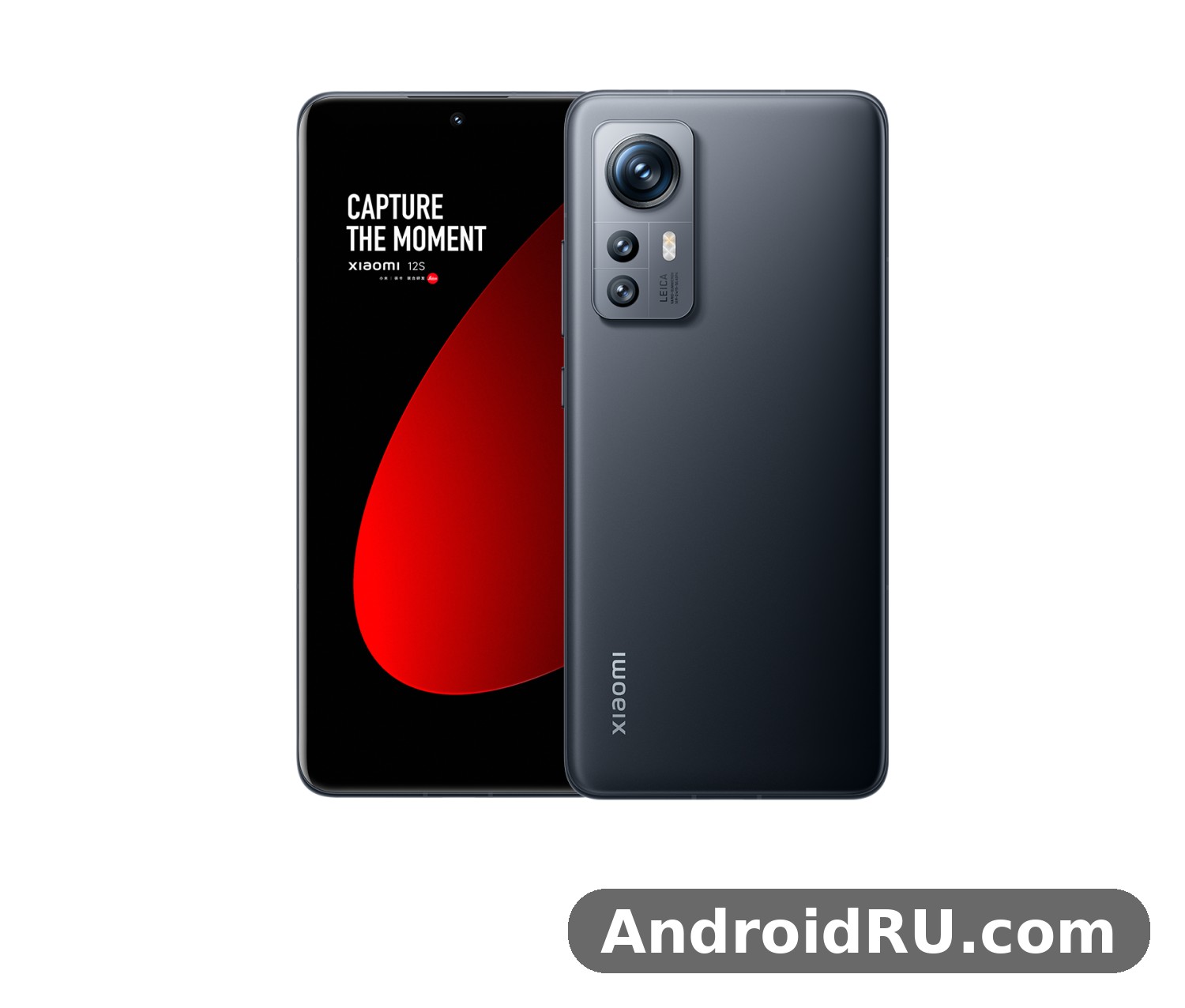
This Xiaomi 12S review looks at the phone the way a buyer in 2026 would: what still holds up, what has aged, and what genuinely gets in the way day to day. The Xiaomi 12S specs start with a flagship chip and a Leica-tuned camera, but the real story sits in the details — the 4,500mAh battery in a small frame, the 13MP ultrawide next to a 5MP telemacro, the China-only release, and software that started on MIUI 13. Every strength below has a trade-off attached, and every trade-off has a workaround or a buyer it simply does not matter to.
If you are choosing between this phone and its bigger brothers, or wondering whether a compact 2022 flagship still makes sense years later, this review covers the design, the screen, the speed, the cameras, the battery, and the full specification sheet, then ends with a straight verdict on who should still buy one.
Xiaomi 12S at a Glance: Compact Flagship With Leica Cameras
The Xiaomi 12S arrived on 4 July 2022 and went on sale in China on 7 July 2022, alongside the Xiaomi 12S Pro and the Xiaomi 12S Ultra. All three shared the Snapdragon 8+ Gen 1 and the new Leica camera partnership, but the standard 12S was the compact one: a 6.28-inch display, a 152.7 mm tall body, and a weight of 179 grams with the glass back or 182 grams with the eco-leather back. It was never officially sold outside China, so buyers elsewhere found it through importers, which matters for warranty, network bands, and software.
At launch, the Xiaomi 12S price in China 2022 started at 3,999 yuan for the 8GB RAM and 128GB storage version, rising through 256GB and 512GB options with up to 12GB of RAM. European listing prices later hovered around 570 euros for imported units. That put it well below the 12S Pro and far below the 12S Ultra, while keeping the same main camera sensor and the same chip. For buyers who cared about size more than screen size, that price gap was the whole point.
What the Xiaomi 12S Is and Who It Is For
The Xiaomi 12S is a compact Android flagship built for people who want flagship speed without a large phone. Its 6.28-inch AMOLED screen, 120Hz refresh rate, and 50MP main camera with optical image stabilisation cover the three things most buyers check first. The Snapdragon 8+ Gen 1 handles games, video editing, and heavy multitasking, while 67W wired charging and 50W wireless charging remove the usual small-phone battery anxiety, at least on paper.
It suits one-hand users, commuters, and anyone who has grown tired of phones that need two hands and a large pocket. It also suits photographers who want Leica colour science in a phone they can carry everywhere, and gamers who prefer a smaller screen they can reach across. It does not suit buyers who need a microSD card slot, a 3.5mm headphone jack, or a large screen for reading and video. It also does not suit buyers who need full global warranty support, since the phone was sold officially only in China under model number 2206123SC.
Xiaomi 12S Price in China 2022 and Launch Context
The Xiaomi 12S price in China 2022 reflected a careful position in the range. The standard 12S undercut the 12S Pro by a clear margin, and the gap to the 12S Ultra was larger still. Buyers paid less and gave up the 2K LTPO display, the 120W charging, and the 50MP ultrawide and telephoto cameras of the Pro, plus the 1-inch sensor of the Ultra. What they kept was the part that matters most in daily use: the same chip, the same 50MP IMX707 main sensor, and the same Leica colour profiles.
That context explains why the phone still gets discussed years later. It was the cheapest way into the Leica partnership and the Snapdragon 8+ Gen 1, and the only compact way in. Prices on the second-hand and import market have fallen a long way since launch, which changes the value question completely. A phone that was a fair deal at 3,999 yuan can be a strong deal at half that price, provided the buyer accepts the China-only software and the missing global bands.
Xiaomi 12S Design, Size and Build Quality
The Xiaomi 12S design is deliberately quiet. A flat aluminium frame, a glass or eco-leather back, and a rectangular camera module that holds the Leica branding — nothing shouts, and nothing needs to. The phone measures 152.7 x 69.9 x 8.2 mm with the glass back, or 8.7 mm with the leather back, and that 69.9 mm width is the number that matters. It is narrow enough to grip firmly, and the curved back edges help it sit in the palm without digging in.
Build quality is flagship grade throughout. The front is Corning Gorilla Glass Victus, the frame is aluminium, and the back is either glass or eco leather depending on the colour. The Xiaomi 12S weight of 179 grams with glass, or 182 grams with leather, keeps it light enough for long reading sessions and one-hand use on a train. There is no official IP rating, which is one of the clear trade-offs against rivals that offered water resistance at similar prices.
Xiaomi 12S Compact Phone One Hand Use and Daily Grip
The Xiaomi 12S compact phone one hand use case is where the size pays off every day. The 69.9 mm width lets most thumbs reach across the screen without shifting grip, and the 152.7 mm height keeps the top of the display within reach for many users. Pulling down the notification shade, typing one-handed, and taking a photo with one hand all feel natural in a way they do not on a 6.7-inch phone.
That said, the camera module does make the phone top-heavy when held low, and the glossy glass back can be slippery without a case. A thin case solves the grip and protects the camera bump, but it also adds the bulk the phone was bought to avoid. Most owners will accept that trade, since a case also covers the one real worry with a phone this size: a drop onto a corner can crack the Victus glass just like any other flagship.
Xiaomi 12S Colors, Materials and Gorilla Glass Victus Durability
The Xiaomi 12S colors are Gray, White, Purple, and Green, and the Green version is the one with the eco-leather back. Gray and White use glass, Purple uses glass with a soft matte finish, and Green uses textured leather that resists fingerprints far better than glass. The leather back adds 0.5 mm of thickness and 3 grams of weight, a fair exchange for grip and a back that never shows smudges.
The Xiaomi 12S Gorilla Glass Victus durability and weight balance is sensible for a compact phone. Victus protects the front against scratches and drops better than the glass on many mid-range phones, and the 179-gram weight keeps the phone comfortable during long calls. The back glass is less protected than the front, so a case is still wise. The aluminium frame gives the phone a solid feel with no flex, and the buttons sit firmly with a clean click.
Frame, Buttons and the Missing Headphone Jack
The power button and volume rocker sit on the right edge, within easy thumb reach, and the USB-C port, speaker grille, and SIM tray sit along the bottom edge. The SIM tray takes two nano-SIM cards and no microSD card, so storage must be chosen at purchase. There is no 3.5mm headphone jack, which pushes buyers toward Bluetooth headphones or a USB-C adapter. The infrared blaster on the top edge is a small Xiaomi signature that still earns its place, turning the phone into a remote for TVs and air conditioners.
Fingerprint Sensor Placement and First Impressions
The Xiaomi 12S under display fingerprint sensor speed is good for an optical sensor of its generation. The sensor sits low on the screen, where the thumb naturally rests, and it reads quickly when the finger is placed flat. Wet fingers and screen protectors can slow it down, which is normal for optical sensors. Face recognition through the front camera works as a backup, though it is less secure than the fingerprint sensor and struggles in very low light.
Xiaomi 12S Display: 6.28-Inch 120Hz AMOLED Quality
The Xiaomi 12S display is a 6.28-inch AMOLED panel with a 1080 x 2400 resolution, a 20:9 aspect ratio, and around 419 pixels per inch. It supports 68 billion colours, Dolby Vision, HDR10+, and a 120Hz refresh rate, with peak brightness rated at 1,100 nits. Those numbers put it ahead of most compact phones of its year, and the gap shows most clearly in video: HDR films look rich, highlights hold detail, and dark scenes keep their depth instead of turning grey.
The Xiaomi 12S display quality 120Hz AMOLED combination is the part of the phone that owners notice first and keep noticing. Scrolling feels fluid, animations stay smooth, and the panel switches refresh rate to save power when the screen is still. The 1080p resolution is sharp enough at this size that individual pixels are invisible in normal use, and the smaller screen actually helps — the same resolution stretched over 6.7 inches would look softer.
Outdoor visibility is good rather than outstanding. The 1,100-nit peak brightness handles bright sunlight, though direct sun on a white screen can still wash out fine detail. Colour accuracy is strong in the default Vivid mode and better still in the standard colour profile, which is the one to pick for photo editing. The panel is protected by Gorilla Glass Victus, and the screen-to-body ratio of about 89.2 percent keeps bezels slim without the curved edges that cause accidental touches.
Brightness, Colours and Dolby Vision Video
Dolby Vision and HDR10+ support mean the Xiaomi 12S screen can show HDR video from streaming apps at its best, with brighter highlights and deeper shadows than a standard display. The 68-billion-colour panel renders gradients smoothly, so sunsets and skin tones avoid the banding that cheaper panels show. For a phone with a 6.28-inch screen, video is a genuine strength, even if the screen is smaller than the 6.7-inch panels that dominate video watching.
Colour tuning follows the Leica partnership in the camera app, but the display itself stays neutral and accurate. Vivid mode adds punch for everyday use, while the original colour mode keeps photos true to life. Reading mode and dark mode both work well, and the AMOLED panel turns pixels fully off for true blacks, which saves battery when dark mode is on. The Xiaomi 12S screen is also easy on the eyes at night, with low brightness that drops far enough for reading in bed.
120Hz Refresh Rate, Touch Response and Battery Cost
The 120Hz refresh rate makes the Xiaomi 12S display feel fast in a way that a spec sheet cannot capture. Scrolling through feeds, switching apps, and swiping through photos all feel immediate. The panel is not LTPO, so it cannot drop to very low refresh rates the way the 12S Pro can, and that costs some battery. The trade-off is small in practice, because the screen is smaller and the chip is efficient, but heavy users who leave 120Hz on all day will see the difference by evening.
Touch sampling is responsive enough for gaming, and the flat display avoids the edge-touch problems of curved screens. Gamers get a screen that reacts quickly and stays accurate, though the 6.28-inch size means on-screen controls sit closer together than on a larger gaming phone. For most games that is fine; for games with many small buttons, a larger phone is simply easier to play on.
Display Settings Worth Changing on Day One
Three settings make the Xiaomi 12S display better from the first day. First, set the refresh rate to 120Hz and leave it there unless battery life matters more than smoothness. Second, pick the standard colour profile if you edit photos, or Vivid if you mostly watch video. Third, turn on dark mode and schedule it for the evening, since the AMOLED panel saves power and looks better in the dark. Sunlight mode, which boosts brightness outdoors, is worth leaving on as well.
Xiaomi 12S Performance and Gaming With Snapdragon 8+ Gen 1
The Xiaomi 12S performance story starts with the chip. The Qualcomm Snapdragon 8+ Gen 1, built on a 4 nm process, runs an octa-core CPU with one 3.19 GHz Cortex-X2 prime core, three 2.75 GHz Cortex-A710 cores, and four 1.80 GHz Cortex-A510 efficiency cores, plus an Adreno 730 GPU. It is a large step up from the Snapdragon 8 Gen 1 in the Xiaomi 12, because the Plus version runs cooler and holds its speed longer under load. The Xiaomi 12S Snapdragon 8 Plus Gen 1 performance is the single biggest reason the phone still feels fast years after launch.
Day-to-day speed is excellent. Apps open quickly, switching between a browser, a camera, and a messaging app stays smooth, and the UFS 3.1 storage keeps installs and file transfers fast. The Xiaomi 12S RAM options of 8GB or 12GB both handle heavy multitasking, and the 12GB version keeps more apps alive in the background. The Xiaomi 12S 8GB RAM vs 12GB RAM which to choose question has a simple answer: 8GB is enough for most buyers, while 12GB suits heavy multitaskers and gamers who keep many apps open at once.
Compared with its predecessor, the step forward is real. Readers comparing the two generations can read the Xiaomi 12 Review: Build Quality, Software and Daily Speed to see how the older Snapdragon 8 Gen 1 handled daily use, then weigh the cooler running and longer sustained speed of the Plus chip in this phone. The difference shows up less in opening apps and more in the tenth minute of a game, when the older chip throttles and the Plus chip keeps going.
Xiaomi 12S Gaming Performance and Heating
The Xiaomi 12S gaming performance and heating balance is one of its best surprises. The Snapdragon 8+ Gen 1 runs demanding games at high settings, and the compact body warms up without becoming uncomfortable during typical sessions. Long sessions do raise the temperature, and the phone will reduce speed to protect itself, but the drop is smaller and later than on the Snapdragon 8 Gen 1. Games like Genshin Impact, PUBG Mobile, and Call of Duty Mobile run well, with stable frame rates at settings most players will be happy with.
The Xiaomi 12S battery drain while gaming test results reported by owners put the phone at roughly 15 to 20 percent per hour in demanding games at high brightness, which is normal for a flagship chip in a small body. The 4,500mAh battery means a two-hour gaming session takes a visible share of the charge, so a top-up before a long session is wise. The stereo speakers help gaming too, giving clear directional sound without headphones, and the flat screen keeps touch controls accurate.
Xiaomi 12S Heat Management During Long Gaming Sessions
The Xiaomi 12S heat management during long gaming sessions relies on the efficiency of the Plus chip more than on large cooling hardware. The small body has less room for vapour chambers and graphite sheets than a large gaming phone, so heat builds up faster in theory, but the chip itself produces less heat than its predecessor. In practice, the phone gets warm around the camera module after 20 to 30 minutes of demanding play, then settles at a stable temperature rather than climbing further.
Players who game for hours should still take simple steps: lower the brightness a little, close background apps, and avoid charging while playing, since charging adds heat on top of gaming heat. A case traps heat, so removing it for long sessions helps. None of this is unusual for a compact flagship, and the phone handles it better than the Xiaomi 12 did, which is the comparison that matters most for buyers coming from the older model.
Storage Speed and the No microSD Trade-Off
The Xiaomi 12S no microSD card slot storage options force a decision at purchase: 128GB, 256GB, or 512GB, with no way to add more later. The Xiaomi 12S storage uses UFS 3.1, which is fast for app installs, photo bursts, and 8K video recording. The 256GB version is the sensible middle choice for most buyers, since 128GB fills up quickly with photos, video, and games, while 512GB only makes sense for people who record a lot of 4K and 8K video. Cloud backup and regular transfers to a computer cover the rest.
Xiaomi 12S Camera Review: Leica Lenses and Everyday Photos
The camera is the reason many buyers chose the Xiaomi 12S over cheaper phones with the same chip. The rear system has three cameras: a 50MP main camera with a 1/1.28-inch Sony IMX707 sensor, an f/1.9 aperture, dual pixel autofocus, and optical image stabilisation; a 13MP ultrawide with a 123-degree field of view; and a 5MP telemacro with autofocus. Leica tuned the lenses and the colour science, and the Xiaomi 12S Leica partnership shows in every mode of the camera app, which offers Leica Authentic and Leica Vibrant looks, plus Leica filters and a monochrome mode that suits the brand.
Any Xiaomi 12S camera review Leica fans read should start with the main sensor, because it is the same IMX707 used in the 12S Pro, and it is the camera that takes nine out of ten photos. Daylight shots are sharp, detailed, and full of natural colour in the Authentic mode, while Vibrant mode adds the punch that suits social media. Dynamic range is strong, noise stays low, and the large sensor gives a natural background blur in close portraits without needing portrait mode.
The Xiaomi 12S camera is not the best camera in the 12S family — that title belongs to the Ultra with its 1-inch sensor — but it is the most balanced one for the price. Readers who want the bigger camera story can compare notes with the Xiaomi 12S Ultra Review: Gaming, Multitasking and Battery Life, which covers the Ultra’s larger sensor and its very different size and price. For everyday photos, the standard 12S gives up little and costs far less.
50MP Main Camera: Daylight, Portraits and Low Light
The 50MP main camera uses pixel binning to produce 12.5MP photos by default, combining four pixels into one for cleaner results, and the full 50MP mode is there for scenes with fine detail. Daylight photos show strong detail in foliage, brickwork, and fabric, and the f/1.9 aperture plus optical stabilisation keeps shutter speeds usable as light falls. Portraits benefit from the large sensor, with soft backgrounds and accurate skin tones in both Leica looks.
Low-light performance is good for a phone of its size. Night mode takes a few seconds and pulls detail out of shadows without turning the scene into daylight, and the large sensor keeps noise under control. The Xiaomi 12S night mode photo quality test results reported by owners show clean city scenes, usable indoor shots, and street photos that keep their mood instead of washing out. Very dark scenes still show noise, and moving subjects blur in night mode, which is true of every phone in this class.
Ultrawide and Telemacro: 13MP Wide Shots and 5MP Close-Ups
The Xiaomi 12S ultrawide camera 13MP photo quality is decent in daylight and weaker after dark. The 13MP sensor with its 123-degree view captures landscapes, buildings, and group shots that the main camera cannot fit, and distortion at the edges is controlled well. Colours match the main camera closely in good light, which matters when switching between lenses in the same scene. At night, the smaller sensor shows more noise and softer detail, so the main camera is the better choice when light is poor.
The Xiaomi 12S telemacro camera 5MP close up mode is the most unusual part of the system. The 5MP telephoto macro lens focuses at close range and captures small subjects — flowers, insects, watch details, food textures — with a working distance that keeps the phone from casting a shadow. It is more useful than the fixed-focus macro cameras on many rivals, though 5MP limits how far the image can be cropped. Used well, it adds a kind of photo the other two cameras cannot take.
Xiaomi 12S Front Camera 32MP Selfie Quality
The Xiaomi 12S front camera 32MP selfie quality is strong for video calls and self-portraits. The 32MP sensor with an f/2.5 aperture and 26mm lens captures sharp selfies with natural skin tones, and portrait mode blurs the background cleanly in most scenes. HDR keeps bright windows and skies from blowing out behind the subject, and the panorama mode helps group selfies. Video from the front camera records at 1080p at 30 or 60 frames per second, with HDR support for backlit scenes.
Beauty mode is on by default in some regions and should be turned down or off for natural results. The front camera sits in a small punch hole at the top centre of the display, which is unobtrusive in daily use. For video calls, the combination of a sharp front camera, stereo speakers, and a bright screen makes the phone a good remote-work tool, even if the small screen is not ideal for long meetings.
Xiaomi 12S Video Recording 8K Quality and Stabilisation
The Xiaomi 12S video recording 8K quality reaches 8K at 24 frames per second from the main camera, with 4K at 30 or 60 frames per second as the more practical choice. 4K video looks sharp and detailed, with good colour and reliable autofocus, while gyro-based electronic stabilisation smooths out walking shots. The 720p slow-motion mode at 1,920 frames per second captures dramatic slow motion, though it needs bright light to look its best.
Audio in video benefits from the stereo microphones, and playback benefits from the speakers. The Xiaomi 12S stereo speakers Harman Kardon sound quality is a genuine strength: the dual speakers are loud, clear, and tuned by Harman Kardon, with support for 24-bit/192kHz Hi-Res audio and Snapdragon Sound. Watching video without headphones is enjoyable, and the speakers stay clear at high volume without the harshness that smaller phones often show. There is no headphone jack, so wired listening needs a USB-C adapter or USB-C headphones.
Leica Looks, Filters and the Camera App
The Leica partnership shows up in the camera app as two colour looks: Leica Authentic, which keeps colours natural and contrast film-like, and Leica Vibrant, which adds saturation for a livelier result. Authentic suits landscapes and street photography, while Vibrant suits food and social media. Leica filters, including the well-known black-and-white looks, add character without the heavy processing that makes photos look artificial.
The camera app itself is fast, with quick switching between lenses and modes, and a Pro mode that offers manual control over shutter speed, ISO, focus, and white balance. The Xiaomi 12S vs Xiaomi 12 camera comparison shows the Leica tuning as the clearest difference: the older phone takes good photos, but the 12S adds the colour science, the larger main sensor, and the telemacro that the Xiaomi 12 lacks. Readers weighing the two generations can read the Xiaomi 12 Pro Review: Cameras, Performance and Battery Life for the larger 12-series camera story, since the 12 Pro shares the older generation’s approach before Leica arrived.
Xiaomi 12S Battery Life, 67W Charging and 50W Wireless Charging
The Xiaomi 12S battery is a 4,500mAh lithium-polymer cell, which is modest on paper and sensible in a 179-gram phone. Battery life depends heavily on how the phone is used: a light day of messaging, browsing, and photos leaves charge to spare, while a heavy day of gaming, video, and 5G use will need a top-up before bed. The efficient Snapdragon 8+ Gen 1 and the small 6.28-inch screen both help, and the phone regularly lasts a full day for typical use.
The Xiaomi 12S battery life test results reported by owners and reviewers point to around six to seven hours of screen-on time in mixed use, with lighter days stretching further. The Xiaomi 12S 4500mAh battery screen on time figure varies with brightness and refresh rate: 120Hz and high brightness cost roughly an hour compared with 60Hz and moderate brightness. Dark mode on the AMOLED panel helps, and the 5G radio costs more than Wi-Fi, so a day spent mostly on Wi-Fi lasts noticeably longer.
Compared with the Pro model, the battery is 100mAh smaller and the wired charging is slower, but the smaller screen partly makes up the difference. Readers comparing the two can read the Xiaomi 12S Pro Review: Display, Audio and Overall Experience to weigh the Pro’s 4,600mAh cell and 120W charging against this phone’s smaller size and lower price. For most buyers, the standard 12S lasts just as long in practice, because the screen it powers is smaller.
Xiaomi 12S Charging Speed 67W Test and Daily Top-Ups
The Xiaomi 12S charging speed 67W test figures from Xiaomi claim a full charge in about 42 minutes with the included 67W charger, using USB Power Delivery 3.0 and Quick Charge 4. That speed changes how the battery feels: a ten-minute top-up while getting ready adds a large share of charge, and a half-hour charge from empty gets the phone most of the way full. The phone needs the right charger to reach 67W, so buyers should keep the original charger or buy a certified 67W replacement.
Charging generates some heat, and the phone manages it by slowing down as the battery fills. The last stretch from 80 to 100 percent takes longer than the first stretch, which is normal and protects battery health. Overnight charging with a slower charger is gentler on the cell, and the phone’s battery protection settings can cap charging to extend long-term health. For a phone with a 4,500mAh cell, 67W is fast enough that battery anxiety rarely lasts long.
Xiaomi 12S Wireless Charging 50W Speed and Reverse Charging
The Xiaomi 12S wireless charging 50W speed is unusually fast for a compact phone, reaching a full charge in about 57 minutes on a compatible 50W wireless charger. That needs Xiaomi’s own high-power wireless stand; standard Qi chargers charge more slowly, typically at 10W or 15W. Wireless charging is convenient on a desk or a bedside table, and the phone’s small size sits neatly on most charging pads.
The Xiaomi 12S reverse wireless charging 10W use cases are narrow but handy: topping up wireless earbuds, a smartwatch, or a friend’s phone in a pinch. At 10W it is slow for phones and best suited to small accessories, and it drains the 4,500mAh battery, so it is a backup rather than a daily feature. It is still a feature many rivals at this price lacked, and it fits the phone’s role as a compact flagship that keeps the extras.
Xiaomi 12S Software, Connectivity and Everyday Use
The Xiaomi 12S software shipped with MIUI 13 on Android 12, and later updates brought MIUI 14 and HyperOS to the Chinese ROM, with Android version upgrades along the way. The Xiaomi 12S software update MIUI 13 Android 12 starting point matters because the phone’s software life was tied to Xiaomi’s China ROM schedule, and global ROMs were never official. Imported phones run the China ROM, which includes Chinese apps and services that can be removed, and some Google services need to be set up by the owner or the importer.
MIUI itself is feature-rich and customisable, with themes, an app drawer option, floating windows, and deep control over permissions and battery use per app. The Xiaomi 12S MIUI 13 bloatware and daily software experience is the weakest part of the package for many owners: pre-installed apps, ads in some system apps, and duplicate apps for browser, messaging, and gallery all need cleaning up after setup. Once cleaned, the software is fast and flexible, and the control centre, gesture navigation, and one-hand mode all suit the small screen.
Everyday use is where the size keeps paying off. The phone slips into a jacket pocket, sits comfortably in a small bag, and works one-handed on a crowded train. The Xiaomi 12S 5G bands and connectivity features cover 5G bands 1, 3, 5, 8, 28, 38, 40, 41, 77, and 78, plus Wi-Fi 6E, Bluetooth 5.2 with aptX HD and aptX Adaptive, NFC, an infrared blaster, and dual-band GPS with L1 and L5 support. Buyers outside China should check the 5G and 4G bands against their carrier, since the China model lacks some bands used in Europe and North America.
Xiaomi 12S Audio, Speakers and Calls
The Xiaomi 12S audio setup centres on stereo speakers tuned by Harman Kardon, with Hi-Res audio certification and Snapdragon Sound for compatible Bluetooth headphones. Calls sound clear through the earpiece, and the microphones handle noisy streets well. The Xiaomi 12S speakers are loud enough for video in a quiet room and for navigation prompts in a car, and the stereo separation is wide enough to notice in games and films. Bluetooth 5.2 keeps a stable connection to headphones and watches, and aptX Adaptive adjusts quality to the connection.
There is no FM radio, and the USB-C port handles wired audio through an adapter. For most owners, Bluetooth headphones are the daily answer, and the phone’s codec support covers the common high-quality options. The infrared blaster remains a small delight: pointing the phone at a TV or air conditioner and controlling it from the Mi Remote app is the kind of feature that gets used more often than buyers expect.
Security, Sensors and the Fingerprint Reader
The Xiaomi 12S fingerprint reader is an optical sensor under the display, and it works well once the finger is registered twice for accuracy. Face recognition through the front camera is a fast backup, and a PIN or pattern covers the rest. The sensor set includes an accelerometer, gyroscope, proximity sensor, and compass, plus the GPS systems listed above. NFC supports payments where the owner’s banking app and region allow it, though imported China ROM phones can face limits with some payment services, which buyers should check before purchase.
Setting Up an Imported Xiaomi 12S in 2026
Buyers who import the phone should plan the setup: remove unwanted pre-installed apps, install Google services if they are not present, check the APN settings for mobile data, and test the 4G and 5G bands on their carrier before the return window closes. Setting the language and region, turning off ads in system apps, and enabling the app drawer take about half an hour and make the phone feel like any other Android flagship. Checking for the latest HyperOS update on the China ROM is worth doing on day one.
Xiaomi 12S Update Path and Long-Term Support
The Xiaomi 12S update path moved from MIUI 13 on Android 12 to MIUI 14 and then HyperOS, which is a fair run for a 2022 phone. Security updates continued for several years, though the pace slowed as the phone aged. By 2026, buyers should expect security patches to be infrequent and Android version upgrades to have ended. That is normal for a phone of this age, and it is the main reason the price on the second-hand market is low. The hardware still performs, but the software clock is the part that has run down.
Full Specifications
The Xiaomi 12S full specifications and features are listed below, taken from the published specification sheet for model 2206123SC. The Xiaomi 12S release date was 7 July 2022 in China, after the announcement on 4 July 2022. The phone shipped with Android 12 and MIUI 13, with 8GB or 12GB of RAM, 128GB to 512GB of UFS 3.1 storage, and no card slot. Every number below is the official figure for the standard 12S, not the Pro or the Ultra, and the comparison table after it shows where the three 12S models and the older Xiaomi 12 differ.
| Feature | Xiaomi 12S Specification |
|---|---|
| Announced | 4 July 2022 |
| Released | 7 July 2022, China |
| Model | 2206123SC |
| Dimensions | 152.7 x 69.9 x 8.2 mm (glass back) or 8.7 mm (eco-leather back) |
| Weight | 179 g (glass back) or 182 g (eco-leather back) |
| Build | Glass front with Gorilla Glass Victus, glass or eco-leather back, aluminium frame |
| SIM | Dual nano-SIM, no microSD card slot |
| Display type | AMOLED, 68 billion colours, 120Hz, Dolby Vision, HDR10+, 1,100 nits peak |
| Display size | 6.28 inches, about 89.2 percent screen-to-body ratio |
| Resolution | 1080 x 2400 pixels, 20:9 ratio, about 419 ppi |
| Protection | Corning Gorilla Glass Victus |
| Operating system | Android 12 with MIUI 13 at launch, later MIUI 14 and HyperOS |
| Chipset | Qualcomm Snapdragon 8+ Gen 1, 4 nm |
| CPU | Octa-core: 1x 3.19 GHz Cortex-X2, 3x 2.75 GHz Cortex-A710, 4x 1.80 GHz Cortex-A510 |
| GPU | Adreno 730 |
| RAM | 8GB or 12GB |
| Storage | 128GB, 256GB, or 512GB, UFS 3.1, no card slot |
| Main camera | Triple: 50MP wide f/1.9 with OIS, 13MP ultrawide f/2.4 with 123-degree view, 5MP telemacro f/2.4 with autofocus |
| Main camera features | Leica lens, colour spectrum sensor, dual-LED dual-tone flash, HDR, panorama |
| Main camera video | 8K at 24 fps, 4K at 30 or 60 fps, 1080p at 30 or 60 fps, 720p at 1,920 fps, gyro-EIS |
| Selfie camera | 32MP wide f/2.5, HDR, panorama, 1080p video at 30 or 60 fps |
| Sound | Stereo speakers tuned by Harman Kardon, 24-bit/192kHz Hi-Res audio, Snapdragon Sound, no 3.5mm jack |
| Wi-Fi | Wi-Fi 802.11 a/b/g/n/ac/6e, dual-band, Wi-Fi Direct |
| Bluetooth | 5.2 with A2DP, LE, aptX HD, aptX Adaptive |
| Positioning | GPS L1 and L5, GLONASS, BeiDou, Galileo, QZSS, NavIC |
| NFC | Yes |
| Infrared port | Yes |
| USB | USB Type-C 2.0 with OTG |
| Sensors | Under-display optical fingerprint sensor, accelerometer, gyroscope, proximity sensor, compass |
| Battery | Li-Po 4,500mAh, non-removable |
| Charging | 67W wired, 100 percent in about 42 minutes; 50W wireless, 100 percent in about 57 minutes; 10W reverse wireless |
| Colours | Gray, White, Purple, Green |
| Price at launch | From 3,999 yuan in China, about 570 euros for imported units |
Xiaomi 12S vs Xiaomi 12S Pro Comparison and the Rest of the Range
The Xiaomi 12S vs Xiaomi 12S Pro comparison is the one most buyers actually need, because the two phones share the chip and the main camera. The differences are the screen, the secondary cameras, the battery, and the charging speed — and the price. The table below adds the Xiaomi 12 and the Xiaomi 12S Ultra, so the whole family sits side by side and the trade-offs are easy to see.
| Feature | Xiaomi 12S | Xiaomi 12S Pro | Xiaomi 12 | Xiaomi 12S Ultra |
|---|---|---|---|---|
| Display | 6.28-inch AMOLED, 1080p, 120Hz | 6.73-inch LTPO AMOLED, 2K, 120Hz | 6.28-inch AMOLED, 1080p, 120Hz | 6.73-inch LTPO2 AMOLED, 2K, 120Hz |
| Chipset | Snapdragon 8+ Gen 1 | Snapdragon 8+ Gen 1 | Snapdragon 8 Gen 1 | Snapdragon 8+ Gen 1 |
| Main camera | 50MP, 1/1.28-inch sensor, OIS | 50MP, 1/1.28-inch sensor, OIS | 50MP, 1/1.56-inch sensor, OIS | 50.3MP, 1-inch sensor, OIS |
| Ultrawide and telephoto | 13MP ultrawide, 5MP telemacro | 50MP ultrawide, 50MP telephoto | 13MP ultrawide, 5MP telemacro | 48MP ultrawide, 48MP periscope telephoto |
| Battery | 4,500mAh | 4,600mAh | 4,500mAh | 4,860mAh |
| Wired charging | 67W | 120W | 67W | 67W |
| Wireless charging | 50W | 50W | 50W | 50W |
| Weight | 179 g | 204 g | 180 g | 225 g |
| Leica cameras | Yes | Yes | No | Yes |
The table makes the Xiaomi 12S comparison simple. Against the Pro, the standard model gives up the larger 2K screen, the two 50MP secondary cameras, and 120W charging, and gains a smaller body, a lighter weight, and a lower price. Against the Xiaomi 12, it keeps the same size and battery but gains the cooler Plus chip, the larger main sensor, and the Leica tuning. Against the Ultra, it gives up the 1-inch sensor and the periscope zoom, and gains a phone that fits in one hand and costs far less. For buyers who want the compact size, the standard 12S is the right pick in the family.
Xiaomi 12S Pros and Cons and Who Should Buy It
No phone is perfect, and the Xiaomi 12S is honest about its trade-offs. Its strengths are concentrated where they matter daily — speed, camera, charging, and size — while its weaknesses are the kind that only bother certain buyers. The list below weighs both sides before the verdict.
Pros of the Xiaomi 12S
The Snapdragon 8+ Gen 1 chip keeps the phone fast and cool, and it is the main reason the phone still feels modern years after launch. The 50MP Leica main camera takes sharp, natural photos with two distinct colour looks and a useful telemacro for close-ups. The 67W wired charging and 50W wireless charging remove battery worry, with a full wired charge in about 42 minutes. The 6.28-inch 120Hz AMOLED display is bright, colourful, and easy to use one-handed. The 4,500mAh battery lasts a full day for typical use, and the Harman Kardon stereo speakers are among the best in a compact phone. The 179-gram weight and narrow body make it one of the most comfortable flagships to carry.
Cons of the Xiaomi 12S
The phone was sold officially only in China, so global buyers face import software, missing bands, and no official warranty. There is no microSD card slot and no 3.5mm headphone jack, so storage and wired audio both need workarounds. The 13MP ultrawide is weak in low light, and the 5MP telemacro cannot match a true telephoto for zoom. There is no official water resistance rating, and the display is 1080p rather than 2K, which shows next to the Pro. MIUI 13 shipped with bloatware and ads in some system apps, and software support has slowed with age. The 4,500mAh battery is smaller than the cells in larger rivals, so heavy gaming days need a top-up.
Who Should Buy the Xiaomi 12S and Who Should Skip It
The Xiaomi 12S value case is strongest for buyers who want a compact flagship and are comfortable importing one. If you want flagship speed, a Leica camera, and fast charging in a phone that fits one hand, and you can accept the China ROM and the missing bands, this phone delivers more than most compact rivals of its year. It also suits owners of the Xiaomi 12 who want the cooler chip and the Leica camera without giving up the size they like.
Skip it if you need a global warranty, full local 5G bands, or a large screen for reading and video. Skip it if you record a lot of 8K video and need more than 512GB, since there is no card slot. Buyers who want a newer phone with longer support should look at newer compact models instead, and readers curious about Xiaomi’s lighter and newer mid-range options can read the Xiaomi 13 Lite Review: Camera Quality, Battery and Value to see how the next generation balanced camera, battery, and price in a slim body. The 12S is for buyers who know what they are giving up and still prefer the size.
Frequently Asked Questions About the Xiaomi 12S
Is the Xiaomi 12S still worth buying in 2026?
So, Xiaomi 12S is it still worth buying in 2026? For the right buyer, yes. The chip, the main camera, and the charging still hold up, and second-hand prices are low enough that the phone is good value as a compact daily driver. The conditions are clear: buy it cheap, check the bands for your carrier, accept that software updates have slowed, and replace the battery if a used unit shows poor battery health. Buyers who need long software support or a warranty should buy a newer phone instead.
Does the Xiaomi 12S work outside China?
Yes, imported units work outside China on many carriers, but buyers must check the details. The phone supports common 4G and 5G bands, including 5G bands 1, 3, 5, 8, 28, 38, 40, 41, 77, and 78, yet it lacks some bands used in Europe and North America, so coverage can be weaker than on a global model. The China ROM needs Google services installed in many cases, and some payment apps may not work fully. Test calls, data, and 5G on your carrier during the return window.
How long does the Xiaomi 12S battery last?
For typical mixed use, the Xiaomi 12S battery lasts a full day, with around six to seven hours of screen-on time reported by owners. Light days end with charge to spare, while heavy gaming or long 5G video sessions can drain it by the evening. The 67W wired charging fills the phone in about 42 minutes, and the 50W wireless charging fills it in about 57 minutes, so a short top-up during the day covers most heavy-use cases.
Does the Xiaomi 12S have a microSD card slot?
No, the Xiaomi 12S has no microSD card slot. Storage is fixed at 128GB, 256GB, or 512GB with UFS 3.1, and buyers must choose at purchase. The 256GB version suits most people, while heavy photographers and gamers should pick 512GB. Cloud storage and regular transfers to a computer are the only ways to free space later, so checking storage use before buying a used 128GB unit is wise.
The Xiaomi 12S verdict is a simple one: this is the compact flagship for buyers who value size as much as speed. It pairs a flagship chip with a Leica camera, a bright 120Hz screen, and charging that makes a 4,500mAh battery feel bigger than it is, all in a 179-gram body. Its trade-offs are real — a China-only release, no card slot, no headphone jack, and ageing software — but none of them changes what the phone does well. As a Xiaomi phone from 2022, it has aged better than most of its rivals, because its strengths were never about a single gimmick. Check the price, check the bands, and if both look right, it remains a smart buy for one-hand use.

