

Xiaomi 14 Pro Review: Photo Quality, Video and Performance
The Xiaomi 14 Pro arrived in late 2023 as the camera-first flagship in Xiaomi’s 14 series, and it still draws attention in 2026 for one simple reason: it pairs a Leica-tuned triple 50MP camera system with a variable aperture main lens, a Snapdragon 8 Gen 3 chip and 120W charging in a body that feels every bit like a premium phone. This Xiaomi 14 Pro review looks at the three things the title promises — photo quality, video and performance — and then checks the rest of the package, from the 6.73-inch LTPO AMOLED display to battery life, HyperOS and the full specifications list, so you can decide whether this phone still makes sense today.
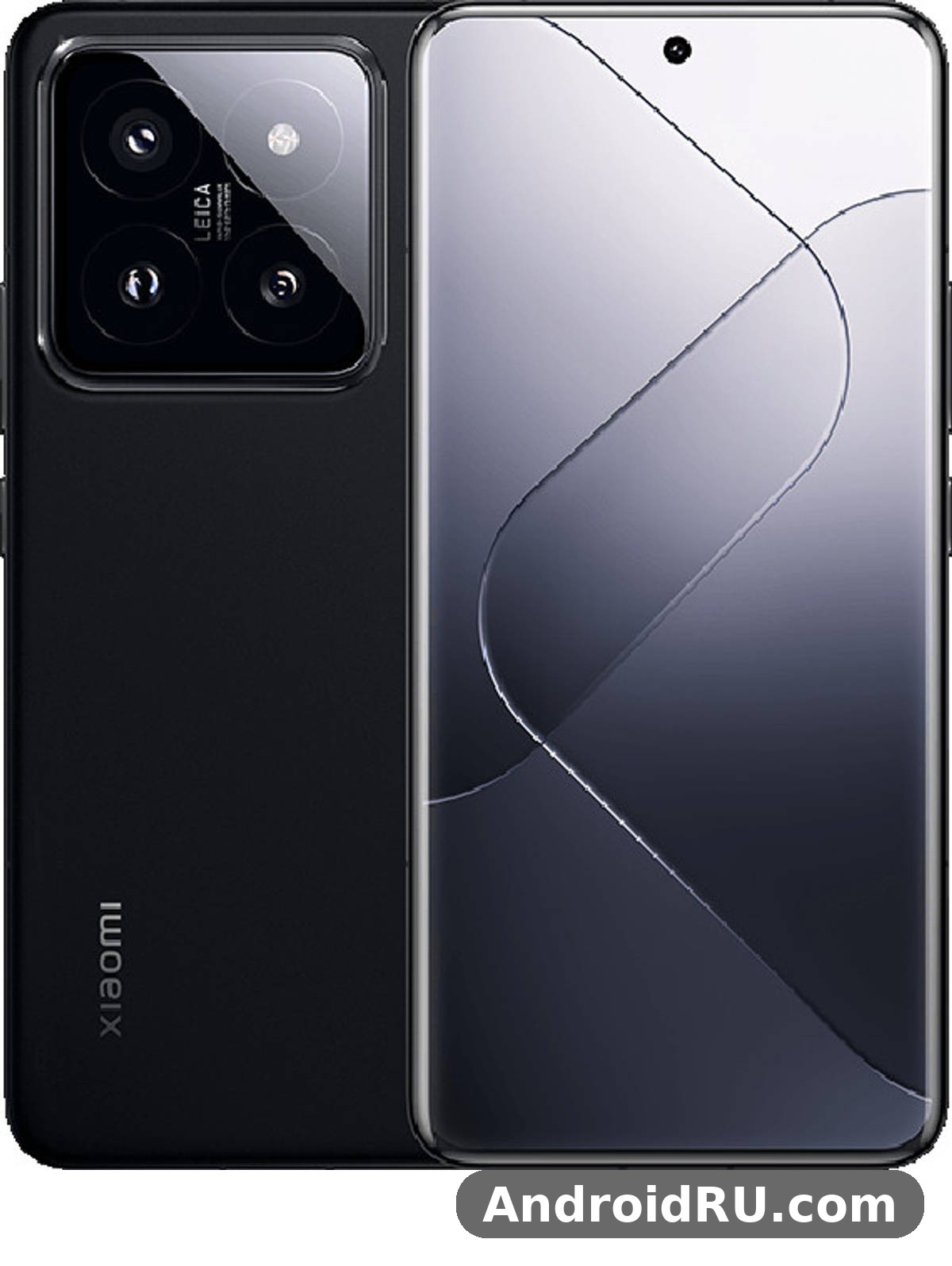
If you shoot a lot of photos, record video for social media or short films, or simply want a fast phone that charges in minutes rather than hours, the 14 Pro deserves a close look. It is not the newest Xiaomi flagship, and its global availability was always narrower than the regular Xiaomi 14, yet the hardware inside remains strong. This Xiaomi 14 Pro review 2026 update weighs what has aged well against what newer rivals do better, and it answers the question many buyers still ask: is Xiaomi 14 Pro worth buying in 2026?
Before the detail, a quick summary. Photo quality is the headline act, thanks to the Leica Summilux lens and the f/1.42 to f/4.0 variable aperture that changes how much light and depth of field you get. Video is unusually capable for its generation, with 8K recording, 4K at 60 frames per second and Dolby Vision HDR. Performance is flagship grade, with the Snapdragon 8 Gen 3 handling heavy games and long editing sessions without the stutter that cheaper phones show. The trade-offs are real too: the phone is heavy at 223 grams, there is no microSD slot, and the Xiaomi 14 Pro price in 2026 varies a lot between import sellers, so the value depends on what you pay.
Xiaomi 14 Pro Photo Quality: Leica Summilux and Variable Aperture
The camera is the reason most people consider this phone, and the Xiaomi 14 Pro camera review starts with the hardware. The main camera uses a 50MP Light Hunter 900 sensor, a 1/1.31-inch type sensor with 1.2-micron pixels, behind a Leica Summilux lens with a variable aperture that moves in steps from f/1.42 to f/4.0. That aperture range is rare on a phone. At f/1.42 the lens gathers a lot of light for night shots and gives a shallow depth of field for portraits; stopped down toward f/4.0, more of the scene stays sharp, which suits landscapes and group photos. Optical image stabilisation keeps the main camera steady in dim light.
Xiaomi 14 Pro photo quality in daylight is strong by any measure. Colours in the default Leica Vibrant mode are rich without turning cartoonish, while Leica Authentic mode keeps tones closer to what your eyes see, with slightly muted contrast and a film-like feel. Detail holds up well when you crop in, and the 50MP files give you room to reframe. Dynamic range is wide: bright skies keep their blue instead of washing out, and shadows keep texture instead of turning black. The phone processes images quickly, so you rarely wait for the shutter to catch up.
This Xiaomi 14 Pro Leica camera review would be incomplete without the two other lenses. The 50MP telephoto covers a 75mm equivalent focal length with 3.2x optical zoom and optical stabilisation, and the 50MP ultrawide covers a 115-degree field of view. All three rear cameras share the same 50MP resolution, which keeps detail consistent when you switch lenses — a small thing that matters when you edit a set of photos together.
Xiaomi 14 Pro Low Light Photography Tips and Night Mode Photo Quality
Night shooting is where the variable aperture earns its keep. Xiaomi 14 Pro night mode photo quality benefits from the f/1.42 end of the range, which lets the sensor collect more light before the software needs to raise the ISO. In practice, night shots keep street lights under control, neon signs stay readable, and faces in dim restaurants keep natural skin tones instead of turning orange or grey. A few habits help further, and these Xiaomi 14 Pro low light photography tips apply to any night scene: hold the phone still for a beat after tapping the shutter, tap to focus on the brightest part of the scene when a sign or window threatens to blow out, and switch to the main camera rather than the ultrawide after dark, because the main sensor is larger and gathers more light.
The dedicated night mode stacks several frames and takes a second or two longer, but the result is cleaner than a single exposure at high ISO. Noise stays low in the shadows, and the phone avoids the over-sharpened look that some rivals produce. If you shoot handheld at night, keep the phone braced against a wall or railing when you can; the stabilisation is good, but a steady hand still wins. For city scenes, the Leica Authentic mode gives night photos a moodier, more natural character, while Vibrant mode suits colourful markets and festivals.
When to Use the Variable Aperture
The Xiaomi 14 Pro variable aperture camera test results point to a simple rule. Use f/1.42 in dark rooms, at night and for single-subject portraits where you want the background to melt away. Use f/2.0 or f/2.8 for everyday street and food photos, where you want the subject sharp and the background softly blurred but still recognisable. Use f/4.0 for landscapes, architecture and group shots, where depth of field matters more than light gathering. The camera app lets you change the aperture in Pro mode, and the difference is visible on the screen before you shoot, which makes it easy to learn by doing.
Xiaomi 14 Pro Portrait Mode Comparison and 3.2x Telephoto Zoom
Portrait mode on the 14 Pro offers several focal lengths, and a Xiaomi 14 Pro portrait mode comparison between the 35mm, 50mm and 75mm options shows why choice matters. The 35mm view suits environmental portraits with context around the subject. The 50mm view is the classic portrait length, flattering for faces without distortion. The 75mm telephoto view compresses the background and isolates the subject best, and it is the one to pick for head-and-shoulders shots. Edge detection around hair is generally clean in good light, and the Leica portrait styles add subtle tone curves rather than heavy smoothing.
The Xiaomi 14 Pro 3.2x telephoto zoom samples show the second strength of this system. At 3.2x, photos keep fine detail — brickwork, leaves, fabric texture — and colours match the main camera closely, so a zoomed shot does not look like it came from a different phone. Digital zoom beyond 3.2x holds up to about 5x or 6x for social media sizes, but quality drops past 10x, as it does on most phones without a periscope lens. For concerts, travel details and candid street shots, the 75mm lens is the most-used lens after the main camera.
Ultrawide Camera and Everyday Photos
The Xiaomi 14 Pro ultrawide camera review is positive with one reservation. In daylight the ultrawide delivers sharp, wide scenes with little distortion at the edges, and its autofocus lets it double as a macro camera for close-ups of flowers, food and small objects. Colours match the other two lenses well. In low light it falls behind the main camera, as ultrawide lenses usually do, because its sensor is smaller and its aperture is f/2.2. That is normal for this class of phone, and the sensible habit is to use the ultrawide in daylight and switch to the main camera after dark. The front camera is a 32MP unit that records 4K video and takes detailed selfies with natural skin tones in good light.
Xiaomi 14 Pro Video Recording Quality: 8K, 4K and Dolby Vision
Video is the second pillar of this phone, and Xiaomi 14 Pro video recording quality is a step above most phones of its generation. The rear cameras record 8K video at 24 frames per second, 4K at up to 60 frames per second, and 1080p at up to 1920 frames per second for slow motion in the right mode. Dolby Vision HDR recording is available at 4K, which gives footage a wider dynamic range and richer colour on compatible screens. The main and telephoto cameras both have optical stabilisation, and electronic stabilisation smooths walking shots further.
In daylight, 4K footage looks clean, detailed and stable, with accurate colours and smooth exposure changes when you pan from shade into sun. The Leica colour profiles carry over to video, so footage shot in Vibrant or Authentic mode keeps a consistent look with your still photos — handy if you mix photos and clips in one edit. Autofocus during video is quick and rarely hunts, even when a subject moves toward the camera, and face tracking holds on well for vlogging.
Low-light video is good rather than miraculous. Noise appears in very dark scenes, and the phone leans on noise reduction that can soften fine detail, but street scenes and indoor events stay usable, especially at 4K 30 frames per second. The front camera records 4K at 60 frames per second with stabilisation, which is better than many rivals manage, and it suits video calls and selfie video alike. Audio from the stereo microphones is clear, with wind noise handled reasonably well outdoors.
Xiaomi 14 Pro 8K Video Recording Settings and Practical Advice
The Xiaomi 14 Pro 8K video recording settings deserve a short guide, because 8K is powerful but demanding. To use it, open the camera app, switch to Video, and choose 8K 24fps from the resolution menu. Keep clips short: 8K files are large, the phone warms up faster, and most viewers still watch on 4K or smaller screens. For everyday recording, 4K 30fps with Dolby Vision HDR is the better default — it looks great on phones, televisions and laptops, and the files are far easier to edit and share. Use 4K 60fps for action, sport and anything you plan to slow down. Turn on the grid and level in the camera settings to keep horizons straight, and lock exposure with a long press on the screen when the light is tricky.
One practical note: check your storage before a long shoot. The 14 Pro records beautiful video, but 8K and 4K 60fps fill storage fast, and there is no microSD slot to add more. The 512GB and 1TB versions are the safer picks for heavy video users, while 256GB suits people who back up to the cloud regularly.
Xiaomi 14 Pro Snapdragon 8 Gen 3 Performance and Gaming
Performance is the third pillar of the title, and Xiaomi 14 Pro Snapdragon 8 Gen 3 performance is flagship grade in every sense. The chip is built on a 4nm process and pairs one Cortex-X4 prime core at 3.3GHz with performance and efficiency cores, plus the Adreno 750 GPU. In daily use that means apps open instantly, switching between a dozen apps stays smooth, and heavy tasks such as exporting a 4K video or editing a large photo batch finish quickly. The Xiaomi 14 Pro performance in benchmarks from its launch period sat at the top of the Android field, and in 2026 it still handles every mainstream app and game without strain.
The Xiaomi 14 Pro gaming performance test picture is strong. Demanding titles run at high frame rates with high graphics settings, and the large vapour chamber cooling keeps the phone from throttling hard during a 30-minute session. The 120Hz display helps here too: fast games feel responsive, and touch sampling keeps up with quick movements. The stereo speakers add to the experience, with clear positional audio that makes it easier to hear footsteps and direction in competitive games. If you play for an hour or more, the back of the phone warms up — that is normal for a flagship chip under load — but the frame rate stays steadier than on many thinner rivals.
RAM and storage support the chip well. The phone ships with 12GB or 16GB of LPDDR5X RAM and 256GB, 512GB or 1TB of UFS 4.0 storage, which is the fastest storage standard of its generation and keeps large games and video files loading quickly. Multitasking is comfortable: you can keep a game, a browser with many tabs, a messaging app and a video editor in memory and switch between them without reloads. The Xiaomi 14 Pro storage options matter for buyers, so pick 512GB if you play several large games or record a lot of video, and 256GB only if you back up often.
Xiaomi 14 Pro Overheating Test and Sustained Performance
Every powerful phone faces the same question, and the Xiaomi 14 Pro overheating test results from published reviews are reassuring. Under a short burst of load the chip runs at full speed; under a long, heavy load such as 30 minutes of ray-traced gaming or back-to-back 4K recording, the phone warms up and trims peak speed slightly to protect itself. That is the design working as intended, not a fault. In normal use — browsing, messaging, streaming, photography — the phone stays cool to the touch. Xiaomi 14 Pro overheating is most likely to appear during charging while gaming at the same time, so the practical advice is simple: if you game while plugged in, use a slower charger or pause charging, and keep the phone out of direct sun on a hot day.
HyperOS helps by managing background apps sensibly, and the Game Turbo mode lets you tune performance, block notifications and monitor frame rates while you play. For most owners, sustained performance is a non-issue: the phone is fast on day one and stays fast, because the chip has headroom above what everyday apps demand.
Xiaomi 14 Pro Display Quality Review: 6.73 Inch LTPO AMOLED
The screen is one of the best parts of this phone. The Xiaomi 14 Pro display quality review starts with the panel itself: a 6.73-inch LTPO AMOLED display with a 1440 x 3200 resolution, a 1-120Hz adaptive refresh rate, Dolby Vision and HDR10+ support, and a peak brightness of 3000 nits. That brightness figure matters outdoors: the screen stays readable in direct sunlight, where dimmer phones wash out. The Xiaomi 14 Pro display shows photos and video with rich colour and deep blacks, and the 120Hz refresh rate makes scrolling and animations feel fluid.
The LTPO backplane adjusts the refresh rate to match what is on screen, dropping to 1Hz for a static page to save power and rising to 120Hz for scrolling and gaming. That adaptive behaviour is a quiet battery saver, and it is one reason the phone lasts as well as it does despite the high-resolution panel. Colour accuracy is good in the default Vivid mode and better still in the Natural or Original colour modes, which suit photo editing. The display is protected by Xiaomi Longjing Glass, also known as Dragon Crystal Glass, which resists scratches and drops better than the glass on older Xiaomi flagships.
For readers who want a comparison of screens in the family, the Xiaomi 14T Pro Review: Screen Quality, Cameras and Charging covers a related Xiaomi Pro model with its own screen and charging story, and it is a useful cross-check if you are choosing between generations. On the 14 Pro itself, the screen also handles HDR video well: Dolby Vision content on streaming apps shows bright highlights and dark shadows in the same frame without crushing either end, and the stereo speakers complete the picture for watching films without headphones.
Reading, Gaming and Outdoor Use on the LTPO Panel
In daily use the panel has few weaknesses. Text is crisp at 522 pixels per inch, small fonts stay readable, and the curved edges of the display — subtle on this model — do not cause accidental touches as often as the aggressive curves of older phones. The under-display optical fingerprint sensor sits low on the screen and unlocks quickly; Xiaomi 14 Pro fingerprint sensor speed is fast in normal conditions, though wet fingers still slow it down, as they do on every optical sensor. Face unlock works well in good light and is a handy backup.
One setting worth changing: set the display to its full WQHD+ resolution and the adaptive 120Hz mode, then let the phone manage the refresh rate itself. Some owners switch to 1080p to save battery, but the saving is small on this panel and the sharpness loss is visible in text. The always-on display shows the time and notifications without waking the full screen, and the 1920Hz PWM dimming keeps the screen comfortable in dark rooms for people sensitive to flicker.
Xiaomi 14 Pro Battery Life Test and 120W Charging Speed
Battery life is the question every buyer asks after the camera, and the Xiaomi 14 Pro 4880mAh battery drain test results are solid for a 4880mAh cell driving a large, high-resolution 120Hz screen. In mixed use — messaging, browsing, photography, an hour of video and some gaming — the phone comfortably lasts a full day, with most owners reaching bedtime at 20 to 30 percent remaining. Lighter users can stretch to a day and a half. Heavy users who record a lot of 4K video or play demanding games for hours will need a top-up in the evening, but that is true of almost every flagship with a screen this bright.
The Xiaomi 14 Pro 4880mAh battery drain test picture depends on how you use the phone. Screen-on time in published tests landed in the range of roughly 7 to 9 hours of mixed use, with video playback and reading at the efficient end and gaming and 4K recording at the hungry end. The LTPO panel helps by dropping its refresh rate when nothing moves, and HyperOS trims background activity sensibly. The Xiaomi 14 Pro battery is a silicon-carbon design in some regions, and the phone manages its charge well over time, with settings to limit charging to 80 percent overnight if you want to slow long-term wear.
Charging is where this phone pulls away from most rivals. The Xiaomi 14 Pro charging speed test story is simple: 120W wired charging takes the phone from empty to full in about 19 to 20 minutes with the included charger, and a 10-minute top-up adds roughly half a charge. That changes how you think about battery: instead of charging overnight, you can plug in while you shower and leave with most of a day’s power. Wireless charging runs at 50W with a compatible Xiaomi wireless charger, taking roughly 40 minutes for a full charge, and 10W reverse wireless charging lets you top up earbuds or a friend’s phone.
Xiaomi 14 Pro Wireless Charging Time and Charging Habits
Xiaomi 14 Pro wireless charging time is worth knowing before you buy a pad. With the official 50W wireless stand, a full charge takes around 40 minutes; with a standard 15W Qi pad, expect closer to two hours, because the phone negotiates the lower rate. The phone also supports wired charging from third-party USB Power Delivery chargers, but the full 120W speed needs the included Xiaomi charger and cable, so keep those in the box contents — the Xiaomi 14 Pro unboxing includes the phone, the 120W charger, a USB-C cable, a protective case and a SIM ejector tool in most regions.
For battery health, the best habits are boring but effective: avoid leaving the phone at 0 percent for days, avoid charging it in a hot car, and use the overnight charging protection that pauses at 80 percent and finishes before your alarm. Fast charging is safe when the phone manages heat, and the 14 Pro does that well, stepping down the charge rate as the battery fills.
Xiaomi 14 Pro Design, Build and HyperOS Features
The 14 Pro looks and feels like a flagship. The frame is aluminium, the back is glass, and the large square camera module in the top corner carries the Leica branding proudly. Xiaomi 14 Pro weight is 223 grams and the phone measures 161.4 x 75.3 x 8.35mm, so it is tall, wide and heavier than the regular Xiaomi 14 — a phone for two hands and a pocket with room to spare. The Xiaomi 14 Pro colours at launch were Jade Green, Black, White and Rock Blue, with a Titanium Special Edition in grey titanium for buyers who wanted a tougher, lighter-feeling frame. Xiaomi 14 Pro durability is helped by the aluminium frame, the Longjing Glass front and IP68 dust and water resistance, which means the phone survives immersion in fresh water up to 1.5 metres for 30 minutes under lab conditions.
The Xiaomi 14 Pro IP68 water resistance test results from published reviews match the rating: splashes, rain and brief drops in a sink are no problem, but the rating does not cover salt water, hot water or high-pressure jets, and water damage is not covered by the standard warranty, so treat the rating as insurance rather than an invitation to swim with the phone. The stereo speakers deserve a mention too. The Xiaomi 14 Pro speaker quality test picture is strong: sound is loud, clear and balanced for a phone, with Dolby Atmos support and enough bass for video and casual music, though it will not replace a dedicated speaker for a room.
Software is HyperOS, Xiaomi’s system that replaced MIUI, running on Android 14 at launch with updates to later Android versions. The Xiaomi 14 Pro HyperOS features include a cleaner control centre, lock screen customisation, better cross-device sharing with tablets and laptops, and a photo gallery with AI editing tools. The Xiaomi 14 Pro software update policy promises several years of Android version updates and security patches — check the current policy on the official Xiaomi page for your region, because the exact count varies by market and launch date. In daily use HyperOS feels fast and polished, with fewer duplicate apps than older MIUI builds, though some pre-installed apps remain and can be uninstalled or disabled.
For a sense of how Xiaomi’s software and build have moved on in the newer T series, the Xiaomi 15T Review: Design, Software and Camera Quality is a useful companion read, and the Xiaomi 15T Pro Review: Build Quality, Software and Daily Speed covers the newer Pro model in the same family. Both show how much of the 14 Pro’s design language — the flat frame, the large camera module, the HyperOS polish — carried forward into later phones.
Connectivity, Sensors and Everyday Details
Connectivity is complete: 5G on both SIM slots, Wi-Fi 7, Bluetooth 5.4 with aptX HD and LDAC, NFC for payments, an infrared blaster for controlling televisions and air conditioners, and USB-C with USB 3.2 Gen 2 speeds for fast file transfer. The Xiaomi 14 Pro 5G performance is strong on modern networks, with good signal holding in buildings and on the move. Sensors include an under-display fingerprint sensor, face unlock, accelerometer, gyroscope, proximity sensor, compass, barometer and colour spectrum sensor for the camera. The X-axis linear motor gives crisp haptic feedback for typing and gaming, and dual SIM support with eSIM in some regions covers travellers.
Small details add up: the phone supports dual speakers with Hi-Res Audio, the vibration motor is tuned well, and the case in the box protects the camera module from scratches on day one. The Xiaomi 14 Pro accessories worth buying are a good case, a screen protector and, if you want the fastest wireless charging, the official 50W wireless stand. Third-party 120W chargers exist, but the included charger is the safest way to reach full speed.
Full Specifications
This section gathers the Xiaomi 14 Pro full specifications list in one place. Every figure below is the published specification for the Xiaomi 14 Pro as released, and where a figure varies by region or variant, the common value is given with the variation noted. If a detail matters for your purchase — such as the exact 5G bands for your carrier — check the official specification page for your region before buying, because bands and eSIM support differ between the Chinese and global variants.
| Feature | Xiaomi 14 Pro Specification |
|---|---|
| Launch | Announced 26 October 2023; Xiaomi 14 Pro release date 1 November 2023 in China |
| Display | 6.73-inch LTPO AMOLED, 1440 x 3200, 120Hz adaptive, Dolby Vision, HDR10+, 3000 nits peak, Xiaomi Longjing Glass |
| Chipset | Qualcomm Snapdragon 8 Gen 3 (4nm), octa-core up to 3.3GHz, Adreno 750 GPU |
| RAM | 12GB or 16GB LPDDR5X |
| Storage | 256GB, 512GB or 1TB UFS 4.0; no microSD slot |
| Rear camera | 50MP main, Light Hunter 900, f/1.42-f/4.0 variable aperture, OIS; 50MP telephoto 75mm, 3.2x optical zoom, OIS; 50MP ultrawide 115 degrees, autofocus |
| Front camera | 32MP, f/2.0, 4K 60fps video |
| Video | 8K 24fps, 4K 30/60fps Dolby Vision HDR, 1080p up to 1920fps slow motion |
| Battery | 4880mAh; 120W wired, 50W wireless, 10W reverse wireless |
| Software | HyperOS based on Android 14 at launch |
| Build | Aluminium frame, glass back, IP68 dust and water resistance, 223g, 161.4 x 75.3 x 8.35mm |
| Connectivity | 5G, Wi-Fi 7, Bluetooth 5.4, NFC, infrared blaster, USB-C USB 3.2 Gen 2, dual SIM |
| Audio | Stereo speakers, Dolby Atmos, Hi-Res Audio, no 3.5mm jack |
| Security | Under-display optical fingerprint sensor, face unlock |
| Colours | Jade Green, Black, White, Rock Blue; Titanium Special Edition |
Xiaomi 14 Pro Specs: Display, Chipset, RAM and Storage
The Xiaomi 14 Pro specs sheet reads like a flagship checklist, and the details matter. The 6.73-inch panel is a 12-bit display with 68 billion colours, a 20:9 aspect ratio and 522 pixels per inch, so photos, text and video all look sharp. The Snapdragon 8 Gen 3 is the key difference from the Xiaomi 15 series, which moved to the Snapdragon 8 Elite — do not confuse the two chips when comparing prices or benchmark scores. RAM is LPDDR5X, the fastest mobile memory of its generation, and storage is UFS 4.0, which reads and writes large files far faster than the UFS 3.1 storage in mid-range phones. The Xiaomi 14 Pro titanium edition uses a titanium frame with a slightly different weight and feel, and it was sold in limited quantities, so expect a higher price on the second-hand market.
Xiaomi 14 Pro Specs: Camera, Battery and Connectivity
The camera system is the most detailed part of the specification. The main sensor is the Light Hunter 900, a 1/1.31-inch sensor with dual native ISO and a dynamic range that suits both bright daylight and night scenes. The telephoto lens is a floating design that focuses as close as 10cm for telemacro shots, and the ultrawide lens focuses close enough for macro work too. The battery is 4880mAh, charged at 120W wired through the Surge P2 chip and at 50W wireless through the Surge G1 chip, with battery health management built in. Connectivity covers Wi-Fi 7 with up to 5.8Gbps theoretical speed, Bluetooth 5.4 with dual audio, and full 5G with dual SIM standby.
Dimensions, Weight and Sensors in Detail
The phone measures 161.4mm tall, 75.3mm wide and 8.35mm thick, and weighs 223 grams with the glass back; the titanium edition is a touch lighter in the hand. Sensors include an accelerometer, gyroscope, proximity sensor, ambient light sensor, compass, barometer, colour spectrum sensor and flicker sensor for the camera. The USB-C port supports DisplayPort video output, so you can connect the phone to a monitor or television with a suitable cable. There is no 3.5mm headphone jack, so wired listening needs a USB-C adapter or USB-C headphones, while wireless listening is covered by LDAC, aptX HD and LHDC codecs.
What Is in the Box
The retail box in most regions contains the phone, a 120W HyperCharge adapter, a USB-C cable, a soft protective case, a SIM ejector tool and a quick start guide. Some regions sold the phone without the charger, so check the listing before you buy, especially on the second-hand market. The included case is worth using from day one: it protects the large camera module, which sits proud of the back and picks up scratches on hard surfaces.
Xiaomi 14 Pro vs Xiaomi 14 Ultra and Xiaomi 14
The 14 Pro sits between two siblings, and the Xiaomi 14 Pro vs Xiaomi 14 Ultra comparison is the one most buyers ask about first. The Ultra adds a larger 1-inch type main sensor, a periscope telephoto with 5x optical zoom, a bigger 5300mAh battery and a more camera-focused design, but it costs more and is heavier. The 14 Pro keeps the variable aperture that the Ultra lacks, charges at the same 120W wired speed, and shares the same Snapdragon 8 Gen 3 chip and HyperOS software. For most photographers, the Pro is the better balance of camera, size and price; for buyers who want the longest zoom and the largest sensor, the Ultra wins. The Xiaomi 14 Ultra Review: Daily Performance and Key Features covers that flagship in detail, including its daily performance and its own camera strengths.
The Xiaomi 14 Pro vs Xiaomi 14 comparison is simpler. The regular Xiaomi 14 is smaller, lighter and cheaper, with a 6.36-inch display, a 4610mAh battery and 90W charging, and it shares the same Snapdragon 8 Gen 3 chip and Leica camera tuning. The Pro gives you the bigger 6.73-inch LTPO display, the variable aperture main camera, the 3.2x telephoto, the 120W charging and the 50W wireless charging. If you want a compact phone, pick the 14; if you want the biggest screen and the most flexible camera, pick the Pro. The Xiaomi 14 Review: Design, Battery Life and Usability is the companion read for that smaller model, and it explains where the regular 14 shines in daily use.
| Feature | Xiaomi 14 Pro | Xiaomi 14 Ultra | Xiaomi 14 |
|---|---|---|---|
| Display | 6.73-inch LTPO AMOLED, 120Hz, 3000 nits | 6.73-inch LTPO AMOLED, 120Hz, 3000 nits | 6.36-inch LTPO OLED, 120Hz, 3000 nits |
| Chipset | Snapdragon 8 Gen 3 | Snapdragon 8 Gen 3 | Snapdragon 8 Gen 3 |
| Main camera | 50MP, f/1.42-f/4.0 variable aperture | 50MP 1-inch type, f/1.6-f/4.0 variable aperture | 50MP, f/1.6, OIS |
| Zoom camera | 50MP 3.2x telephoto | 50MP 3.2x telephoto plus 50MP 5x periscope | 50MP 3.2x telephoto |
| Battery | 4880mAh, 120W wired, 50W wireless | 5300mAh, 90W wired, 80W wireless | 4610mAh, 90W wired, 50W wireless |
| Weight | 223g | 219.8g to 229.5g by variant | 193g |
| Water resistance | IP68 | IP68 | IP68 |
Xiaomi 14 Pro Alternatives Worth Considering in 2026
The Xiaomi 14 Pro alternatives in 2026 include the Xiaomi 15 and 15 Pro with the Snapdragon 8 Elite, the Xiaomi 14 Ultra for longer zoom, and rivals such as the OnePlus 13, the Samsung Galaxy S24 Ultra and the Google Pixel 9 Pro. Each trades something: the 15 series is faster and newer but costs more; the OnePlus 13 offers a bigger battery; the Pixel 9 Pro offers cleaner software and stronger computational photography but slower charging. The 14 Pro earns its place when its price drops below the newer models by a clear margin, because the camera and screen remain close to the current flagships while the price is not.
Who should pick the Pro? Photographers who want the variable aperture and the Leica look, video makers who want 8K and Dolby Vision without paying Ultra prices, and gamers who want a top chip with a bright 120Hz screen. Who should skip it? Buyers who want the longest software support from a new purchase, people who want a small light phone, and anyone who needs a microSD slot or a headphone jack. For everyone in between, the decision comes down to price: at a good discount, the Pro is a bargain flagship; at full launch price next to a discounted Xiaomi 15, the newer phone wins.
Pros and Cons
The strengths are easy to list. The Leica triple camera is versatile and consistent, the variable aperture is genuinely useful, video quality is excellent for the generation, the display is bright and sharp, performance is top tier, and 120W charging removes battery anxiety. The weaknesses are just as clear. The phone is heavy and large, there is no microSD expansion, the ultrawide and telephoto fall behind the main camera after dark, and software support will end sooner than on a phone bought new in 2026. The global launch was also limited, so finding a new unit with a full warranty in some regions takes effort. That said, none of the weaknesses breaks the phone for its target buyer — a person who values the camera and the screen above pocketability.
Frequently Asked Questions About the Xiaomi 14 Pro
Is Xiaomi 14 Pro worth buying in 2026?
It depends on the price you find. At a clear discount below the Xiaomi 15 series, the 14 Pro is worth buying in 2026 for its Leica camera, bright LTPO display, Snapdragon 8 Gen 3 speed and 120W charging. At a price close to a new Xiaomi 15, the newer phone is the better buy, because it brings a faster chip and a longer remaining software support window. Check the Xiaomi 14 Pro updates still available for your region before you pay, because the number of future Android versions left is the main thing that separates a good deal from a poor one. For photography and video, the 14 Pro still produces excellent Xiaomi 14 Pro photos and clips, so the camera is not the reason to skip it.
How good is the Xiaomi 14 Pro camera for photos and zoom?
The camera is the strongest reason to buy this phone. The 50MP main camera with its variable aperture takes detailed, natural-looking photos in daylight and clean shots at night, the 50MP ultrawide is sharp in daylight, and the Xiaomi 14 Pro zoom through the 3.2x telephoto keeps detail well for portraits, travel and concerts. The Leica colour profiles give photos a distinctive look, and the 32MP front camera handles selfies and 4K video calls comfortably. The only real gap is the lack of a periscope lens, so zoom past 10x is digital and soft — the Ultra is the pick if long zoom is your priority.
How long does the Xiaomi 14 Pro battery last and how fast does it charge?
In mixed daily use the 4880mAh battery lasts a full day for most owners, with roughly 7 to 9 hours of screen-on time depending on brightness, gaming and video recording. Wired charging at 120W fills the battery in about 19 to 20 minutes with the included charger, wireless charging at 50W takes around 40 minutes with the official stand, and reverse wireless charging at 10W tops up earbuds and other small devices. If you charge overnight, use the battery protection setting that pauses at 80 percent and finishes before your alarm to slow long-term wear.
Does the Xiaomi 14 Pro have 5G, Wi-Fi 7 and IP68 water resistance?
Yes to all three. The phone supports 5G on dual SIM, Wi-Fi 7, Bluetooth 5.4, NFC and an infrared blaster, and it carries an IP68 rating for dust and water resistance, meaning it survives immersion in fresh water up to 1.5 metres for 30 minutes under lab conditions. The Xiaomi 14 Pro speakers are stereo with Dolby Atmos, the fingerprint sensor is under the display, and the USB-C port supports fast file transfer and video output. There is no microSD slot and no 3.5mm headphone jack, so plan your storage and your headphones accordingly.
Xiaomi 14 Pro Price in 2026 and Final Verdict
The Xiaomi 14 Pro price in 2026 tells the story of this phone. Launch pricing put it firmly in flagship territory, but by 2026 import and second-hand prices have fallen well below the Xiaomi 15 series, and that discount is what makes the Pro interesting again. Prices vary by region, storage size and condition, so compare several sellers, check the warranty, and confirm whether the charger is included before you buy. The 512GB version is the sweet spot for most buyers, because it gives room for photos, video and games without the premium of the 1TB model.
The verdict is straightforward. This phone is a camera flagship first and a performance flagship second, and it still delivers on both promises. Photo quality is versatile and characterful thanks to the Leica Summilux lens and the variable aperture. Video is strong, with 8K, 4K 60fps and Dolby Vision HDR. Performance is fast, the display is superb, and 120W charging is genuinely life-changing for heavy users. The weight, the missing microSD slot and the shorter remaining support window are the costs of buying a 2023 flagship in 2026, and they are worth accepting only when the price reflects them.
If you find the 14 Pro at a good discount, buy it for the camera and keep it for two or three years of photography, video and everyday speed. If the price sits close to a new Xiaomi 15, step up to the newer phone instead. Either way, start by checking the current price in your region, confirming the software support left, and choosing the 512GB version if you shoot video — then enjoy one of the most complete camera phones Xiaomi has made.

