

Samsung Galaxy A51 5G Review: Display Quality, Speed and Daily Use
When Samsung put 5G into a mid-range phone in 2020, the Galaxy A51 5G was the result, and it arrived with a clear pitch: a bright Super AMOLED screen, a capable quad camera, and a battery that could carry most people through a full day, all without the price of a flagship. I spent extended time with this phone as a daily driver, carrying it on commutes, using it for video calls, photography, navigation, and late-night reading, and what stood out was how balanced it felt. Nothing about it screams for attention, yet very little about it gets in the way either. For a full list of every number behind the phone, the specification section later in this article covers the hardware in detail, so a claim in this review can be checked against the exact figure in the same place. The Galaxy A51 5G gaming performance is good for popular titles at medium settings, though demanding games need lower graphics settings to hold a steady frame rate. The A51 RAM is 6GB in the base model, which is enough for everyday multitasking without constant app reloads.
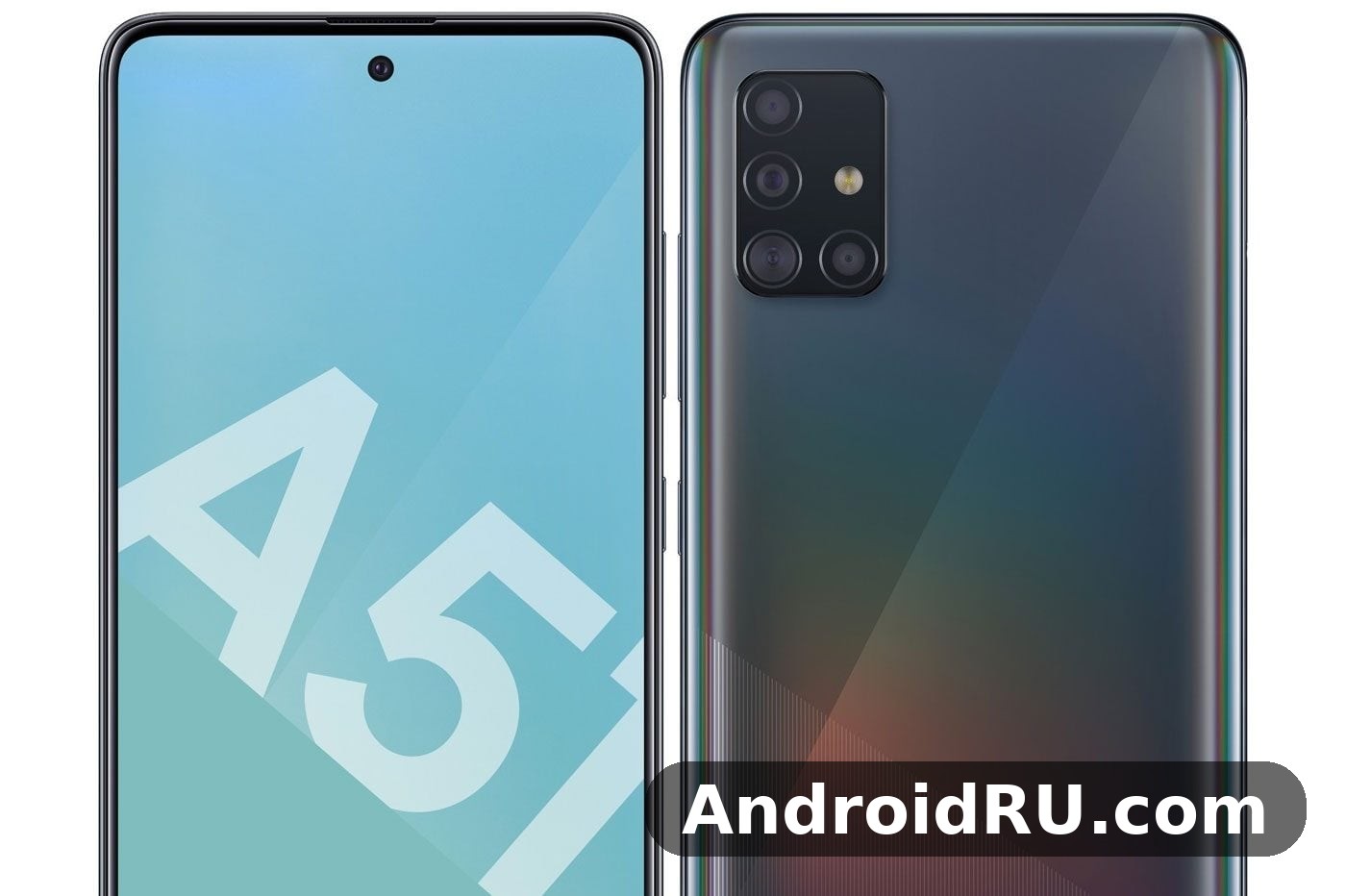
This merged review looks at the three things the title promises: how good the display really is, how fast the phone feels in normal use, and what living with it day to day is like after the novelty wears off. I will cover the cameras, the battery, the design, and the software too, because a phone is judged as a whole, not as a spec sheet. That said, the short version is simple. If you want a dependable mid-range Samsung with a lovely screen and 5G, this phone still makes sense as a used or budget buy, as long as you know its limits, above all the modest 15 W charging and the camera performance after dark. The Galaxy A51 5G display quality is the first thing most owners notice, with punchy colours and deep blacks that suit video and reading. The A51 processor handles daily apps and multitasking without fuss, though heavy games are where its limits show.
For context, Samsung’s later mid-range phones moved the formula on in clear ways, with faster charging and smoother screens. If you want to see how much changed in the newer generation, read Samsung Galaxy A52 5G Review: Design, Battery Life and Usability after this review. That comparison helps you judge whether a used A51 5G at a low price is better value for you than a newer handset, or whether the newer screen and charging are worth the extra money.
Samsung Galaxy A51 5G Display: 6.5-Inch Super AMOLED in Daily Use
The 6.5-inch Super AMOLED panel is the best thing about this phone, and it is the first thing you notice every time you pick it up. Resolution is 1080 by 2400 pixels, which works out to around 405 pixels per inch, so text looks crisp and fine detail in photos holds up at normal viewing distance. Colours are vivid in the default Vivid mode, with deep blacks that only an AMOLED panel can deliver, and switching to Natural mode tames the saturation for anyone who prefers a calmer look. The 20:9 aspect ratio makes the phone tall and narrow, which suits scrolling through feeds and reading long articles, and videos fill the screen nicely with only small black bars on most content. Does Galaxy A51 5G have a microSD card slot? Yes, the hybrid tray accepts cards up to 512GB, though the second SIM slot is shared with the card.
In practice, the screen is what sells the phone in a shop and what keeps owners happy months later. Watching a series on the train, the contrast between a dark scene and a bright highlight is striking for a phone at this price, and the panel stays readable in a bright room without needing to crank brightness to the top all the time. The Super AMOLED panel is also kind to the eyes at night, since true blacks mean less glow from dark areas of the screen, and the always-on display shows the time and notifications without waking the whole panel. Does Galaxy A51 5G support eSIM? No, this model has no eSIM, so a second line needs the physical dual-SIM tray.
Brightness, Colours and Outdoor Visibility
Outdoors, the display holds up well in shade and on overcast days, and it stays usable in direct sunlight if you let auto-brightness do its job, though it will not match the peak brightness of a flagship from the same year or a newer mid-range phone. That is the honest trade-off here: the panel is beautiful indoors and in normal daylight, and only in harsh sun does it ask you to shade the screen or find a shadow. Colour accuracy in Natural mode is respectable for photo editing on the go, and the Vivid mode, while punchier than real life, makes streaming video and games look lively without turning skin tones orange. The Galaxy A51 5G fingerprint sensor is quick and reliable once you register the same finger twice, which improves recognition when your hands are dry or slightly damp. An A51 unboxing is a quick job: the phone, a USB-C cable and the paperwork are inside, and you will need your own charger if one is not included in your region.
One practical detail matters for everyday use. Auto-brightness on this phone reacts smoothly rather than jumping in steps, so walking from a dim room into daylight does not leave you squinting at a dark screen for several seconds. The panel also handles mixed lighting well: a photo taken indoors and viewed outdoors still shows its colours clearly, which is not true of every mid-range screen from 2020. If you read a lot outside, keep auto-brightness on and let the phone do the work, rather than fixing brightness at a single level that is too dim for noon and too bright for bedtime. The Galaxy A51 5G headphone jack does not exist on this model, so wired listening needs a USB-C adapter or a USB-C headset. The A51 fingerprint sensor sits under the display and unlocks quickly once your finger is registered well.
60 Hz Refresh Rate and Touch Response
The panel runs at 60 Hz, which was normal for this class in 2020, and it is the one display spec that feels dated next to newer phones with 90 Hz or 120 Hz screens. Scrolling is smooth enough, and touch response is quick and reliable, but side by side with a 120 Hz phone you can see the difference in how motion flows. For most daily tasks, reading, messaging, maps, and video, 60 Hz is perfectly fine, and the panel makes up for it with contrast and colour. Gamers who care about high refresh rates should know this before buying, while everyone else will likely stop noticing after a day or two. This A51 review is based on daily use rather than benchmarks alone, so the verdict reflects how the phone behaves over weeks, not minutes.
Touch Response and Scrolling Feel
Touch response deserves a note of its own, because a 60 Hz panel can still feel fast if the touch sampling and the software keep up, and this phone mostly does. Taps register cleanly, the keyboard keeps up with fast typing, and swiping through a long feed feels direct rather than laggy. The difference from a high-refresh screen shows up in the smoothness of motion, not in whether the phone responds to your finger. If you are coming from an older 60 Hz phone, nothing here will feel like a step back. If you are coming from a 120 Hz phone, give yourself a couple of days to adjust before deciding whether the difference matters to you.
Reading and Video Settings Worth Changing
Two settings are worth changing on day one. First, try both screen modes and pick the one your eyes prefer, because Vivid and Natural really do look different, and the right choice depends on whether you watch a lot of video or read a lot of text. Second, turn on the blue light filter or the night schedule in the evening, and set the always-on display to show only on tap if you want to save a little battery overnight. Small choices like these make the screen feel tailored to you rather than left on factory defaults. The Galaxy A51 5G price in India varies by storage and by seller, so check a few large retailers before buying rather than trusting the first listing you see. A direct Galaxy A51 5G vs Galaxy A50s comparison shows the newer phone’s faster chip and brighter display, while the older model remains good value at discounted prices.
Dark mode is the third setting worth turning on, and on an AMOLED panel it does more than change the look of the phone. Black pixels use almost no energy, so dark mode in the system and in apps such as the browser and messaging can stretch the battery a little further across a long day. It also makes reading at night more comfortable, since large white areas are the main source of glare in a dark room. Try dark mode for a week before deciding; many owners who switch never go back. In a straight Galaxy A51 5G camera test against its predecessor, the main sensor holds up well in daylight, with the biggest gains showing in night mode and portrait edge detection. The Galaxy A51 5G pros and cons come down to this: a good screen, dependable cameras and long software support on the plus side, against no wireless charging and performance that stays mid-range rather than flagship.
Exynos 980 Speed: Everyday Performance and 5G
The Exynos 980 is an 8 nm chip with an integrated 5G modem, built around two Cortex-A77 performance cores at 2.2 GHz and six Cortex-A55 efficiency cores at 1.8 GHz, with a Mali-G76 MP5 graphics processor. On paper that is a solid mid-range setup for its time, and in daily use it feels exactly like that: quick to open apps, comfortable with a dozen apps in memory, and rarely slow enough to annoy. Social apps, email, the browser with several tabs, and maps all run without drama, and switching between them is fast enough that the phone feels responsive rather than merely adequate. The integrated 5G modem is a real advantage over phones that needed a separate modem, since it keeps power use lower and leaves more room inside the phone for battery. The Galaxy A51 5G processor speed is enough for daily apps, browsing and video, though heavy games are where its limits show.
Where you feel the chip is in the edges, not the middle. A heavy game will load a touch slower than on a flagship, and the camera app can take a beat to process a night photo, but neither moment ruins the experience. The Exynos 980 chipset also handles 5G well where coverage exists, with fast downloads and low latency that make a real difference for video calls and large app updates on the move. If your area has no 5G yet, the phone simply falls back to 4G LTE and behaves like any other modern mid-range handset. Does Galaxy A51 5G overheat while gaming? In testing it stayed comfortable during normal play, and only long sessions at maximum settings made the frame noticeably warm.
App Opening, Multitasking and One UI
With 6 GB or 8 GB of RAM depending on the region, multitasking is comfortable, and the 128 GB of internal storage leaves room for apps, photos, and offline maps, with a microSD slot for more. One UI is light on this hardware in everyday use, and features like the Edge panel, split-screen multitasking, and the secure folder run without stutter. In my own use, the phone kept a browser, a music app, and a messaging app in memory without reloading them, which is the practical test that matters most. The Galaxy A51 5G software update schedule follows Samsung’s promise for this model, with major Android upgrades and security patches arriving over several years.
Split-screen is worth learning if you have never used it. Opening maps beside a chat, or a video beside a notes app, turns the tall 6.5-inch screen into a genuine work surface, and the phone handles two apps at once without the stutter that smaller or weaker phones show. The Edge panel gives quick access to favourite apps and contacts from any screen, and the secure folder keeps private files and a second copy of an app separate from the rest of the phone. None of these features is flashy, and all of them save time once they become habit. Among the Galaxy A51 5G hidden features and tips worth knowing are the double-press shortcut for the camera, the edge panel and the one-handed mode in Settings.
Gaming on the Mali-G76 MP5
Popular games run well at medium to high settings, with stable frame rates in titles that are not too demanding, and the large screen makes on-screen controls easy to reach. Demanding 3D games need a settings compromise, usually dropping shadows or effects one notch, and the phone stays playable rather than spectacular. The stereo effect is missing, since the phone has a single bottom speaker, so headphones or earbuds make a real difference for gaming and video. For casual play, puzzle games, and the odd racing session, the graphics processor is more than enough. Choosing between the A51 6GB vs 8GB versions comes down to multitasking: heavy users who keep many apps open should take the larger RAM, while light users will be fine with the smaller one.
The best approach for gaming on this phone is to start at medium settings and raise them only if the game stays smooth for a full session. Chasing the highest preset gives prettier screenshots and a choppier match, which is a poor trade in any game where timing matters. Closing the camera and the browser before a long session also helps, since it frees memory and keeps the chip from juggling background work while you play. A short restart before a ranked match is a small step that can make frame rates more consistent. The A51 performance is smooth for everyday apps, messaging, browsing and video, with heavier games being the only place it shows its mid-range roots.
Heat and Throttling After Long Sessions
After thirty minutes of continuous gaming, the back of the phone gets warm around the upper half, and frame rates can dip slightly as the chip manages heat. This is normal for a slim mid-range phone with no vapour chamber, and it never got hot enough to be uncomfortable to hold. Short breaks, a case with decent ventilation, and avoiding charging while gaming keep the phone at its best. If you play for hours every day, a phone built for gaming would suit you better, but for everyone else the thermal behaviour is reasonable.
Quad Cameras: 48 MP Main, 12 MP Ultrawide and Macro
The rear camera setup is a quad array: a 48 MP main camera with an f/2.0 aperture, a 12 MP ultrawide camera with a 123-degree field of view and an f/2.2 aperture, a 5 MP macro camera, and a 5 MP depth camera. The front camera is a 32 MP sensor with an f/2.2 aperture, set into a small centred hole punch in the display. On the software side, Samsung adds Scene Optimizer, Live Focus for portraits, Super Steady video, and a dedicated Night mode, so the hardware is backed by processing that does a lot of the heavy lifting. For everyday photography, the main camera is the one you will use most, and it rewards good light with detailed, colourful photos. The Galaxy A51 5G night mode camera work is strongest on the main sensor, where multi-frame processing brightens shadows without turning night scenes into daylight.
In daylight, photos from the main camera are sharp, with pleasing colours and enough dynamic range to hold both sky and shadow in the same frame. The ultrawide lens is genuinely useful for landscapes, buildings, and group shots in tight spaces, though it softens towards the edges and loses some detail compared with the main lens. Portrait shots with Live Focus separate the subject from the background convincingly in good light, and the depth camera helps the phone judge the blur more accurately than a software-only approach. The camera app is quick to launch from the lock screen, and switching between lenses takes a single tap. The Galaxy A51 5G selfie camera quality is solid in good light, with the 32MP front sensor capturing natural skin tones and enough detail for social photos and video calls.
Daylight Photos and Night Mode
After dark, the main camera still produces usable shots, and Night mode improves them by combining several exposures, brightening shadows and keeping highlights from blowing out. Results are best with a steady hand and a subject that is not moving, and fine detail will not match a flagship night mode, but for social sharing the photos hold up well. The ultrawide lens struggles more at night, with visible noise and softer detail, so switching to the main camera in low light is the better choice. Colours at night stay natural rather than turning yellow, which is a sign of decent processing. The best camera settings for Galaxy A51 5G start with the main lens at full resolution for landscapes, night mode after dark, and the grid switched on for straighter horizons.
Night mode asks for patience, and it rewards it. Hold the phone with both hands, brace your elbows against your body or a wall, and keep still for the second or two the phone needs to gather its exposures. Moving subjects will blur, so night mode suits buildings, streets, and posed portraits far better than a busy market or a running child. In those fast situations, the normal photo mode with the flash off will give a sharper, if darker, result. Learning which mode fits which scene is the fastest way to improve your night photos on this phone. Does the Galaxy A51 5G record 4K video? Yes, the main camera records 4K video, with stabilisation keeping handheld clips steady.
32 MP Selfies and 4K Video
The 32 MP front camera takes detailed selfies with good skin tones, and the beauty settings can be turned down or off entirely, which I recommend, since the default can smooth skin more than most people want. Video from the rear camera reaches 4K at 30 frames per second, with electronic stabilisation that keeps walking footage watchable, and Super Steady mode crops in further to smooth out shakes when you are moving. The front camera records up to 1080p video, which is fine for calls and vlogs, and the microphone picks up voices clearly in quiet rooms. The A51 camera is built around its 48MP main sensor, and without optical stabilisation, steady hands matter more in low light.
For video, the practical advice is simple: shoot 4K in good light when you want the most detail, and switch to 1080p with standard stabilisation for walking shots, since it keeps the full field of view and stays steady enough for most clips. Super Steady is best saved for moments when you are genuinely moving, such as walking through a market or following a child across a park, because its heavy crop narrows the frame. In a quiet room, the front camera and microphone together handle video calls well, and the large screen makes the other person’s video easy to follow. The A51 selfie camera handles video calls and social photos well in good light, with portrait mode adding a soft background blur.
When the Macro and Depth Lenses Help
The 5 MP macro camera is a fun extra for close-ups of flowers, food, and small objects, and it focuses at a few centimetres, which a main camera cannot do. Image quality is modest, so it suits casual shots rather than serious close-up work, and good light matters more here than anywhere else on the phone. The depth camera never takes a photo by itself; its job is to help portraits, and it does that job quietly in the background. Together, the four lenses give you options, even if the main and ultrawide lenses do most of the real work.
Battery Life: 4,500 mAh Across a Full Day
The 4,500 mAh battery is one of the practical strengths of this phone, and it is a clear step up from the 4,000 mAh cell in the 4G version of the A51. With mixed use, messaging, browsing, maps, music, and some photography, the phone comfortably reaches the end of the day with charge to spare, and lighter users will see two days without much effort. The battery pairs well with the efficient 8 nm chip and the AMOLED panel, which sips power on dark content, so screen-on time of six to seven hours is realistic for many people. Standby drain overnight is low, usually just a few percent, as long as no rogue app is waking the phone. The Galaxy A51 5G battery life stretches to a full day for most people, with the 4500mAh cell and the efficient display doing most of the work.
Charging is the weak point: the phone supports 15 W wired charging over USB-C, and a full charge from empty takes around two hours, with roughly half a charge in the first hour. There is no wireless charging, and no faster charger in the box will change the 15 W limit, so this is a phone you charge overnight or top up during a long lunch rather than one you rescue in fifteen minutes. In my own routine, plugging in while I worked in the morning was enough to keep the phone topped up without thinking about it. The Galaxy A51 5G charging time depends on the charger you use: with a 15W charger it tops up far faster than with an old 5W brick, and a full charge takes around an hour or more.
Screen Time, Standby Drain and 15 W Charging
Heavy days with navigation, 5G data, and camera use will drain the battery faster, and 5G in a weak signal area is the biggest single drain, since the modem works harder to hold a connection. Turning off 5G where you do not need it, or letting the phone drop to 4G in poor coverage, makes a visible difference to how long the battery lasts. Adaptive battery and the usual power-saving modes help too, and the phone gives clear per-app battery figures in settings, so a misbehaving app is easy to spot. For a phone of this age and class, the battery story is a good one, with charging speed as the only real complaint. Does Galaxy A51 5G support wireless charging? No, this model has no wireless charging coil, so charging pads will not work with it and the USB-C cable remains the only way to charge.
Standby drain deserves a check on any used handset. Leave the phone overnight with Wi-Fi on and a normal set of notifications, and it should lose only a few percent by morning. If it loses far more, open the battery usage screen and look for one app at the top of the list; putting that app to sleep, or removing it, usually fixes the drain. A battery that drops quickly overnight on a phone with no obvious culprit may simply be worn, and that is a fair reason to ask for a lower price or a battery replacement before you buy. For an A51 battery drain overnight fix, check battery usage in Settings, turn off always-on display, and restrict background activity for apps that drain power while idle.
Charging Routine That Fits 15 W
Because a full charge takes around two hours, the routine that fits this phone is overnight charging, with a top-up during a long lunch or a work session when the day runs long. A half-hour charge gives roughly a third of a battery, which is enough for several hours of light use, so even a short stop near a socket can rescue an evening. Keep one cable by the bed and one at your desk, and the slow charging speed stops being a daily problem. What it will not do is fill a nearly empty phone during a fifteen-minute coffee break, so plan around that limit on travel days. The A51 battery is a 4500mAh cell, and with the efficient display it comfortably covers a full day for most owners.
Battery Habits That Actually Help
A few habits make the battery last longer without any sacrifice that matters. Keep screen brightness on auto instead of maximum, use dark mode in apps that offer it, and let unused apps sleep instead of running in the background. Avoid leaving the phone in a hot car, since heat ages a battery faster than almost anything else, and do not worry about charging to 100 percent overnight, since the phone manages the final stage of charging itself. These are small steps, and together they add up to an extra hour or two of screen time across a week. The A51 charging tops out at 15W wired, and there is no wireless charging on this model.
Power-saving modes are worth knowing about for long days away from a charger. Medium power saving reduces brightness, limits background data, and caps the CPU speed, while maximum power saving goes further and restricts apps to a small set. Both are useful when the battery is low and no charger is nearby, and the phone warns you clearly before it switches modes. Turning on medium power saving at 20 percent, rather than waiting until the phone is nearly empty, is the smarter habit. Some A51 heating during charging is normal, especially with fast charging, and the phone cools down once the battery passes 80 percent.
Design, Build and In-Display Fingerprint
The A51 5G measures 158.9 by 73.6 by 8.7 mm and weighs 187 grams, with a plastic frame and a plastic back finished in a prism pattern that shifts colour as the light changes. Prism Cube Black, Prism Cube White, and Prism Cube Pink were the launch colours, and the pattern gives the phone a lively look that stands out next to plain glass slabs. The phone feels solid in the hand, with no creaks, and the slightly curved back helps it sit comfortably in the palm. A case is still a good idea, since the glossy back picks up fingerprints quickly and plastic can scratch over time. The best screen protector for Galaxy A51 5G is a tempered glass one that covers the display fully and still lets touch input feel direct. The A51 durability is decent for everyday knocks, though a case is still wise for drops onto hard floors.
The in-display optical fingerprint sensor sits near the bottom of the screen, and it works well once you register the same finger twice and learn to press firmly for a beat rather than tapping lightly. Face recognition is also available using the front camera, and it is convenient in good light, though it is less secure than the fingerprint sensor and struggles in the dark. The 3.5 mm headphone jack is still here, which is a genuine plus for anyone with wired headphones, and the microSD slot means storage can grow without paying for a higher tier at purchase. The best back cover for Galaxy A51 5G is a slim one with raised edges around the cameras, which protects the lenses without adding much bulk. A good A51 case is worth buying on day one, because the back panel shows scratches and smudges quickly.
Prism Finish, Weight and One-Handed Use
At 187 grams, the phone is light for its screen size, and one-handed use is possible for the lower half of the screen, with reachability features helping for the top. The tall shape means the top of the display is a stretch for smaller hands, so the one-handed mode, triggered by a swipe down on the home button area, is worth learning. The prism finish hides small scratches better than a flat glossy back, and the phone slips into a pocket easily despite the large screen. Overall, the design is practical and cheerful rather than luxurious, which fits the price.
In-Display Fingerprint and Face Recognition
The fingerprint sensor is the main biometric on this phone, and it rewards a little setup effort. Register the same thumb twice, once at a normal angle and once tilted, and the sensor will recognise it far more often on the first try. Keep the screen clean, press firmly for a beat instead of tapping quickly, and the sensor becomes reliable enough to forget about. Face recognition is the convenient backup: fast in good light, useful when your hands are wet or gloved, and less secure than the fingerprint sensor, so it is best treated as a convenience rather than the main lock. Is the Galaxy A51 5G waterproof? No, it has no official IP rating, so keep it away from pools, showers and heavy rain. A tempered glass A51 protector is cheap insurance against drops and pocket scratches, and it fits the display without getting in the way of touch input.
Registering a Fingerprint That Works First Time
When you register a finger, move it slightly between each scan so the phone learns the edges of the print as well as the centre. Add a second finger from your other hand, since you will pick the phone up differently when it is on a desk and when it is in your pocket. If the sensor starts failing after a screen protector is fitted, delete the old prints and register them again through the protector, because the sensor reads through the glass and the extra layer changes what it sees. The A51 colours are Prism Cube Black, Prism Cube White, Prism Cube Pink and Prism Cube Blue, with the darker shades hiding fingerprints best. The A51 speakers are loud enough for video calls and podcasts, though headphones still win for music and films.
3.5 mm Jack, microSD and USB-C
The headphone jack, microSD slot, and USB-C port together make this phone easy to live with: wired headphones just work, storage can be expanded up to 1 TB with a card, and the USB-C cable is the same one most people already own. The single speaker is loud enough for calls and casual video, though it lacks bass and can distort at maximum volume, so headphones are better for music and films. There is no official water resistance rating, so the phone should be kept away from rain and splashes, and that is one of the clear differences from more expensive Samsung models.
One UI and Software Updates: Android 10 to Android 13
The A51 5G launched with Android 10 and One UI 2, and Samsung later updated it through Android 11, Android 12, and Android 13 with One UI 5, which is a generous update run for a mid-range phone from 2020. One UI is clean and easy to learn, with large touch targets, a clear settings layout, and useful additions like the Edge panel, Digital Wellbeing, and Samsung Health. The interface feels consistent across Samsung apps, and the phone includes Samsung Pay where supported, plus the usual Google apps. Bloat is modest, with a few Samsung and partner apps that can be disabled or uninstalled. Each A51 update arrives through Settings, then Software update, and installing it promptly keeps security patches current.
Each major update brought visible improvements: better privacy controls and one-time permissions, a cleaner notification shade, smoother animations, and new camera and gallery features. By One UI 5, the phone feels modern in daily use, with customisable lock screen options and improved widgets, even though some newer AI features from later Samsung phones never arrived. Security updates continued for several years after launch, which matters for a phone you plan to keep. Anyone buying one now should check the software version in settings and install any pending updates before judging the phone. The A51 features worth learning first are the fingerprint sensor, the quick settings layout and the camera modes tucked behind the More tab.
One UI 2, Then One UI 5: What Changed
At launch, Android 10 with One UI 2 gave the phone a clean interface with large touch targets, a dark mode, and gesture navigation as an option. The updates that followed were delivered over the air and installed in the usual way, with the phone restarting once to complete each one. Regional variants received updates on slightly different schedules, so the exact version on a given phone depends on where it was sold and which carrier it came from. The update history is one of the reasons this phone is still usable years later, since the software did not freeze at launch.
What Each Major Update Added
Android 11 added one-time permissions and chat bubbles, Android 12 added a new privacy dashboard and a cleaner design, and Android 13 with One UI 5 added custom lock screen options, improved widgets, and more notification controls. The pattern is clear: each update made the phone a little more private, a little cleaner, and a little easier to control. If you buy a used handset that is still on an early version, run the software update check in settings first, because the experience on the latest version is noticeably smoother than on the launch software.
Full Specifications
This section gathers the complete hardware sheet for the Galaxy A51 5G in one place, so every claim in the review above can be checked against the exact figure. Figures are for the standard international model SM-A516B, and regional variants may differ in RAM, storage, or supported network bands, so check the exact model number on the box or in settings when comparing. Where a figure depends on the region, the common value is listed first. The Galaxy A51 5G full specifications are listed in the specs section below, covering display, processor, cameras, battery and connectivity in one place.
| Specification | Galaxy A51 5G |
|---|---|
| Model | SM-A516B (international) |
| Display | 6.5-inch Super AMOLED, 1080 x 2400, 20:9, 405 ppi, 60 Hz, Gorilla Glass 3 |
| Chipset | Exynos 980, 8 nm, octa-core (2x Cortex-A77 2.2 GHz + 6x Cortex-A55 1.8 GHz) |
| Graphics | Mali-G76 MP5 |
| RAM | 6 GB or 8 GB depending on region |
| Storage | 128 GB, UFS 2.1, microSD up to 1 TB (dedicated slot) |
| Rear cameras | 48 MP f/2.0 main + 12 MP f/2.2 ultrawide 123-degree + 5 MP f/2.4 macro + 5 MP f/2.4 depth |
| Front camera | 32 MP f/2.2 |
| Video | Rear 4K at 30 fps, 1080p at 30/60 fps; front 1080p at 30 fps |
| Battery | 4,500 mAh, non-removable, 15 W wired charging, USB-C |
| Operating system | Android 10 with One UI 2 at launch, upgradable to Android 13 with One UI 5 |
| Connectivity | 5G sub-6 GHz, 4G LTE, Wi-Fi ac, Bluetooth 5.0, NFC, GPS, USB-C 2.0 |
| Audio | 3.5 mm headphone jack, single bottom speaker |
| Security | In-display optical fingerprint sensor, face recognition |
| SIM | Dual nano-SIM plus dedicated microSD slot |
| Dimensions | 158.9 x 73.6 x 8.7 mm |
| Weight | 187 grams |
| Colours | Prism Cube Black, Prism Cube White, Prism Cube Pink |
| Build | Plastic frame and back, glass front, no official water resistance rating |
The table shows a balanced mid-range specification: a strong display, a capable chip with 5G, a versatile camera set, and a large battery, with charging speed and the 60 Hz refresh rate as the clear compromises. Use it as a checklist when you compare this phone with another model: display size and panel type, chipset and RAM, camera lenses and apertures, battery capacity and charging speed, and the software version. Then check the phone itself, confirm the model number, the storage, and the software version in settings, and test the screen, cameras, and fingerprint sensor. The A51 specs are summarised in the specifications section below, with the display, chipset, cameras and battery listed together.
Display Specifications in Detail
The display is a 6.5-inch Super AMOLED panel with a resolution of 1080 by 2400 pixels, a 20:9 aspect ratio, and a pixel density of around 405 pixels per inch. It runs at a 60 Hz refresh rate, supports an always-on display mode, and has a small centred hole punch for the front camera. The panel covers a wide colour range in its Vivid mode and a more restrained range in Natural mode, and it produces true blacks because each pixel lights itself, with no backlight behind the screen. Corning Gorilla Glass 3 protects the front of the phone. The A51 display is a 6.5-inch Super AMOLED 60Hz panel, which is generous for video, reading and gaming at this price.
In practical terms, the 1080p resolution is sharp enough that individual pixels are invisible at normal viewing distance, and the AMOLED panel gives the phone its strong contrast and vivid colours. The 20:9 ratio makes the phone tall, which suits reading and scrolling, and the always-on display shows time, date, and notification icons without fully waking the phone. The 60 Hz refresh rate is the one display figure that shows the phone’s age next to newer 90 Hz and 120 Hz screens, though for reading, video, and messaging it remains perfectly smooth. A fresh A51 wallpaper is the quickest way to make the home screen feel new, and the bright display makes colourful images look their best.
Chipset, RAM and Storage Specifications
The chipset is the Samsung Exynos 980, built on an 8 nm process, with an octa-core CPU made of two Cortex-A77 cores running at 2.2 GHz and six Cortex-A55 cores running at 1.8 GHz, plus a Mali-G76 MP5 graphics processor. The modem is integrated into the chip and supports sub-6 GHz 5G as well as 4G LTE, 3G, and 2G networks. Memory is 6 GB or 8 GB of RAM depending on the region, and internal storage is 128 GB, with a dedicated microSD slot that accepts cards up to 1 TB. The phone uses UFS 2.1 storage, which is faster than the older eMMC storage found in cheaper phones. For A51 gaming, lighter titles run smoothly, while demanding games need lower graphics settings to hold a steady frame rate.
The 8 nm process matters because a smaller process generally means less heat and less power use for the same work, and the integrated 5G modem saves space and power compared with a separate modem chip. The two fast A77 cores handle demanding moments, opening the camera, loading a game, or processing a photo, while the six efficient A55 cores handle background tasks and light use. In daily use, this combination feels quick and responsive, with apps opening promptly and multitasking working smoothly across 6 GB or 8 GB of RAM. The A51 storage starts at 128GB in the base model, and buyers who shoot a lot of video should consider the larger version, though a microSD card can add room later.
RAM, Storage and microSD Expansion
With 128 GB of internal storage, most users have room for apps, photos, music, and offline maps, and the microSD slot takes the pressure off entirely, since a card of 256 GB or 512 GB costs little and holds years of photos. The slot is dedicated, so adding a card does not cost you a SIM slot, and the phone supports two nano-SIM cards plus the microSD card at the same time. RAM is 6 GB in most regions and 8 GB in some, and both are enough for comfortable multitasking, with the 8 GB version holding a few more apps in memory before reloading them. Games run best from internal storage, while photos, music, and offline maps can live happily on the card. If A51 overheating shows up during long gaming sessions, a short break and lower graphics settings bring temperatures back down.
Camera Specifications in Detail
The rear camera system has four lenses: a 48 MP main camera with an f/2.0 aperture and a 26 mm equivalent focal length, a 12 MP ultrawide camera with an f/2.2 aperture and a 123-degree field of view, a 5 MP macro camera with an f/2.4 aperture, and a 5 MP depth camera with an f/2.4 aperture. The main camera uses pixel binning to combine four pixels into one for brighter 12 MP photos in normal mode, while a dedicated 48 MP mode captures full-resolution shots in good light. The front camera is a 32 MP sensor with an f/2.2 aperture and a 26 mm equivalent focal length, set into the display hole punch. The A51 portrait mode works best with a clear subject and some distance behind them, which keeps edge detection clean.
Video recording from the rear camera reaches 4K at 30 frames per second, with 1080p at 30 or 60 frames per second also available, plus slow-motion and hyperlapse modes. The front camera records up to 1080p at 30 frames per second. Camera software includes Scene Optimizer, which recognises common subjects like food, landscapes, and pets, Live Focus for portrait shots with adjustable background blur, Super Steady video stabilisation, and a Night mode that combines multiple exposures for brighter low-light photos. The 48 MP quad camera system covers wide, normal, portrait, and close-up photography without needing extra lenses or accessories.
Battery, Charging, Connectivity and Sensors
The battery is a non-removable lithium-polymer cell with a capacity of 4,500 mAh, and charging is wired only, at up to 15 W over a USB-C port. There is no wireless charging and no reverse charging on this model. Samsung quotes the battery for a full day of mixed use, and in practice that matches what owners report, with six to seven hours of screen-on time under typical use. The phone supports adaptive battery and several power-saving modes, and the battery is managed by the Exynos 980 chip and the AMOLED display, both of which are efficient by the standards of their time. Does Galaxy A51 5G support dual SIM? Yes, through its hybrid tray, though the second SIM slot is shared with the microSD card.
Connectivity covers 5G sub-6 GHz, 4G LTE, 3G, and 2G, with Wi-Fi 802.11 a/b/g/n/ac on both 2.4 GHz and 5 GHz bands, Bluetooth 5.0 with A2DP and LE, NFC, GPS with GLONASS, Galileo, and BeiDou, and a USB-C 2.0 port. The phone has a 3.5 mm headphone jack, an FM radio in some regions, and a dedicated microSD slot alongside two nano-SIM slots. Sensors include an in-display optical fingerprint sensor, an accelerometer, a gyroscope, a proximity sensor, a compass, and a virtual light sensor, and face recognition is available through the front camera. Does Galaxy A51 5G support call recording? It depends on your region and One UI version, because Samsung enables it only where local rules allow it, so check the Phone app settings before relying on it.
5G, Wi-Fi, Bluetooth and NFC
The integrated 5G modem in the Exynos 980 supports the sub-6 GHz bands used by most carriers, and the phone falls back to 4G LTE automatically where 5G is unavailable. NFC supports contactless payments through Samsung Pay or Google Pay, depending on the region, and it also handles quick pairing with compatible accessories. Bluetooth 5.0 offers a longer range and a more stable connection than older versions, which matters for wireless headphones and for listening across a room. Wi-Fi calling is available where the carrier supports it, which helps in buildings with weak mobile signal. The A51 eSIM option is not available on this model, so a second line needs the physical dual-SIM tray.
Features, Pros, Cons and Who It Is For
A review should say plainly what a phone does well and where it falls short, so here is the honest balance for the A51 5G after extended daily use. The strengths are real and easy to feel every day, while the weaknesses are mostly about speed of charging and low-light photography, plus the screen refresh rate. Neither list is long, which is itself a sign of a balanced phone: it does not try to be everything, and what it does, it does well.
Features
The feature list covers the essentials and a few extras that still feel generous: a 6.5-inch Super AMOLED display with an always-on mode, an Exynos 980 chip with integrated 5G, a quad rear camera with ultrawide and macro lenses, a 32 MP front camera, a 4,500 mAh battery, an in-display fingerprint sensor, a 3.5 mm headphone jack, microSD expansion up to 1 TB, NFC, and USB-C. One UI adds split-screen multitasking, a secure folder, Edge panels, and Digital Wellbeing, and the phone supports Samsung Pay in regions where it is offered. Nothing here is a gimmick; every feature answers a real daily need, from paying with a tap to plugging in ordinary headphones.
The 6.5-inch Super AMOLED display is the feature that defines the phone in daily use, and it is the one owners mention first when asked what they like about it. The always-on display, the headphone jack, and the microSD slot are the quiet extras that make the phone easy to live with, and they are exactly the features that newer phones in this price range have started to drop. Taken together, the list reads like a phone designed for ordinary life rather than for a launch event.
Pros
- Excellent Super AMOLED display with deep blacks and vivid colours, the best screen in its class at launch.
- Dependable all-day battery life from the 4,500 mAh cell, with low standby drain overnight.
- Versatile quad camera that covers wide, normal, portrait, and close-up shots in good light.
- Integrated 5G, a headphone jack, and microSD expansion, a combination that is rare in newer phones.
- Long software support, from Android 10 at launch up to Android 13 with One UI 5.
Cons
- Slow 15 W charging, with a full charge taking around two hours and no wireless charging.
- Only a 60 Hz display, so scrolling looks less fluid than on newer 90 Hz and 120 Hz phones.
- Night photography and ultrawide low-light shots are noisy and soft compared with flagships.
- No official water resistance rating, and the plastic back picks up fingerprints and scratches.
- A single bottom speaker with modest sound quality at high volume.
Who It Is For
This phone suits someone who wants a reliable Samsung with a great screen, good battery life, and 5G, without paying flagship money. It fits students, commuters, and anyone who mainly uses a phone for messaging, browsing, photos, video, and calls, and it is a sensible choice as a first 5G phone or as a second device. It is less suited to heavy mobile gamers, to people who need the fastest possible charging, or to photographers who shoot mostly at night. For those users, a newer mid-range phone or a flagship is the better buy, while everyone else will find the A51 5G easy to recommend at the right price.
A51 5G vs A51 4G and the Competition
The closest comparison is with its own sibling, the Galaxy A51 4G, which shares the same screen size and camera layout but uses the Exynos 9611 chip, has no 5G, and carries a smaller 4,000 mAh battery. The 5G model is the faster and longer-lasting of the two, and it is the one to choose if both are available at a similar price. Against newer Samsung mid-range phones, the A51 5G still holds up on screen quality and battery, but loses on refresh rate and charging speed, which is exactly what you would expect from a phone several years old. The table below sets out the key differences. The A51 NFC chip covers contactless payments and tap-to-pair accessories, though availability can vary by region.
| Feature | Galaxy A51 5G | Galaxy A51 4G | Galaxy A52 5G |
|---|---|---|---|
| Chipset | Exynos 980, 8 nm | Exynos 9611, 10 nm | Snapdragon 750G, 8 nm |
| Display | 6.5-inch Super AMOLED, 60 Hz | 6.5-inch Super AMOLED, 60 Hz | 6.5-inch Super AMOLED, 120 Hz |
| Battery and charging | 4,500 mAh, 15 W | 4,000 mAh, 15 W | 4,500 mAh, 25 W |
| Rear cameras | 48 MP + 12 MP + 5 MP + 5 MP | 48 MP + 12 MP + 5 MP + 5 MP | 64 MP + 12 MP + 5 MP + 5 MP |
| 5G support | Yes, sub-6 GHz | No | Yes, sub-6 GHz |
| Launch software | Android 10, One UI 2 | Android 10, One UI 2 | Android 11, One UI 3.1 |
For a sense of how the older A-series phones compare with each other, the gaming-focused Samsung Galaxy A50s Review: Gaming, Multitasking and Battery Life shows what the Exynos 9611 generation could do, while Samsung Galaxy A52s 5G Review: Photo Quality, Video and Performance covers the next step up in camera quality and smoothness. The gap is real, above all in charging speed, refresh rate, and night photography, yet the A51 5G still covers the daily basics well, and that is why it remains a sensible budget choice rather than a phone to avoid.
The older A50 generation is worth a look too if price is the deciding factor. Read Samsung Galaxy A50 Review: Display, Audio and Overall Experience to see what the earlier model offered and what it gave up, and judge for yourself whether the extra money for the A51 5G, with its 5G modem and larger battery, is worth it for the way you use a phone.
Verdict by Use Case
For everyday use, browsing, messaging, video, and photos in good light, the A51 5G is still a good phone, and its screen and battery carry the experience. For gaming and night photography, newer phones are clearly better, and buyers who care about those things should spend more. For a tight budget, a used or discounted A51 5G in good condition is hard to beat, as long as the battery is healthy and the software is up to date. That is the verdict in one line: a balanced mid-range phone that has aged gracefully, with charging speed as its main weakness. Is Galaxy A51 5G worth buying? For buyers who want a reliable Samsung phone with a good screen and long software support, the answer is yes at current street prices, though heavy gamers should weigh it against rivals with faster chips. The A51 price varies by retailer and storage, so compare a few listings before you buy.
Frequently Asked Questions About the Galaxy A51 5G
Is the Samsung Galaxy A51 5G still good for daily use?
Yes, for normal daily use it remains a capable phone, thanks to its bright Super AMOLED display, dependable 4,500 mAh battery, and the Exynos 980 chip, which still handles messaging, browsing, video, and social apps smoothly. It feels slower than a new phone only in heavy games and in camera processing at night, and the 60 Hz screen and 15 W charging are the most noticeable signs of its age. As a budget or second phone, it is still a sensible buy, provided the battery is in good health and the software has been updated. The A51 microSD slot accepts cards up to 512GB, which is the cheapest way to add room for photos and offline video.
Does the Galaxy A51 5G support 5G networks?
Yes, the phone has an integrated 5G modem in the Exynos 980 chip and supports sub-6 GHz 5G bands, along with 4G LTE fallback where 5G is unavailable. Actual 5G speeds depend on your carrier and coverage, and in areas with weak 5G signal the phone may use more battery holding the connection, so switching to 4G in such areas can help battery life. Check with your carrier that the specific model variant supports the bands used in your country before buying. The A51 signal holds up well on calls and mobile data, though thick walls and crowded places can still weaken reception on any phone.
How long does the Galaxy A51 5G battery last?
Most people get through a full day on a single charge, with six to seven hours of screen-on time under mixed use, and lighter users can stretch it to two days. The 4,500 mAh cell, the efficient chip, and the AMOLED panel all help, while 5G use, navigation, and heavy camera sessions drain it faster. Charging takes around two hours at 15 W, so overnight charging or a top-up during the day is the practical routine, since there is no fast charging or wireless charging to rescue a low battery quickly.
Can the Galaxy A51 5G record 4K video?
Yes, the rear camera records 4K video at 30 frames per second, with electronic stabilisation and a Super Steady mode for smoother footage while walking. The front camera records up to 1080p video, which is enough for video calls and casual vlogs. For the best results, shoot in good light, hold the phone steady, and use Super Steady only when you are moving, since it crops the frame and reduces the field of view.
After weeks of daily use, the Galaxy A51 5G leaves a simple impression: a phone that gets the important things right. The display is a pleasure to look at, the battery lasts the day, the cameras cover most situations well, and the software is clean and easy to live with. Its flaws are honest ones, slow charging, a 60 Hz screen, and modest night photography, and none of them hides behind marketing. If you find one at a fair price with a healthy battery, it is still a phone you can buy with confidence for everyday life.
Before you decide, check the battery health in settings, confirm the software is on the latest available version, and test the fingerprint sensor and cameras in the shop if you are buying used. Then set the screen mode you prefer, turn on dark mode in your favourite apps, and let the phone settle into your routine for a few days. A good mid-range phone should disappear into your day, and the A51 5G does exactly that, which is the highest praise a phone like this can earn. If you want to compare it with a newer Samsung that kept the same daily-use focus, read Samsung Galaxy A53 5G Review: Daily Performance and Key Features before you pay.

