

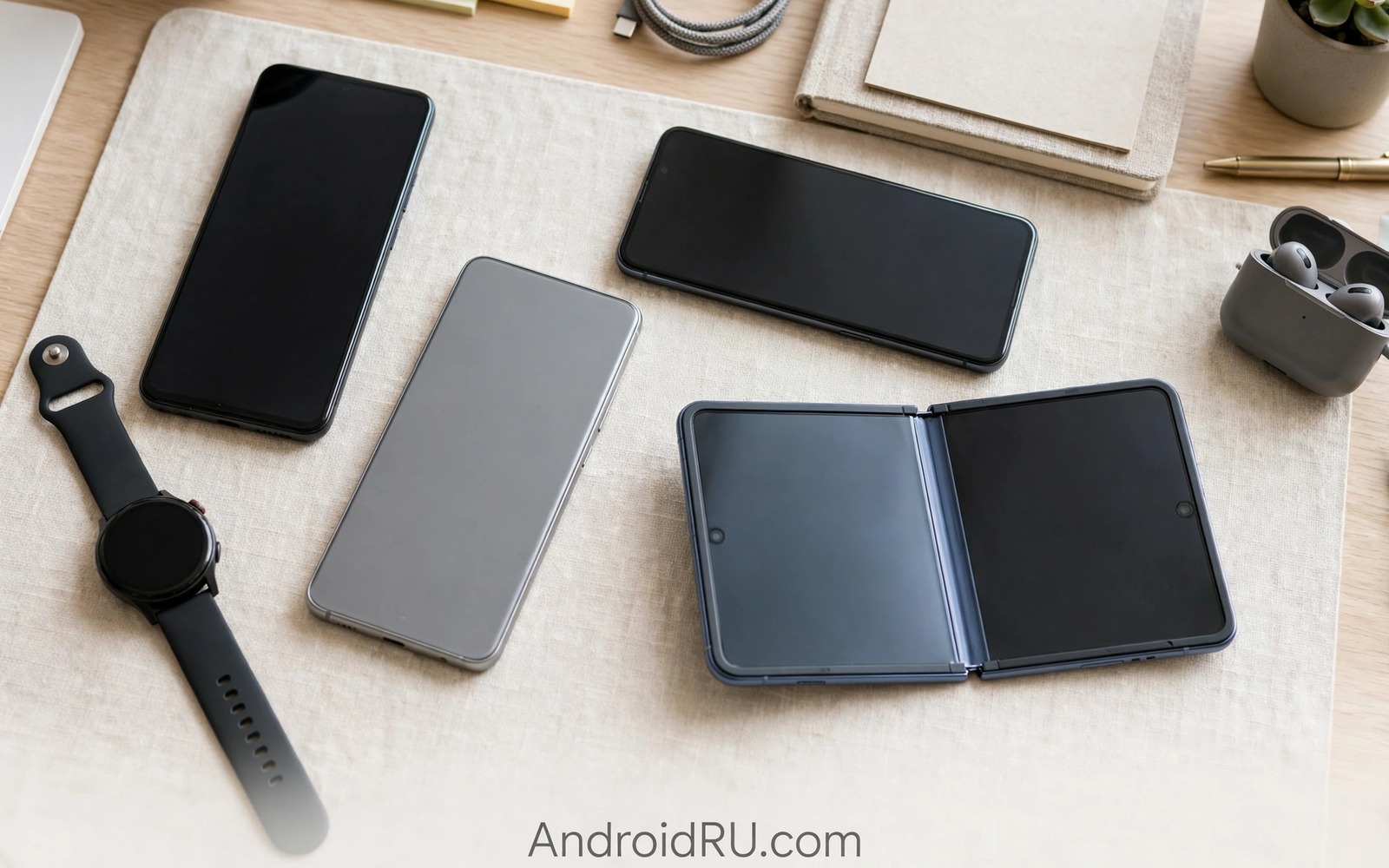
Mobile technology changes in waves. A single feature rarely defines a decade. A set of trends together shows direction. On device intelligence and longer support and better batteries and new form factors are converging. Together they point to phones that last longer and work more privately and adapt to different tasks.
Trends are not guarantees. A trend can stall due to cost or regulation or user resistance. A trend can also accelerate when several makers adopt it at once. This guide looks at seven trends with real evidence behind them. It explains why each trend matters for a normal buyer rather than only for enthusiasts.
1. Intelligence Moves On Device
Artificial intelligence used to run mainly in data centres. Phones sent data to a server and waited for a result. New processors can run many models locally. Translation and transcription and photo processing now work without a constant connection. This shift improves privacy and speed.
On device intelligence also works offline. A traveller without roaming can still translate a sign. A user in a weak signal area can still use voice tools. The limit is model size. Large models still need servers. Small and medium models will handle most daily tasks locally in the coming years.
2. Support Periods Get Longer
Longer software support is now a competitive feature. Flagship makers promise many years of security patches. This trend reduces electronic waste and improves resale value. It also changes buying maths. A more expensive phone with long support can cost less per year than a cheap phone replaced often.
Long support requires repair options to be useful. Battery replacement and parts availability must match software life. Makers that promise long software support without repair support offer only half a solution. Buyers should check both promises together.
3. Batteries Improve Through Chemistry and Efficiency
Battery gains come from two directions at once. New cell chemistry stores more energy in a similar size. More efficient processors and displays waste less energy. Together these gains can add hours of use without a thicker phone. Charging also becomes smarter with charge limits and heat control.
Users will notice this trend as longer days rather than dramatic headline numbers. A phone that lasts comfortably to bedtime with heavy use is more valuable than a phone that charges in minutes but dies by evening. Real world endurance is the trend to watch.
4. Form Factors Diversify
Phones are no longer only slabs. Foldables open into small tablets. Flip phones fold into compact squares. Large phones blur into tablets. Each form factor serves a different use. A foldable suits reading and multitasking. A flip suits pocketability. A slab remains the simplest and cheapest option.
Diversification will continue but slabs will remain dominant. Foldables face durability and cost challenges. They appeal to users who value a large screen in a pocket. They are not yet a replacement for everyone. Software that adapts to each form factor will decide which designs succeed.
5. Sustainability Becomes a Design Constraint
Sustainability is moving from marketing to engineering. Recycled materials and repairable designs and longer support all reduce waste. Some makers now design phones for easier battery replacement. Others use recycled aluminium and plastic in structural parts. These changes are gradual but real.
Buyers can support this trend by keeping phones longer and choosing repairable models. A phone kept for five years has a lower impact than a phone replaced every two years regardless of materials. Longevity remains the strongest sustainability feature.
6. Connectivity Becomes More Seamless
Phones now connect to watches and earbuds and cars and home devices with less setup. Fast pairing and shared audio and cross device clipboard tools make a phone the hub of a personal network. Satellite messaging adds emergency connectivity in remote areas. These features make the phone less isolated.
Seamless connectivity also raises privacy questions. Devices that share data easily can also leak data easily. Users should review sharing settings for each connected device. A convenient ecosystem should not become an open door. This ecosystem shift connects with whether desktop mode can replace laptops because a phone hub can also serve as a desk computer.
7. Cameras Focus on Computation Over Hardware Size
Camera hardware still matters but software now drives many gains. Multi frame fusion and AI denoising and depth modelling improve photos without larger lenses. This trend helps mid range phones close the gap with flagships in good light. Flagships still lead in low light and zoom due to larger sensors.
Computational photography also changes editing. Photos become flexible starting points with depth and lighting data. Users can adjust focus and relight a scene after capture. This flexibility matters more than raw megapixels for most users. It also makes camera testing more important than spec sheets.
How to Use These Trends When Buying
Do not chase every trend at once. Pick the trends that match your use. If you keep phones long then prioritise support and battery and repair. If you travel then prioritise on device intelligence and connectivity. If you create content then prioritise camera software and form factor.
Buyer check 1: Support length and repair options
Buyer check 2: Real battery life in mixed use
Buyer check 3: On device features you use daily
Buyer check 4: Form factor that fits your pocket and work
Buyer check 5: Camera results in your typical light
The buyer checklist above is an original example written for this guide. It is not copied from a vendor document and it does not require a special app or a paid tool. Use it to turn trends into a practical buying decision.
Common mistakes
One mistake is to treat a trend as a finished product. On device AI is growing but it is not complete. Foldables are improving but they are not yet mainstream. Judge current products rather than future promises.
Another mistake is to buy for a trend you do not use. A foldable screen is wasted if you mainly make calls and messages. A high end camera is wasted if you rarely take photos. Spend on the trends that touch your daily life.
A third mistake is to ignore total cost. A phone with long support and a replaceable battery can be cheaper over five years than a cheaper phone replaced twice. Calculate cost per year rather than only upfront price.
A final mistake is to assume that sustainability claims equal durability. A phone made from recycled materials can still break easily. Check drop and repair ratings alongside material claims. Durability and longevity matter more than a single material label.
Frequently Asked Questions
Which trend will affect most users first?
Longer support and better batteries will affect most users first. They improve daily ownership without new habits. On device intelligence will follow closely as models improve.
Will foldables replace slab phones?
Not in the near term. Foldables will grow as a premium option. Slab phones remain cheaper and more durable for most users. Both forms will coexist for years.
Is sustainability just marketing?
Some claims are marketing. Longer support and repairable design and recycled materials together show real commitment. Judge a maker by all three rather than by one claim.
Trends That Could Stall
Not every trend will continue at the same pace. On device intelligence could stall if model sizes grow faster than phone processors. A trend that needs flagship hardware will not reach most users quickly. Cost remains the main brake on many advances.
Foldable growth could also stall if durability does not improve. A foldable that creases visibly after a year will lose buyer trust. A foldable that costs twice a slab phone will stay niche. Makers must solve durability and price together rather than one alone.
Sustainability trends could stall if repair costs stay high. A phone designed for repair still needs affordable parts and trained technicians. Without a repair network a repairable design is only a promise. Policy and market pressure will decide whether repair networks grow.
Buyers should watch for stall signals. A trend that appears in marketing but not in affordable products is stalling. A trend that improves only on flagship models is moving slowly. A trend that reaches mid range phones with real benefits is accelerating. That mid range test is the best signal for most buyers.
How Trends Reach Mid Range Phones
Trends usually reach flagship phones first and mid range phones later. A flagship can absorb the cost of a new processor or a new sensor. A mid range phone must wait for that component to become cheaper. The delay is often one or two years. That delay is shrinking as component costs fall faster.
Software trends reach mid range phones faster than hardware trends. On device models can run on mid range processors in a smaller form. Long support promises can apply to mid range models without new hardware. Battery efficiency gains from software can benefit any phone with a recent system version.
Buyers of mid range phones should therefore focus on software trends. A mid range phone with long support and good on device features can age better than a flagship with short support. Hardware gaps narrow over time. Software support gaps persist for the whole ownership period.
Buying a Phone That Will Age Well
A phone that ages well starts with long software support. Check the promised support end date before you buy. A phone with support for many years will stay secure longer. A phone with short support will age quickly even if its hardware is strong.
Battery health is the second factor in ageing well. A phone with a large battery and efficient software will last longer each day. A phone with a charge limit setting will age more slowly over years. Check both factors in reviews before you buy.
Repair options are the third factor. A phone with affordable battery replacement and available parts will last longer in practice. A phone with no repair network may become unusable after a simple battery failure. Check repair options in your region before you buy.
Storage size also affects ageing. A phone with more storage will handle growing app sizes for longer. A phone with minimal storage may fill up within two years. Choose storage that leaves headroom for several years of app and photo growth.
Finally choose a design that fits your daily life. A phone that is too large for your hand will be dropped more often. A phone that is too fragile for your work will need frequent repair. A practical design ages better than a fashionable design that does not fit your routine.
Conclusion
Mobile technology is heading toward longer lived and more private and more adaptable devices. On device intelligence and long support and better batteries and diverse form factors point in the same direction. The phone of the future will be less disposable and more personal. It will serve as a hub for other devices and as a desk tool when needed.
Your concrete next step is to list the two trends that matter most for your next phone and to test them on your current device this week. Note where your current phone falls short on those two trends. That short list becomes your buying criteria. For deeper dives read about how on device machine learning enhances daily tasks and why manufacturers extend software support to seven years to see the two strongest trends in detail.

