

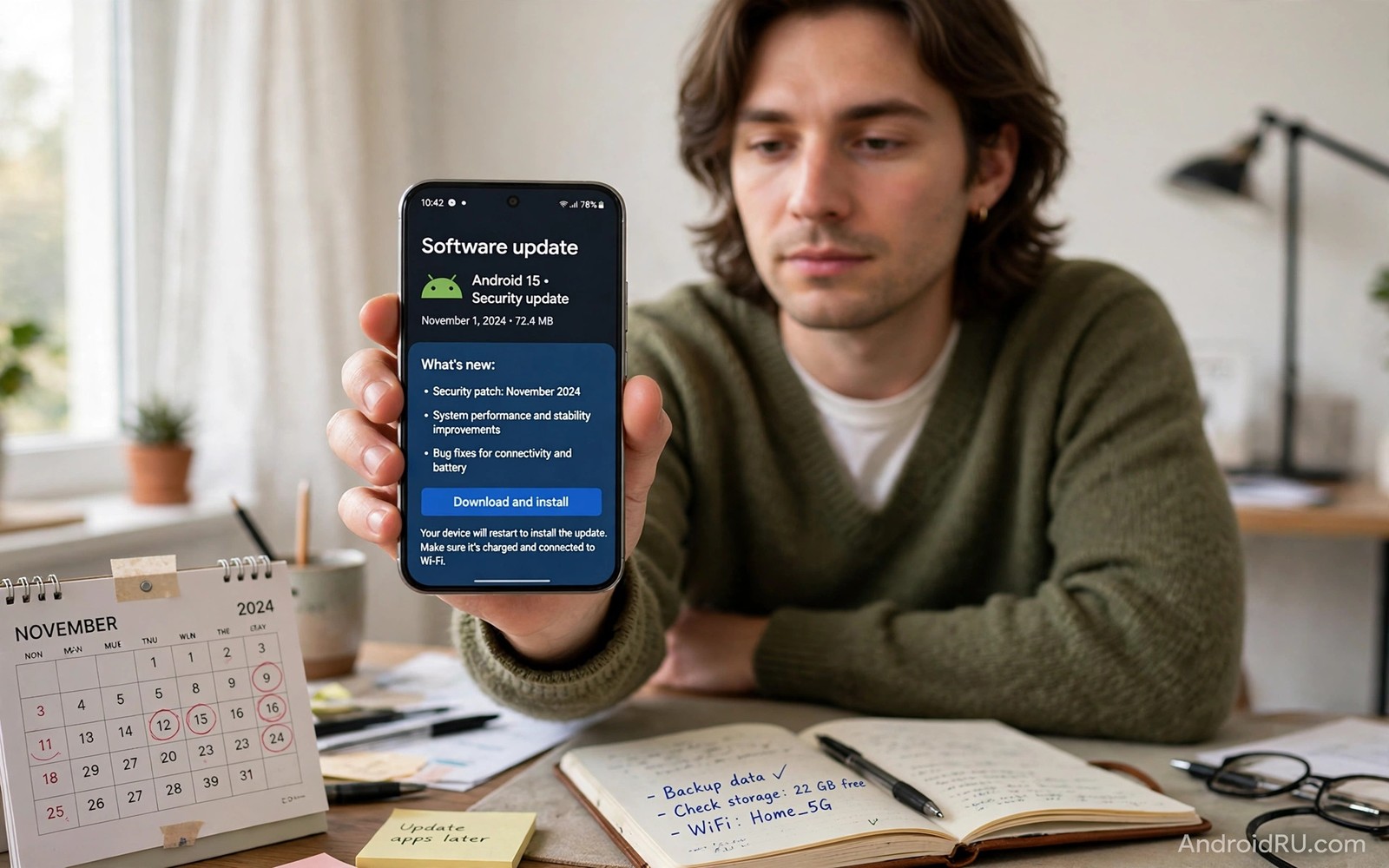
Seven years of software support once sounded impossible for Android phones. Flagship makers now promise it as a headline feature. The change reflects better hardware and modular software and regulatory pressure. It also reflects a shift in how long people keep phones. A phone that lasts seven years needs software that lasts seven years.
Long support does not mean identical updates for seven years. It usually means a mix of major version updates and security patches. A phone may receive four major versions and then security patches for the remaining years. The exact mix varies by maker. Reading the promise carefully matters more than repeating the headline number.
For users the benefit is clear. A phone stays secure and compatible for longer. Resale value improves. Repair decisions become easier. The challenge is to judge whether a maker will deliver on schedule for the full period. Past behaviour is the best guide.
Why Makers Changed Their Policy
Hardware durability improved first. Modern processors and storage can handle new software for many years. A flagship chip from today will still run common apps in seven years. Battery replacement and repair options also improved in some markets. Software became the limiting factor rather than hardware.
Regulation and sustainability pressure added momentum. Lawmakers in several regions push for longer support and easier repair. Environmental groups highlight electronic waste from short lived phones. Makers respond with longer promises to show responsibility. Competition also plays a role. Once one major maker promised seven years others followed to avoid looking short lived.
Modular software made long support cheaper to deliver. Security components can update through services without a full system rebuild. This reduces the cost of supporting old models. It also lets makers patch critical flaws quickly across many devices. The business case for long support became stronger as delivery became easier.
What Seven Years Usually Covers
Most seven year promises cover security patches for the full period. Major version updates usually cover a shorter period. A phone might receive major versions for four years and security patches for seven years. Some makers promise more major versions. Others promise fewer. The distinction matters for new features.
Security patches keep a phone safe from known flaws. They do not add major new features. A phone on an old major version can still be secure if patches arrive on time. It may miss new design changes and new APIs. For many users security matters more than novelty. For developers new APIs matter more.
Support also depends on region and carrier. A carrier model may receive updates later than an unlocked model. A regional variant may receive fewer updates due to local rules. Check the exact model and region before you rely on a global promise. The promise in an advertisement may describe a different variant than the one you buy.
How to Check a Promise Before You Buy
Start with the maker update page for the exact model. Note the promised end date for security patches. Note the number of major version updates. Compare that date with the launch date. A seven year promise from launch is different from seven years from purchase if the phone is already a year old.
Next check the actual update history of the previous model from the same maker. Did it receive patches on time. Did major updates arrive within a reasonable window. Did support stop early for any reason. A maker with a strong history is more trustworthy than a maker with a new promise and no history.
Also check repair and parts support. Software support alone does not keep a phone usable if the battery cannot be replaced. A long software promise plus a repair network gives the best long term value. A long software promise without repair options is only half a solution. This long ownership view connects with whether physical SIM cards will disappear because carrier flexibility also affects how long a phone stays useful.
Step 1: Note promised security end date
Step 2: Note number of major version updates
Step 3: Check previous model update history
Step 4: Check repair and battery replacement options
Step 5: Compare total ownership cost over 5 years
The checklist above is an original example written for this guide. It is not copied from a vendor document and it does not require a special app or a paid tool. Use it before you pay a premium for a long support promise.
Common mistakes
One mistake is to assume that seven years means seven major versions. Most promises do not offer that. Major versions usually stop earlier. Security patches continue longer. Understand the mix before you buy.
Another mistake is to buy an old model expecting a full seven years from purchase. Support periods usually start at launch. A phone that launched two years ago may have only five years left. Check the remaining period rather than the headline total.
A third mistake is to ignore update delivery speed. A promise of monthly patches means little if patches arrive quarterly in practice. Look at real delivery dates for the previous model. A slow delivery record predicts a slow future.
A final mistake is to keep a phone for seven years without a battery plan. Batteries degrade even with good software. Plan for a battery replacement around year three or four. That cost should be part of the long term calculation.
Frequently Asked Questions
Is seven years of support worth a higher price?
Often yes if you keep phones for many years. Long support improves security and resale value. It also reduces the need to buy a new phone early. Compare total cost over your planned ownership period.
Will my phone get new features for seven years?
Not necessarily. New features usually arrive with major versions for a shorter period. Security patches continue after major versions stop. Some new features may arrive through app and service updates even on an older version.
What happens when support ends?
The phone will keep working but it will miss new security fixes. Risk rises over time as new flaws become public. At that point you should upgrade or limit sensitive use on the old device.
Seven Year Support and the Used Phone Market
Long support changes the used phone market in a useful way. A buyer of a three year old phone can still expect several years of security patches. That expectation raises resale value and reduces risk for the second owner. A phone with a clear support end date is easier to price than a phone with an unknown future.
Sellers should share the support end date in a listing. A listing that states the remaining support period helps a buyer judge value quickly. A listing that hides the date forces the buyer to research the model. Transparency in used listings will grow as support promises become a headline feature.
Second owners also need to check battery health and repair history. Software support alone does not guarantee a good used phone. A phone with long software support and a worn battery still needs a replacement. A buyer should budget for that replacement when they compare used prices.
Charities and schools that receive donated phones benefit too. A donated phone with remaining support can serve a student for years. A donated phone without support may expose a student to security risks. Donation programs should prioritise models with remaining support and with affordable battery replacement.
Support Promises in the Fine Print
Support promises often contain fine print that changes the headline number. A promise may cover security patches for seven years but major versions for only four years. A promise may start at launch rather than at purchase. A promise may exclude carrier models or regional variants. Reading the fine print before you buy prevents disappointment later.
Fine print may also describe update frequency. Monthly patches may arrive quarterly in practice for some models. A promise of monthly patches should be checked against the previous model history. A maker that delivered quarterly patches for a previous model is unlikely to deliver monthly patches for a new model without a change in process.
Support may also end early if a device is discontinued in a region. A regional discontinuation can affect parts and service even when global support continues. Check whether your exact regional model shares the global promise. A global advertisement may not describe your local variant accurately.
Planning a Seven Year Ownership Budget
A seven year ownership budget starts with the purchase price divided by seven. That simple division gives a yearly cost for the phone itself. A phone that costs more upfront can still cost less per year if it lasts the full period. Compare yearly cost rather than upfront price alone.
Add a battery replacement to the budget. Most batteries need replacement once during a seven year life. Note the cost of a professional battery replacement for your model. Add that cost to the total ownership calculation. A phone with an affordable battery service is cheaper to own long term.
Add case and screen protection costs to the budget. A quality case and a screen protector cost far less than a repair. Replace a worn case before it stops protecting the phone. Protection spending is a small part of a seven year budget with a large payoff.
Add accessory replacement costs as well. Cables and chargers wear out over seven years. A standard cable is cheap to replace. A proprietary accessory may cost more and may become hard to find. Standard accessories reduce long term ownership cost.
Finally add a contingency for early failure. A phone can fail even with good care. A contingency fund for repair or replacement prevents a sudden expense from becoming a crisis. A realistic seven year budget includes a small reserve for unexpected problems.
Conclusion
Manufacturers extend software support to seven years because hardware lasts longer and software delivery became more modular and buyers demand longer value. The promise is real but it is not uniform. Security patches and major versions follow different schedules. Regional and carrier differences also matter.
Your concrete next step is to check the exact support end date for your current phone today. Write it down and set a reminder six months before it ends. That date will guide your next purchase better than any advertisement. For related future planning read about whether desktop mode can replace laptops and how seamless system updates keep devices safe to see how long support and safe updates work together.

