

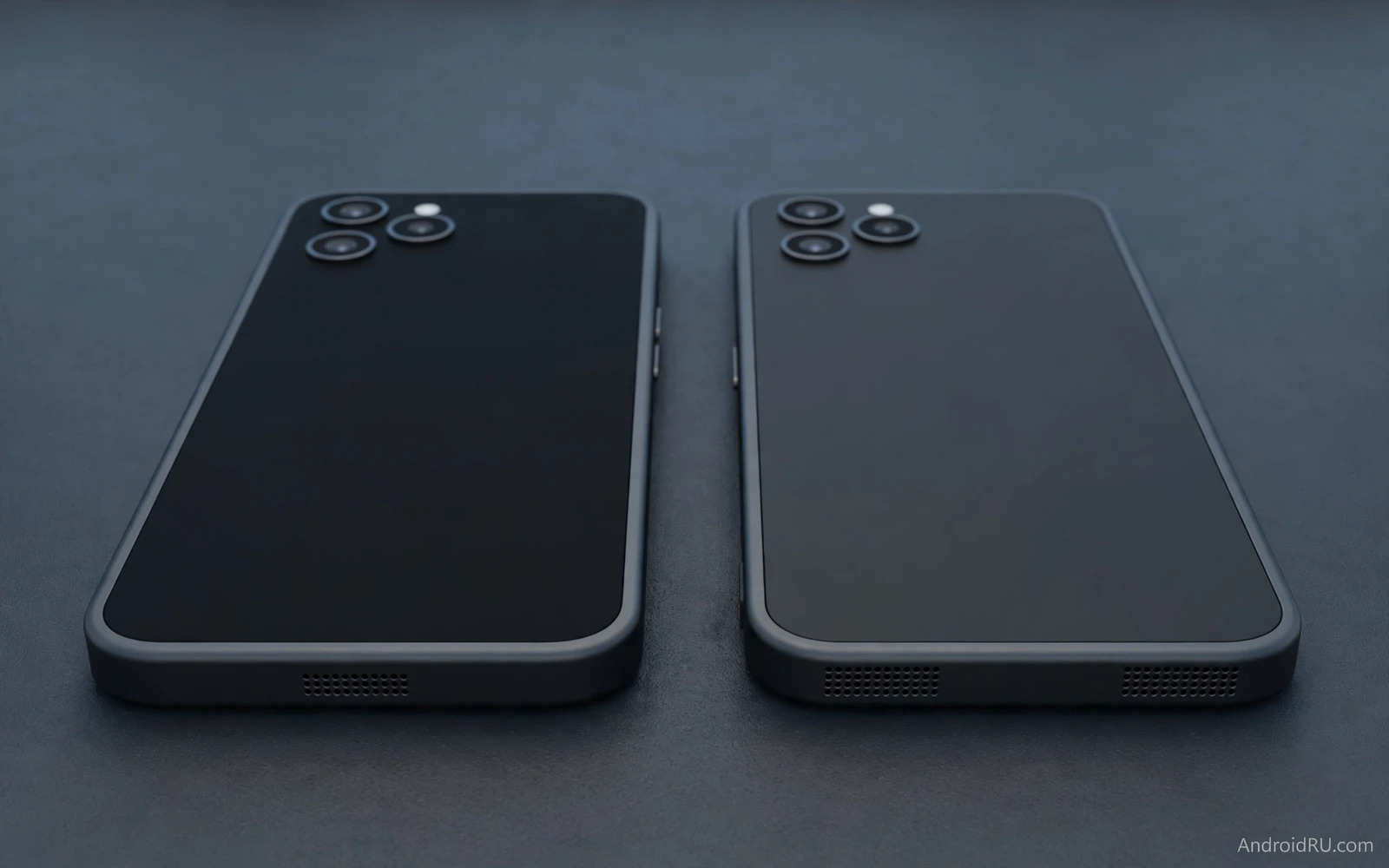
What Mono And Stereo Mean On A Phone
A mono phone speaker plays all audio through one channel. Left and right sounds mix into a single output. A stereo phone speaker plays separate left and right channels through two speakers. That separation creates width and direction in sound. Music gains instrument placement. Video gains dialogue anchoring and environmental width. Games gain directional cues that help locate action. The difference sounds subtle on paper but it feels obvious in a direct listening test.
Most modern stereo phones use an earpiece speaker plus a bottom firing speaker. That pairing creates stereo width when held horizontally. It creates uneven balance when held vertically because one speaker sits near the ear and the other sits at the bottom. True symmetrical stereo with two equal speakers remains rare on phones due to space limits. Understanding that implementation detail prevents disappointment when a stereo phone sounds unbalanced in portrait orientation.
Loudness And Clarity Test
Loudness matters for kitchens and for outdoor video and for speakerphone calls. Stereo phones usually play louder overall because two speakers share the load. Each speaker works less hard which reduces distortion at high volume. Mono phones can still play loudly but they distort sooner when pushed to maximum. A mono speaker at maximum volume often sounds harsh and thin. A stereo pair at the same perceived loudness often sounds fuller and cleaner.
Clarity matters more than loudness for dialogue and podcasts. Stereo separation helps dialogue stay intelligible when background music plays. Mono mixing can bury dialogue under music because both compete through one channel. Test with a dialogue heavy video rather than only with bass heavy music. A speaker that sounds impressive on music may still mumble dialogue. A speaker that handles dialogue cleanly serves daily video and calls better.
Soundstage And Video Experience
Soundstage describes how wide and deep audio feels. Stereo phones create a wider stage that makes video feel more immersive. A car chase sounds like it moves across the screen. A concert video sounds like instruments occupy different positions. Mono phones collapse that stage into a single point which feels flatter. The gap widens in landscape orientation where speaker separation aligns with screen width. It narrows in portrait orientation where speakers sit unevenly.
Headphone users gain nothing from phone speaker stereo because headphones provide their own stereo separation. Speaker quality matters most for users who watch video without headphones and for users who share video with others. Families who watch together benefit hugely from stereo speakers. Solo headphone users can safely deprioritise speaker configuration. Audio accessory context appears in the wireless earbuds Sony versus Bose versus Samsung comparison where personal audio quality is weighed separately from speaker quality.
Bass And Treble Reality
Phone speakers cannot produce deep bass due to tiny driver size and tiny enclosures. Stereo phones improve perceived bass slightly through combined output but they cannot defy physics. A phone that claims powerful bass usually boosts mid bass frequencies to create an impression of fullness. That boost can sound pleasant for casual video but it can muddy music. Treble clarity varies more usefully between phones because crisp treble helps dialogue and cymbals and detail.
Equaliser settings can help or harm phone speakers. A flat setting usually sounds most natural for dialogue. A bass boost setting can overwhelm small drivers and cause distortion. A treble boost can sharpen dialogue but can also add harshness. Test speakers at moderate volume with familiar content rather than at maximum volume with unfamiliar content. Familiar content reveals tonal balance honestly because you know how it should sound.
Calls And Speakerphone Use
Speakerphone calls reveal speaker and microphone balance. A stereo phone often sounds clearer on speakerphone because two speakers distribute voice more evenly. A mono phone can still handle calls well when its single speaker is well tuned. Echo cancellation matters more than speaker count for calls because a loud speaker can feed back into the microphone. Phones with good echo handling keep calls clean even at high speaker volume.
Video calls add another dimension because the listener hears both voice and room sound. A phone with strong noise suppression keeps the caller voice forward. A phone with weak suppression lets room noise compete. Speaker configuration alone does not decide call quality. Microphone array design and software processing decide as much. Test speakerphone calls in a realistic room rather than in a silent store because real rooms expose echo and noise handling.
Gaming Audio Cues
Gaming benefits from stereo more than casual listening suggests. Directional audio cues help players locate footsteps and gunfire and environmental sounds. Stereo speakers provide those cues without headphones when playing casually. Competitive players still prefer headphones for precise direction and for privacy. Casual players who game on speakers gain immersion from stereo width even when precision stays below headphone level.
Latency matters for gaming audio as well. Built in speakers offer near zero latency because no wireless link intervenes. Bluetooth earbuds can add latency that desyncs sound from action. That latency advantage makes phone speakers attractive for rhythm games and for fast action games despite their tonal limits. Budget audio buyers face similar tradeoffs and the budget audio accessories under 50 comparison covers when external audio beats built in speakers.
Testing Speakers Before You Buy
- Test dialogue heavy video at moderate volume first
- Test landscape video to hear true stereo width
- Test maximum volume for distortion and harshness
- Test speakerphone calls in a normal room with background noise
- Test music you know well to judge tonal balance honestly
- Test with a case on because cases can muffle bottom speakers
Final Verdict
Stereo speakers win clearly for video watchers and for shared viewing and for casual gaming. Mono speakers remain acceptable for headphone users and for users who rarely play audio aloud. Stereo is worth a meaningful weight when you watch video daily without headphones. It is worth little weight when headphones dominate your listening. The wireless earbuds with active noise cancelling comparison complements this test because personal audio and speaker audio serve different moments. Choose stereo when your phone doubles as a small television. Choose freely otherwise and spend the saving on better earbuds.
Dolby And Spatial Audio On Phones
Dolby and spatial audio processing promise cinema like sound from tiny phone speakers and from headphones. These systems use psychoacoustic tricks to widen perceived soundstage and to place sounds around the listener. On headphones the effect can impress because drivers sit close to ears and channel separation is complete. On phone speakers the effect is subtler because speakers sit close together and room reflections blur separation. Expect enhancement rather than transformation from phone speaker spatial modes.
Content support decides whether spatial audio matters for your library. Movies mixed for spatial formats benefit most because sound designers placed effects intentionally in three dimensional space. Stereo music upmixed to spatial can sound wider but it can also sound artificial when processing guesses placement. Podcasts gain little from spatial processing because dialogue should stay centred and clear. Toggle spatial modes per content type rather than leaving one mode on globally. A mode that flatters movies may muddy podcasts.
Headphone spatial audio interacts with head tracking on supported devices. Head tracking anchors sound to the screen direction so turning your head does not rotate the soundstage unnaturally. That anchoring impresses during video watching on a tablet or phone held still. It matters less during walking when head movement is constant and the anchor can feel unstable. Battery cost also rises with continuous spatial processing on wireless earbuds. Users who prioritise endurance may disable spatial modes for music while keeping them for movies.
Speaker spatial modes can also affect loudness perception. Widening processing sometimes reduces maximum clean loudness because it distributes energy across virtual channels. A phone that sounds louder with processing off may sound wider with processing on. Choose based on content rather than on a single preference. Dialogue heavy video usually benefits from clarity mode over width mode. Action movies benefit from width mode over clarity mode. Flexible users who switch modes per content extract the most from phone audio.
Hearing Accessibility And Speaker Clarity
Speaker clarity matters enormously for users with hearing loss who rely on phone audio without headphones. Clear midrange frequencies carry speech intelligibility far more than bass or extreme treble. A phone with strong midrange clarity helps calls and videos remain understandable at moderate volume. A phone with muddy midrange forces higher volume which distorts further and fatigues listeners. Test speakers with spoken content at comfortable volume rather than with music when accessibility matters.
Accessibility settings complement speaker hardware meaningfully. Mono audio mode merges stereo channels so users with hearing loss in one ear hear full content through both speakers. Live captioning transcribes calls and videos in real time for users who miss words. Hearing aid compatibility reduces interference for users with hearing devices. Bluetooth streaming to hearing aids can outperform speakers entirely in noisy rooms. Combine hardware clarity with these software tools for the best accessible listening experience rather than judging speakers alone.
Speaker Placement And Hand Grip
Speaker placement interacts with hand grip in ways that specification sheets never show. A bottom firing speaker sits exactly where a palm rests during landscape gaming which muffles sound noticeably. A slight grip shift frees the speaker and restores volume instantly but it also changes hand comfort during long sessions. An earpiece speaker at the top stays clear in most grips because fingers rarely cover it fully. Portrait video watching places the bottom speaker near the lower hand which can muffle one channel of a stereo pair and tilt the balance toward the earpiece. Rotating the phone so the bottom speaker faces upward helps in some cases but it feels unnatural for right handed users. Case design matters here as well because a case with precise speaker cutouts preserves output while a case with misaligned cutouts muffles sound permanently. Test speakers with your normal grip and your daily case rather than with the phone held delicately on a shop counter.

