

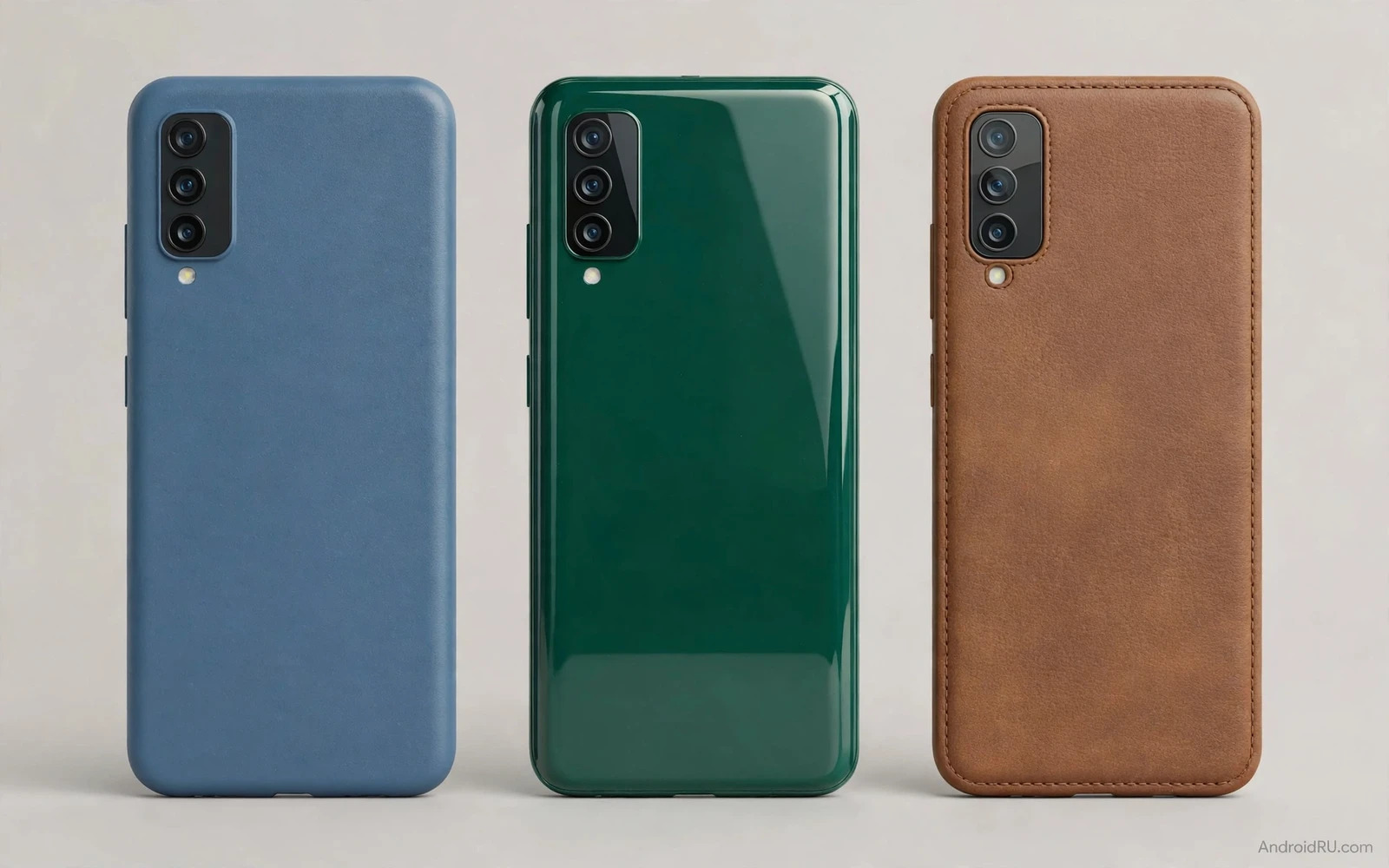
Why The Back Matters More Than Looks
Phone backs shape daily handling more than most buyers realise. The back decides grip security when you pull the phone from a pocket. It decides damage risk when the phone slips onto concrete. It decides repairability when a crack appears. It decides wireless charging behaviour and heat feel during gaming. It also decides how the phone ages after a year of cases and pockets and desks. A beautiful back that shatters easily can cost more in repairs than a plain back that survives drops.
Three materials dominate today. Plastic backs appear on budget and mid range phones and on some rugged phones. Glass backs appear on most flagships and on many mid range phones. Eco leather backs appear as a premium alternative that promises grip and character. Each material carries a distinct personality. This comparison weighs them on grip and durability and repairability and daily feel rather than on showroom beauty alone.
Plastic Backs Practical And Forgiving
Plastic backs win on forgiveness. They rarely shatter from a drop. They flex slightly on impact and they protect internal parts by absorbing energy. They weigh less than glass which helps large phones feel lighter. They cost less to replace when damage does occur. They also resist shattering in cold weather better than glass in many cases. For users who drop phones often plastic is the most forgiving choice.
Plastic carries tradeoffs too. Cheap plastic can feel hollow and can scratch visibly over time. Glossy plastic can feel slippery despite its light weight. Matte plastic improves grip greatly and it hides fingerprints better than gloss. Premium polycarbonate with a textured finish can feel surprisingly good and can survive years without looking tired. Judge plastic by finish rather than by material name alone because finish quality varies enormously.
Glass Backs Premium And Fragile
Glass backs win on premium feel and on visual depth. Light plays across glass in ways plastic cannot match. Glass supports wireless charging naturally without signal blocking. Glass feels cool and solid in the hand and it ages without the surface wear that can dull some plastics. Flagship buyers often equate glass with quality because makers reserve it for top tiers.
Fragility is the real cost. Glass cracks from drops that plastic would shrug off. A cracked back can expose sharp edges and can reduce water resistance. Back glass replacement often costs far more than a plastic back replacement because repair requires careful adhesive work and sometimes full disassembly. A case becomes almost mandatory with glass which hides the very beauty buyers paid for. Users who use cases constantly gain little visual benefit from glass while keeping all of its fragility risk.
Eco Leather Backs Grip And Character
Eco leather backs win on grip. The textured surface stays secure in sweaty hands and in cold hands. The material feels warm and soft compared with cold glass. It develops character over time as it wears slightly at edges and corners. Many users love that evolving look while others dislike any visible ageing. Eco leather also hides fingerprints completely and it resists the smudges that plague glossy glass.
Durability depends on quality and on care. Good eco leather resists peeling and staining well under normal use. Poor eco leather can peel at edges after months of pocket friction. Liquids and oils can stain lighter colours permanently. Cleaning requires gentle methods rather than harsh solvents. Eco leather phones often need a case less urgently because grip is strong but a case still protects the material from harsh environments. Outdoor workers who value grip may favour eco leather and the outdoor workers phone guide covers grip and sealing beside material choice.
Drop And Scratch Behaviour Compared
Drop behaviour differs sharply. Plastic dents and scuffs but rarely cracks through. Glass cracks in spider patterns that spread with further drops. Eco leather scuffs and compresses but the underlying panel usually stays intact. Scratch behaviour differs too. Plastic scratches easily but scratches stay shallow and cosmetic. Glass resists light scratches well but a deep scratch from sand or keys can become a crack starter. Eco leather hides light scratches within its texture but deep cuts stay visible.
Screen protection interacts with back choice because a phone that survives a back drop may still crack its screen. A case that protects both front and back matters more than back material alone. Raised edges around the screen and around the camera module prevent direct strikes on flat surfaces. Cover glass quality also matters and the Gorilla Glass versus sapphire comparison explains how front glass toughness complements back material decisions.
Heat Wireless Charging And Signal
Materials affect heat feel during heavy use. Glass conducts heat to the hand more noticeably which can feel warm during gaming. Plastic insulates more which can hide heat but can also trap it internally. Eco leather insulates most which keeps the hand comfortable but can slow heat dissipation during sustained gaming. None of these effects decides performance alone but they shape comfort during long sessions.
Wireless charging works well through all three materials when designed properly. Glass offers the cleanest wireless path. Plastic offers a similarly clean path. Eco leather thickness can reduce wireless efficiency slightly when the material is thick. Check wireless charging speed on eco leather models when wireless charging matters daily. Signal behaviour also varies slightly because metal frames affect antennas more than back materials do. Back material alone rarely causes signal problems on modern phones.
Repairability And Long Term Value
Repairability favours plastic strongly. Plastic backs open more easily and replace cheaply. Glass backs require heat and careful prying and adhesive replacement. Eco leather backs vary by construction because some bond leather to a plastic panel that replaces easily while others bond it in ways that complicate repair. Ask repair shops about your model before you assume a back replacement will be cheap.
Long term value follows repairability and appearance ageing. A plastic phone with scuffs still functions perfectly and still sells at a fair used price when priced honestly. A glass phone with a cracked back loses value sharply and may deter buyers worried about water resistance. An eco leather phone with attractive ageing can hold appeal for buyers who value grip. A peeled eco leather phone loses appeal fast. Keep the original condition in mind when you choose a material for a phone you plan to resell. Foldable buyers face similar durability questions and the foldable phones flip versus fold comparison covers hinge and body durability beside back materials.
Which Back Fits Your Life
- Choose plastic when drops happen often and repair cost matters
- Choose plastic when light weight matters for a large phone
- Choose glass when premium feel and wireless charging matter most
- Choose glass when you always use a protective case anyway
- Choose eco leather when grip and fingerprint resistance matter most
- Choose eco leather when you enjoy a material that ages with character
Final Verdict
Plastic wins for practical durability and low repair cost. Glass wins for premium feel and for wireless charging elegance. Eco leather wins for grip and for a distinctive tactile character. Most buyers should choose based on case habits rather than showroom beauty. Case users gain little from glass beauty while keeping its crack risk. Case free users gain the most from eco leather grip or from plastic forgiveness. The best back is the one that still looks and feels good after a year of real pockets and real drops.
Cases And Material Pairing
Case choice interacts with back material in ways buyers often overlook. A glass phone benefits most from a case with raised edges and corner air cushions because those features prevent the direct strikes that crack glass. A plastic phone benefits from a slim case that adds grip without hiding its light weight advantage. An eco leather phone benefits from a case only in harsh environments because its natural grip already handles daily use well. Pairing case to material maximises protection while minimising bulk.
Clear cases deserve special scrutiny for glass phones. A clear case shows off glass beauty while adding protection which sounds ideal. Poor clear cases yellow over time and trap dust that scratches the glass they were meant to protect. Quality clear cases resist yellowing longer and fit precisely to prevent dust entry. Remove and clean a clear case regularly to prevent trapped grit from abrading the back. That maintenance habit preserves both case clarity and phone beauty.
MagSafe style magnetic accessories complicate material pairing further. Magnetic rings and mounts work through thin cases well but struggle through thick rugged cases. Glass phones with magnetic alignment accessories gain convenient mounting and charging options. Plastic phones with magnetic accessories gain the same convenience when the case includes proper magnet alignment. Eco leather phones may need a magnetic case rather than relying on the leather back alone for strong attachment. Check magnet strength with your actual case before trusting a magnetic car mount on a bumpy road.
Long term case use affects material ageing itself. A case that traps moisture can dull eco leather edges over time. A tight case can wear plastic coatings at contact points. A loose case can allow grit to scratch glass during movement. No case is maintenance free. Remove the case monthly and clean both case and phone with a soft dry cloth. That simple routine prevents most case related wear and it lets you inspect the phone for early damage before a small crack spreads.
Colour And Finish Choices
Colour and finish change how a back material feels and ages in daily use. Dark colours hide scuffs on plastic and hide fingerprints on glass better than light colours. Light colours show dirt sooner but they also show scratches less starkly on some finishes. Matte finishes hide fingerprints across all materials while gloss finishes showcase colour depth at the cost of constant smudges. Choose a finish for your cleaning tolerance rather than for showroom lighting alone because showroom lighting flatters every finish equally.

