

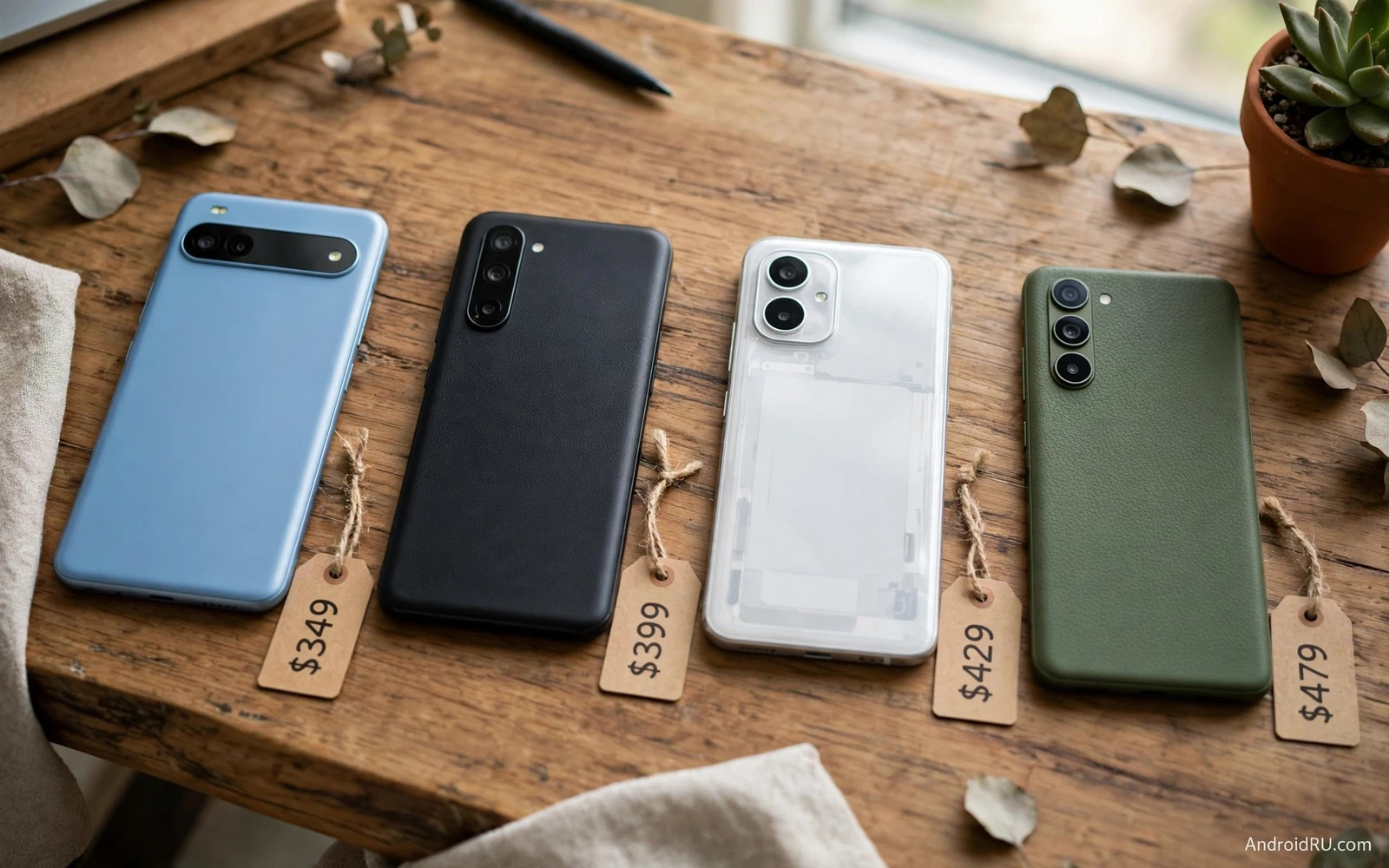
A phone under 500 dollars can now handle almost every daily task with ease. Social apps run smoothly. Maps and video calls run smoothly. Casual games run well. Photos look strong in good light. The gap to flagship phones has narrowed for normal use. It has not closed for heavy gaming or pro video work. This guide explains where value phones shine. It explains where they cut corners. It helps you spend wisely rather than simply spending less.
Start with your real daily use rather than a spec list. A student needs battery life and a good screen. A commuter needs strong signal and durable build. A parent needs a reliable camera and simple software. A gamer needs a fast chip and good cooling. Each need points to a different value phone. No single model wins for every buyer. A short list of your top three needs makes the choice far easier.
Processor And Memory That Matter
The processor sets the ceiling for speed and for software life. A modern mid-range chip handles multitasking without stutter. An older budget chip may feel slow after a year of updates. Look for a chip from a recent generation rather than a famous name alone. Pair it with enough memory for your habits. Six gigabytes can work for light use. Eight gigabytes gives more headroom for heavy multitasking. Twelve gigabytes is welcome but not essential at this price.
Storage speed matters as much as storage size. Faster storage opens apps quicker. It saves large videos faster. It keeps the phone responsive when storage fills up. A phone with 128 gigabytes suits most users. A phone with 256 gigabytes suits users who shoot much video. Check whether the phone supports a memory card. A card slot adds cheap flexible storage. It does not replace fast internal storage for apps. Balance size and speed before you buy.
Screen Battery And Build
The screen is the part you touch all day. A bright OLED panel looks rich indoors and outdoors. A good LCD panel can still look fine and cost less. Refresh rate affects how smooth scrolling feels. A 90 hertz or 120 hertz screen feels smoother than a 60 hertz screen. It also uses more battery. Check brightness for outdoor use. Check eye comfort features for night use. The screen often decides daily satisfaction more than the chip does.
Battery life separates good value phones from frustrating ones. A large battery helps but software efficiency matters too. A phone that lasts a full day with heavy use is a strong pick. Fast charging helps when time is short. It does not replace a battery that drains too fast. Build quality matters for long ownership. A plastic frame can survive drops well. A glass back looks premium but cracks more easily. A case and a screen protector protect any value phone. They cost little and they prevent costly repairs.
Camera Expectations At This Price
Cameras on value phones have improved fast. Daylight photos can look close to flagship photos on a small screen. Night photos still show the gap most clearly. Video stabilization also lags behind flagship models. A value phone camera suits social sharing and family memories. It may disappoint a user who prints large photos or shoots in dark venues. Test the camera in a store if you can. Take a photo in dim light. Record a short walking video. Judge the result on a large screen rather than on the phone itself.
Software processing shapes photos more than megapixel count. A well tuned main camera beats a phone with four weak cameras. Ultrawide and macro cameras on value phones vary widely in quality. Some add real value for landscapes and close-ups. Others add little beyond marketing. Read the camera list with care. Focus on the main camera first. Treat extra cameras as a bonus rather than a reason to buy. Good software updates can also improve photos over time.
Software Support And Hidden Costs
Software support is the hidden value in a cheap phone. A phone with long update support stays secure for longer. It also gains new features over time. A phone with short support may feel old sooner. Check the promised years of system updates and security fixes. Compare brands on this point before you compare cameras. A slightly higher price can pay off through longer support. A very cheap phone with short support can cost more in the long run.
Hidden costs include accessories and repairs and storage. A charger may not be in the box. A case may be needed on day one. A screen repair can cost a large share of the phone price. Check repair prices in your area. Check accessory prices for that model. A popular model usually has cheaper cases and parts. When you weigh flagship spending against mid-range savings remember that the total cost of ownership matters more than the sticker price alone. A value phone with strong support and cheap parts is a smart buy.
How To Choose Your Winner
Narrow the field to three models that fit your budget. Compare their chips and screens and batteries side by side. Compare their update promises and camera samples. Ignore features you will never use. Ignore benchmark scores that do not match your apps. Read user reviews for battery and signal complaints. A pattern of the same complaint across many users is a warning sign. A single angry review is not enough to reject a phone.
Buy from a seller with a clear return policy. Test the phone hard during the return window. Check battery drain on a normal day. Check call quality and mobile data speed. Check the camera in low light. If anything feels wrong then return the phone early. A deal becomes less attractive when the phone frustrates you daily. Seasonal timing can also help. Shoppers who track seasonal Android discounts and deal timing often find the same value phone at a lower price. Patience can add a better charger or a case to the same budget.
Value Picks And Final Advice
The best value phone is the one that covers your needs without waste. A light user does not need the fastest chip in the class. A heavy user should not buy the cheapest chip to save a small sum. Spend more on battery and screen and support. Spend less on extra cameras and exotic materials. Keep some budget for a case and a protector. That balance gives a phone that feels good for years rather than months.
Refurbished models can stretch the same budget further. A certified used flagship may offer a better camera and screen for the same price. It also carries its own risks around battery health and warranty. A careful buyer who checks refurbished phone risks against new phone warranty can decide with open eyes. New value phones offer full warranty and fresh batteries. Used flagships offer premium hardware at a discount. Either path works when the checks are done before payment. Choose the path that fits your risk tolerance and your needs.
Deals And Timing For Value Buyers
Value buyers can gain extra savings through careful timing. Previous generation models often drop when a successor launches. Retailers clear old stock with real discounts. Carrier stores may add bill credits for new lines. A patient buyer who tracks one model for a month learns its true price range. That knowledge stops fake discounts from working. It also reveals the best week to buy. Timing is a free discount for a patient shopper.
Open-box and certified refurbished units can stretch a value budget further. An open-box phone may carry full warranty and a small discount. A certified refurbished phone may carry a shorter warranty and a larger discount. Check the warranty terms for each option in writing. Check battery health for any used unit. A value phone with a fresh battery and full warranty beats a cheaper unit with hidden wear. The total package matters more than the headline price.
Accessories should stay inside the value budget from the start. A case and a screen protector cost little and prevent costly damage. A charger may not sit in the box for some models. Check the box contents before purchase. Add missing accessories to the total cost. A phone that needs a fast charger at extra cost may match a rival that includes one. Small costs add up across a full setup.
Long Term Ownership Costs
Ownership cost goes beyond the purchase price. Screen repairs can cost a large share of a value phone price. Battery replacement after two years adds cost too. Software support length affects how long the phone stays safe. A phone with short support may need replacement sooner. That early replacement erases the initial saving. A phone with long support spreads its cost across more years. Divide the total cost by expected years of use for a fair comparison.
Storage and cloud costs also affect ownership. A phone with small storage may push you toward paid cloud storage sooner. A phone with a card slot avoids that pressure for photos and media. Apps still need internal storage space. Keep at least a fifth of internal storage free for smooth operation. A full phone slows down and struggles with updates. Manage storage early rather than waiting for a warning message.
Resale value at the end of ownership closes the cost picture. Popular value models often resell well to budget buyers. Obscure models may resell slowly and cheaply. Keep the box and accessories for a better resale result. Keep the phone in a case from day one. A clean phone with no cracks sells faster and for more money. Good care turns a value phone into a smarter long term buy.
Buying Mistakes To Avoid
A common value mistake is to chase the lowest price without checking support length. A very cheap phone with short support ages fast. A slightly pricier phone with long support lasts longer. Divide the price by expected years of safe use. That simple division often reverses the apparent bargain. Support length is a hidden spec that deserves top priority.
Another mistake is to buy too little storage to save money. Photos and videos and apps grow steadily over time. A full phone slows down and blocks updates. A card slot helps for media but not for apps. Buy storage for your third year of use rather than for your first month. Future you will thank present you for the extra space.
A third mistake is to ignore signal and call quality in reviews. A phone with weak signal frustrates daily use in low coverage areas. Read reviews from users in similar coverage conditions. Test calls and data during the return window. A beautiful screen cannot fix a dropped call problem. Core phone functions still matter most.

