

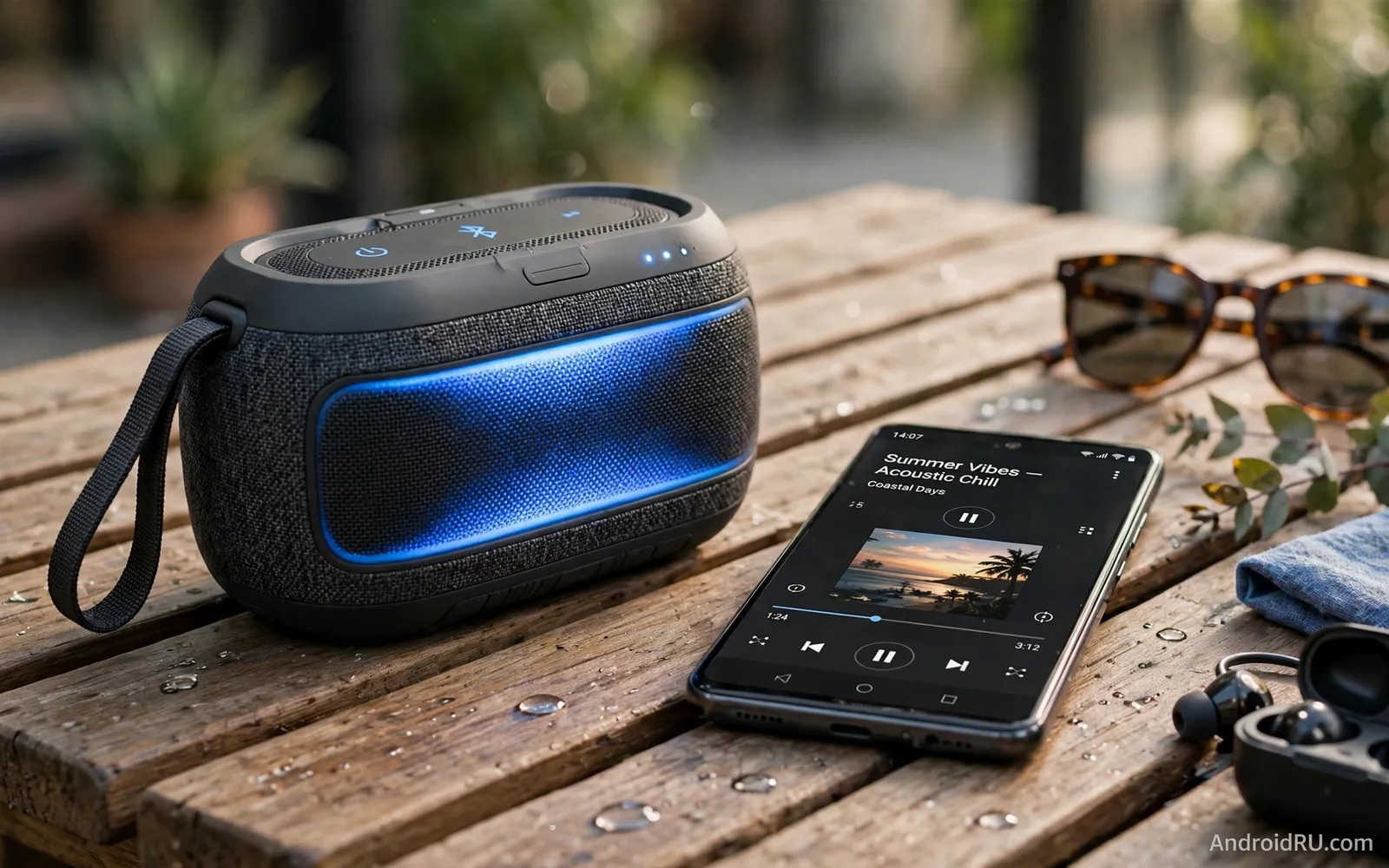
Why Speaker Size Shapes Sound
Speaker size shapes bass and volume more than marketing claims. A larger driver moves more air for deeper bass. A larger enclosure gives bass room to develop. A small speaker can sound clear at moderate volume. It struggles with deep bass at high volume. A medium speaker balances portability and bass well. A large speaker suits outdoor gatherings better. It weighs more and takes more bag space. Think about where you listen most often. A desk speaker can stay larger. A hiking speaker must stay small and light. A beach speaker must handle sand and water. Match size to location first. Then compare sound within that size class. Comparing a tiny speaker to a huge speaker misleads. Each size class has its own best options. A tiny speaker that beats its peers still loses bass to a large speaker. That loss is physics not failure.
Driver count also shapes sound character. A single driver handles all frequencies alone. It may compromise bass or treble clarity. A two way design splits frequencies between drivers. A woofer handles bass and mids. A tweeter handles treble detail. That split often improves clarity. A passive radiator adds bass without a larger driver. It vibrates in response to the main driver. It extends low frequency response in small bodies. Check driver design in specs when available. Listen for bass depth and vocal clarity separately. A speaker with strong bass but muddy vocals disappoints for podcasts. A speaker with clear vocals but weak bass disappoints for dance music. Balance matters more than any single strength.
Bluetooth Pairing Codecs And Range
Bluetooth pairing should feel simple on Android. Turn on the speaker and phone Bluetooth. Select the speaker from the phone device list. Confirm any pairing prompt that appears. A speaker that pairs in seconds suits daily use. A speaker that needs repeated attempts frustrates quickly. Multipoint pairing connects two devices at once. It lets a phone and laptop share one speaker. Test switching between devices before you rely on it. Some switching feels instant. Some switching needs manual steps in settings. Keep the speaker firmware current through its app when available. Updates can improve pairing stability. Updates can also change sound profiles. Test pairing again after major updates. A quick retest catches new problems early.
Bluetooth range depends on environment and obstacles. Open outdoor areas offer longer range. Walls and metal objects shorten range. A phone in a pocket may reduce range slightly. A phone behind a body may reduce range more. Test range in your normal listening spot. Walk away from the speaker slowly. Note where audio starts to stutter. That distance defines your practical range. Codec support affects sound quality on Android. A standard codec sounds good with good speaker tuning. An advanced codec can improve detail when phone and speaker both support it. Check codec support in phone Bluetooth settings. Do not buy based on codec names alone. Listen with your own phone and ears. A well tuned standard codec beats a poorly tuned advanced codec.
Battery Life And Charging On The Go
Battery life varies greatly with volume level. A speaker at low volume lasts much longer. A speaker at maximum volume drains much faster. Maker battery claims often assume moderate volume. Real outdoor use often runs louder. Expect shorter life at party volume. Test battery life at your normal volume level. Note hours from full charge to low warning. Note whether the speaker warns clearly before shutting off. A sudden shutoff during a gathering frustrates guests. A clear warning lets you plan a recharge break. Charging port type matters for travel. A USB C port matches most Android chargers. An older port type needs a separate cable. Keep a spare cable for speaker charging. A dead speaker with no cable helps no one.
Charging speed for speakers follows the same chain logic as phones. A weak charger refills a large speaker slowly. A strong charger refills it faster when the speaker supports it. GaN chargers and traditional adapters explain that interaction in plain terms for Android accessories. Pair a speaker with a charger that matches its input needs. Test refill time from empty to full once. That test informs travel planning. A speaker that refills overnight suits hotel stays. A speaker that refills in a few hours suits day trips better. Power bank charging can rescue a speaker outdoors. Check whether your bank output matches speaker input needs. A mismatch slows refill but still works in many cases.
Water Dust And Outdoor Durability
Water resistance ratings guide outdoor use. A basic rating covers splashes and light rain. A higher rating covers stronger water exposure. Some speakers float in water by design. Others sink quickly if dropped in a pool. Check float behavior before pool use. Do not assume water resistance means swim proof. Salt water harms speakers more than fresh water. Rinse a speaker with fresh water after beach use when maker guidance allows. Dry it fully before charging. Charging a wet port can damage the speaker. Some speakers block charging until ports dry. That safety feature protects the device. Respect port drying warnings always. Dust resistance matters for beach and trail use. Sand in grilles muffles sound over time. Brush grilles gently after outdoor use. Avoid sharp tools near driver covers.
Drop durability matters for portable use. A speaker that falls from a table should survive. Rubber bumpers on corners absorb impact well. A fabric cover can tear on rough surfaces. A metal grille resists dents better than fabric. Check corner protection in product photos. Drop a speaker only in a controlled test if you must test. A real drop test risks damage to a new product. Instead check build feel in hand. A solid speaker feels dense and well assembled. A hollow speaker feels fragile and light. Weight alone does not prove durability. Material and assembly quality matter more. Keep speakers in padded pouches during transport. A pouch prevents scratches and minor dents in bags.
Sound Tests In Real Rooms And Outdoors
Test sound in the places you actually listen. A living room reflects sound off walls. That reflection can boost bass warmth. An outdoor space loses bass quickly. Open air offers no walls to reflect sound. A speaker that sounds full indoors may sound thin outdoors. Test both environments before you judge. Play a familiar vocal track first. Play a familiar bass heavy track second. Play a familiar acoustic track third. Familiar tracks reveal changes faster than new tracks. Listen for vocal clarity at low volume. Listen for bass control at high volume. Listen for distortion at maximum volume. Distortion at maximum volume signals driver limits. A speaker that distorts early suits quiet rooms only. A speaker that stays clean loud suits gatherings better.
Stereo pairing can widen sound for larger rooms. Two speakers paired as a stereo set separate left and right channels. That separation improves music imaging. It requires two identical speakers in most systems. It also requires a stable connection between speakers. Test stereo pairing before a party if you plan to use it. Note any delay between speakers. Note any dropouts during movement. A single speaker in mono suits small rooms well. A paired set suits larger rooms better. Party mode plays the same sound from both speakers. That mode suits outdoor gatherings where coverage matters more than stereo imaging. Choose mode based on room size and guest layout. A small room gains little from pairing. A large garden gains much from coverage.
Controls Voice Assistants And Smart Features
Controls should work without a phone in hand. Physical buttons suit wet hands well. Touch controls suit clean indoor use well. Test volume and track controls on the speaker. Test play and pause without looking. Test power on and off quickly. A speaker that needs a phone for every change frustrates outdoor use. Voice assistant support adds hands free control. Check which assistant the speaker supports. Check whether it works with your Android phone setup. Voice control outdoors can struggle with wind noise. Test voice commands in your normal outdoor spot. Note whether the speaker hears commands reliably. A speaker microphone that faces away from you may miss commands. Position the speaker with its microphone toward listeners for voice use.
Smart features can help or complicate use. An app can offer equalizer settings. It can offer firmware updates. It can offer stereo pairing controls. An app that requires an account for basic use frustrates some users. Check app requirements before buying. A speaker that works fully without an app suits simple use. A speaker with a good app suits tinkerers well. Auto power off saves battery when idle. It can also shut off during quiet podcast pauses. Check auto off timing in settings. Adjust it to suit your listening habits. A long auto off suits background music. A short auto off suits battery saving. Keep app permissions minimal for privacy. A speaker app does not need broad phone access for basic playback.
Placement And Room Acoustics
Placement changes sound more than many buyers expect. A speaker near a wall gains bass reinforcement. A speaker in a corner gains even more bass. That gain can sound warm or boomy. Move the speaker away from walls to reduce boom. A speaker on a table sounds different from a speaker on the floor. A floor placement can muffle treble. A table placement keeps sound at ear level. Outdoor placement lacks wall reinforcement entirely. Place outdoor speakers near a solid surface when possible. A wall behind an outdoor speaker reflects some sound forward. A speaker facing open space loses more energy. Elevate outdoor speakers off the ground. Ground placement loses treble to grass and soil. A small stand or table improves outdoor clarity greatly.
Multiple listeners need thoughtful placement. A speaker facing one person sounds best to that person. Listeners behind the speaker hear muffled sound. Place the speaker centrally for group listening. Angle it slightly upward for seated groups. Avoid placing it inside a bag while playing. A bag muffles sound and traps heat. A bag can also block Bluetooth signals. Keep the speaker in open air during play. Keep it shaded on hot days. Direct sun heats batteries and electronics. Heat can reduce battery lifespan over time. Shade preserves both sound and battery health.
Choosing By Use And Final Verdict
Choose a small speaker for hiking and travel. Choose a small speaker for desk and bedroom use. Choose a medium speaker for living rooms and patios. Choose a medium speaker for small gatherings. Choose a large speaker for outdoor parties. Choose a large speaker for large rooms. Choose water resistance for beach and pool use. Choose long battery for camping and travel. Choose stereo pairing for large room music. Choose simple controls for outdoor and wet use. Match strengths to your main location. A speaker that excels at home may fail outdoors. A speaker that excels outdoors may sound thin indoors. Honest location assessment prevents disappointment. Test speakers in your main location during the return window. That test beats showroom listening alone.
Personal audio and shared audio complement each other in one kit. Wireless earbuds for Android with active noise canceling suit private listening on commutes and calls. A portable speaker suits shared listening at home and outdoors. Car mounts and wireless charging holders for Android extend music to road trips with stable placement and charging. Test any new speaker for a week in real places. Note sound and battery and pairing each day. A week of notes beats a single first impression. Keep the best speaker as your daily music companion. Good sound makes ordinary days more enjoyable.

