

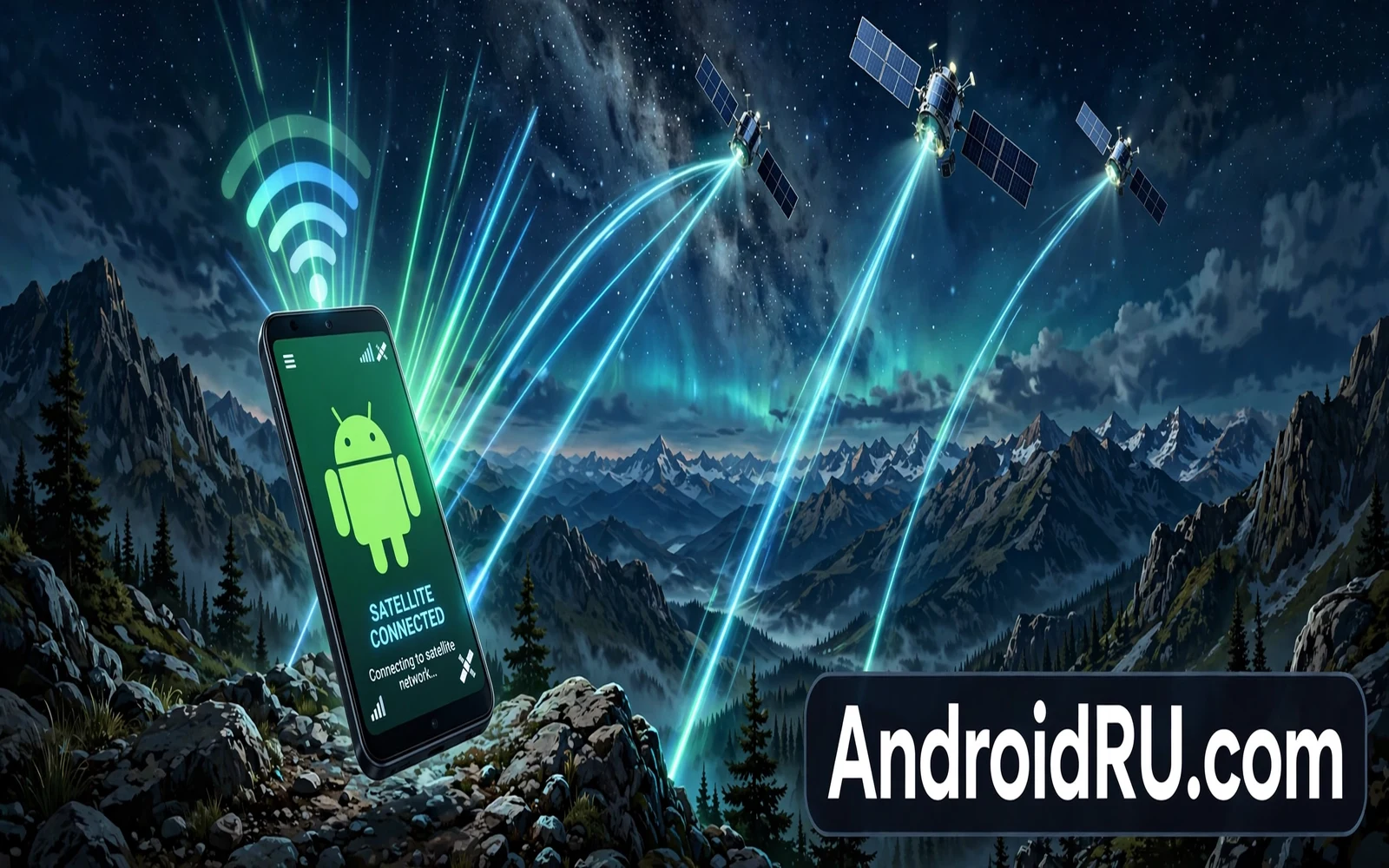
Normal phones talk to towers on the ground. Towers cover cities and towns and highways well. Towers cover oceans and deserts and deep forests poorly. A hiker beyond tower range loses normal service fast. A sailor far from shore loses it too. A driver on a remote road loses it as well. Satellite connectivity gives those users a second path to the sky. The phone talks to a satellite overhead instead of a tower nearby. That path cannot match normal service yet. It can still carry a vital message when nothing else works.
Early satellite features focus on short text messages. A user in trouble can send a location and a short plea for help. A user off the grid can tell family that all is well. A user on a trail can ask a simple question and wait for a reply. Voice calls through satellites need far more bandwidth. Video through satellites needs far more still. Text fits the narrow satellite link today. Voice and data may follow as satellite networks grow denser and smarter.
Hardware changes make this feature possible on a normal sized phone. Older satellite phones carried large antennas and bulky bodies. Newer phones use refined antenna designs that fit inside a slim frame. Newer chips handle the weak satellite signal with clever processing. Software points the user toward the open sky when a message needs a satellite. That guidance matters because a roof or a dense canopy can block the link. The phone becomes a guide as well as a radio.
How A Satellite Message Travels
A satellite message starts like any other message on the phone. You type a short text and you pick a contact. The phone first checks for a normal tower signal. When no tower answers it offers the satellite path instead. The screen shows a simple sky guide with an arrow. You hold the phone toward open sky and keep it steady. The phone locks onto a passing satellite and sends the message in a short burst.
The satellite receives the burst and passes it toward a ground station. The ground station connects the message to normal networks. The contact receives it as a normal text in most cases. A reply travels the same path in reverse. Ground station to satellite to phone. The whole round trip takes longer than a tower message. Users should expect a wait of seconds or minutes rather than instant delivery. Patience forms part of using this feature well.
Weather and terrain shape success more than users expect. Heavy cloud rarely blocks the link fully. Thick forest canopy can weaken it badly. A deep canyon can hide the satellite behind rock. A vehicle roof can block it entirely. Step outside and face open sky for the best chance. Keep the phone still during the send. Movement breaks the lock and forces a retry. The sky guide on screen helps you hold the right angle until the send completes.
Where Satellite Help Matters Most
Emergency use leads the case for satellite phones. A lone hiker with an injury can summon help from a trail with no towers. A driver after a crash on a remote road can share a location with rescuers. A boat crew in trouble can send a distress note before conditions worsen. Those messages carry location data that rescuers need. A short text with coordinates can save hours of searching. That value alone justifies the feature for outdoor users.
Work in remote places gains a second benefit. Field researchers can send daily check ins from study sites. Farm workers can report a fault from a distant field. Energy crews can confirm safety from a remote plant. Those check ins do not need rich media. They need reliability and low cost. A satellite text meets that need where a tower never will. Teams can plan around a daily message window rather than around constant coverage.
Travel and adventure users gain peace of mind as well. A family can follow a trek through daily satellite notes. A solo traveller can reassure loved ones each evening. A tour group can coordinate a meeting point beyond tower range. Those uses feel less dramatic than rescue use. They still matter to people who venture far from cities. A phone that works beyond towers changes where people feel safe to travel.
Limits Users Must Understand
Satellite links carry far less data than tower links. Text works today. Photos struggle. Video stays out of reach for now. App updates cannot run over a satellite link. Maps cannot stream live tiles over it. Users who expect full internet through satellites will feel disappointed. Treat the satellite path as a lifeline rather than as a replacement for normal service. Use it for vital messages and save the rest for tower range.
Cost and availability also limit the feature today. Some makers include a period of free satellite messaging with a new phone. Some carriers charge for satellite messages beyond that period. Some regions lack satellite coverage entirely. Some satellite networks serve only certain phone models. Check coverage for your travel region before you rely on the feature. Check the cost terms before you send routine messages through it. A lifeline works best when its limits are known in advance.
Battery use rises during satellite sends. The phone boosts its radio power to reach orbit. Holding the phone toward the sky for a long send drains power faster than a tower send. Keep the phone charged before a remote trip. Carry a power bank for multi day travel. Send short messages rather than long essays. Each short send uses less power and finishes sooner. Power discipline turns a good feature into a reliable one.
What Comes Next For Satellite Phones
Satellite networks grow with each launch. More satellites mean shorter waits for a passing link. More satellites mean better coverage near the poles and over oceans. Denser networks may support voice calls in the future. They may support low speed data for maps and weather. They may support richer messaging with small images. Each step needs more satellites and smarter phone radios. Progress will arrive in stages rather than in one leap.
Phone makers and carriers must also agree on shared standards. A satellite feature locked to one carrier helps only that carrier users. A feature that works across carriers helps travellers most. Industry groups work on shared messaging standards for satellite links. Those standards may let any compatible phone use any compatible network. That openness would turn satellite messaging into a basic phone feature rather than a premium extra.
Storage and app trends interact with satellite use as well and the archiving approach in Android App Archiving: How to Save Storage Without Deleting Data helps a traveller free space before a long trip without losing app data. The shared page viewer stays useful offline in limited ways and the explainer in Android System WebView Explained: Why It Matters shows how embedded pages work inside apps when a connection returns. The platform shift in Understanding Android 64-Bit Only Apps Shift keeps apps modern for newer radios and newer chips. Satellite connectivity joins those trends as one more layer of a phone that adapts to where you stand.
Should You Choose A Satellite Phone Today
Choose a satellite phone when you spend real time beyond tower range. Hikers and sailors and field workers gain clear value. Rural drivers on lonely roads gain value too. Choose it as a safety tool rather than as an entertainment upgrade. Test the feature near home before a remote trip. Learn the sky guide gestures in a calm setting. A first use during an emergency is the worst time to learn a new screen.
Skip satellite as a buying reason when you rarely leave tower coverage. City users gain little from a feature they never trigger. Suburban users gain little either. Spend that budget on battery life or camera quality instead. Satellite will reach more phones over time. Waiting costs a city user nothing. Buying early costs a premium for a feature that stays idle.
Whatever you choose learn the limits before you need the feature. Know how to open the satellite screen fast. Know how to share location in one message. Know how long a send may take. Tell family how satellite messages look when they arrive. That preparation turns a novel feature into a trusted tool. A phone that reaches the sky still needs a calm user on the ground.
Prepare A Phone For A Remote Trip
A remote trip needs preparation before you leave tower range. Download offline maps for the whole route while on wireless. Save key contacts and meeting points in notes that work offline. Charge the phone fully and pack a power bank. Test the satellite screen in an open area near home. That rehearsal prevents fumbling when the feature truly matters.
Tell someone your route and your check in plan before departure. Agree on a daily message time through the satellite path. Agree on what a missed check in means. A missed message may mean bad sky rather than trouble. A second missed message may mean a real problem. A clear plan turns satellite notes into a reliable safety net for everyone involved.
Pack light on apps for a remote trip. Archive idle apps before departure to free space for maps and photos. Keep the satellite capable app fully updated. Keep the maps app fully updated. Updates cannot arrive beyond tower range. A phone that leaves home current stays useful far longer than a phone that leaves home stale.
Practice the sky guide gesture with gloves on when you hike in cold places. Gloves change touch accuracy and grip. A lanyard or a strap prevents a drop during a sky hold. A case with a good grip helps during a long send. Small physical details decide whether a satellite send succeeds on a windy ridge. Prepare the body as well as the phone for remote use.
A satellite message plan should include a backup contact on the ground. Tell a trusted person your route and your expected return time. Agree that a missed check in triggers a call to local rescuers after a set delay. Share the exact wording of a satellite distress note in advance. Rescuers act faster when they recognise the format at once. A backup contact turns a lone message into a coordinated response. Preparation on the ground matters as much as technology in the sky.

