

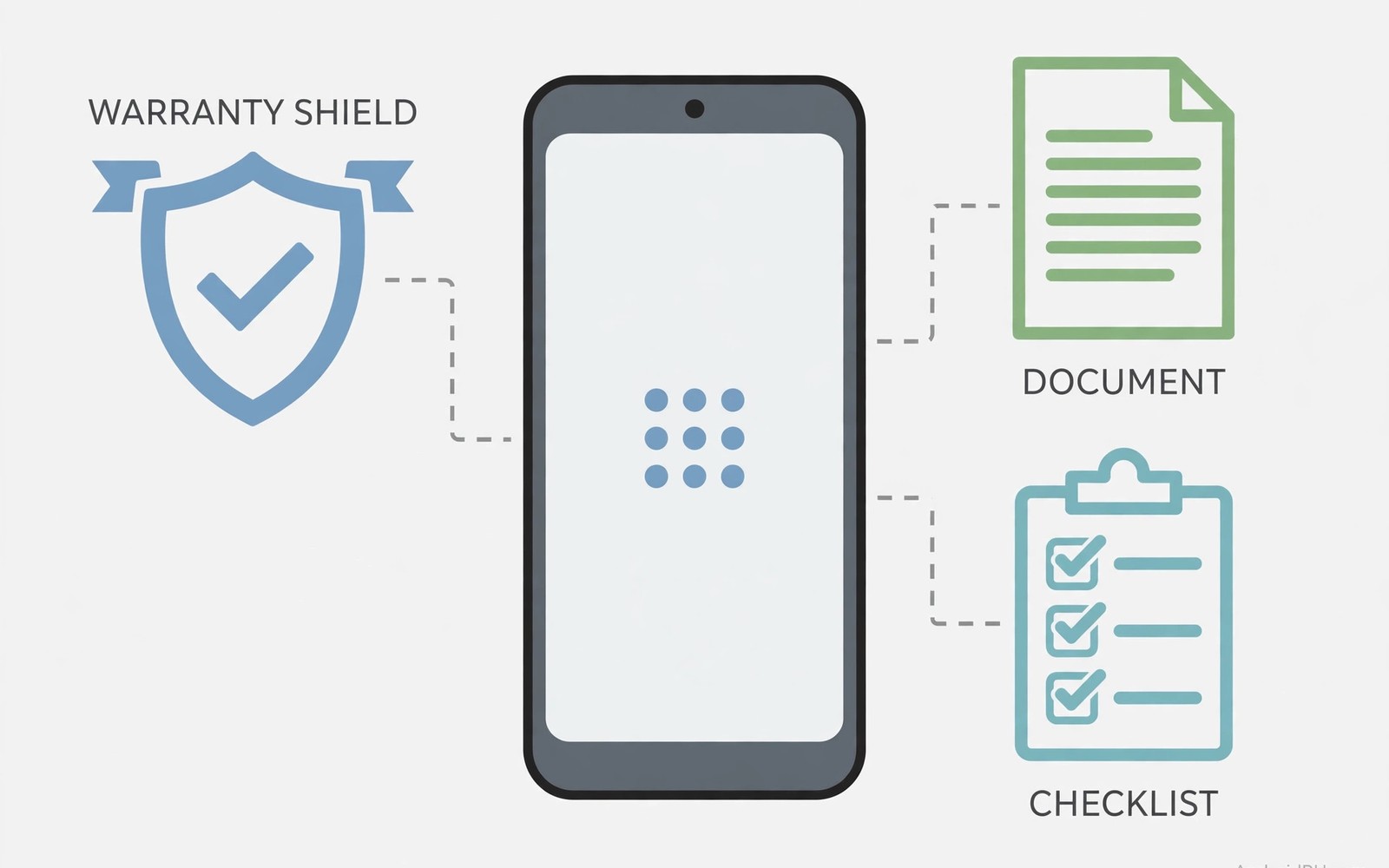
A warranty turns a risky refurbished purchase into a safer one. It promises repair or replacement when faults appear. Not all warranties offer equal protection. Some cover only major failures. Others exclude the parts most likely to fail. This guide explains what to demand in writing.
Read warranty terms before you pay. Screenshots of terms protect you later. Verbal promises vanish when disputes arise. A seller who hides terms likely offers weak cover. Choose sellers who publish terms clearly.
Warranty Length And What It Signals
Short warranties of 30 days cover immediate defects only. They reveal low seller confidence. Warranties of 90 days cover early failures better. Warranties of six months show real testing discipline. One year warranties signal strong refurbishment programs.
Length alone does not guarantee quality. Read what the warranty actually covers. A long warranty with narrow cover may protect little. A shorter warranty with broad cover may protect more. Compare cover scope alongside length.
Check when the warranty clock starts. Some start on delivery date. Others start on purchase date. Delivery delays can eat purchase date warranties. Delivery date start is fairer for online orders.
Covered Parts And Common Exclusions
Good warranties cover screen and battery and board faults. They cover charging and speaker and camera failures. They cover buttons and sensors that fail normally. They should cover defects that existed at sale.
Common exclusions include accidental damage and water damage. They include unauthorized repairs after purchase. They include cosmetic wear and battery wear below a threshold. Battery exclusions matter greatly. Ask the exact battery threshold in writing.
Check whether the seller repairs or replaces faulty units. Repair timelines matter when you rely on one phone. Ask about loan devices during repair. The battery testing in cleaning a pre-owned phone helps you spot wear before purchase. A warranty cannot replace a good pre purchase test.
Who Honors The Warranty
Maker warranties differ from seller warranties. Maker warranties may follow the device serial number. Seller warranties depend on that seller staying in business. Large refurbishers usually honor claims more reliably. Small sellers may vanish after a sale.
Third party warranty providers add another layer. Research the provider reputation separately. A warranty from an unknown provider may prove worthless. Ask how claims are filed and how long approval takes.
Keep the original order details for every claim. Keep the device serial number recorded. Keep photos from delivery day. Claims without proof move slowly. Claims with proof move faster.
Returns Exchanges And Refunds
A return window differs from a warranty. Returns cover change of mind and wrong listings. Warranties cover faults after the return window ends. A 30 day return window plus a one year warranty is strong. A 7 day return window plus a 30 day warranty is weak.
Check who pays return shipping for faults. Faulty device returns should cost you nothing. Check restocking fees carefully. Restocking fees on faulty devices are unfair. Reject sellers who charge them.
Check refund method and timing. Refunds should return to the original payment method. Store credit refunds limit your options. The marketplace protections in used phone scam prevention complement seller warranties. Combine both layers for maximum safety.
- Length: 90 days minimum with one year preferred.
- Scope: screen and battery and board faults covered.
- Battery: exact wear threshold stated in writing.
- Provider: maker or stable seller rather than unknown firm.
- Returns: free return shipping for faulty devices.
- Proof: order and serial and delivery photos kept.
Warranty comparison
- Seller: name recorded
- Length: days recorded
- Battery threshold: percent recorded
- Return shipping: free or paid
- Claim method: portal or email
This comparison sheet makes warranty shopping fast and fair. Fill it for every seller you consider. The best warranty often justifies a slightly higher price.
Claim Steps If Faults Appear
Report faults as soon as you notice them. Describe the fault with photos and video. Follow the seller claim process exactly. Keep copies of every message. Escalate through the marketplace when the seller stalls.
Do not open the phone yourself during a claim. Unauthorized opening can void cover. Do not install unofficial software during a claim. Keep the phone in its received condition. The cleaning advice in OLED burn-in evaluation uses safe methods that preserve warranty. A careful claim protects your rights fully.
Extended Warranties Worth Considering
Extended warranties extend cover beyond standard terms. They suit buyers who keep phones for years. They suit buyers who depend on one phone daily. They suit buyers far from repair shops. Extended cover costs extra but removes repair anxiety. Compare extended cost against likely repair costs.
Read extended warranty exclusions carefully. Some exclude battery wear entirely. Some exclude accidental damage entirely. Some require mail in repair with long waits. A warranty that excludes your likeliest fault wastes money. Match extended cover to your actual risk profile.
Third party extended warranties vary in reliability. Research the provider claim record. Check complaint rates in consumer forums. A cheap extended warranty from a weak provider may never pay. A pricier warranty from a stable provider pays reliably. Provider strength matters more than headline price.
Maker extended programs usually offer the strongest cover. They use genuine parts and trained technicians. They also preserve remaining maker warranty. Independent extended programs may use generic parts. Generic parts can reduce phone quality after repair. Weigh part quality alongside price.
Documenting Claims Successfully
Successful claims start with clear fault descriptions. Describe when the fault started. Describe what triggers the fault. Describe what you already tried. Clear descriptions speed triage. Vague descriptions cause delays and extra questions.
Video evidence strengthens claims greatly. Record the fault happening on camera. Show the phone serial screen briefly in the video. Narrate the steps you take during recording. Video proves faults that photos cannot show. Intermittent faults especially need video proof.
Keep a timeline of all claim communications. Note dates and names and promises. Follow up politely when deadlines pass. Escalate calmly through supervisors when needed. A documented timeline prevents lost claim disputes. It also supports platform escalation when sellers stall.
Warranty Law Basics By Region
Consumer law grants minimum rights beyond seller warranties. Many regions require sellers to cover defects at sale. Legal periods vary from months to years. Seller warranties add to legal rights rather than replacing them. Sellers cannot contract away legal rights. Research local consumer law before accepting weak warranties. Legal rights strengthen your negotiating position.
Burden of proof shifts over time in many regions. Early faults presume seller responsibility. Later faults require buyer proof. Documentation becomes crucial after burden shifts. Test records and photos support later claims. Keep evidence organized from delivery day. Organized evidence wins disputes that vague memories lose.
Refurbished goods carry adjusted legal expectations. Buyers accept some wear on refurbished items. Defects beyond described condition still qualify for remedies. Grade descriptions set wear expectations legally. A grade A phone with major faults breaches its description. Description accuracy matters as much as warranty length. Save listing descriptions as evidence.
Cross border purchases complicate legal rights. Seller location determines applicable law often. Platform rules may add protection layers. Legal action across borders costs more. Domestic sellers simplify legal remedies. Legal simplicity justifies domestic premiums for expensive phones. Rights mean little without practical enforcement.
Small claims processes help consumers in many regions. Filing costs stay low. Procedures stay simple without lawyers. Sellers often settle before hearings. Threats of small claims motivate responses. Documented claims succeed more often. Legal knowledge turns weak buyers into confident buyers.
Warranty Transfer And Resale
Seller warranties usually stay with the original buyer. They rarely transfer to second owners. Maker warranties sometimes follow serial numbers. Serial based warranties transfer more easily. Check transfer rules before reselling warranted phones. Transferable warranties add resale value. Non transferable warranties end at resale.
Keep warranty documents for resale value. Transferable warranty proof attracts buyers. It justifies higher resale prices. Buyers pay premiums for remaining cover. Documentation includes order details and claim history. Clean claim histories reassure buyers further. Warranty paperwork is a resale asset.
Extended warranties may transfer for fees. Some providers allow transfer with paperwork. Others prohibit transfer entirely. Transfer fees vary widely. Check transfer terms before buying extended cover. A non transferable extended warranty wastes money for short owners. Match warranty length to ownership horizon carefully.
Resale timing affects warranty value transfer. Selling with months of cover left adds value. Selling after cover expires adds nothing. Time resales to preserve warranty value when possible. A sale one month before expiry beats a sale after expiry. Warranty timing is a small but real pricing factor.
Quick Reference Checklist
- Read full warranty terms before paying anything.
- Note warranty length in days from the correct start date.
- Check whether cover starts on delivery or purchase date.
- Confirm screen and battery and board faults are covered.
- Ask the exact battery wear threshold in writing.
- Check whether accidental damage is excluded or covered.
- Check whether water damage is excluded or covered.
- Confirm who honors the warranty by name.
- Research third party warranty providers separately.
- Check repair versus replacement policy for faults.
- Ask about repair timelines and loan device options.
- Confirm return window length separately from warranty.
- Check who pays return shipping for faulty devices.
- Reject restocking fees on faulty device returns.
- Confirm refunds return to the original payment method.
- Keep order details and serial numbers for claims.
- Keep delivery photos for claim evidence.
- Report faults as soon as you notice them.
- Never open the phone yourself during a claim.
- Escalate through the marketplace when sellers stall.

