

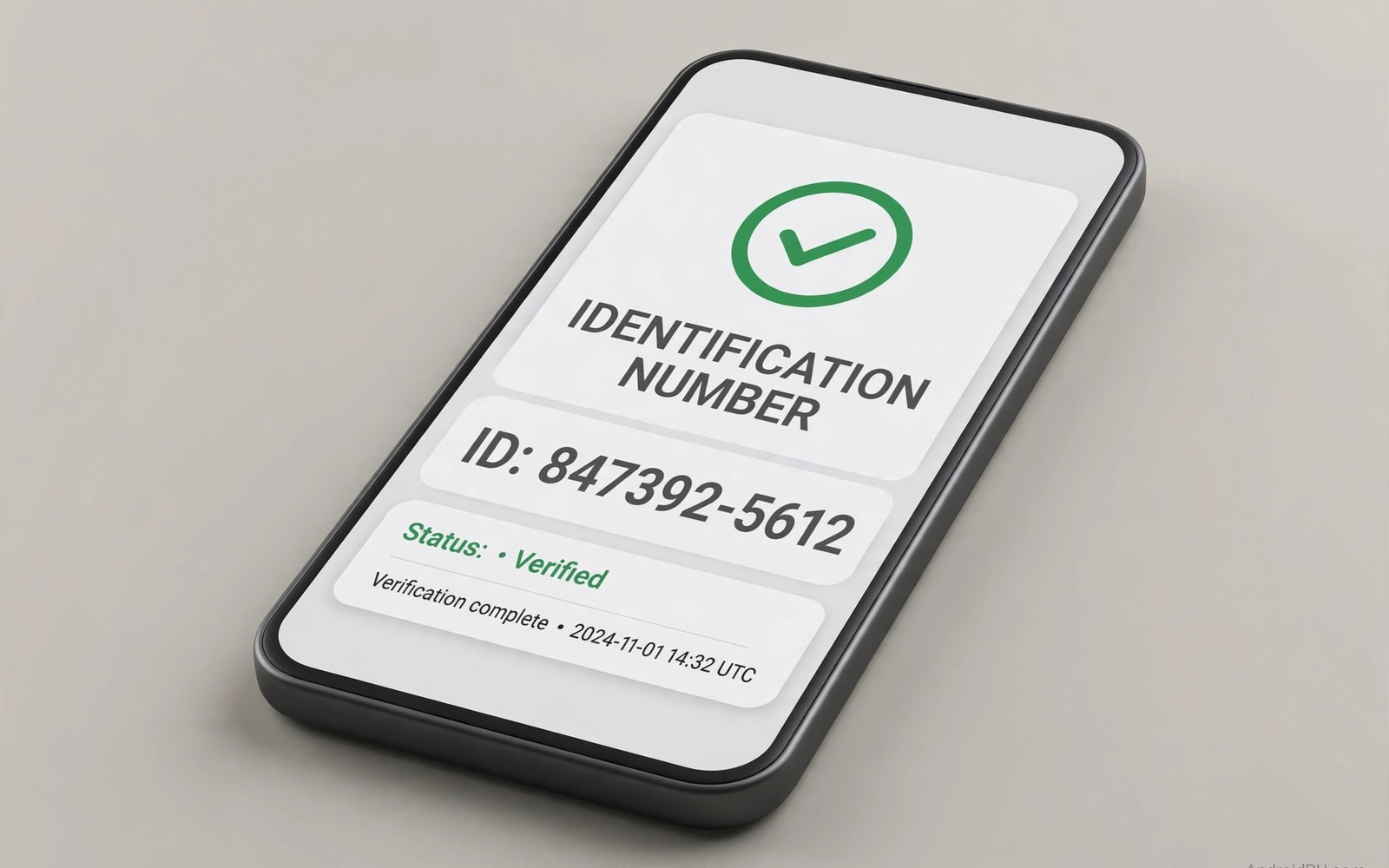
Fake and tampered phones flood the used market. Cloned devices copy famous models with weak hardware. Tampered devices hide changed parts behind original branding. IMEI checks expose many of these tricks. Originality checks expose the rest. This guide gives you a complete verification routine.
Start verification before you negotiate price. A fake phone deserves no negotiation. A tampered phone deserves a steep discount or rejection. Verification takes only a few minutes. Those minutes protect your entire payment.
Find And Compare IMEI Numbers
Dial the standard IMEI code on the keypad. Write down the number shown on screen. Open settings and find the IMEI entry there. Both numbers must match exactly. Any mismatch means tampering or a board swap.
Compare the IMEI with the SIM tray engraving when present. Compare it with the original box label when available. Compare it with any purchase receipt. All sources should agree. One disagreement ends the deal.
Photograph each IMEI source with seller permission. Photos create a record for later disputes. A seller who blocks photos raises concern. Honest sellers welcome documentation.
Check Maker And Network Databases
Enter the IMEI in a trusted checker tool. A clean result supports legitimacy. A flagged result means a block or finance issue. Maker support pages may confirm model and warranty. Warranty details should match the claimed model.
Check the serial number alongside the IMEI. Serial lookups can confirm production details. Mismatched serial and model data signals a fake. The blacklist checks in used flagships versus new budget phones explain database limits clearly. No single database guarantees a clean history.
Beware of checker sites that demand payment upfront. Use official carrier and maker tools first. Use well known databases only when needed. Never enter banking details on a checker site. IMEI checks should never require payment card data.
Spot Fake Phones By Hardware
Open the camera app and test every lens. Fake phones often use one weak camera behind several lenses. Test zoom steps for real optical changes. Fake zoom only crops the image digitally.
Check screen resolution with a sharp test image. Fake phones use low resolution panels. Text edges look blurry on fakes. Check storage size in settings. Fake phones report false storage that fails when filled.
Test performance with a demanding app. Fake phones lag badly under load. Check the settings menu for odd translations. Check the build number format against maker patterns. Odd menus often betray cloned software.
Spot Changed Parts And Refurb Tricks
Check screen color uniformity on solid images. A replaced screen may show different color temperature. Check camera photo quality against sample photos online. A replaced camera may produce softer images.
Check battery health and cycle data. A claimed new battery should show high capacity. A claimed original battery with high capacity deserves skepticism. Ask for battery replacement receipts.
Check the frame and screws for repair marks. Check software for missing maker features. Missing features can signal a swapped board. The damage clues in fingerprint and biometric checks help you spot prior opening. Originality means hardware and software both match the model.
- IMEI: dialer and settings and tray must all match.
- Box: label and receipt must match phone data.
- Maker: support lookup must confirm exact model.
- Camera: every lens must produce real photos.
- Storage: reported size must survive a file fill test.
- Software: maker features must be present and correct.
Originality record
- IMEI dialer: record here
- IMEI settings: record here
- Serial lookup: model confirmed
- Camera test: all lenses working
- Storage test: reported size verified
This record compresses verification into one page of evidence. Keep it with the receipt and seller details. It supports warranty claims and platform disputes after purchase.
Pay Only After Verification
Complete every check before handing over money. A seller who pressures fast payment likely hides something. A patient seller respects verification. Price means nothing on a fake device.
A verified phone gives confidence for years. An unverified phone gives doubt from day one. Choose verification over speed every time. The marketplace safety notes in refurbished phone warranties cover payment protection next. Verify first and pay second without exception.
Advanced Originality Tests
Test the phone with maker diagnostic tools when available. Maker tools verify hardware components against factory records. They can detect swapped screens and batteries. They can detect non genuine cameras. Use these tools during inspection when the seller allows. A phone that fails maker diagnostics deserves rejection.
Compare weight against official specifications. Fake phones often weigh noticeably less. Swapped parts can also change weight slightly. Use a kitchen scale for rough comparison. A difference of more than ten grams deserves investigation. Weight alone never proves fakery but it guides deeper checks.
Check software build details against maker patterns. Build numbers follow recognizable formats. Security patch dates should match recent releases. Odd build strings suggest cloned software. Cloned software may hide weak hardware behind a familiar interface. Compare build details with online references for the exact model.
Test fast charging behavior with a compatible charger. Fake phones often charge slowly despite fast charge claims. Genuine phones show fast charging indicators promptly. Slow charging on a genuine spec phone suggests swapped parts. Charging tests are quick and revealing during inspection.
Dealing With Suspected Fakes
Stop negotiation immediately when fakery seems likely. Do not argue with the seller about authenticity. Simply decline and leave calmly. Arguing wastes time and creates conflict. A fake phone deserves no counter offer at any price. Your safety matters more than confrontation.
Report suspected fake listings to the platform. Platform reports protect other buyers. Include your test evidence in the report. Photos of mismatched IMEI help moderators act. Reports also create a record if the seller contacts you later. Honest reporting strengthens the whole marketplace.
Never buy a suspected fake as a spare or secondary phone. Fake phones may lack safety certifications. Their batteries may lack proper protection circuits. Their chargers may lack safety standards. Safety risks outweigh any low price. A cheap fake can cost far more than money.
Serial Numbers And Production Clues
Serial numbers encode production information for many makers. They can reveal factory and production week. They can reveal intended region and model variant. Maker support tools decode serial details. Compare decoded details with seller claims. Mismatched regions suggest grey imports. Grey imports may lack local warranty coverage.
Production week matters for early batch faults. Early batches sometimes carry manufacturing defects. Later batches fix those defects silently. Serial decoding can identify early batches. Research known batch issues for target models. Early batch phones deserve extra testing of affected parts. Batch awareness turns serial numbers into risk clues.
Refurbished phones may carry replacement serial stickers. Replacement stickers suggest housing swaps. Housing swaps alone are not fraud. They become fraud when sellers hide them. Ask about housing replacement directly. Honest sellers disclose housing work. Hidden housing work suggests deeper concealment.
Box serial numbers should match phone serial numbers. Mismatched boxes suggest mixed stock or fraud. Sellers may mix boxes accidentally in bulk operations. Accidental mixing still breaks verification chains. Insist on matching boxes for premium purchases. Matching boxes support warranty claims later. Mismatched boxes complicate every future claim.
Keep serial records separate from the phone itself. Store photos in cloud backup or email. A stolen phone needs serial numbers for police reports. A lost phone needs serial numbers for carrier blocks. Records stored only on the phone vanish with the phone. External records protect you after loss or theft.
Clone Phones And Safety Risks
Clone phones copy famous designs with cheap internals. Their processors lag badly under normal use. Their batteries may lack safety certification. Their chargers may lack overload protection. Safety risks exceed performance disappointments. Uncertified batteries can swell or ignite. Never use clone phones as daily devices.
Clone software mimics genuine interfaces convincingly. Settings menus look familiar at a glance. Closer inspection reveals translation errors. It reveals missing maker apps. It reveals odd update screens. Test maker specific features during inspection. Missing features expose clones quickly.
Clone cameras use interpolated megapixel claims. Software upscales low resolution photos falsely. File sizes look large but detail stays poor. Zoom into photo details during testing. True detail survives zooming. Upscaled detail dissolves into blur. Photo zoom tests expose clones reliably.
Clone sellers often vanish after sales. They use temporary profiles and disposable contacts. Platform reports help remove them. Buyer vigilance remains the main defense. Verification before payment beats refunds after fraud. A few minutes of checks prevent clone purchases entirely.
Quick Reference Checklist
- Dial the IMEI code and write down the number shown.
- Find the IMEI in settings and compare both numbers.
- Compare IMEI with SIM tray and box and receipt.
- Photograph every IMEI source with seller permission.
- Enter the IMEI in a trusted checker tool first.
- Check the serial number through maker support pages.
- Confirm the maker lookup matches the exact model.
- Test every camera lens for real photos not placeholders.
- Test zoom steps for genuine optical magnification.
- Check screen sharpness with a detailed test image.
- Fill storage partly to verify reported capacity.
- Test performance with a demanding app under load.
- Check settings menus for odd translations or missing apps.
- Compare weight roughly with official specifications.
- Check screen color uniformity on solid images.
- Compare camera photos with online samples for the model.
- Ask for battery replacement receipts when claimed new.
- Check frame and screws for repair marks.
- Stop negotiation immediately when fakery seems likely.
- Report suspected fake listings to the platform promptly.

