

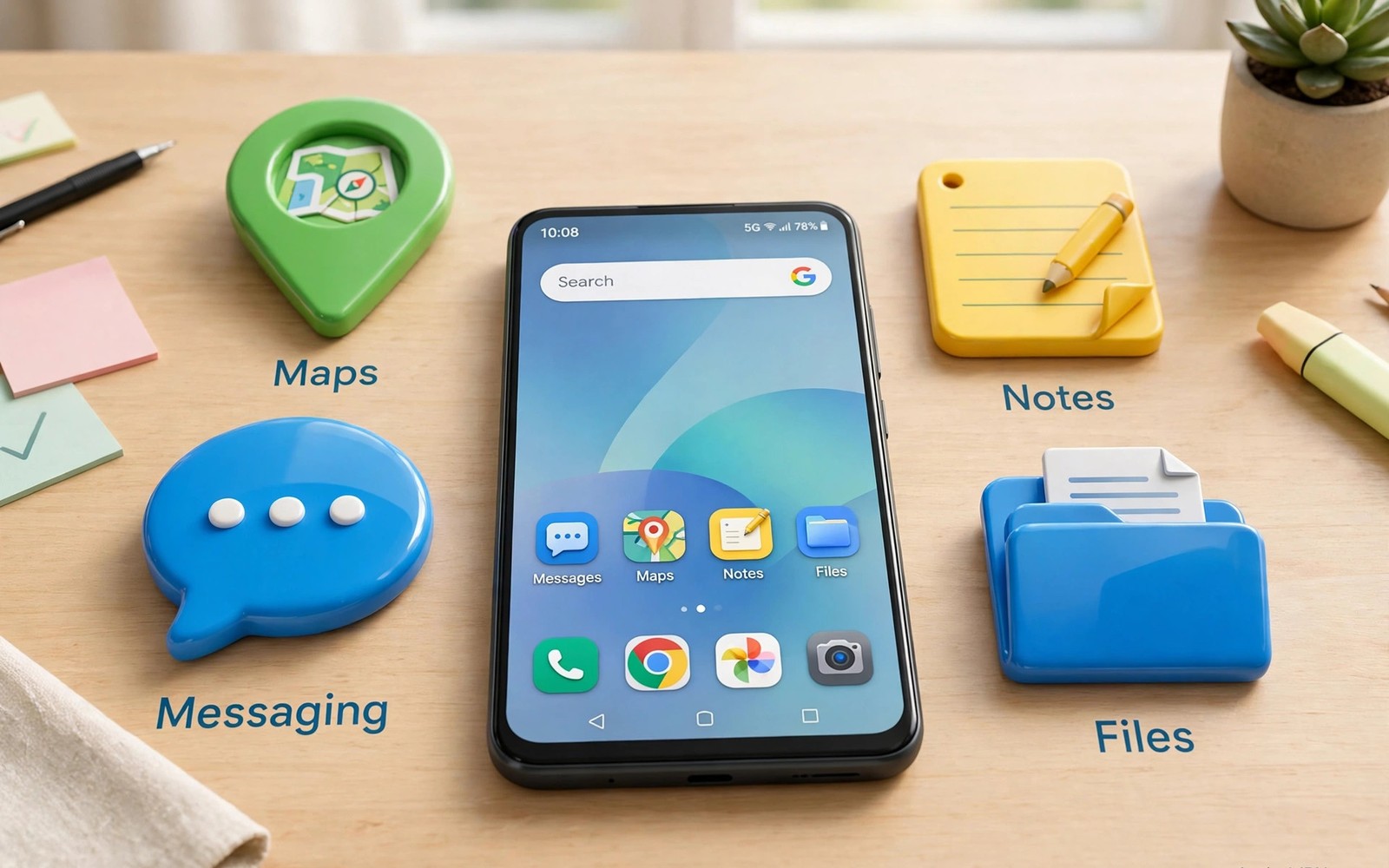
The best must-have Android apps for a new phone solve daily problems from the first day you switch it on. Messaging and banking and maps and files all need a reliable home on the device. A new owner who installs a thoughtful core set avoids weeks of frustration and wasted storage. This article walks through that core set in plain steps that work on almost any Android phone.
Start with the basics before you chase trends or games. A browser and a messenger and a file manager and a password tool cover most daily needs. Once those tools feel solid you can add extras like lightweight apps that save storage for a phone with little free space. A calm start beats a crowded home screen every time.
Use this article as a checklist rather than a shopping list. Pick the ideas that match your routine and ignore the rest until your needs change.
Test an app with your real routine before you judge it. A demo on a quiet afternoon hides problems that appear during a busy commute or a low battery day. Real use shows speed and reliability in a way that screenshots never can.
Check the data use of a new app during its first week. An app that syncs large files in the background can surprise you on a capped plan. Wi-Fi only sync for heavy apps keeps mobile data for urgent use.
Updates matter because developers fix bugs and close security gaps in each release. Turn on automatic updates for trusted apps and read the changelog when an update changes a feature you rely on. Skip an update only when you have a clear reason and a backup plan.
Build the core set first
A new phone needs a browser that syncs with your computer and a messenger that reaches your friends and a mail app that handles work and personal mail in one place. Add a maps app for travel and a notes app for quick ideas and a cloud drive for files you cannot afford to lose. Each of these tools earns its place by handling a task you repeat every day. Test each one for a few days before you install the next so you can spot a weak choice early.
A password manager belongs in the core set even though many owners skip it at first. Strong unique passwords protect every account on the phone and a manager removes the need to remember them all. Choose one with a simple unlock method and a clear export option so you never feel trapped. Security tools feel boring until the day they save an account from a breach.
Updates matter because developers fix bugs and close security gaps in each release. Turn on automatic updates for trusted apps and read the changelog when an update changes a feature you rely on. Skip an update only when you have a clear reason and a backup plan.
Notifications decide whether an app helps you or interrupts you all day. Keep alerts on for messages that need a fast reply and silence the rest. A quiet phone still delivers urgent news while it protects your focus.
A simple home screen layout makes good apps easier to reach. Put daily tools on the first screen and move rarely used apps into folders. Fewer taps mean you finish tasks faster and you are less likely to open a distraction by accident.
Add daily organization tools
A calendar and a task list turn a new phone into a reliable assistant for work and family life. Put recurring events in the calendar at once and keep the task list short so it stays useful instead of turning into a second inbox. Review both tools each morning for two minutes and your day starts with a clear plan. Small habits like this matter more than any single fancy feature.
A notes app with search saves ideas that would otherwise vanish during a busy day. Capture a thought in seconds and tag it with a simple word you will remember later. When you need the note again a quick search brings it back without scrolling through pages of text. Good organization tools reward speed and simplicity above all else. A related setup worth exploring is daily organization apps alongside the tools above.
Try one change at a time when you rebuild your phone setup. Install two or three apps first and use them for real tasks before you add more. A slow start reveals problems early while a rushed setup hides them until they hurt.
A simple home screen layout makes good apps easier to reach. Put daily tools on the first screen and move rarely used apps into folders. Fewer taps mean you finish tasks faster and you are less likely to open a distraction by accident.
Keep the home screen focused on tools you open every day. Move seasonal or rare apps into a folder with a clear name. A focused home screen reduces taps and helps you reach the right tool without hunting.
Cover files and storage early
A file manager helps you find downloads and move photos and free space when storage runs low. Learn where downloads land and how to move large videos to cloud storage before the phone warns you about full storage. A tidy file system also makes backups faster because you know what matters and where it lives. Spend twenty minutes on files in the first week and you will save hours later.
Cloud storage works best when it syncs only the folders you choose. Turn on sync for photos and documents and leave large video folders manual so uploads never drain mobile data without warning. Check the sync status once a week to catch a stalled upload before it matters. Reliable file habits protect memories and work alike.
Test an app with your real routine before you judge it. A demo on a quiet afternoon hides problems that appear during a busy commute or a low battery day. Real use shows speed and reliability in a way that screenshots never can.
Compare two similar apps on the same task on the same day. A direct comparison shows speed and clarity differences that feature lists hide. Pick the winner promptly and remove the loser so data never splits across two tools.
Protect your accounts with a second factor wherever the app offers it. A second factor blocks most automated attacks even when a password leaks. Enable it on mail and cloud and banking apps first because those guard the rest.
adb shell pm list packages
adb shell dumpsys batterystats
adb shell cmd package list packages -f
The commands above follow the pattern used in Android developer guides for listing installed packages and checking battery use on a device. The same guides explain that package and battery commands reveal real system state without changing any app data.
Protect the phone from day one
Security apps and system settings deserve attention before you install dozens of extras. Turn on screen lock and device location and automatic system updates so the phone stays protected even when you forget. Review app permissions for the first batch of installs and deny access that has no clear purpose. A secure start is easier than cleaning up after a careless install. Owners who want deeper focus can also try productivity engine apps for the same routine.
A virtual private network helps on public Wi-Fi but it is not a magic shield for every threat. Use it on hotel and cafe networks and keep it off on trusted home Wi-Fi when it slows your connection. Pair it with careful download habits and you cover the most common risks without paying for tools you do not need.
A simple home screen layout makes good apps easier to reach. Put daily tools on the first screen and move rarely used apps into folders. Fewer taps mean you finish tasks faster and you are less likely to open a distraction by accident.
Review app settings after a major update because updates sometimes reset a preference. A two minute settings check after an update prevents silent changes to privacy or sync. Updates should improve an app and never surprise its owner.
A backup turns a phone problem into a short delay instead of a lost week. Sync important notes and files to a cloud account you control and test the restore step once. A backup you never tested is only a hope and not a plan.
Keep the setup light and fast
A new phone feels fast because it carries little extra software. Preserve that speed by installing apps one group at a time and removing anything you have not opened in two weeks. Watch battery use in system settings and replace any app that drains power in the background without a clear benefit. Speed is a feature you protect through choices and not through extra cleaner apps.
Widgets can help or hurt depending on how many you add. Keep one weather widget and one calendar widget and skip the rest until you miss a specific piece of information. Each widget wakes the phone and uses data so a crowded home screen costs battery all day. A clean screen also makes the apps you need easier to find.
Write down the settings you change when you set up a new app. A short note helps you restore the setup after a reset or a new phone. Good notes turn a one time setup into a repeatable routine.
Learn one advanced feature per month inside an app you already love. Small steady learning beats a weekend of tutorials that you forget by Monday. One feature per month compounds into mastery within a year.
A simple home screen layout makes good apps easier to reach. Put daily tools on the first screen and move rarely used apps into folders. Fewer taps mean you finish tasks faster and you are less likely to open a distraction by accident.
Common mistakes
Many owners install every popular app on day one and then wonder why the phone feels slow and cluttered. Another common mistake is granting every permission an app requests without reading the prompt. A third mistake is skipping backups until a broken screen forces a painful lesson. Avoid these three traps and the core setup stays clean and fast for months.
A backup turns a phone problem into a short delay instead of a lost week. Sync important notes and files to a cloud account you control and test the restore step once. A backup you never tested is only a hope and not a plan.
Learn one advanced feature per month inside an app you already love. Small steady learning beats a weekend of tutorials that you forget by Monday. One feature per month compounds into mastery within a year.
Test a new app in a real situation before you trust it with important work. A short test on a busy day reveals speed problems that a quiet demo hides. Keep the test short and focused so you can judge fairly without wasting an afternoon.
Frequently asked questions
How many apps should a new phone owner install first?
Start with ten to fifteen core apps that cover messaging and mail and maps and files and security. Add more only after a week of real use shows a clear gap in your routine.
Should I use the preinstalled apps or replace them?
Keep a preinstalled app when it works well and replace it only when a better app solves a real problem. Replacement for its own sake adds clutter without adding value.
What is the first security step on a new phone?
Turn on a strong screen lock and automatic updates and a backup for photos and contacts. Those three steps protect the phone even before you install any security app.
What to do next
Your concrete next step is simple. Install the core set today and use it for one full week before you add anything else. Note which apps you open daily and remove the rest at the end of the week. That short review leaves you with a phone that fits your life instead of a phone full of guesses.
A good setup starts with a clear purpose for each app on your phone. Open the app once a day for a week and notice whether it saves time or adds noise. Keep the apps that earn their place and remove the ones that only fill space on the home screen.
The best setup is the one you actually use every day. Choose tools that fit your routine and let the rest go without regret.

