

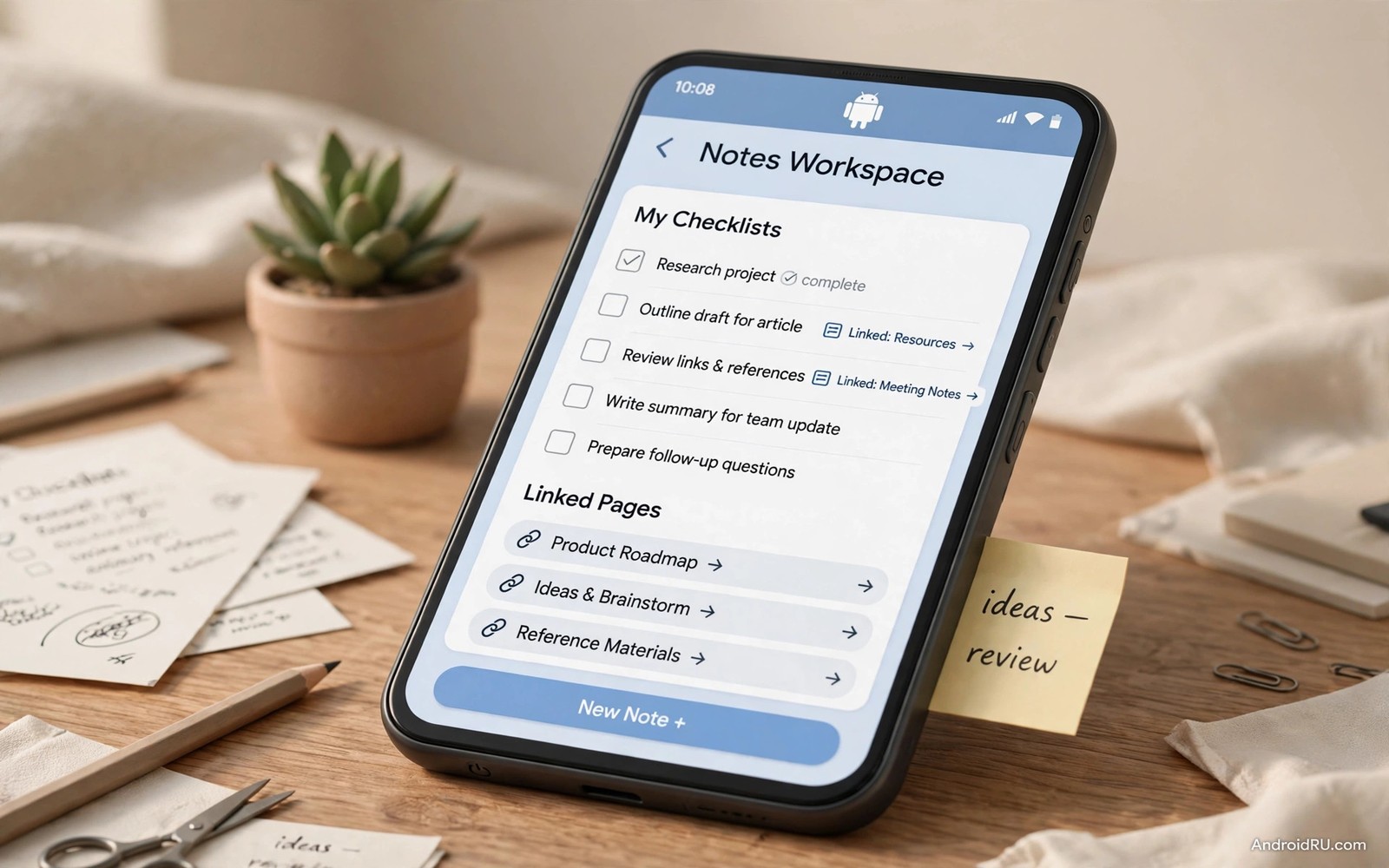
A bad note app wastes ideas in small ways every day. It opens slowly when an idea is fresh. It buries a note under folders you never use. It syncs slowly and loses a paragraph during a switch. A good note app does the opposite. It opens instantly and saves silently and finds any note by a few words. This guide compares three productivity engines that earn that trust.
Start with how you actually capture notes. Some people write short lists during the day. Some people write long meeting notes with headings. Some people collect links and images and voice memos in one place. Each habit needs a different strength. A list focused app may fail a long form writer. A document focused app may feel heavy for a quick list.
Sync behaviour matters more than a feature list for most users. A note app that syncs instantly across phone and tablet saves a second capture. A note app that syncs only on demand can lose a note written offline. Test sync by writing a note on one device and opening it on another within a minute. A sync delay you notice daily will annoy you for years.
Export freedom protects years of thinking from a single app decision. A note app should export plain text or a standard markdown format. It should not lock notes behind a proprietary database you cannot read elsewhere. Test export on a sample notebook before you move your real notes. A clean export turns a risky switch into a reversible experiment.
Three productivity engines compared
The first engine focuses on speed and simplicity for daily capture. It opens to a blank note in one tap. It offers checklists and reminders without a complex workspace. It suits a person who captures many small notes and reviews them weekly. It may lack deep linking between notes. That lack rarely matters when notes stay short and independent.
The second engine focuses on linking and structure for research and projects. It lets you connect notes by topic and build a web of ideas over time. It offers backlinks that show which notes mention a topic. It suits a student or a writer who revisits old ideas often. It can feel complex at first because it rewards a consistent linking habit.
The third engine focuses on documents and collaboration for work teams. It offers rich formatting and tables and shared editing. It suits a person who writes reports and shares them with colleagues. It may feel heavy for a quick personal note. That weight is acceptable when the main job is a polished shared document rather than a private capture.
Testing a note app with real notes
Move ten real notes into the trial app instead of testing with sample text. Include a long note and a short list and a note with images. Check how each one looks after import. Check search speed with a keyword from an old note. A trial with real notes reveals formatting losses that a sample test hides completely.
Test offline editing by turning on airplane mode and editing a note. Close the app and reopen it to confirm the edit survived. Turn the connection back on and watch sync resolve the change. A note app that handles that cycle cleanly earns trust for travel and weak signal days. A note app that duplicates or loses the edit fails a core promise.
Test reminders and organisation together over a week. Set a reminder on three notes and check whether each fires on time. Tag five notes and search by tag to confirm the system works. Archive a finished project and confirm it leaves the main list without vanishing. Those three habits cover most daily note work in a realistic way.
ls -1 ~/notes 2>/dev/null | head -20This brief command was prepared to list files in a notes folder. It shows a simple command that lists files in a notes folder. You can use the output to audit an export before you move notes into a new app.
A note app also benefits from a good keyboard because typing comfort shapes every capture. A slow keyboard makes even the best note app feel sluggish. That is why a review of feature-packed keyboard alternatives belongs beside a note app trial. Test the note app with the keyboard you will actually use every day.
Organising notes for long term retrieval
A note system fails when retrieval takes longer than capture. Capture speed gets all the attention while retrieval decides whether old notes ever help again. Tag notes with a small consistent set of topics rather than dozens of overlapping labels. A tag set of ten topics covers most personal and work notes without confusion. Consistent tags turn search into a reliable habit rather than a guessing game.
Archive finished projects promptly so the active list stays short and inviting. An active list with hundreds of old notes discourages new capture because it feels cluttered. Archiving does not delete work because archived notes remain searchable. It simply removes finished work from the daily view. A short active list encourages capture because it feels manageable rather than overwhelming.
Review old notes once a month and delete or merge notes that no longer serve a purpose. A monthly review surfaces ideas you forgot and projects you abandoned. Merging two short notes on the same topic creates a stronger single note. Deleting a stale note removes noise from future searches. That review habit keeps a growing collection useful rather than merely large.
Notes across phone and tablet and computer
A note system that works only on one device fails during travel or a dead battery. Sync should move notes between phone and tablet and computer without manual export. Test sync by editing a note on the phone and opening it on another device within a minute. A sync delay that appears daily will erode trust in the whole system. Trust in sync matters because a note you cannot find feels like a note you never wrote.
Offline access matters as much as sync because travel and weak signals are common. A note app should let you read and edit notes without a connection and sync later. Test offline editing in airplane mode with a real note that matters. Close the app and reopen it to confirm the edit survived before connectivity returns. A clean offline cycle earns trust for flights and rural trips and crowded events.
Typing comfort shapes note capture more than any template library. A keyboard that predicts well and handles clipboard history makes capture feel effortless. A keyboard review belongs beside any serious note app trial because typing shapes capture.com/stop-using-default-keyboard-apps-3-feature-packed-alternatives/’>feature-packed keyboard alternatives belongs beside a note app trial. Test the note app with the keyboard you will actually use for daily capture rather than a demo keyboard.
Note apps for students
Students need note apps that handle lectures and readings and revision in one place. A lecture note needs fast capture because a lecturer does not pause for formatting. A reading note needs linking because ideas connect across weeks of study. A revision note needs search because exam preparation revisits old material under pressure. An app that handles all three stages well earns a student place. An app that handles only one stage forces a student to juggle tools during exams.
Revision benefits most from a note system that surfaces old notes at the right time. A tag system that groups notes by topic lets a student review one subject without hunting. A search system that finds a phrase from a lecture lets a student verify a fact quickly. Test revision by trying to find a note from three weeks ago in under thirty seconds. A system that passes that test will help during exam week when time matters most.
A broad collection of useful tools supports student notes because capture happens everywhere. A scanner can turn a handout into a searchable note in minutes. A file manager can organise those scans by subject. That is why must-have Android apps helps a student build a toolkit around notes rather than a single app. Pair the note app with a scanner and a file habit and study material stays findable all semester.
Universal search helps note retrieval because it can find a note by a phrase even when tags fail. That is why universal search that finds files instantly complements a note system during revision.
Note apps and focus
Focus suffers when a note app offers too many distractions on its main screen. A dashboard full of templates and feeds and prompts can delay capture by several taps. A focus friendly note app opens to a blank note and hides everything else. Test a note app by timing how long it takes to start writing from a locked phone. A focus friendly app should reach a blank note in under three seconds.
Distraction free writing also benefits from a simple formatting toolbar. A toolbar with only bold and headings and lists covers most note needs. A toolbar with dozens of options forces decisions that interrupt thinking. Choose a note app whose default view stays calm during a long writing session. Calm interfaces protect focus in a way that feature lists never capture.
Common mistakes
The biggest mistake is moving all notes into a new app on day one. A full migration before a trial risks formatting loss across years of work. Move ten notes first and use the app for a week. Migrate the rest only after search and sync and export all pass with real notes.
Another mistake is choosing a note app for templates you never use. A beautiful template library means little if you capture plain lists daily. Choose for capture speed and search quality first. Templates can come later once the core habit works smoothly.
Frequently asked questions
Should my notes live in the cloud or on the device?
Cloud sync helps across devices and risks a server breach. Local storage protects privacy and risks loss if the phone breaks. Choose cloud sync with export backups for most users and local storage for sensitive notes.
Can I use two note apps at once?
Yes for a trial period. Keep the old app as the archive and the new app for new notes. Merge them only after the new app proves reliable for a full month.
What format should I export notes in?
Plain text or markdown exports best for long term portability. Avoid a format that only one app can read. Test the export by opening it in a different app before you rely on it.
Conclusion
Pick one note engine that matches your capture habit and move ten real notes into it today. Test search and offline editing and export for a full week. Migrate the rest only if all three pass without a lost paragraph or a broken format.

