

OnePlus Nord CE 3 Lite Review: Display Quality, Speed and Daily Use
The OnePlus Nord CE 3 Lite arrived in April 2023 as the affordable end of the Nord CE series, and it still makes sense as a cheap 5G phone for buyers who want a big screen, a long-lasting battery and clean software without paying flagship money. This OnePlus Nord CE 3 Lite full review looks at the three things the title promises — display quality, speed and daily use — and then goes through the cameras, the battery, the software and the complete specification sheet, so you can decide whether this budget phone still deserves a place on your shortlist.
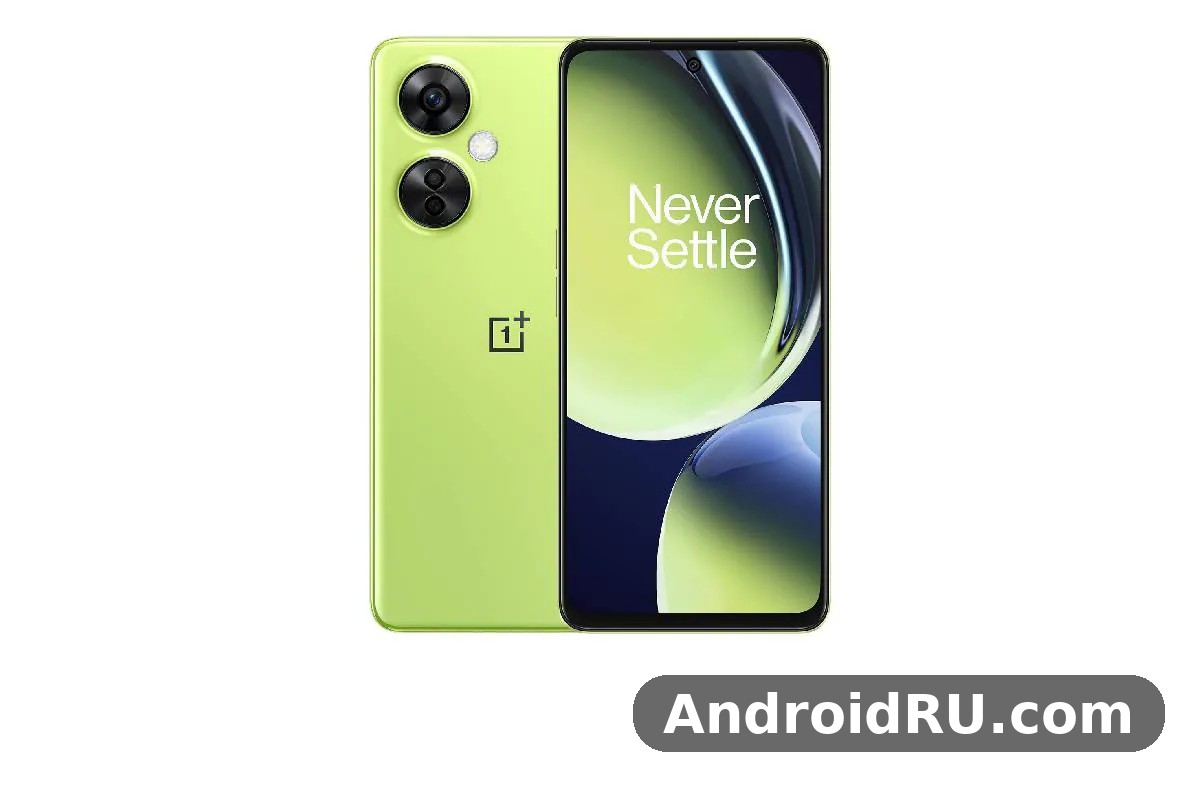
On paper the package is generous for the price. You get a 6.72-inch 120Hz display, a Snapdragon 695 chip, 8GB RAM, a 108MP camera and 67W charging with a 5000mAh battery. The OnePlus Nord CE 3 Lite price in India started at ₹19,999 for the 8GB RAM and 128GB storage model, which put it against strong rivals from Samsung, Redmi and realme. What matters is how those numbers behave in a normal day: scrolling feeds, watching video, taking photos in mixed light, playing a game after work and getting through a second day without hunting for a charger. That OnePlus Nord CE 3 Lite daily use experience is where this phone earns its keep, and also where its compromises show up.
This review sticks to what the phone actually is. The OnePlus Nord CE 3 Lite specifications below are the real ones — no inflated claims, no features the phone never had. Where a number comes from OnePlus itself, such as charging times, that is stated plainly. Where a rival does something better, that is stated too. Read the display and performance sections first if you are choosing between this phone and another Nord, and jump to the comparison table near the end if you want the family picture in one place.
OnePlus Nord CE 3 Lite Display Quality: Big 120Hz IPS LCD
The screen is the first thing you notice about this phone, and it is also the feature most buyers will live with every day. The OnePlus Nord CE 3 Lite display quality starts with size: a 6.72-inch IPS LCD panel with a 1080 x 2400 resolution, a 20:9 aspect ratio and around 391 pixels per inch. Text stays sharp at normal reading distance, video fills the tall screen nicely, and the slim bezels keep the body from feeling oversized even though the panel is large. This is an LCD display rather than an AMOLED one, which shapes both its strengths and its limits, and that trade-off is worth understanding before you buy.
The headline feature is the OnePlus Nord CE 3 Lite 120Hz display refresh rate. OnePlus lets you pick 120Hz, 90Hz, 60Hz or 30Hz, and the 120Hz display mode makes scrolling through social feeds, web pages and the app drawer feel noticeably smoother than a standard 60Hz panel. The phone can step the rate down when nothing is moving, which helps battery life, though it does not vary the rate as finely as the adaptive panels on more expensive phones. For a budget phone, a true 120Hz panel at this price was one of the strongest selling points at launch, and it remains a real advantage over rivals that still shipped 60Hz or 90Hz screens in the same price band.
Colour on the IPS LCD is clean and natural rather than punchy. An LCD display cannot produce the deep blacks or the saturated colours of an AMOLED panel, so dark scenes in films look dark grey rather than black, and the always-on display feature that AMOLED phones offer is absent here. What the LCD gives back is freedom from the flicker some people notice on low-brightness AMOLED screens, and no risk of burn-in over years of use. For reading, browsing and video, most buyers will be happy with it. For late-night film watching in a dark room, an AMOLED rival has the edge.
120Hz Refresh Rate in Everyday Scrolling
The 120Hz refresh rate matters most in the small moments: flicking through a long article, swiping between home screens, pulling down notifications. At 120Hz each of those movements renders twice as many frames per second as a 60Hz screen, so motion looks continuous instead of stepped. Games that support high refresh rates benefit too, though the Snapdragon 695 will not hold 120 frames per second in demanding titles — the smooth scrolling in apps is where you will feel it every day. One practical tip is to leave the refresh rate on 120Hz and let the phone manage it; dropping to 60Hz saves a little battery but gives up the one feature that makes the screen feel premium.
Brightness and Outdoor Visibility
Peak brightness reaches around 680 nits, which is enough for reading messages and maps outdoors on a bright day, though direct sunlight still washes the screen out more than a brighter AMOLED panel would. The auto-brightness sensor reacts quickly, and the large panel helps when you are using the phone for navigation or photography in daylight. Indoors the screen is comfortable at low brightness, and the LCD panel keeps colours stable when you dim it right down for reading at night. There is no HDR certification to shout about, and video apps will not unlock the brightest HDR streams, but standard-definition and full-HD video look clean and well balanced.
Screen Size, Bezels and One-Handed Use
A 6.72-inch screen makes this a two-handed phone for most people. The body measures 165.5 x 76 x 8.3 mm and weighs 195 grams, so it sits in the hand like other large budget phones rather than feeling like a brick. The chin bezel is a little thicker than the other three sides, which is normal at this price, and the punch-hole camera sits centred at the top. Reachability is the usual compromise: the top of the screen needs a second hand or a shuffle of grip. That is the price of a big screen, and buyers who watch a lot of video or read on their phone will take the trade gladly.
Snapdragon 695 5G Performance and Gaming
Speed is the second promise in the title, and the Snapdragon 695 is the chip that has to deliver it. The OnePlus Nord CE 3 Lite Snapdragon 695 performance is built on a 6nm octa-core processor with two Cortex-A78 performance cores running at 2.2GHz and six Cortex-A55 efficiency cores at 1.7GHz, paired with an Adreno 619 graphics processor. It is a mid-range 5G chip, not a flagship one, and the honest way to describe it is quick for everyday tasks and capable for casual gaming, with clear limits in heavy games and long editing sessions. The Nord CE 3 Lite is a 5G phone with support for the common 5G bands used in India and Europe, so it is ready for 5G networks where they are available, and it falls back to 4G LTE cleanly where they are not.
In normal use the phone feels fast. Apps open without a pause, switching between a browser, a messaging app and a camera is smooth, and the 8GB RAM keeps several apps alive in the background without constant reloading. OxygenOS 13.1 is light and close to stock Android, which helps: there is less heavy software sitting between you and the chip than on some rival phones at this price. The combination of the 120Hz screen and a light interface makes the phone feel quicker than its benchmark scores suggest, which is what matters when you are actually using it rather than reading a chart.
Benchmarks put the Snapdragon 695 in the solid mid-range. It scores in the region of 400,000 on AnTuTu, which was respectable for a budget phone in 2023 and still enough for the apps most people run daily. Heavy tasks take longer: exporting a long video, applying filters to a batch of photos, or loading a large game will show the gap to a Snapdragon 7-series or Dimensity 8000-series chip. For messaging, browsing, streaming, maps, banking and social apps, there is no gap you will notice day to day.
OnePlus Nord CE 3 Lite Gaming Performance
OnePlus Nord CE 3 Lite gaming performance is good for the games most people actually play. Titles such as BGMI, PUBG Mobile, Call of Duty: Mobile, Asphalt 9 and Subway Surfers run at smooth frame rates on medium to high settings, and the large screen plus stereo speakers make casual gaming enjoyable. Demanding games need a compromise: turning shadows and effects down keeps the frame rate steady, while pushing every setting to the top will cause frame drops in busy scenes. The Adreno 619 is a capable graphics part for its class, but it is not built for sustained maximum settings in the heaviest titles.
Some buyers ask about a OnePlus Nord CE 3 Lite heating issue while gaming, and the fair answer is that the phone warms up during long sessions, as every phone in this class does, but it does not get uncomfortably hot in normal play. The 6nm process keeps power use modest, and the plastic body spreads heat rather than concentrating it in one spot. A 45-minute gaming session will leave the back warm to the touch; it should not throttle so hard that a game becomes unplayable. If you play for hours at a stretch, a short break or a lower graphics setting keeps temperatures in check.
RAM and Storage Options
The phone shipped with 8GB RAM as standard, which was generous for its price in 2023 and remains enough for heavy multitasking today. OxygenOS can extend that with virtual RAM, borrowing a few gigabytes from storage when many apps are open, though the real 8GB does most of the work and the virtual top-up is only a safety net. Storage comes in two sizes, and the choice between them is one of the more important buying decisions on this phone.
8GB RAM and Virtual RAM
With 8GB RAM you can keep a browser with a dozen tabs, a messaging app, a music app and a game suspended at once without the phone killing them in the background. That matters for daily use because reopening apps costs time and battery. The virtual RAM feature in OxygenOS 13.1 can add up to 8GB more from storage, but storage is far slower than real RAM, so treat it as overflow space for light apps rather than a substitute for physical memory. In practice the 8GB of real RAM is the number that counts.
128GB vs 256GB Storage and the microSD Slot
The OnePlus Nord CE 3 Lite 256GB variant costs more than the 128GB model, and it is the one to pick if you record a lot of video, keep offline maps and music, or install large games. The OnePlus Nord CE 3 Lite 8GB RAM 128GB storage price was ₹19,999 at launch in India, with the 256GB model at ₹21,999, and the extra ₹2,000 bought double the space — good value if you plan to keep the phone for two or three years. Both models use UFS 2.2 storage, which is quick for app installs and file transfers without matching the fastest UFS 3.1 phones. Unlike many rivals, this phone also has a dedicated microSD slot, so the OnePlus Nord CE 3 Lite microSD card support lets you add cheap storage for photos and media without giving up your second SIM. The dual SIM tray takes two nano-SIM cards plus the card, which is a small but real convenience.
OnePlus Nord CE 3 Lite Camera Review: 108MP Main Sensor
The OnePlus Nord CE 3 Lite camera review has to start with the headline number: a 108MP camera as the main sensor. The 108MP camera uses a Samsung HM6 sensor with an f/1.7 lens, and by default it bins nine pixels into one to produce a 12MP photo with better light gathering and lower noise. A dedicated 108MP mode in the camera app lets you capture the full resolution when the light is good and you want maximum detail for cropping. The other two rear cameras are a 2MP macro camera and a 2MP depth sensor, and the front camera is a 16MP selfie unit. There is no ultrawide camera, which is the most noticeable gap in the camera system, and that absence shapes what this phone can and cannot do.
OnePlus Nord CE 3 Lite 108MP camera samples posted online show strong daylight detail, with sharp edges, natural colours and good dynamic range for a phone at this price. Landscapes, buildings and food come out clean, and the 3x in-sensor zoom — a crop from the large 108MP sensor rather than an optical zoom — holds up well in bright light for subjects that are not too far away. Electronic image stabilisation helps keep handheld shots steady, though there is no optical stabilisation, so moving subjects in dim light can still blur. For the photos most people take — daylight shots, portraits, food, documents — the main camera is genuinely good.
108MP Main Camera in Daylight
In daylight the main sensor is the star of the phone. Colours lean slightly warm and pleasing rather than clinical, skies stay blue without going electric, and fine detail such as leaves, brickwork and fabric holds up when you zoom in. The camera app is quick to open and focus, and the shutter lag is short enough for candid shots of children and pets. HDR works well for high-contrast scenes such as a bright window behind a person, pulling detail back into both the highlights and the shadows. If you only ever shoot in good light, you will rarely feel short-changed by this camera.
Pixel Binning and Full 108MP Mode
Pixel binning is the trick that makes a 108MP sensor practical. Nine neighbouring pixels combine into one large pixel, so the default 12MP photo gathers far more light than a single tiny pixel could, which keeps noise down and colours clean. The full 108MP mode turns binning off and records every pixel, which gives you a huge file with more fine detail in perfect light — useful for a landscape you plan to crop hard or print large. In dim light the full-resolution mode is worse, not better, because each small pixel gets less light. The sensible habit is to leave the camera on its default mode and switch to 108MP only in bright daylight when you have a reason to.
Night Mode and Low Light
The OnePlus Nord CE 3 Lite night mode camera uses multi-frame stacking to brighten dark scenes, and it works best when you hold the phone still for a couple of seconds. Street scenes, lit shopfronts and restaurant interiors come out brighter and cleaner than a single exposure would manage, with usable detail and restrained noise. Very dark scenes still show the limits of a sensor without optical stabilisation: fine detail softens, moving people blur, and colours can drift. The night mode is a genuine help rather than a gimmick, but it cannot turn this phone into a low-light specialist — that remains the territory of phones with larger sensors and optical stabilisation.
Portrait Mode Photos and the Depth Sensor
OnePlus Nord CE 3 Lite portrait mode photos use the 2MP depth sensor to help separate the subject from the background, and the results are good for social media in decent light. Edge detection around hair and glasses is mostly clean, and the background blur looks natural at the default strength. In dim light the edge detection gets less reliable, and busy backgrounds can confuse it. The macro camera, the other 2MP unit, focuses at close range for shots of flowers, insects and small objects; it is fun to try and produces acceptable results in bright light, but its low resolution means the photos fall apart if you crop them hard. Both extra cameras are honest additions rather than headline features — the main sensor does the serious work.
16MP Selfie Camera and Video
The 16MP selfie camera sits in the centred punch hole and takes clean, well-exposed selfies in daylight, with natural skin tones and enough detail for video calls and social posts. Portrait mode works on the front camera too, using software to blur the background. Video is the weak point of the camera system: the phone tops out at 1080p at 30 frames per second on both the rear and front cameras, with no 4K option and no 60fps mode. For casual clips, video calls and social stories that limit is fine, since most of that content is watched at 1080p anyway. If you record a lot of video and want 4K or smoother 60fps footage, a rival with those modes is a better fit.
Battery Life and 67W SUPERVOOC Charging
OnePlus Nord CE 3 Lite battery life is one of the strongest reasons to buy this phone. The 5000mAh battery is large for the class, and the efficient Snapdragon 695 plus the LCD panel stretch it further than the raw number suggests. A typical day of messaging, browsing, an hour or two of video and some photography ends with charge to spare, and lighter users can stretch to two days between charges. The OnePlus Nord CE 3 Lite battery backup on 5G is shorter than on Wi-Fi, as it is on every 5G phone, because the 5G radio draws more power — expect a full day on 5G with normal use, and a day and a half if you spend most of your time on Wi-Fi.
Screen-on time is the number that tells the real story. Most owners will see around seven to nine hours of screen-on time on mixed use, which covers a heavy day of video, maps and social apps without anxiety. The 120Hz refresh rate costs some battery, so switching to 60Hz adds a little endurance if you are trying to squeeze out a second day. Standby drain is low, and OxygenOS does a good job of keeping background apps from eating charge overnight. After a year or two the battery will lose some capacity, as all lithium batteries do, but starting from 5000mAh gives you a generous margin.
How Long the 5000mAh Battery Lasts
The 5000mAh battery changes how you use the phone. You stop checking the battery percentage by mid-afternoon, you stop carrying a power bank for a normal day out, and you can use navigation on a road trip without watching the gauge fall. Heavy video streaming over mobile data is the fastest way to drain it, followed by long gaming sessions and camera use in bright sunlight with the screen at full brightness. Even then, the phone will get through a full day. That freedom is worth more than a slightly faster chip for many buyers, because a dead phone is useless no matter how quick it was.
67W Charging Speed in Practice
The OnePlus Nord CE 3 Lite 67W charging speed is the other half of the battery story. The 67W charging brick in the box uses SUPERVOOC charging, and OnePlus claims it can take the phone from empty to around 80 percent in about 30 minutes, with a full charge in roughly 40 to 45 minutes. In practice a quick top-up while you get ready in the morning adds a large chunk of charge, and a dead phone becomes usable again in ten minutes. That speed matters most on the days you forget to charge overnight: plug in, have breakfast, and leave with most of a day in the tank.
There are two things to know about the charging. First, the 67W speed needs the supplied charger and cable — a generic charger will charge the phone more slowly, so keep the OnePlus brick for the fastest top-ups. Second, the phone has no wireless charging, which is normal at this price and rarely missed when wired charging is this quick. Battery health features in OxygenOS slow the charge overnight when the phone learns your routine, which helps the battery last longer over the years.
OxygenOS 13.1, Design and Daily Use
The OnePlus Nord CE 3 Lite OxygenOS 13.1 features are built on Android 13, and the software is one of the cleanest versions of Android you will find at this price. OxygenOS 13.1 keeps the look close to stock Android, adds useful extras such as a smart sidebar, quick-return bubble for apps, an always-on display style clock on the lock screen, and a Zen Space focus mode, and avoids the heavy duplicate apps and advertising that some rivals bundle. The interface is quick, animations are smooth, and the settings menus are easy to find your way around. For a budget phone, the software experience feels more expensive than the price.
The OnePlus Nord CE 3 Lite software update policy promised two major Android updates and three years of security patches. The OnePlus Nord CE 3 Lite Android 14 update arrived on schedule with OxygenOS 14, and an Android 15 update followed, so the phone has stayed current well past its launch software. Security patches have continued on a regular schedule. That support window is solid for a budget phone, though buyers should know that the two major updates are now used up, so future Android versions are not promised. Security updates remain the more important thing for daily use, and those continue.
Design, Build and Colours
The design is simple and tidy. The back panel is plastic with a glossy finish, the camera module is a large rounded rectangle holding two big lens rings, and the phone comes in two colours: the fresh OnePlus Nord CE 3 Lite pastel lime colour, a pale green that stands out without shouting, and the quiet OnePlus Nord CE 3 Lite chromatic grey colour, a dark grey that suits buyers who prefer their phones plain. The OnePlus Nord CE 3 Lite pastel lime colour was the launch hero colour and remains the more distinctive choice. A case is wise either way, because the glossy back picks up fingerprints and can be slippery. There is no alert slider, the small switch OnePlus fans love, which was dropped from the CE Lite line to save cost.
Side Fingerprint Sensor, Speakers and the Headphone Jack
The OnePlus Nord CE 3 Lite side fingerprint sensor sits in the power button on the right edge, and it is quick and reliable: press the button and the phone is open before you have finished picking it up. Face unlock is available as a backup and works well in good light. The OnePlus Nord CE 3 Lite stereo speakers sound quality is decent for the price, with clear voices and enough volume for video in a quiet room, though bass is thin and the sound gets harsh at maximum volume. The OnePlus Nord CE 3 Lite headphone jack is still here — a 3.5mm jack on the bottom edge — which is increasingly rare and a genuine plus for buyers with wired earphones. NFC support is included for contactless payments, the USB-C port handles charging and data, and Bluetooth 5.1 covers wireless headphones and accessories.
Full Specifications
The OnePlus Nord CE 3 Lite specifications below cover every part of the phone in one place. Use this table to check a detail before you buy — especially the things that are easy to get wrong, such as the video recording limit, the lack of an ultrawide camera and the absence of wireless charging. Everything in the table matches the official specification sheet for the model launched in April 2023.
| Feature | OnePlus Nord CE 3 Lite |
|---|---|
| Display | 6.72-inch IPS LCD, 1080 x 2400 pixels, 120Hz refresh rate, 391 ppi, around 680 nits peak brightness |
| Processor | Qualcomm Snapdragon 695 5G, 6nm, octa-core up to 2.2GHz |
| Graphics | Adreno 619 |
| RAM | 8GB LPDDR4X, plus virtual RAM expansion in OxygenOS |
| Storage | 128GB or 256GB UFS 2.2, dedicated microSD slot |
| Rear camera | 108MP main, f/1.7, Samsung HM6 sensor; 2MP macro, f/2.4; 2MP depth, f/2.4 |
| Front camera | 16MP, f/2.4 |
| Video recording | 1080p at 30fps, rear and front, electronic stabilisation |
| Battery | 5000mAh, non-removable |
| Charging | 67W SUPERVOOC wired charging, charger in the box; no wireless charging |
| Software | OxygenOS 13.1 based on Android 13 at launch; updated to Android 14 and later Android 15 |
| Security | Side-mounted fingerprint sensor, face unlock |
| Audio | Stereo speakers, 3.5mm headphone jack |
| Connectivity | 5G, 4G LTE, Wi-Fi 802.11 a/b/g/n/ac, Bluetooth 5.1, NFC, GPS, USB-C 2.0 |
| SIM | Dual nano-SIM plus dedicated microSD slot |
| Dimensions | 165.5 x 76 x 8.3 mm |
| Weight | 195 grams |
| Colours | Pastel Lime, Chromatic Grey |
| Build | Plastic frame and back, glass front |
| Launch | April 2023, starting at ₹19,999 in India for 8GB RAM and 128GB storage |
Key Numbers at a Glance
If you only remember five numbers, make them these: a 6.72-inch 120Hz screen, a Snapdragon 695 chip with 8GB RAM, a 108MP main camera, a 5000mAh battery and 67W charging. Those five numbers explain the phone. The screen and the battery are its strengths, the camera is strong in daylight and ordinary elsewhere, and the chip is fast enough for everything except the heaviest games at the highest settings. The rest of the specification sheet is solid rather than spectacular: no ultrawide camera, no 4K video, no wireless charging, no alert slider. None of those absences is a deal-breaker on its own, and together they are the reason the phone cost what it did.
OnePlus Nord CE 3 Lite vs the Nord CE Family
The OnePlus Nord CE 3 Lite vs Nord CE 2 Lite comparison is the one most buyers actually face, because the older model stayed on sale at a discount after the new one arrived. The CE 3 Lite improves the screen from 120Hz to a brighter and larger 6.72-inch panel, jumps the main camera from 64MP to 108MP, and raises charging from 33W to 67W, while keeping the same Snapdragon 695 chip and 5000mAh battery. If the price gap is small, the newer phone is the better buy for the camera and the charging alone. If the older phone is much cheaper, it remains a fine budget phone for buyers who do not care about the camera upgrade. Our full look at the older model is in the OnePlus Nord CE 2 Lite Review: Gaming, Multitasking and Battery Life, which covers its gaming and battery in detail.
Stepping up to the standard Nord CE 3 is a bigger jump than the name suggests. The OnePlus Nord CE 3 Review: Screen Quality, Cameras and Charging covers a phone with an AMOLED display, a faster Snapdragon 782G chip, a much better camera system with optical stabilisation and an ultrawide lens, and 80W charging. The CE 3 costs more, and it earns that money if you care about the screen and the camera. The CE 3 Lite is the right pick if your budget is fixed and you want the biggest battery and screen for the least money. The older OnePlus Nord CE 2 Review: Camera Quality, Battery and Value is worth reading too if you are comparing across generations, since it shows how much the camera and charging improved in a single year.
The newer Lite models changed the balance again. The OnePlus Nord CE4 Lite Review: Design, Battery Life and Usability describes a phone with an AMOLED screen and a huge 5500mAh battery, which fixes the two biggest weaknesses of the CE 3 Lite — the LCD panel and the lack of an ultrawide is still there, but the screen and battery are better. The OnePlus Nord CE4 Review: Photo Quality, Video and Performance goes further up the range with a Snapdragon 7 Gen 3 chip and a far stronger camera. If you are buying today and the CE4 Lite is close in price, it is the more modern choice; if the CE 3 Lite is clearly cheaper, its screen, battery and clean software still hold up.
| Model | Display | Chip | Main camera | Battery and charging |
|---|---|---|---|---|
| Nord CE 3 Lite | 6.72-inch IPS LCD, 120Hz | Snapdragon 695 | 108MP, no ultrawide | 5000mAh, 67W |
| Nord CE 2 Lite | 6.59-inch IPS LCD, 120Hz | Snapdragon 695 | 64MP, no ultrawide | 5000mAh, 33W |
| Nord CE 3 | 6.7-inch AMOLED, 120Hz | Snapdragon 782G | 50MP with OIS and ultrawide | 5000mAh, 80W |
| Nord CE4 Lite | 6.67-inch AMOLED, 120Hz | Snapdragon 695 | 50MP with OIS, no ultrawide | 5500mAh, 80W |
| Nord CE4 | 6.7-inch AMOLED, 120Hz | Snapdragon 7 Gen 3 | 50MP with OIS and ultrawide | 5500mAh, 100W |
Which Nord CE Should You Buy Today?
Buy the CE 3 Lite if the price is low and you want the biggest screen and the longest battery life for the least money. Buy the CE4 Lite if it costs only a little more and you want an AMOLED screen and a bigger battery. Buy the standard CE 3 or CE4 if the camera and the chip matter more to you than the price gap. There is no wrong answer in this family — only a wrong price. Check the current price of each model before you decide, because discounts move the value equation more than any specification does.
Pros and Cons and Who Should Buy It
Every phone is a set of trade-offs, and the OnePlus Nord CE 3 Lite pros and cons are clear after a full look at the screen, the speed, the cameras and the battery. The strengths are real and easy to enjoy every day; the weaknesses are real too, and they matter more to some buyers than to others. Here is the honest balance.
Pros
- 67W SUPERVOOC charging with the charger in the box takes the phone to around 80 percent in about 30 minutes, so a forgotten overnight charge is never a disaster.
- Big 6.72-inch 120Hz display that makes scrolling, reading and video feel smooth and spacious for the price.
- 5000mAh battery that lasts a full heavy day and stretches to two days with lighter use.
- 108MP main camera that takes sharp, clean photos in daylight with good colours and useful 3x in-sensor zoom.
- Clean OxygenOS 13.1 software with two major Android updates delivered, plus a headphone jack, microSD slot, NFC and stereo speakers.
Cons
- IPS LCD panel instead of AMOLED, so blacks are grey in the dark and there is no always-on display.
- No ultrawide camera and no 4K video — video tops out at 1080p at 30fps on every camera.
- Snapdragon 695 struggles with the heaviest games at maximum settings and with long video exports.
- No wireless charging and no alert slider, two features OnePlus fans often expect.
- Plastic body that picks up fingerprints and needs a case to stay looking new.
Who Should Buy the OnePlus Nord CE 3 Lite?
This phone suits buyers who want a big screen, a battery that lasts and fast charging on a tight budget, and who take most of their photos in daylight. It suits students, commuters and anyone who uses their phone mainly for messaging, browsing, video and social apps. It suits buyers who still want a headphone jack and a microSD slot. It does not suit buyers who record a lot of 4K video, who need an ultrawide camera, who play demanding games at maximum settings, or who watch films in a dark room and want deep AMOLED blacks. For those buyers the standard Nord CE 3 or a newer CE4 Lite is the better spend.
Frequently Asked Questions
Is the OnePlus Nord CE 3 Lite good for gaming?
Yes, for the games most people play. BGMI, Call of Duty: Mobile, Asphalt 9 and similar titles run smoothly on medium to high settings, and the large 120Hz screen and stereo speakers help. The heaviest games need lower graphics settings to hold a steady frame rate, and the phone warms up during long sessions without becoming uncomfortable. If competitive gaming at maximum settings is your priority, a phone with a stronger chip is a better choice.
Does the OnePlus Nord CE 3 Lite support 5G in India?
Yes. The Snapdragon 695 includes a 5G modem, and the phone supports the common 5G bands used by Indian carriers, so it works on 5G networks where coverage is available and falls back to 4G LTE elsewhere. The OnePlus Nord CE 3 Lite battery backup on 5G is shorter than on Wi-Fi, so expect a full day of use on 5G rather than the day and a half that Wi-Fi use can deliver.
Does the OnePlus Nord CE 3 Lite have a headphone jack?
Yes, it has a 3.5mm headphone jack on the bottom edge, alongside the USB-C port. Wired earphones work without an adapter, which is increasingly rare in 2023 phones and a genuine reason some buyers pick this model. Bluetooth 5.1 is there as well for wireless headphones, and the stereo speakers cover video and calls when you do not want earphones at all.
How many Android updates will the OnePlus Nord CE 3 Lite get?
OnePlus promised two major Android updates and three years of security patches. The phone launched on Android 13 with OxygenOS 13.1, received the Android 14 update with OxygenOS 14, and later received Android 15 as well, so both promised major updates have been delivered. Security patches continue on their regular schedule, which is what matters most for safe daily use after the major updates end.
Is the OnePlus Nord CE 3 Lite still worth buying?
It depends on the price. At a clear discount it remains a strong budget phone: a big 120Hz screen, a 5000mAh battery, 67W charging, a good daylight camera and clean software are a combination that still holds up. At close to its launch price, the newer Nord CE4 Lite is the better buy for its AMOLED screen and bigger battery. A OnePlus Nord CE 3 Lite long term review after one year tends to focus on the same two things — the battery still lasts well, and the LCD screen is the part owners notice most next to AMOLED rivals. Check the current price, compare it with the CE4 Lite, and buy the cheaper of the two if the gap is large.
To sum up, the Nord CE 3 Lite is a phone that gets the everyday things right. The screen is big and smooth, the battery lasts, charging is quick, the main camera is good in daylight and the software stays out of your way. Its limits — an LCD panel, no ultrawide, no 4K video and a mid-range chip — are the honest cost of its price, and they are easy to live with if they do not touch the things you care about. If the price is right for you, buy it, put it in a case, and enjoy a phone that does the daily job without fuss.

