

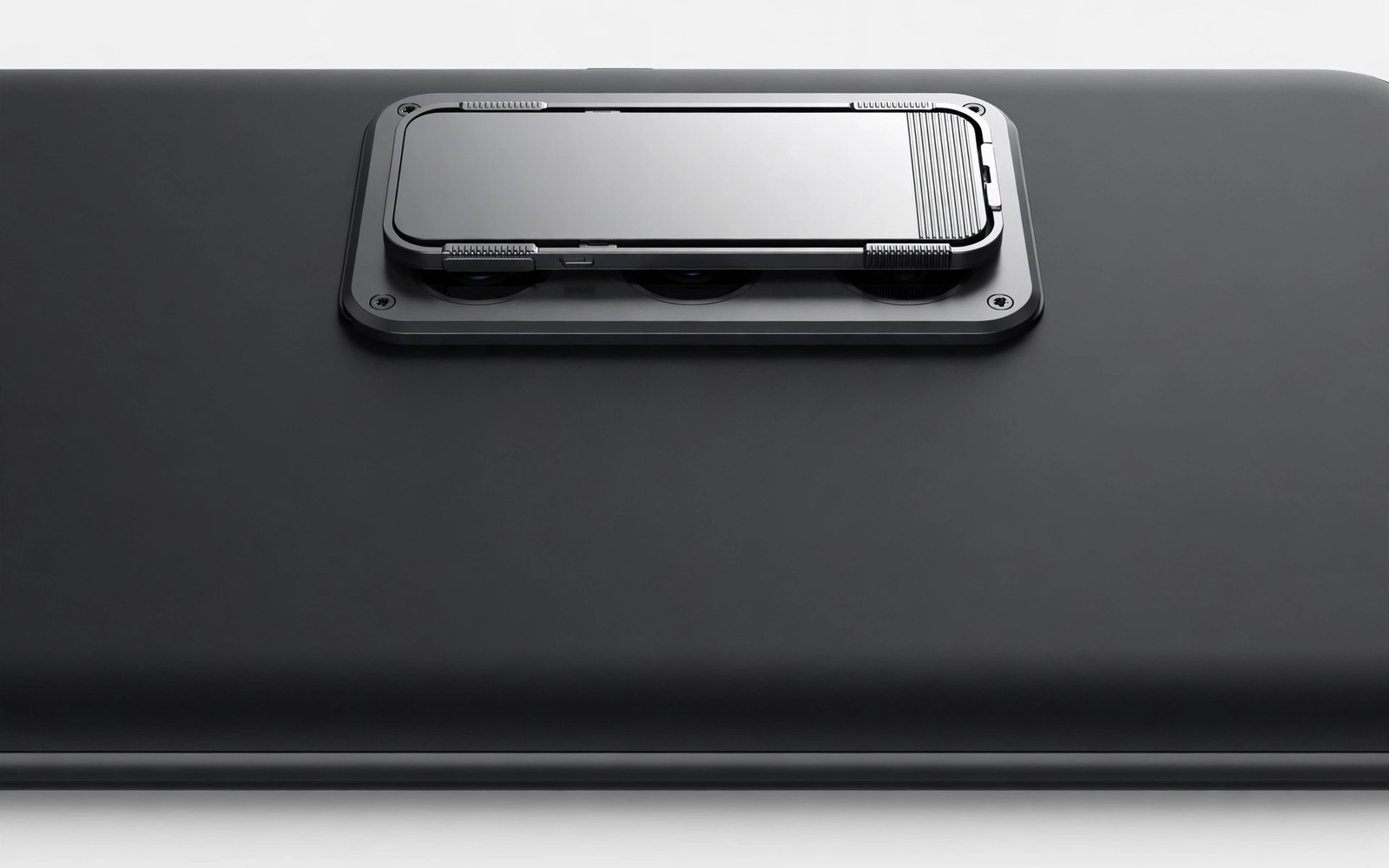
Phone camera lenses scratch easily. They sit proud of the phone back. They rub against tables and pocket grit daily. A tiny scratch can flare photos in bright light. A deep scratch can soften every image. Camera shield covers guard lenses against that daily wear.
Shields come in several forms. Sliding covers hide lenses behind a plate. Fixed rings raise a wall around lenses. Stick-on lens glass adds a sacrificial layer. Each form trades protection against photo quality differently. This guide compares them fairly. It also covers cleaning habits that matter most.
Lens care starts with understanding the risk. A lens is small and exposed. A case lip helps but it cannot stop pocket grit. A shield adds a physical barrier. For raised lip basics, see raised bezel designs that protect lenses and displays first.
How Lenses Get Damaged
Pocket grit is the main lens enemy. Sand and dust grains are harder than lens coatings. A grain dragged across a lens leaves a fine scratch. Keys and coins add deeper marks. A lens in a pocket without a case suffers most. A case back facing outward in a pocket suffers less.
Table contact adds wear over time. A phone laid on a rough table rests on its lenses. Each placement grinds grit into the lens surface. A raised case ring prevents most table contact. A phone without a case rests directly on lenses. That habit ages lenses fastest.
Fingerprints harm photos without scratching. Oily prints smear light across the lens. Night photos flare badly with a printed lens. A quick wipe before shooting fixes prints. A shield prevents prints from reaching lenses at all. Clean habits plus a shield give the best result.
Sliding Covers Compared
Sliding covers use a plate that moves over the lenses. Slide it shut for protection. Slide it open for photos. The mechanism adds bulk to the case back. It also adds a moving part that can wear. Good sliders feel firm and smooth. Cheap sliders feel loose and gritty.
Sliders guard lenses fully when closed. They block dust and prints completely. They also block accidental pocket shots. A closed slider prevents camera activation in a pocket. That saves battery and avoids stray photos. The benefit is practical as well as protective.
Sliders can trap dust when closed over a dirty lens. Dust trapped under a plate grinds during sliding. Wipe lenses before closing a slider after outdoor use. Check the slider track for grit monthly. A clean track slides smoothly for years. A gritty track scratches the plate and the frame.
Fixed Rings And Lens Glass
Fixed rings raise a wall around the camera module. They prevent table contact fully. They do not prevent pocket grit contact. Grit inside a pocket still reaches lenses through the ring opening. Rings suit table heavy users best. They suit pocket heavy users less well.
Stick-on lens glass covers each lens with a thin glass disc. The disc takes scratches instead of the lens. It adds almost no bulk. It can reduce photo quality slightly. Cheap lens glass flares in bright light. Quality lens glass with coatings flares less. Test night photos after fitting lens glass.
Lens glass needs clean fitting like screen glass. Dust under lens glass shows in photos. Alignment matters for flash performance. A misaligned disc can block the flash edge. That creates uneven lighting in dark shots. Fit lens glass carefully and test flash shots at once.
Photo Quality Effects
Any layer over a lens affects light slightly. Sliding covers affect nothing when open. They are the cleanest option for photo quality. Fixed rings affect nothing at all. They leave lenses fully open. Lens glass affects light the most. It adds reflections and flare risk.
Flare shows as bright streaks in night shots. Street lights and sun cause the worst flare. Quality coatings reduce flare but they cannot remove it fully. A bare lens flares least of all. Photographers should prefer sliders or rings. Casual shooters may accept lens glass trade offs.
Test photo quality after fitting any shield. Shoot a night scene with bright lights. Shoot a daylight scene with strong sun. Compare with shots taken before fitting. A shield that ruins night shots is not worth its protection. Swap to a slider or ring design if flare appears.
Cleaning And Daily Habits
Wipe lenses with a microfibre cloth before important shots. A quick wipe removes prints and dust. Keep a cloth in a pocket or a bag. A shirt hem works in an emergency. Rough fabric can scratch coatings over time. Soft cloths are always the safer choice.
Clean shield plates and rings weekly. Dust builds up around camera modules. A soft brush clears module edges well. Avoid compressed air at close range. Strong air can drive grit into lens gaps. Gentle brushing beats forceful blowing for lens care.
Store the phone lens side up in pockets when possible. A lens facing inward rubs against pocket seams less. A case with a closed slider guards either way. Habit plus hardware gives the best lens life. Neither alone matches both together.
- Wipe lenses with microfibre before important photos.
- Choose sliders for full protection with zero photo loss.
- Choose rings for table protection without photo trade offs.
- Test night flare after fitting any lens glass.
- Clean slider tracks monthly to prevent grit damage.
- Replace lens glass once it scratches visibly.
Choosing The Right Shield
Photographers should choose a sliding cover or a tall ring. Both keep lenses optically clear when shooting. Sliders add pocket protection. Rings add table protection. Either beats lens glass for image quality. Photo quality is the priority for this group.
Casual users may prefer stick-on lens glass. It is cheap and easy to replace. It guards against pocket grit well. It costs a little photo quality. Most daylight shots show no difference. Night shots show the difference most. Weigh your shooting mix before choosing.
Check case compatibility before buying a shield. A slider case must fit your exact model. Camera module shapes differ by model. A wrong module cutout blocks a lens or a flash. Model specific fit is essential for shields. Fingerprint sensor care after case changes is covered in how protectors interact with fingerprint scanners for full protection setup.
Flash Photography And Shield Alignment
Flash sits close to lenses on many phones. A shield that covers the flash edge ruins dark shots. Light scatters inside the shield material. That scatter creates a hazy glow across the image. A correctly aligned shield leaves the flash fully open. Check flash cutouts in product photos closely. A cutout that looks tight may still clip flash light. Test a dark flash shot right after fitting. An even flash means correct alignment. A hazy flash means refit or replacement.
Night mode photography amplifies shield flaws. Long exposures gather flare from any extra layer. A lens glass disc adds flare most visibly at night. A slider open adds no flare at all. Night photographers should avoid lens glass entirely. They should choose sliders or rings instead. Daylight shooters notice little difference between shield types. Shooting mix decides the right shield type. Night heavy users must prioritise optical clarity above all.
Macro photography also suffers from thick shields. Close focus shots magnify any layer imperfection. A scratched lens glass ruins macro detail. A clean bare lens captures macro best. Macro users should use sliders that open fully. A slider open leaves the lens bare for close work. That combination gives protection between shots and clarity during shots. It is the best workflow for detail photography.
Second Hand Value And Lens Condition
Lens condition affects resale value strongly. Buyers inspect lenses closely before paying. A scratched lens signals careless ownership. It also signals possible photo flaws. A shielded lens stays pristine for resale. Pristine lenses support higher asking prices. A shield costs little compared with resale loss. It is one of the best value investments for a phone. Keep lenses perfect from day one for maximum return.
Document lens condition with photos over time. A dated photo proves careful ownership. It also proves shield use from the start. Buyers trust documented care more than verbal claims. Store photos in a cloud album for easy sharing. A simple habit adds real resale value. It costs minutes across the whole ownership period.
Pair lens care with heavy-duty cases compared with slim covers for full resale protection. A shield guards lenses. A case guards the body and screen. Together they preserve the whole phone. A preserved phone sells faster and for more. Protection spending returns at resale time. That return justifies quality cases and shields easily.
Ultrawide lenses sit at module edges often. Edge lenses strike surfaces first in some falls. A camera ring must cover edge lenses fully. A ring that covers only central lenses leaves edges exposed. Check ring coverage in side photos carefully. Edge coverage matters most for ultrawide phones. A shield that misses an edge lens guards incompletely. Full module coverage is the only acceptable standard. Partial coverage is a design flaw rather than a compromise.
Selfie lenses need protection too despite facing forward. A face down phone rests on its screen side. A raised screen lip guards the selfie lens indirectly. A screen protector guards it directly. Selfie lens scratches soften video calls noticeably. They also haze front photos in bright light. Wipe the selfie lens before important calls. A quick wipe restores call clarity instantly. Front lens care is easy to forget. It matters as much as rear lens care for callers.
Microfibre cloth quality affects lens cleaning results. A thick plush cloth traps grit away from the lens surface. A thin worn cloth drags grit across the lens. Replace cleaning cloths once they feel rough. Wash cloths without fabric softener for best results. Softener leaves a film that smears lenses. A fresh cloth plus a gentle wipe keeps lenses pristine. That small habit protects every photo you take.
Lens shield checklist:
- Type: slider for photos, ring for tables, glass for cheap cover
- Fit: model specific module cutout exact
- Flare test: night scene with bright lights
- Flash test: dark shot, even lighting?
- Care: microfibre wipe, brush module weekly
- Replace: lens glass at first visible scratch
The steps above follow the approach described in the official developer documentation for device care and accessory testing. The guidance draws on standard lens care practice and everyday photography. Shields guard lenses best when paired with wiping habits. Choose the shield type that matches your shooting style.

