

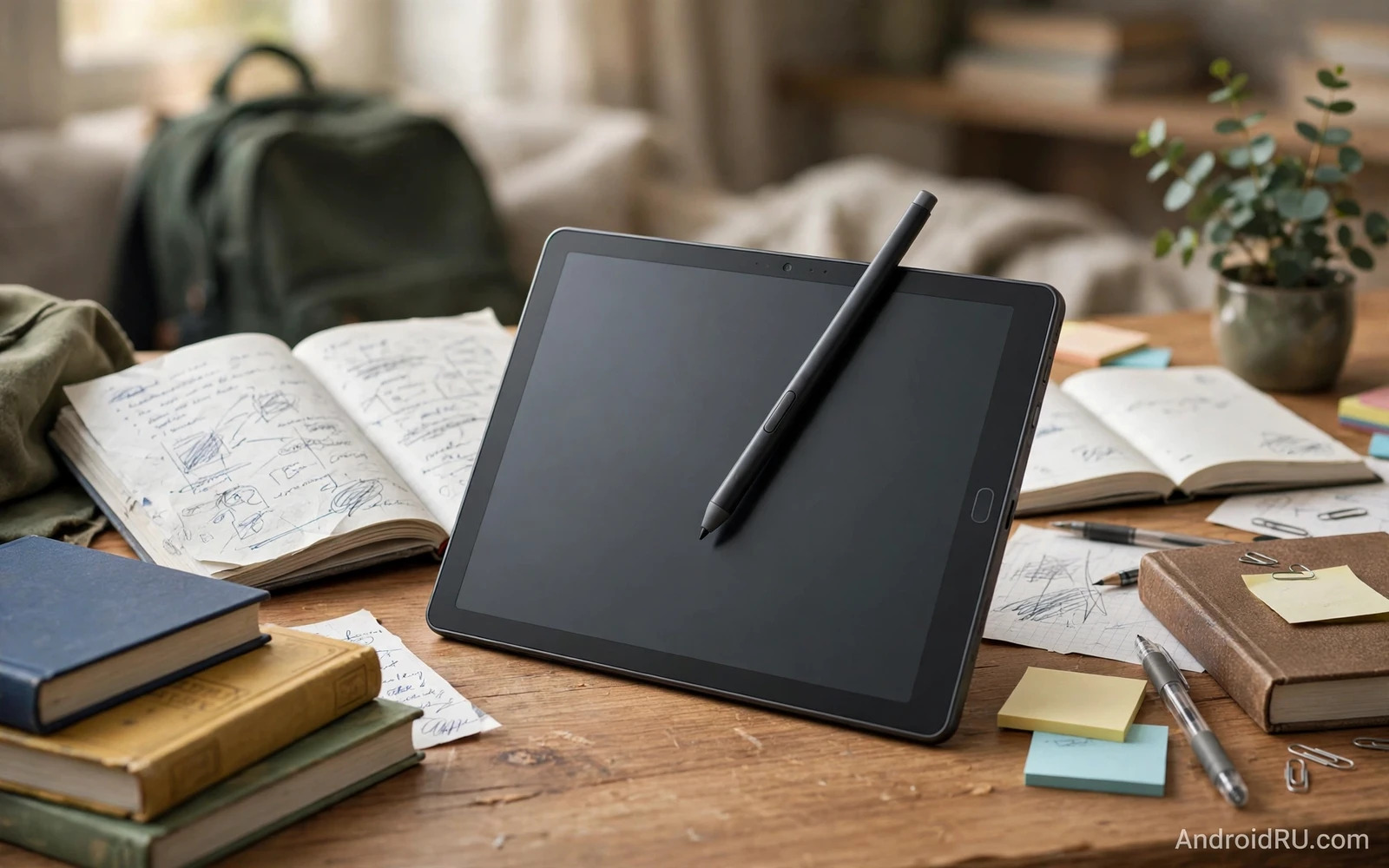
This guide to best Android tablets for students specs price notes compares screens and battery and note tools in plain terms.
A student tablet must handle notes and reading and video calls and research without constant charging. The best Android tablets for students specs price and notes guide focuses on practical student life rather than showroom specs. It covers screen size and battery and note apps and keyboard options. It also covers price tiers that fit student budgets. A good student tablet reduces paper clutter and keeps study material in one place. A poor student tablet adds frustration to every lecture.
Start with your subjects before you compare tablets. A science student may need a large screen for diagrams and PDFs. A writing student may need a good keyboard and a clean note app. An art student may need a precise stylus and accurate colours. A general student may need a balanced tablet for reading and video and light notes. Your subjects decide screen size and stylus need and storage need. A tablet that fits your course will earn its price daily.
Budget shapes student choices more than any other factor. A low price tablet can cover reading and notes and video well. A mid price tablet adds a better screen and longer support and stronger performance. A high price tablet adds premium build and stylus quality and accessory depth. Spend where your course gains most. Save where your course gains least. A wise student budget buys usefulness and not prestige.
Screen Size And Reading
Screen size is a balance between reading comfort and bag weight. A small tablet fits easily in a bag and works well for reading on the move. A medium tablet suits split view notes and slides side by side. A large tablet suits drawing and large PDFs but adds weight and cost. Try to imagine carrying the tablet across campus all day. A tablet that stays at home because it feels heavy helps no one.
Screen quality matters for long reading sessions. A sharp screen renders small text cleanly in textbooks and articles. A bright screen helps in sunny libraries and outdoor study spots. A screen with good colour helps diagrams and maps and art references. A screen with low brightness will strain eyes during long sessions. Judge screen quality by reading a real textbook page for several minutes.
Eye comfort tools help during exam season. Dark mode and blue light filters and adjustable brightness reduce strain at night. A matte protector can cut glare in bright rooms. A stand can lift the screen to a natural eye height. These small tools matter more than raw screen specs during long study weeks. Comfort tools turn a tablet into a sustainable study device.
Notes Stylus And Keyboards
Note taking is the heart of student tablet use. A good note app syncs across phone and tablet and laptop. A good note app supports handwriting and typing and PDF annotation in one place. A good note app exports notes in standard formats for sharing and backup. A weak note app traps notes inside one system. Choose a tablet whose note ecosystem matches your other devices.
Stylus quality varies widely across Android tablets. A precise stylus with low lag feels like pen on paper. A coarse stylus with high lag feels like drawing with a blunt tool. Pressure sensitivity helps art students and handwriting fans. Palm rejection prevents stray marks while writing. If handwriting matters then test the stylus in a shop with real writing. If typing matters more then spend on a keyboard instead.
Keyboards turn a tablet into a writing machine for essays and reports. A good keyboard case adds protection and a stable typing angle. A separate Bluetooth keyboard adds flexibility across devices. A poor keyboard case adds bulk and wobble and typing errors. Students who write long essays should test typing comfort early. Readers who also weigh phone battery life may like Top Phones with Longest Battery Runtime Tested Side-by-Side because a phone that lasts long supports a tablet study setup through long campus days. Together a lasting phone and a useful tablet cover a full study day.
Specs That Matter For Students
Performance for students means smooth multitasking rather than gaming power. A tablet should switch between browser and notes and video calls without stutter. A tablet should open large PDFs quickly and keep many tabs alive. A mid range processor with ample memory usually covers student work well. A weak processor with little memory will lag under normal study loads. Judge performance by multitasking and not by gaming scores.
Storage matters because course material grows fast. Lecture slides and PDFs and videos and recordings add up across semesters. A tablet with expandable storage offers cheap growth. A tablet with only fixed storage demands careful management. Cloud storage helps but needs internet access. A student who works offline should favour larger local storage or a memory card slot.
Battery life matters because campus days run long. A tablet that lasts a full day of lectures and study removes charger anxiety. A tablet that dies by midday forces bag weight and outlet hunting. Battery claims assume light use so read real day reports. A tablet with strong battery and fast charging forgives a forgotten overnight charge. That forgiveness matters during busy exam weeks.
Price Tiers In Plain Terms
Low price tablets suit reading and notes and video for students on tight budgets. They may use simpler screens and slower processors. They may receive shorter software support. They still cover core student tasks well when chosen carefully. Look for a clean system and a decent screen and a strong battery in this tier. Avoid tablets with very little memory or very dim screens.
Mid price tablets suit most students best. They offer better screens and smoother performance and longer support. They often support better styluses and keyboard cases. They balance cost and longevity well. A mid price tablet can last through a full degree with care. This tier is the sweet spot for many courses and many budgets.
High price tablets suit art and design and heavy media students. They offer premium screens and precise styluses and rich accessories. They also offer longer support and stronger build. They cost more but they may replace a laptop for some students. Only choose this tier when your course truly uses the premium strengths. Otherwise the extra cost buys little daily gain.
Mistakes To Avoid
One mistake is buying the largest screen and ignoring bag weight. Another mistake is buying a cheap tablet with too little memory for multitasking. A third mistake is ignoring note app sync across devices. Notes that live only on one tablet can vanish with one fault. Always check sync and export options before you commit to a note system.
Another mistake is buying a stylus that does not match the tablet. Some styluses work only with certain models. Another mistake is ignoring software support length. A tablet that stops receiving updates early may lose app support during your degree. Another mistake is forgetting accessory cost. Cases and keyboards and styluses add up and should sit inside the total budget.
A final mistake is choosing a tablet as a laptop replacement without testing your workflow. Some courses need desktop software that tablets cannot run well. Test your key apps on a tablet before you rely on it fully. A tablet that complements a laptop often serves students better than a tablet that tries to replace one badly.
How To Choose
Shortlist three tablets across your budget range. Compare them on screen and battery and note support and total accessory cost. Ignore gaming power unless your course needs it. Read student reports about real campus use and real battery days. Then choose the tablet with the fewest serious weaknesses for your subjects. A balanced tablet will serve every semester better than a flashy tablet.
Set the tablet up for study from day one. Install your note app and sync it and organise folders by subject. Add your reading apps and your cloud storage and your calendar. Set up a backup routine for notes and assignments. A tidy setup from day one prevents chaos during exam season. Good organisation is part of the tablet value.
Your final tablet should feel like a quiet study partner. It should open fast and last long and keep notes safe. If you also compare foldable phones for notes on the move then Best Foldable Phones Comparison: Flip Style vs Fold Style offers a different take on portable screens. A foldable phone can complement a tablet for quick notes. Together they cover both pocket reading and desk study with ease.
Study Audio And Focus
Study audio covers lectures and language practice and focus music. A tablet with clear speakers helps group study sessions. A tablet with clean headphone output helps solo study in libraries. A tablet that pairs easily with earbuds helps commutes and gym study breaks. Audio quality rarely leads tablet marketing but it shapes study comfort daily. Judge speakers and headphone output with real lecture audio before you buy.
Focus tools on a tablet can reduce distraction during study. Focus modes can silence social apps while keeping notes and timers active. App timers can limit endless scrolling during study blocks. A tablet that supports focus well will protect study time better than a tablet with raw power alone. Set focus rules on day one and keep them strict during term time. A disciplined tablet is a powerful study partner.
Good earbuds complete a study setup for lectures and language work. They block library noise and keep lecture audio private. They also let students review recordings on a bus or a walk. That is why Wireless Earbuds Showdown: Sony vs Bose vs Samsung deserves a place in a student buying plan. It compares noise control and fit and call quality across three strong brands. A matched tablet and earbuds pair covers both silent reading and spoken learning.
Backup habits protect student work better than any single device feature. Notes and essays should sync to cloud storage automatically. Assignments should export in standard formats for submission. A weekly backup check takes minutes and prevents disaster before deadlines. A tablet that syncs cleanly earns trust across semesters. A tablet that traps work in one app creates risk that grows with every assignment.

