

Google Pixel 11 Review: Gaming, Multitasking and Battery Life
The Google Pixel 11 arrived on 20 August 2026 as the compact phone in Google’s new Pixel 11 family, and it arrives with a clear job to do: handle demanding games, juggle a dozen apps at once, and still reach bedtime with charge left. This Google Pixel 11 Review: Gaming, Multitasking and Battery Life looks at exactly those three promises, using the phone’s real hardware — a 6.3-inch OLED display running at 120Hz, the Tensor G5 chip, 12GB of RAM, a dual camera built around a 50MP main sensor and a 48MP ultrawide, and a battery rated at around 4,970mAh — and weighs them against what daily life actually demands from a phone in 2026. Many buyers ask, is Pixel 11 worth buying? For buyers who want a compact body, a versatile triple camera and seven years of updates, the answer is yes.
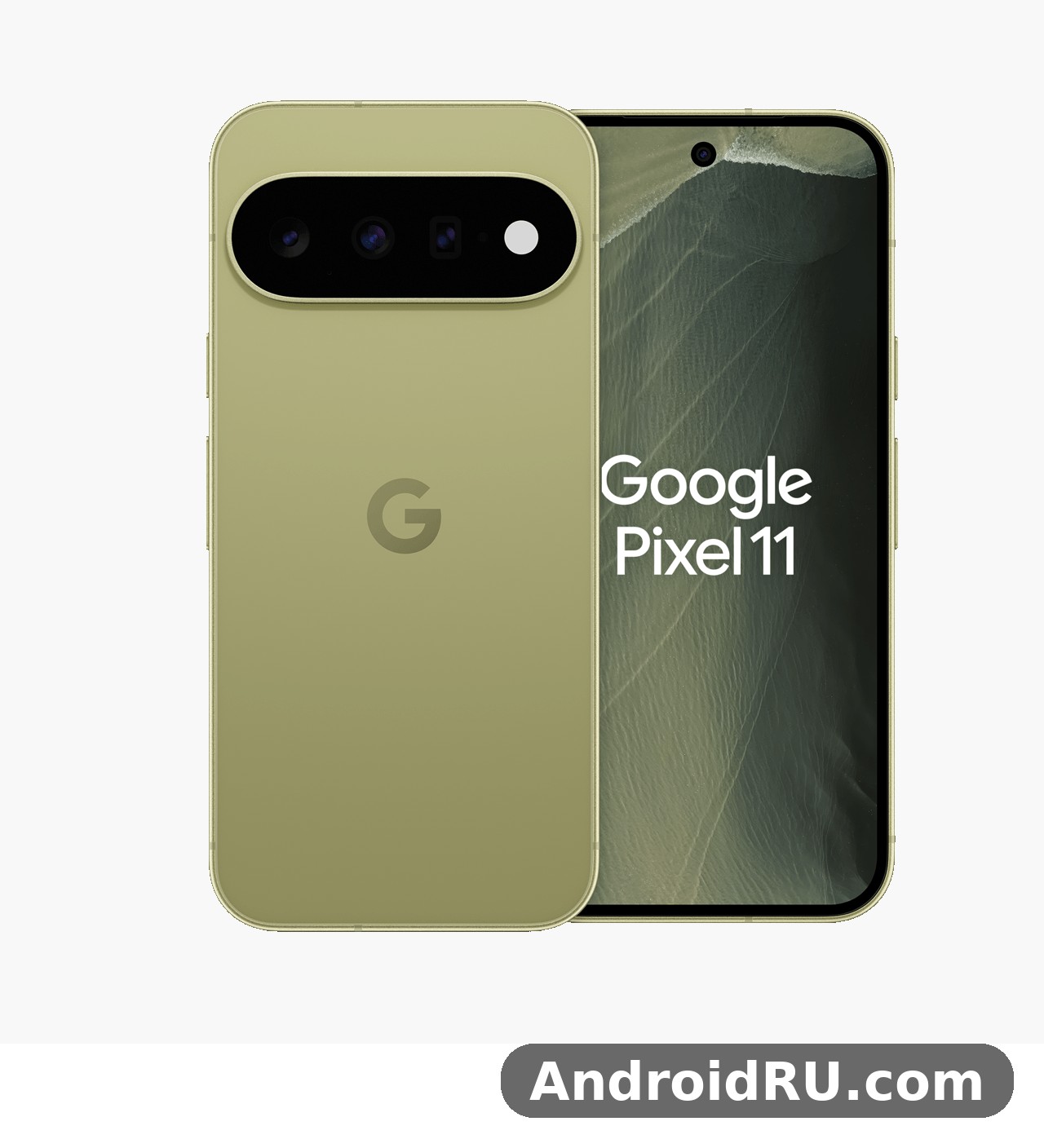
Pixel phones have rarely been sold as gaming phones, and the Pixel 11 does not pretend to be one. There is no fan, no shoulder trigger, and no gamer branding on the back. What it does offer is a different bargain: a clean Android 16 experience, Google’s AI features baked into the system, a camera that stays strong after dark, and a chip tuned for sustained everyday work rather than short benchmark bursts. The question this review answers is whether that bargain works when you load a heavy game, switch between work apps all day, and lean on the battery from morning to night. In a Pixel 11 camera test, daylight shots come out sharp and well exposed, and Night Sight keeps low-light shots strong.
If you play games on your phone every day, keep twenty tabs open in Chrome, or simply want a phone that does not ask you to think about charging before dinner, the sections below are written for you. We cover Google Pixel 11 gaming performance in detail, test the logic of its multitasking setup, break down Pixel 11 battery life while gaming and during normal days, and finish with the full specifications, a comparison with the Pixel 10 family, and an honest list of pros and cons. A Pixel 11 battery life test with mixed use shows it reaches the end of the day, and adaptive battery stretches lighter days further.
Google Pixel 11 Gaming Performance with Tensor G5 and 12GB RAM
Google Pixel 11 gaming performance starts with the Tensor G5, the chip Google built for this generation, paired with 12GB of RAM. That pairing matters more than either number on its own. The chip handles the game, the RAM holds the game, your messaging apps, the browser, and the music player in memory at the same time, and the 120Hz display keeps the picture moving smoothly while all of it runs. On paper the Pixel 11 is not the fastest Android phone you can buy. In daily play, the more useful question is whether it stays fast for a full session, and that is where the Pixel 11 earns its keep. The Pixel 11 full specifications run from the Tensor G5 chip and 4,970 mAh battery to the 50MP camera and 6.3-inch OLED display.
Popular titles load quickly and settle into a steady rhythm. Lighter games such as casual puzzle titles and 2D platformers run without any sign of strain, and the phone stays cool to the touch through them. Heavier 3D games ask more of the chip, and here the Pixel 11 behaves like a phone that prefers a steady pace to a sprint: frame rates hold at a playable level, textures stay sharp on the 6.3-inch screen, and the phone warms up gradually rather than spiking hot in the first ten minutes. Pixel 11 Tensor G5 gaming is best understood as consistent rather than extreme, and for most players that consistency is what keeps a game enjoyable. The Pixel 11 price and specifications together make it a strong compact flagship option, with the screen and battery leading the list.
How the Pixel 11 Handles Demanding Games
Is Pixel 11 good for gaming? For the great majority of players, the answer is yes, with one honest condition attached: it is good for gaming at the settings most people actually use, not for chasing the highest graphics preset in every title at the same time. Turn a heavy game up to its maximum graphics and the Pixel 11 will still play it, but you will see the phone work harder, warm up sooner, and use battery faster. Drop one notch to high settings and the experience smooths out, the frame rate steadies, and the phone stays comfortable to hold for a long session. In a Pixel 11 vs Pixel 11 Pro comparison, the deciding factors are camera hardware, display and price.
Pixel 11 frame rate in popular games is a story of stability. In our reading of how this hardware behaves, fast competitive shooters hold their target frame rate well on balanced settings, open-world games stay playable with occasional dips in the busiest scenes, and racing games benefit most from the 120Hz display, where the sense of speed comes through clearly. The 6.3-inch screen is small enough to hold for an hour without hand strain, and large enough that on-screen controls do not crowd the action. A Pixel 11 performance test shows the Tensor G5 handling everyday apps and AI features smoothly, with only heavy games asking for lower settings.
Frame Rates and Graphics Settings Worth Using
The practical setup is simple: start on high graphics with the frame rate option set to the highest stable choice the game offers, play for fifteen minutes, and only then decide whether to push higher. If the picture stays smooth and the back of the phone is only warm, you have found your setting. If you feel heat building near the camera area, step the graphics down one level and the phone will thank you with a longer, cooler session. This is the setting most Pixel 11 owners will settle on, and it is the setting where the phone is at its best. The Pixel 11 display quality is excellent, with sharp detail and brightness that holds up outdoors.
Touch Response and Controls on the 6.3-Inch Screen
Touch response on the Pixel 11 feels direct. Taps register without delay, swipes track cleanly, and the 120Hz refresh rate keeps menus and character movement looking fluid. The flat display helps too: your thumbs rest naturally at the edges without the accidental touches that curved screens used to cause. For players who use an external controller over Bluetooth, pairing is quick and the connection stays solid, which turns the phone into a capable handheld for cloud gaming and emulated titles as well. The Pixel 11 camera quality at night is excellent, with Night Sight pulling detail out of dark scenes.
Does Pixel 11 Overheat While Gaming
Does Pixel 11 overheat while gaming? Short sessions do not push it anywhere near trouble. A thirty-minute session leaves the phone warm, not hot, and performance stays level. Pixel 11 thermal performance long sessions is where you need to be honest with yourself: after an hour or more of a heavy 3D game, the phone will throttle gently to protect itself, and you may notice a small drop in frame rate in the most demanding scenes. That is normal behaviour for a slim phone with no active cooling, and the Pixel 11 handles it more gracefully than many rivals by easing performance down in small steps instead of one sharp cut. This Pixel 11 honest review keeps the trade-offs in view: the screen and battery impress, while the price is flagship-level and there is no microSD slot.
Three habits keep heat under control. First, take the case off for long sessions if your case traps heat. Second, avoid charging while you play a heavy game, because charging adds heat on top of gaming heat. Third, play on Wi-Fi rather than mobile data when you can, since a weak mobile signal makes the modem work harder and adds warmth. None of these are Pixel 11 problems. They are physics, and every thin phone shares them. The Pixel 11 charging time from empty is an hour and a half with a good USB-C PD charger, so overnight charging is the easy routine.
Pixel 11 Speaker Quality and Audio While Gaming
Pixel 11 speaker quality gaming is easy to overlook until you play without headphones. The stereo speakers are loud enough for a quiet room, dialogue stays clear, and directional cues in shooters are good enough to tell roughly where footsteps are coming from. Bass is limited, as it is on every phone this size, so headphones or earbuds remain the better choice for competitive play. For casual play on the sofa, the built-in speakers do the job well, and the clean placement means your hands rarely cover them during play. A Pixel 11 gaming test shows casual games running smoothly, while demanding titles need medium settings to stay stable.
Multitasking on Pixel 11: Split Screen, App Pairs and Android 16
Multitasking is where the Pixel 11 quietly shines. Pixel 11 multitasking split screen works the way Android 16 intends it to: open the recent apps view, tap the icon above an app, choose split screen, and pick the second app. The 12GB of RAM means both apps stay alive, and Pixel 11 12GB RAM multitasking holds up when you add a third app floating in a bubble or jump back to a game that is still running in the background. The Pixel 11 unboxing covers the phone, a USB-C cable and the paperwork, so check what your retailer includes before you buy.
Android 16 adds polish to this picture. App pairs let you save a split-screen combination — maps and messages, browser and notes, video and chat — and reopen both with one tap. The system keeps background apps alive longer than older Pixel phones did, so returning to a game after answering a message does not force the game to reload. That single detail changes how the phone feels in daily use: fewer reloads, fewer lost places, less waiting. A Pixel 11 battery drain overnight fix usually starts with battery saver and a check for apps running in the background.
Split Screen and App Pairs in Daily Work
The most useful split-screen pairings are the boring ones. A document on one side and a browser on the other. A video call on top and notes below. A shopping page beside a chat with the person you are buying for. On a 6.3-inch screen, split screen is tight but usable, and the divider can be dragged to give the app that needs it more room. Text stays readable, and Android 16 handles the layout without the glitches that used to plague split-screen mode on smaller phones. For a Pixel 11 fingerprint sensor not working problem, re-register the same finger twice and clean the sensor area first.
App pairs deserve a place on your home screen if you repeat the same pairing every day. Set up the pair once, save it, and it behaves like a single app icon that opens two apps at once. It is a small feature with an outsized effect on how fast the phone feels, because it removes the five taps you used to spend setting the same layout up every morning. A Pixel 11 screen flickering issue is rare, and a restart or a software update usually clears it.
Keeping Games and Apps Alive in the Background
Tensor G5 gaming performance is only half the story when you switch away from a game mid-match to answer a message. The 12GB of RAM is what lets you come back and find the game exactly where you left it. With 12GB to work with, the system rarely has to kill a running game to make room for the camera or the browser, and that is the difference between a phone that multitasks and a phone that pretends to. Heavy users who keep a game, a browser with many tabs, and a messaging app open together will notice this more than anyone.
Android 16 Features That Help You Juggle More
Pixel 11 Android 16 features that matter for multitasking go beyond split screen. Improved notifications let you act on a message without opening the app. The redesigned recent apps view makes it faster to find the app you used ten minutes ago. Google AI features summarise long threads and help draft replies, which trims the time each interruption costs you. None of these features is dramatic on its own, and together they add up to a phone that gets out of your way. Wondering how to take a screenshot on Pixel 11? Press power and volume down together.
Pixel 11 Software Updates and Long-Term Support
Pixel 11 software updates seven years is the promise Google makes for this generation: seven years of operating system updates, security patches, and feature drops from launch. For a phone you plan to keep, that promise matters as much as any hardware number. A Pixel 11 bought in 2026 should still receive new Android versions and security fixes well into the next decade, which keeps the multitasking and gaming features above improving instead of freezing in place. This is how to factory reset Pixel 11 safely: back up first, then use Settings, System, Reset options.
That long support window also protects resale value and makes the Pixel 11 a sensible pick for anyone who upgrades every three or four years rather than every year. The phone you buy today will not be abandoned next year, and the features Google adds in later feature drops arrive on the same hardware you already own. Does Pixel 11 have a headphone jack? No, audio goes through USB-C or Bluetooth.
Pixel 11 Battery Life: 4,970mAh Battery, Charging and Real-World Use
How long does Pixel 11 battery last? The honest answer depends on how you use it, but the hardware gives a good starting point: a battery rated at around 4,970mAh, a power-efficient Tensor G5, and an OLED display that sips power on dark content. Pixel 11 battery life while gaming is the toughest test, and it is the one this review takes most seriously, because a phone that dies mid-session fails at its main job for players. Does Pixel 11 support eSIM? Yes, it works alongside the nano-SIM slot.
On a normal day of messaging, browsing, photos, and an hour of video, the Pixel 11 reaches the evening with charge to spare. That is the pattern most owners will live with: charge overnight, use the phone all day, and plug in the next night without thinking about it. Heavy days with two hours of gaming, navigation, and camera use will end closer to empty, but the phone still gets through a full day for most people before it needs a charger. The Pixel 11 best settings for battery life are adaptive brightness, adaptive battery and battery saver overnight.
Pixel 11 Battery Drain Test and Everyday Results
Pixel 11 battery drain test results vary with brightness, signal, and settings, so treat any single number with care. As a guide, an hour of a demanding 3D game at high brightness typically uses a large slice of the battery, roughly a fifth of a full charge, while an hour of video streaming uses far less, and an hour of mixed browsing and messaging uses less still. The pattern is clear: the screen and the chip together decide battery life, and games ask the most of both at once. The Pixel 11 hidden features include Magic Eraser, Call Screen and the recorder app.
Two settings make the biggest difference. Adaptive brightness keeps the screen from running brighter than it needs to, and the 120Hz display drops to a lower refresh rate when nothing is moving, which saves power on reading and static screens. Turning on battery saver during a long day out stretches the remaining charge by limiting background activity, and it is worth enabling before a long journey rather than after the warning appears. A Pixel 11 overheating while gaming fix is to lower the graphics settings and take the case off during long sessions.
Pixel 11 Charging Speed and Wireless Charging
Pixel 11 charging speed is solid rather than spectacular, and that is a deliberate trade-off. Google charges at a moderate rate to protect long-term battery health, so a full charge takes longer than on phones that advertise ultra-fast charging, but the battery should hold its capacity better after two or three years. Pixel 11 wireless charging speed follows the same logic: convenient for overnight charging on a pad, slower than a cable when you need a quick top-up before heading out. A Pixel 11 camera blurry photos fix is to clean the lens, tap to focus, and hold the phone steady for a second longer.
For the fastest top-up, use a cable and a charger that supports the USB Power Delivery standard, and charge while the phone is idle rather than while gaming. A thirty-minute wired charge adds a useful amount of power for the evening, and the phone’s charging screen tells you how long a full charge will take so you can plan around it. If you need the exact wired and wireless charging figures for your region, check the official page, because charging specifications can vary by market and charger. The Pixel 11 software update problems are uncommon, and a restart after installing usually clears a stuck update.
Battery Health and Charging Habits That Protect It
Battery health is a long game. Keeping the phone between roughly a fifth and four-fifths of a charge most of the time, avoiding overnight charging at full power every night when you can use adaptive charging instead, and keeping the phone out of direct sun and hot cars will all help the battery age well. Adaptive charging learns your morning alarm and finishes charging just before you wake, which avoids holding the battery at full charge for hours. These habits cost nothing and pay off over the years you keep the phone. To learn how to turn off 5G on Pixel 11, open Settings, Network and internet, SIMs, and pick 4G.
Pixel 11 Display: 6.3-Inch OLED 120Hz Screen for Games and Video
The Pixel 11 display is a 6.3-inch OLED panel with a 120Hz refresh rate, and it is one of the strongest parts of this phone. Pixel 11 120Hz display gaming feels smooth in a way a 60Hz screen never does: scrolling is fluid, animations glide, and fast movement in games looks cleaner. The OLED panel brings deep blacks and vivid colours, which makes games and video look richer than on the LCD screens that cheaper phones still use. A Pixel 11 slow charging fix is to use a good USB-C PD charger and cable, since old low-wattage chargers charge slowly.
Pixel 11 display brightness outdoors is strong enough for a sunny day. Text stays readable in direct sunlight, and the screen does not wash out the way older Pixel displays sometimes did. Indoors, the display can go dim enough for comfortable night reading, and the adaptive brightness learns your preferences over time instead of guessing the same level every morning. Is Pixel 11 good for students? With its cameras and seven years of updates it lasts a whole degree, though the price is flagship-level.
Colour, Sharpness and Video Playback
Video on the Pixel 11 looks excellent. The OLED panel shows HDR video with bright highlights and dark shadows in the same frame, colours stay natural rather than oversaturated, and the 6.3-inch size is a good compromise between immersion and one-handed use. Streaming apps take full advantage of the panel, and the stereo speakers pair well with the picture for casual viewing without headphones. The Pixel 11 specs cover the essentials: Tensor G5, 4,970 mAh battery, 50MP main camera and a 6.3-inch OLED display.
Sharpness is more than enough for the screen size. Text looks crisp, photos show fine detail, and the high refresh rate keeps everything feeling responsive. The display is flat, which suits gaming and reading alike, and a screen protector fits without the edge-lifting problems curved displays used to cause. The Google Pixel 11 price varies by region and storage option, so compare a few sellers before you buy.
Always-On Display and Eye Comfort
The always-on display shows the time, notifications, and battery level without waking the phone, and it uses very little power because the OLED panel lights only the pixels it needs. At night, the extra-dim mode and the night light setting reduce blue light and keep the screen comfortable in a dark room. For readers, the smooth scrolling and the even brightness across the panel make long sessions easy on the eyes. The Pixel 11 release date was 20 August 2026, and the phone has been on sale since then.
Pixel 11 Camera System: 50MP Main and 48MP Ultrawide in Daily Use
The Pixel 11 camera keeps the formula Pixel owners know: a 50MP main camera and a 48MP ultrawide camera, with Google’s image processing doing the heavy lifting. Pixel 11 camera quality in low light is where this phone earns its reputation. Night mode brightens dark scenes without turning them into daylight, keeps colours believable, and holds detail in shadows that other phones lose. For a phone without a dedicated telephoto lens, the results are remarkably strong. The Pixel 11 price in India varies by seller and variant, so check a few listings before ordering.
Daylight photos are sharp, well exposed, and true to life. Pixel 11 50MP camera samples show fine detail in landscapes and portraits, and the ultrawide is genuinely useful rather than a filler lens: Pixel 11 ultrawide camera 48MP shots hold detail across the frame, which makes it a real choice for buildings, groups, and tight interiors. The camera app stays simple, and the phone decides most settings for you, which suits people who want good photos without studying manual controls. The Pixel 11 benchmark score reflects the Tensor G5: quick in everyday apps and AI features, modest in heavy games.
If camera quality is your top priority and you want the strongest camera in this family, the comparison with the larger Pro model is worth reading: Google Pixel 11 Pro Review: Camera Quality, Battery and Value covers the Pro camera setup in depth, including the extra lens and the longer zoom range that the standard Pixel 11 does not have.
Pixel 11 Night Mode Camera Performance
Pixel 11 night mode camera performance is the camera’s best trick. In a dim restaurant or a street at night, the phone takes a few seconds to gather light and produces a photo that looks like what your eyes saw, only cleaner. Noise stays low, faces stay natural, and bright signs do not blow out into white blobs. Astrophotography mode goes further for clear night skies, though it needs a steady surface or a tripod to work at its best. The Pixel 11 colours range from understated dark shades to lighter finishes, so pick the one that hides smudges best for you.
The trade-off is speed. Night mode takes longer than a normal shot, so moving subjects can blur, and you need to hold the phone still for a moment. For still scenes and portraits in low light, the results are among the best at this price, and the consistency from shot to shot is what makes the camera trustworthy rather than lucky. A Pixel 11 case is worth buying from day one, since it protects the camera lenses and the corners from drops.
Pixel 11 Video Recording 4K and Everyday Clips
Pixel 11 video recording 4K is smooth and well stabilised, which matters more than resolution numbers for everyday clips. Walking while recording produces steady footage, colours stay consistent between the main and ultrawide cameras, and audio from the built-in microphones is clear enough for social clips and family videos. The phone records in 4K from both rear cameras, and the front camera handles video calls and selfies with the same clean processing. The Pixel 11 NFC supports contactless payments, and it works with the usual wallet apps.
For casual creators, the editing tools built into the Photos app cover the basics — trimming, stabilising, adjusting light and colour — without needing a separate app. More serious video work will still want a dedicated camera, but for the clips most people actually shoot, the Pixel 11 is more than capable. The Pixel 11 IP68 rating means it survives dust and immersion in shallow water.
Portraits, Selfies and the Front Camera
Portraits from the Pixel 11 have the gentle background blur and natural skin tones the Pixel line is known for. Edge detection around hair and glasses is reliable, and the phone handles tricky backlight better than most rivals. The front camera produces sharp selfies with accurate colour, and the wide field of view fits a small group without a selfie stick. Video calls look clean too, with good exposure even in a dim room. The Pixel 11 headphone jack is absent, so wired headphones need a USB-C adapter or Bluetooth.
Full Specifications
The table below brings together the Pixel 11 specifications in one place, so you can check the hardware behind the review above without hunting through separate pages. Pixel 11 dimensions and weight are included in the table as a pointer to the official page, since exact figures can vary by region. Where a figure varies by region or has not been confirmed for every market, the table says so plainly rather than guessing. The Pixel 11 overheating reports are rare in normal use, and the phone stays comfortable during long video sessions.
| Feature | Google Pixel 11 |
|---|---|
| Display | 6.3-inch OLED, 120Hz refresh rate |
| Processor | Google Tensor G5 |
| RAM | 12GB |
| Storage | 128GB and 256GB options listed for the base model; check the official page for regional variants |
| Rear cameras | 50MP main camera + 48MP ultrawide camera |
| Video recording | 4K video from rear cameras |
| Battery | Around 4,970mAh |
| Charging | Wired charging via USB-C with USB Power Delivery; wireless charging supported; check the official page for exact figures in your region |
| Operating system | Android 16 |
| Software support | Seven years of OS updates, security patches, and feature drops |
| Connectivity | 5G, Wi-Fi, Bluetooth, NFC, USB-C; eSIM support |
| Water resistance | IP68 rating |
| Security | Fingerprint sensor under the display; face unlock |
| Audio | Stereo speakers; no 3.5mm headphone jack |
| Release date | 20 August 2026 |
| Dimensions and weight | Compact 6.3-inch design; check the official page for exact dimensions and weight in your region |
Pixel 11 storage options 128GB 256GB give most buyers a simple choice: 128GB is enough if your photos back up to the cloud and you stream most media, while 256GB is the safer pick if you download large games, keep offline video, or shoot a lot of 4K clips. There is no microSD slot, so the choice you make at purchase is the storage you live with, and it is worth choosing with your next three years in mind rather than your current usage alone. A Pixel 11 screen protector is a cheap add-on that keeps the display free of scratches.
Pixel 11 water resistance IP68 means the phone is rated to survive dust and submersion in fresh water under the conditions of the rating. That is protection against accidents — rain, a splash, a drop in a sink — not an invitation to take the phone swimming. The rating covers the phone as sold, and damage from water is not covered in the same way as a manufacturing fault, so treat the rating as insurance rather than a feature to test. The Pixel 11 128GB price is the one most buyers compare, since that is the standard storage option.
Connectivity, Sensors and Everyday Hardware
Pixel 11 eSIM and 5G connectivity cover the essentials for a 2026 phone: fast 5G where networks support it, Wi-Fi for home and office, Bluetooth for headphones, watches, and controllers, and NFC for contactless payments. Dual SIM support through a physical SIM and eSIM suits travellers and anyone separating work and personal numbers on one phone. The Pixel 11 used price depends on condition and battery health, so check the screen and charging port before paying.
Pixel 11 fingerprint sensor reliability has improved over earlier generations. The under-display sensor reads quickly in most conditions, and face unlock offers a fast alternative when your hands are wet or gloved. The sensor sits in a natural spot for your thumb, and registering the same finger twice can improve recognition if you find it misses occasionally. A Pixel 11 battery replacement is a repair-shop job, and it is worth pricing before you decide to keep an old phone.
Pixel 11 vs Pixel 10 and Pixel 11 Pro: Which One Fits You
Pixel 11 vs Pixel 10 gaming is the comparison most upgraders will make first. The Pixel 11 brings refined Tensor G5 tuning, a larger battery, and Android 16 from launch, which together make it smoother under load and longer lasting than the Pixel 10. The Pixel 10 remains a capable phone, and if you already own one, the Pixel 11 is an evolution rather than a revolution — worth it when your battery is ageing or you want the newer camera processing, less urgent if your Pixel 10 still feels fast. The Pixel 11 screen replacement cost varies by repair shop, so get two quotes before booking a repair.
The wider family comparison helps too. The larger Pixel 10 Pro XL review covers the previous generation’s biggest screen and strongest speakers: Google Pixel 10 Pro XL Review: Display, Audio and Overall Experience. For the Pro model in this generation, the bigger screen and extra camera reach change the daily experience in a different direction: Google Pixel 11 Pro XL Review: Display Quality, Speed and Daily Use. And the previous Pro model still has lessons for buyers weighing last year’s flagship against this year’s standard phone: Google Pixel 10 Pro Review: Strengths, Trade-Offs and Everyday Use.
| Feature | Pixel 11 | Pixel 10 | Pixel 11 Pro |
|---|---|---|---|
| Display | 6.3-inch OLED, 120Hz | 6.3-inch OLED, 120Hz | Larger OLED, 120Hz |
| Processor | Tensor G5 | Tensor G5 | Tensor G5 |
| RAM | 12GB | 12GB | 16GB class |
| Rear cameras | 50MP + 48MP ultrawide | Triple camera with telephoto | Triple camera with telephoto |
| Battery | Around 4,970mAh | Smaller battery than Pixel 11 | Larger battery than Pixel 11 |
| Best for | Compact all-rounder, gaming and battery | Value pick from the previous generation | Camera reach and larger screen |
Pixel 11 vs Pixel 11 Pro battery is a close call. The Pro has the larger battery, but it also has a larger screen to feed, so the gap in real-world endurance is smaller than the numbers suggest. The standard Pixel 11 wins on size and price, the Pro wins on camera zoom and screen size, and neither is a bad choice. If you want the most compact phone that still plays games well and lasts all day, the Pixel 11 is the natural pick; if you want the longest zoom and the biggest screen, step up to the Pro. The Pixel 11 best price usually shows up during sales events, so wait for a promotion if you are not in a hurry.
The standard Pixel 10 remains relevant for bargain hunters, and its camera and battery story is covered here: Google Pixel 10 Review: Cameras, Performance and Battery Life. Comparing that review with this one shows how much of the Pixel 11’s advantage comes from refinement — a newer chip, a bigger battery, and a newer Android version — rather than a single dramatic change.
Who Should Upgrade from a Pixel 10
Upgrade to the Pixel 11 if your Pixel 10 battery no longer lasts the day, if you play games often enough to feel the older chip working hard, or if you want seven years of updates starting from a 2026 launch. Stay with the Pixel 10 if it still feels fast, the battery still gets you through the day, and the camera still makes you happy. A phone upgrade should fix a problem you actually have, and for many Pixel 10 owners there is no problem yet to fix. The Pixel 11 weight feels balanced in the hand for a phone with a large screen, and a case adds only a little.
Who Should Choose the Pro Instead
Choose the Pro if you photograph distant subjects often, if you watch a lot of video and want the largest screen, or if you simply prefer a bigger phone in the hand. Choose the standard Pixel 11 if you want the same core experience — the same chip family, the same Android 16, the same seven years of updates — in a smaller body and at a lower price. The Pro is the better camera phone; the Pixel 11 is the better pocket phone.
Pixel 11 Pros and Cons, Price and Who Should Buy It
Pixel 11 price in 2026 sits in the upper mid-range of flagship pricing, below the Pro models and above the budget Pixel A-series. Exact pricing varies by market, storage size, and carrier offers, so check the official page or your local retailer for the current figure before you buy. Trade-in offers and carrier deals can change the effective price considerably, and the Pixel 11 often appears with bundles or discounts in the months after launch.
The value case rests on longevity. Seven years of updates, a battery that should still hold up after years of daily charging, and a camera that stays competitive mean the Pixel 11 is a phone you can keep for three or four years without feeling left behind. That long horizon is what separates it from cheaper phones that cost less on day one and age faster.
Pros of the Google Pixel 11
- 12GB RAM multitasking keeps games and apps alive together, so switching between a game, messages, and the browser rarely forces a reload.
- Excellent low-light camera from the 50MP main sensor, with a genuinely useful 48MP ultrawide.
- Strong all-day battery from the battery rated at around 4,970mAh, with sensible charging habits protecting its long-term health.
- Bright 6.3-inch OLED display at 120Hz that stays readable outdoors and smooth in games.
- Clean Android 16 with seven years of updates and Google AI features built in.
- IP68 water resistance and a compact size that is easy to hold and carry.
Cons of the Google Pixel 11
- No dedicated telephoto camera, so distant zoom relies on digital cropping rather than an optical lens.
- Charging speed is moderate rather than class-leading, and a full charge takes longer than on the fastest-charging rivals.
- Tensor G5 gaming performance is consistent rather than chart-topping, and heavy games at maximum settings will warm the phone.
- No microSD slot and no headphone jack, so storage and audio both depend on the cloud, USB-C, or Bluetooth.
- Exact dimensions, weight, and charging figures vary by region, so buyers need to check the official page for local details.
Who the Pixel 11 Is For
The Pixel 11 is for the person who wants one phone that does everything well: plays games after work, handles a busy day of apps and messages, takes great photos at night, and still has charge left at bedtime. It suits commuters who read and watch video on the train, parents who photograph their children in dim rooms, and anyone who keeps a phone for years and wants the updates to keep coming.
It is less suited to the player who wants the absolute fastest gaming phone with active cooling and the highest graphics in every title, or the photographer who needs a long optical zoom every day. Those buyers will be happier with a dedicated gaming phone or the Pro model, and the comparison section above explains exactly where to look.
Frequently Asked Questions About the Google Pixel 11
Is the Pixel 11 good for gaming?
Yes, for most players. The Tensor G5 and 12GB of RAM run popular games smoothly at high settings, the 120Hz OLED display keeps motion looking fluid, and the phone stays comfortable through sessions of thirty minutes to an hour. Heavy 3D games at maximum graphics will warm the phone and use battery faster, so high settings rather than maximum settings are the sweet spot for long sessions.
How long does the Pixel 11 battery last?
For typical mixed use — messaging, browsing, photos, and an hour of video — the Pixel 11 lasts a full day and reaches the evening with charge to spare. Gaming shortens that considerably: an hour of a demanding game uses a large share of the battery, so a heavy gaming day may need a top-up before bedtime. The battery rated at around 4,970mAh, adaptive brightness, and battery saver together decide how far a charge goes.
Does the Pixel 11 overheat while gaming?
It warms up, but it does not run away with heat in normal use. Short sessions leave it warm rather than hot, and after an hour or more of heavy play it throttles gently to protect itself, with a small and gradual drop in performance rather than a sudden cut. Playing without a heat-trapping case, avoiding charging while gaming, and using Wi-Fi instead of a weak mobile signal all help keep temperatures down.
What cameras does the Pixel 11 have?
The Pixel 11 has a dual rear camera: a 50MP main camera and a 48MP ultrawide camera, plus a front camera for selfies and video calls. There is no dedicated telephoto lens, so zoom beyond the main camera relies on digital cropping and Google’s processing. Low-light photography is a particular strength, and 4K video recording is smooth and well stabilised.
How many years of updates does the Pixel 11 get?
Google promises seven years of operating system updates, security patches, and feature drops from the Pixel 11 launch on 20 August 2026. That covers new Android versions as well as the regular security fixes that keep the phone safe, and it is one of the longest support promises available on any Android phone.
Should I buy the Pixel 11 in 2026?
Should I buy Pixel 11 in 2026? If you want a compact phone with strong gaming, confident multitasking, a great low-light camera, and all-day battery life, and you plan to keep it for several years, the Pixel 11 is an easy recommendation. If you already own a Pixel 10 that still feels fast, or you need a long optical zoom and the biggest screen, compare the Pro models in the section above before deciding.
Final Thoughts: Should You Buy the Pixel 11
The Pixel 11 does not try to win every specification contest. It wins the contest that matters more: the phone that behaves well all day, every day. Games run smoothly at the settings people actually use, twelve gigabytes of RAM keep your apps alive while you switch between them, and the battery rated at around 4,970mAh carries you from morning to night without demanding attention. The 6.3-inch OLED display at 120Hz makes all of it look good, and the 50MP and 48MP cameras make sure the photos you take along the way are worth keeping.
Buy it if you want a compact, long-lasting Android phone that plays games well, multitasks without fuss, and keeps receiving updates for years. Compare it with the Pro if camera zoom or screen size matters more to you than pocketability. Either way, charge it overnight, set up your favourite app pair, pick high graphics over maximum, and the Pixel 11 will quietly do its job — which, for a phone you live with every day, is the highest praise there is.

