

Samsung Galaxy S25 Review: Screen Quality, Cameras and Charging
The Samsung Galaxy S25 is the smallest phone in the 2025 flagship line, and that is exactly why it deserves a close look. It packs the same Snapdragon 8 Elite for Galaxy chip as its larger siblings into a 6.2-inch body that weighs about 162 grams, so it promises flagship speed without the flagship bulk. I spent two weeks with the Galaxy S25 as my only phone, carrying it in a jeans pocket, shooting photos in daylight and at night, and charging it on a mix of wired and wireless chargers. The short version is simple: the screen is the best part of this phone, the cameras are strong with one clear weakness, and the charging is the one area where Samsung still plays it safe.
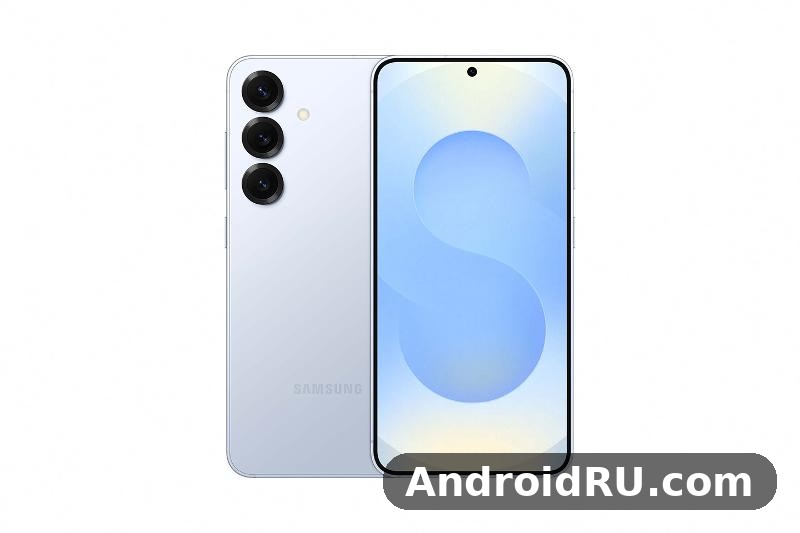
If you are shopping for a compact Android flagship in 2026, the questions that matter are practical ones. Is the Galaxy S25 screen good outdoors, and does the FHD+ resolution feel sharp enough next to a QHD+ panel? How good is the Galaxy S25 camera for everyday photography, for portraits at 3x zoom, and for photos at night? How long does the Galaxy S25 take to charge, and does the 4000mAh battery last a full day? This merged review and full specification guide answers all three, with real numbers from the specification sheet and honest notes from daily use, so you can decide before you spend your money.
The Galaxy S25 launched in January 2025 at $799, with One UI 7 on Android 15 and a promise of seven years of operating system and security updates. That long support window changes the value calculation: spread over seven years, the launch price looks much kinder than it does on day one. Readers who want the larger-screen alternative should also look at the Samsung Galaxy S25+ Review: Design, Battery Life and Usability, which covers the same chip and cameras in a bigger body with a bigger battery and faster charging.
Samsung Galaxy S25 Screen Quality: 6.2-Inch Dynamic AMOLED 2X at 120Hz
The screen is where the Galaxy S25 earns its price. The 6.2-inch Dynamic AMOLED 2X panel runs at 2340 by 1080 pixels, which works out to about 416 pixels per inch, and it refreshes at up to 120Hz with an adaptive rate that drops as low as 1Hz when nothing moves. Text looks crisp at normal reading distance, and I never once wished for the sharper QHD+ panel of the larger Plus model during normal use. Samsung rates peak brightness at up to 2600 nits, and the panel stays readable in harsh midday sun in a way that cheaper phones simply do not match. If you care about Samsung Galaxy S25 screen quality, this is the headline: it is a true flagship display in a small body, not a cut-down version of one.
Colour handling is flexible. Vivid mode pushes saturation the way Samsung screens always have, while Natural mode is calmer and closer to what a photo actually looked like when you took it. I kept the phone on Natural for photo editing and switched to Vivid for video, which takes two taps in Settings under Display and then Screen mode. The panel also dims smoothly at night, and the lowest brightness setting is dim enough to check the time in a dark bedroom without waking anyone. For a phone this size, the Galaxy S25 display brightness and colour range are genuinely hard to fault, and the flat glass catches less glare than a curved panel would.
Brightness and Outdoor Visibility on the Galaxy S25
Outdoor visibility is the first thing I test on any phone, because a screen you cannot read in sunlight is a screen you fight with every day. The Galaxy S25 held up well on a bright afternoon, with maps, messages and the camera viewfinder all staying legible without shading the phone with my hand. The high brightness mode kicks in automatically, and it does so quickly, within a second or two of stepping outside. Is the Galaxy S25 screen good outdoors? Yes, and that answer held across two weeks of commuting, walking and shooting photos in direct sun. The 2600-nit peak figure applies to small bright highlights in HDR content, while typical full-screen brightness outdoors is lower but still strong enough for maps and photos in direct sun.
The flat panel helps here too. Reflections are kept in check by the flat glass, and the screen takes a screen protector without fuss, which curved screens often do not. The screen-to-body ratio sits near 91 percent, so the bezels are slim on all four sides, and the 6.2-inch size means the whole display stays within easy thumb reach. For a Galaxy S25 screen size and resolution pairing, this is the right balance for a compact phone: crisp text, modest power draw and a panel that stays readable outdoors.
How the 120Hz Refresh Rate Feels in Daily Scrolling
The adaptive 120Hz refresh rate is one of those features you stop noticing until you pick up a 60Hz phone again. Scrolling through long articles, timelines and photo galleries feels fluid, with text staying readable while it moves instead of smearing into a blur. The phone drops the rate when you read a still page, which saves battery, and raises it the moment your finger moves. Games that support high frame rates benefit too, though most everyday apps cap out well below 120 frames per second. After two weeks, the adaptive 120Hz refresh rate felt like the normal I now expect from a flagship, and going back to a slower screen felt like wading through mud.
Colour Accuracy and Eye Comfort After Long Sessions
Long reading sessions are where a good panel proves itself. I read for an hour or more most evenings, and the Galaxy S25 caused less eye fatigue than the phone it replaced, partly because the brightness steps are fine-grained and partly because the blue light filter is easy to schedule from sunset to sunrise. The Eye Comfort Shield setting warms the colour temperature in the evening without turning everything orange, and it can be set to follow the clock automatically. Video looks strong too: HDR10+ content on the AMOLED panel shows deep blacks next to bright highlights, and skin tones stay natural rather than waxy.
For video playback on a small phone, the Galaxy S25 screen quality is about as good as this size class gets. The FHD+ resolution beats the threshold where most eyes stop seeing extra detail at normal viewing distance, which is why the step up to QHD+ on the larger Plus model matters mainly for virtual reality viewers and pixel peepers rather than everyday readers. If you watch a lot of HDR video, set the screen mode to Vivid and let the 2600-nit peak do its work; if you edit photos, switch to Natural and trust the calmer colours.
Galaxy S25 Cameras: 50MP Main, 3x Telephoto and 12MP Ultrawide
The rear camera system is unchanged on paper from the previous generation: a 50MP main camera with optical image stabilisation, a 10MP telephoto with 3x optical zoom, and a 12MP ultrawide with a 120-degree field of view. What changed is the processing, which now runs on the Snapdragon 8 Elite for Galaxy and leans on Galaxy AI for noise reduction and detail recovery. The 50MP main camera is the workhorse, and it produces clean, detailed shots in daylight with colours that look close to the scene in front of you. If you are asking how good the Galaxy S25 camera is for everyday photography, the honest answer is very good, with the main lens doing most of the heavy lifting.
Video is a strength. The phone records 8K video at 30 frames per second and 4K at 60 frames per second from the main camera, with stabilisation that smooths out walking shots well enough for casual clips. Slow motion and the portrait video mode both work without fuss, and switching lenses while recording is smoother than it was on older Samsung phones. The Galaxy S25 camera test that matters most is the one you run yourself: point it at your kids, your food, your street at dusk, and see if the results please you. In my two weeks, they did, far more often than not.
Main Camera Daylight Photos and Detail
In daylight, the Galaxy S25 50MP main camera bins pixels down to a 12MP output by default, and that default is the right choice for most people: files stay manageable, detail is strong, and noise is low. Switch to the full 50MP mode for landscapes or shots you plan to crop, and you get extra detail at the cost of larger files and slightly slower processing. Fine textures like brickwork, leaves and fabric hold up well at 100 percent zoom, and the dynamic range keeps both sky and shadow detail in the same frame. The Galaxy S25 daylight photos I liked most were the unplanned ones, snapped quickly with the double-press of the power button to open the camera, and they came out sharp even when I did not stop walking.
The main lens uses an f/1.8 aperture and a 24mm equivalent focal length, which suits street scenes, food and everyday subjects. Pixel binning combines four pixels into one for cleaner low-light results, and the new image processing pipeline shows in cleaner night shots and better detail recovery than the previous generation. All three rear cameras support night mode, portrait mode and the Pro modes for manual control of ISO, shutter speed and focus, so keen photographers can take control when the automatic mode guesses wrong.
3x Telephoto Zoom for Portraits and Distant Subjects
The 10MP telephoto lens gives a true 3x optical zoom, and it is the lens I reached for most after the main camera. At 3x, portraits get a natural perspective with gentle background blur, and distant subjects like street signs, animals and stage performers become reachable without the mushy digital zoom of old. Samsung offers digital zoom up to 30x, but quality drops off sharply past 10x, so I treat anything beyond 10x as a last resort for reading a sign rather than taking a keeper photo. The Galaxy S25 3x telephoto zoom is a genuine optical advantage over phones that rely on cropping the main sensor, and it shows in portrait shots where faces stay sharp and backgrounds fall away cleanly.
The telephoto lens has an f/2.4 aperture, optical image stabilisation and a 67mm equivalent focal length, which suits portraits and distant subjects. That optical zoom is also the feature that separates the Galaxy S25 from the slimmer sibling in the family: the Samsung Galaxy S25 Edge Review: Display Quality, Speed and Daily Use shows a phone that trades this telephoto lens away for a thinner body, so if zoom matters to you, the compact S25 keeps the more useful camera set.
Ultrawide and 12MP Selfie Camera Results
The 12MP ultrawide covers a 120-degree view, which is wide enough for tight interiors, big group shots and dramatic landscapes. Edges show some softness and stretching, as ultrawide lenses always do, but the centre stays sharp and colours match the main camera closely, so switching lenses mid-shoot does not produce a jarring change. The 12MP selfie camera on the front handles video calls and self-portraits well, with natural skin tones in good light and usable results indoors. It supports autofocus, which is rarer than it should be on selfie cameras, and it records 4K video at 60 frames per second for crisp video calls and vlogs.
Portrait mode on the front camera separates hair from busy backgrounds better than I expected, though stray hairs can still confuse it. For a Galaxy S25 ultrawide camera and selfie pairing, the pair is solid rather than spectacular, and that is fine: these lenses support the main camera instead of trying to outshine it. Video stabilisation works across the rear cameras and the front camera, smoothing handheld walking shots, and the phone can switch lenses during recording.
Night Mode and Low Light Photography on the Galaxy S25
Low light is where the Galaxy S25 earns its keep. Night mode kicks in automatically when the scene is dark enough, taking a few seconds to gather light, and the results are bright without looking fake. Street scenes keep their mood, neon signs stay readable instead of blowing out, and faces in dim restaurants come out recognisable rather than grainy. The main camera does the best work here; the ultrawide gets noisy faster, and the telephoto needs more light than the other two. How good is the Galaxy S25 camera for photos at night? Good enough that I stopped carrying a second device for evening shots, which is the highest praise a phone camera can get from me.
Galaxy S25 Charging Speed and 4000mAh Battery Life
Charging is the least exciting part of this phone, and the most likely to disappoint buyers who compare spec sheets. The Galaxy S25 charges at 25W over a cable and 15W wirelessly, with 4.5W reverse wireless charging for earbuds and watches. There is no charger in the box, so you need your own USB-C power brick, and the fastest results come from a Samsung 25W adapter or a good USB Power Delivery brick. Battery life itself is better than the Galaxy S25 4000mAh battery number suggests. The efficient chip and the adaptive display stretch a full charge through a normal day of messaging, browsing, photos and an hour or so of video, with roughly a fifth of the battery left at bedtime in my testing.
Heavy days with navigation, hotspot use and long gaming sessions will end earlier, and that is where the small battery shows its limits. Galaxy S25 battery life is fine for most people and tight for power users, which is the honest split for a compact phone with a compact cell. Battery health features in One UI 7 can cap charging at 80 percent to slow long-term wear, which suits owners who plan to keep the phone for its full seven-year update window.
25W Wired Charging: How Long to a Full Charge
The Galaxy S25 25W wired charging setup takes the phone to about half charge in roughly 30 minutes on a 25W wired charger, and a full charge in around an hour and a quarter, with the last stretch slowing down to protect the battery. That is slower than many rivals that now ship 65W or faster charging, and there is no way to dress it up: if you often plug in for ten minutes before leaving the house, you will get a useful top-up, not a near-full battery. The 25W wired charging speed is the single clearest compromise Samsung made here, and it is the one I noticed most in daily life. That said, overnight charging makes the speed irrelevant for many owners, and the battery health features that slow the final stretch should help the cell last across years of use.
To reach 25W you need a USB Power Delivery PPS charger, and Samsung’s own 25W adapter is the safe default, though good third-party PPS bricks work too. A standard 15W charger will still charge the phone, just more slowly, and a laptop USB-C port will trickle-charge it over several hours. Galaxy S25 charging speed depends on the brick as much as on the phone, so check the wattage and PPS support on any charger you already own before buying a new one. The box contains the phone, a USB-C to USB-C cable and a SIM ejector tool, with no charging brick and no case.
15W Wireless Charging and Reverse Wireless Power
Wireless charging at 15W is convenient for a desk or bedside pad, though it is slower than the wired option and the phone warms up a little while it works. I used a standard Qi pad overnight and woke to a full battery every morning, which is all most people ask of wireless charging. Reverse wireless charging at 4.5W is a handy extra: place Galaxy Buds or a watch on the back of the phone and they pick up charge, slowly but surely. It is not fast, and it drains the phone while it works, so I treat it as an emergency feature rather than a daily habit. Galaxy S25 wireless charging works with most Qi pads and with Samsung’s own stands, and alignment is forgiving thanks to the centred coil.
Real Battery Life: A Full Day on One Charge
My typical day ran from 7 in the morning to 11 at night, with the screen on for around five hours split across messaging, maps, camera use and video. The phone ended those days with 15 to 25 percent left, which is comfortable but not generous. A day with two hours of video streaming over mobile data ended closer to 10 percent, and a day with an hour of gaming plus navigation ended with me reaching for a charger in the evening. The Galaxy S25 charging time and battery pairing makes sense for light to medium users, while heavy users should look at the larger Plus model or carry a small power bank. Power saving mode, which caps the refresh rate and background activity, adds a useful buffer when you know the day will run long.
If battery life is your top priority, the bigger sibling is worth a serious look: the Samsung Galaxy S25 Ultra Review: Photo Quality, Video and Performance covers the largest battery in the family, while the Plus model sits between the two with a 4900mAh cell and 45W charging. For the compact S25, the practical routine is overnight charging, with a short wired top-up on heavy days.
Snapdragon 8 Elite Performance and Everyday Speed
Performance is not the focus of this review, but it shapes everything the screen and cameras do. The Snapdragon 8 Elite for Galaxy is the fastest chip Samsung has put in a phone this size, and the Galaxy S25 feels instant in normal use: apps open without hesitation, the camera launches fast, and switching between a dozen apps never stutters. The phone ships with 12GB of RAM and a choice of 128GB, 256GB or 512GB of storage, with no microSD slot, so pick the size you need at purchase. The chip is a 3-nanometre octa-core design with two prime cores running at up to 4.47GHz and six performance cores, plus the Adreno 830 graphics processor and a dedicated neural processing unit for Galaxy AI tasks.
The neural processing unit accelerates on-device Galaxy AI features such as live translation and photo editing, so those tasks work without sending your data to a server. The chip supports ray tracing in games, fast on-device AI processing and 8K video recording, and it stays cool enough for sustained use thanks to a vapour chamber inside the compact body. Galaxy S25 Snapdragon 8 Elite performance is overkill for messaging and browsing, which is exactly the point: the phone stays fast for years rather than slowing down after one software update.
Gaming and Heavy Apps on 12GB of RAM
Games run well. Demanding titles hold high frame rates at high settings, and the 12GB of RAM keeps several large apps alive in the background without reloading. I played for an hour at a stretch and the phone stayed smooth, with frame drops only appearing in the most demanding scenes after extended play. Photo editing in Lightroom, video trimming and split-screen multitasking all felt fast, and the Galaxy S25 Snapdragon 8 Elite performance is easily enough for anything a phone is asked to do in 2025 and 2026. If you want a compact phone that never feels slow, this chip is a large part of the reason.
Storage speed helps too. UFS 4.0 storage reads and writes roughly twice as fast as the older UFS 3.1 standard, which shows up when installing large apps, copying video files and opening big photo libraries. For most buyers, Galaxy S25 256GB storage is the sweet spot between price and headroom. The lack of a microSD slot is a real limitation for some buyers, and the fix is to choose the 256GB model at purchase, since the price step is usually modest compared with the cost of managing a full phone later. If you record a lot of 8K video, treat 256GB as the practical minimum for the Galaxy S25 storage options.
Heat and Throttling During Long Sessions
Heat is handled sensibly. The phone gets warm during long gaming sessions or 4K recording, as any small phone does, but it never became uncomfortable to hold, and the frame rate settled at a sustainable level rather than collapsing. Samsung’s vapour chamber cooling is smaller than in the Ultra model, which is the price of the compact body, yet in my testing the phone recovered quickly once the heavy load stopped. Charging while gaming adds heat, so I avoided that combination on warm days. For normal use, including navigation in a car mount under summer sun, the Galaxy S25 stayed cool enough to keep working without dimming the screen aggressively.
Design, Size and One UI 7 in Daily Use
At about 162 grams and 7.2 millimetres thick, the Galaxy S25 is easy to hold, easy to pocket and easy to use with one hand. The flat frame and flat screen make it feel secure in the grip, and the aluminium frame with Gorilla Glass Victus 2 front and back gives it a solid, premium feel without the weight of the Ultra line. It carries an IP68 rating, so rain and accidental splashes are not a worry, and the colours are understated rather than flashy. Galaxy S25 weight and size are the reason to choose this phone over its siblings: if you have small hands or you are tired of phones that need two hands and a big pocket, this is the flagship that fits your life.
One UI 7 on Android 15 is clean, fast and full of small touches that add up. The notification shade and quick settings are easier to reach, the camera app is simpler to navigate one-handed, and Galaxy AI features like writing assist, live translation and photo editing sit inside the apps you already use instead of hiding in a separate menu. Samsung promises seven years of operating system and security updates, which means this phone should stay current until 2032. That promise matters more than any single feature: a Galaxy S25 seven years of updates commitment turns a 2025 purchase into a long-term device rather than a two-year stopgap.
A Compact Phone That Fits Small Hands
One-handed use is genuinely practical here. The 6.2-inch screen lets most thumbs reach the far corner, and one-handed mode shrinks the display further when you need it. The fingerprint sensor under the screen is fast and reliable, and face recognition works well enough for quick unlocks in good light. I carried the phone in a front jeans pocket for two weeks and forgot it was there more than once, which never happened with the larger phones I have tested. Is the Galaxy S25 good for small hands? Anyone searching for a Galaxy S25 for small hands should know this Galaxy S25 compact flagship is the best small phone Samsung sells, and that is a deliberate choice rather than an accident of the lineup.
The ultrasonic fingerprint sensor sits under the display and works with dry or slightly damp fingers, which optical sensors struggle with. Stereo speakers with Dolby Atmos support sound clear for video and calls, though bass is limited by the small body, as it is on every compact phone. The USB-C port supports USB 3.2 Gen 1 transfer speeds and DisplayPort output for Samsung DeX, so the phone can drive a desktop-style interface on a monitor.
Seven Years of Android Updates With One UI 7
Seven years of updates changes how you should judge the price. The Galaxy S25 launched at $799 in January 2025, and spreading that cost over seven years of software support makes it look much better value than phones that stop getting updates after three. One UI 7 brings a refreshed look, smoother animations and better multitasking, and the update policy covers both major Android versions and monthly security patches. The Galaxy S25 release date of January 2025 also means it launched with the newest Android of its generation, so it starts its long support window from the front rather than playing catch-up.
Galaxy AI runs partly on the device and partly in the cloud, depending on the feature. On-device tools include live translation during calls, writing assist in the keyboard and photo editing that can remove objects and fill backgrounds. Cloud tools add deeper features like note summaries and browsing assist, which need an internet connection and a Samsung account. Some Galaxy AI features may require a Samsung account and an internet connection, and availability varies by region and language, so check the feature list for your country. Value buyers who want the same long support at a lower price should read the Samsung Galaxy S25 FE Review: Camera Quality, Battery and Value before deciding, since the FE line trades a little flagship polish for a friendlier price.
Galaxy S25 Full Specifications
This section gathers the complete specification sheet in one place, so you can check a single detail before buying or compare the Galaxy S25 against the phone you own today. Every figure here comes from the official specification sheet for the Galaxy S25. Where a number varies by region or carrier, the most common global value is shown, and you should check the official page for your region if a regional detail decides your purchase.
| Category | Galaxy S25 specification |
|---|---|
| Launch | January 2025, Android 15 with One UI 7 |
| Display | 6.2 inch Dynamic AMOLED 2X, 2340 by 1080, 120Hz adaptive, up to 2600 nits, HDR10+ |
| Chipset | Snapdragon 8 Elite for Galaxy, 3nm, octa-core up to 4.47GHz |
| Graphics | Adreno 830 |
| RAM | 12GB |
| Storage | 128GB, 256GB or 512GB, UFS 4.0, no microSD slot |
| Rear cameras | 50MP main f/1.8 OIS, 10MP telephoto 3x f/2.4 OIS, 12MP ultrawide f/2.2, 120-degree |
| Front camera | 12MP, f/2.2, autofocus, 4K 60fps video |
| Video | 8K 30fps, 4K 60fps, slow motion 960fps at 720p |
| Battery | 4000mAh, non-removable |
| Charging | 25W wired, 15W wireless, 4.5W reverse wireless |
| Connectivity | 5G, Wi-Fi 7, Bluetooth 5.4, NFC, ultra-wideband, USB-C 3.2 |
| Security | Ultrasonic fingerprint sensor, face recognition |
| Build | Armor Aluminium frame, Gorilla Glass Victus 2, IP68 |
| Dimensions | 146.9 by 70.5 by 7.2 mm |
| Weight | About 162g |
| Updates | Seven years of OS and security updates |
| Launch price | $799 |
Display, Chipset and Memory in the Specification Sheet
The display, chipset and memory rows are the heart of the sheet. A 6.2-inch Dynamic AMOLED 2X panel at 2340 by 1080 pixels, about 416 pixels per inch, with an adaptive refresh rate from 1Hz to 120Hz and peak brightness of up to 2600 nits, sits next to a 3-nanometre Snapdragon 8 Elite for Galaxy chip and 12GB of RAM in every configuration. That combination is why the phone feels fast in daily use and stays readable outdoors. Connectivity covers 5G, Wi-Fi 7, Bluetooth 5.4, NFC, ultra-wideband and satellite-ready positioning with GPS, GLONASS, Galileo and BeiDou, so nothing important is missing for a 2025 flagship.
Cameras, Battery and Build in the Specification Sheet
The camera rows list a 50MP main camera with an f/1.8 aperture and optical image stabilisation, a 10MP telephoto with an f/2.4 aperture and 3x optical zoom, a 12MP ultrawide with an f/2.2 aperture and a 120-degree field of view, and a 12MP front camera with autofocus. The battery row lists a 4000mAh cell with 25W wired charging, 15W wireless charging and 4.5W reverse wireless charging. The build rows list Armor Aluminium, Gorilla Glass Victus 2 on the front and back, an IP68 rating for immersion in up to 1.5 metres of fresh water for 30 minutes, dimensions of 146.9 by 70.5 by 7.2 millimetres, and a weight of about 162 grams.
How to Read the Specification Sheet Before You Buy
Start with the three numbers that shape daily life: the 6.2-inch screen size, the 4000mAh battery and the 25W wired charging speed. If all three suit you, the rest of the sheet is reassurance: a fast chip, 12GB of RAM, a capable triple camera and seven years of updates. If the battery or the charging speed worries you, compare the Plus model before you buy, since its 4900mAh battery and 45W charging are the direct answers. Galaxy S25 full specifications matter most when you compare like with like, so line this table up against the phone you own today and look for the rows that actually change your day.
Galaxy S25 vs Galaxy S25 Plus vs Galaxy S24: Quick Comparison
Shoppers rarely pick a phone in isolation, so here is the Galaxy S25 against its closest relatives. The Plus model is the same phone with a bigger screen, a bigger battery and faster charging, while the Galaxy S24 is the previous generation with an older chip and a shorter remaining update window. The table below lays out the differences plainly, so you can compare figure for figure before you decide whether to buy now or wait.
| Feature | Galaxy S25 | Galaxy S25+ | Galaxy S24 |
|---|---|---|---|
| Display | 6.2 inch FHD+ AMOLED, 120Hz | 6.7 inch QHD+ AMOLED, 120Hz | 6.2 inch FHD+ AMOLED, 120Hz |
| Chipset | Snapdragon 8 Elite for Galaxy | Snapdragon 8 Elite for Galaxy | Snapdragon 8 Gen 3 |
| RAM | 12GB | 12GB | 8GB |
| Rear cameras | 50MP + 10MP 3x + 12MP ultrawide | 50MP + 10MP 3x + 12MP ultrawide | 50MP + 10MP 3x + 12MP ultrawide |
| Battery | 4000mAh | 4900mAh | 4000mAh |
| Wired charging | 25W | 45W | 25W |
| Weight | About 162g | About 190g | About 167g |
| Launch price | $799 | $999 | $859 |
Who Should Pick the Galaxy S25 Over Its Siblings
Pick the Galaxy S25 if you want a compact flagship and you charge overnight. Pick the Plus if you want a bigger screen, longer battery life and 45W charging and you do not mind the extra size and $200. Pick the older S24 only if you find it at a steep discount, because the S25 brings a faster chip, more RAM and a longer update window for a modest premium. The Galaxy S25 vs Galaxy S25+ choice comes down to size and battery, not cameras or speed, since those are the same on both. If you are weighing the next generation as well, the Samsung Galaxy S26 FE Review: Daily Performance and Key Features shows where Samsung went next in the more affordable FE line, and it is a useful check before you decide whether to buy now or wait.
Pros and Cons of the Samsung Galaxy S25
Two weeks of daily use left me with a clear picture. The screen and the chip are excellent, the cameras are dependable with a real optical zoom, and the size is the best reason to buy. The charging speed and the small battery are the real costs of that compact body, and the camera hardware itself is unchanged from last year, so upgraders from the S24 will notice software improvements more than new lenses.
What I Liked Most After Two Weeks
Superb 6.2-inch AMOLED screen with 120Hz refresh and strong outdoor brightness, which makes everything from reading to video look great. Fast Snapdragon 8 Elite performance with 12GB of RAM, so apps, games and photo editing never feel slow. Dependable triple camera with true 3x optical zoom and strong night mode results from the main lens. Compact 162g body that fits one hand and a small pocket, with an IP68 rating for everyday accidents. Seven years of Android and security updates, which makes the $799 launch price easier to justify over time.
What Could Be Better
25W wired charging is slow next to rivals, and a full charge takes well over an hour. The 4000mAh battery ends heavy days early, so power users will need a top-up or a power bank. Camera hardware is unchanged from the Galaxy S24, with no new sensor or longer zoom. No charger in the box, and the 128GB base storage is tight if you shoot a lot of video.
Frequently Asked Questions About the Galaxy S25
Is the Galaxy S25 screen good enough for video and reading?
Yes. The 6.2-inch Dynamic AMOLED 2X panel at 120Hz with up to 2600 nits of peak brightness handles video, reading and outdoor use well, and the FHD+ resolution is sharp at this size. The only reason to step up to the Plus is a bigger screen, not a better one. Set the screen mode to Natural for photo editing and Vivid for video, and schedule Eye Comfort Shield from sunset to sunrise for comfortable evening reading.
How good is the Galaxy S25 camera for photos at night?
Night mode on the 50MP main camera produces bright, clean shots with controlled noise, and it works automatically without fiddly settings. The ultrawide and telephoto are weaker in the dark, so use the main lens after sunset for the best results. The 10MP telephoto still helps for portraits in good light, and the 12MP ultrawide covers group shots and interiors when you have enough light.
Does the Galaxy S25 charge fast enough at 25W?
For overnight charging, yes. For quick top-ups, it is slower than rivals: expect about half a charge in roughly 30 minutes and a full charge in around an hour and a quarter. If you often need a fast refill during the day, the 45W charging of the Plus model is worth considering. Use a USB Power Delivery PPS brick to reach the full 25W, since a standard 15W charger will be slower still.
Is the Galaxy S25 worth buying in 2026?
Yes, if you want a compact flagship. The Snapdragon 8 Elite chip, 12GB of RAM, strong screen and seven years of updates keep it current, and its price has softened since the January 2025 launch. Buy the 256GB version if you can, since the 128GB base fills up fast with photos and video. Heavy users who need a bigger battery should compare the Plus model first, and small-handed buyers will find no better compact flagship from Samsung.
What are the S25 specs?
The S25 specs start with the S25 display, a 6.2-inch panel with a 120Hz refresh rate, so most buyers can pick a size that fits without paying for more than they need. The S25 RAM is 12GB, and the S25 storage comes in 128GB, 256GB or 512GB. The S25 screen size is 6.2-inch, the S25 weight is 162g, and the S25 colors vary by region, with black and grey finishes in most stores and extra shades in Samsung’s online store. The S25 performance comes from the Snapdragon 8 Elite for Galaxy chip, and the S25 WiFi 7 support keeps downloads fast. The S25 Galaxy AI tools cover photo edits, live translation and writing help. The S25 release date was January 2025.
When was Samsung Galaxy S25 released?
The Samsung Galaxy S25 was released in January 2025. That date matters when you compare prices, because the S25 price has fallen since launch and newer models have taken the top spot in Samsung’s range.
Is Samsung Galaxy S25 worth buying, and will S25 price drop further?
Yes, if the price is right. The S25 price in USA started at $799 at launch, and the S25 price has fallen since then, so the value case is much stronger now than it was on day one. Look for S25 deals around sales events, and check the S25 trade in value of your current phone, because a good trade in can cut the cost further. On that basis, the S25 worth buying case is simple: it is a good buy for anyone who wants a flagship camera and a big screen without paying the newest model’s price.
How does the S25 vs S24 comparison look?
The S25 runs on Snapdragon 8 Elite for Galaxy, while the S24 runs on Snapdragon 8 Gen 3 or Exynos 2400, so the newer phone is faster in heavy games and AI tasks, but the gap in everyday apps is small. The S25 also gets a longer remaining update window, while the S24 is now the cheaper buy and still covers the basics well. Buy the S25 if you want the newest cameras and the longest support; buy the S24 if the discount is large and you are happy with last year’s speed.
How good is the Samsung Galaxy S25 camera?
The Samsung Galaxy S25 camera is led by a 50MP main sensor, and the S25 best camera settings for most people are the default Photo mode with scene optimisation on and HDR set to auto. A Samsung Galaxy S25 camera test in everyday use shows sharp daylight shots, clean night photos and steady video, with the long zoom best kept to its optical range for the cleanest results.
Is S25 waterproof?
Yes. The S25 IP68 rating means it can handle dust and a dip in fresh water, so rain and splashes are nothing to worry about. Rinse it with clean water if it goes in the sea or a pool, and do not charge it until the port is dry.
How long does S25 battery last?
In normal use the S25 battery lasts a full day, and the S25 battery life is helped by the 4,000mAh battery and the efficient chip. The S25 screen on time usually lands between five to six hours, and in a S25 battery life test with maps, photos, video and messaging, the phone still had charge left at bedtime.
Does S25 have wireless charging?
Yes. The S25 wireless charging watts rating is 15W, so a compatible pad or stand tops the phone up slowly overnight, while the 25W wired charging is the faster option when you are in a hurry. The S25 charging speed is 25W wired and 15W wireless, which is slower than some rivals but fast enough for an overnight charge.
Why is S25 fast charging not working?
Check the charger and cable first: the S25 needs a USB-C PD charger rated for 25W and a 5A cable to reach full speed, and a weak charger or a dirty port slows it down. Clean the port gently, try another cable, and restart the phone before you assume the battery is at fault.
Why does my S25 lose battery overnight?
The simplest S25 battery drain overnight fix is to open Settings, check Battery usage for the app draining power, and put that app to sleep. The S25 always on display settings sit under Lock screen and AOD, so turning that display off at night also helps the battery hold its charge.
How to take screenshot on S25?
Press the Side key and Volume Down together for a quick screenshot, or swipe the edge of your palm across the screen if that gesture is turned on. After the capture, tap Scroll capture to save a long page as one image.
How to restart S25?
Hold the Side key and Volume Down together until the power menu appears, then tap Restart. If the phone is frozen, hold both keys for about seven seconds to force a restart.
How to transfer data to S25?
Use Smart Switch: install it on both phones, connect them by cable or Wi-Fi, and pick the photos, messages, apps and settings to move. Keep both phones charged and on the same Wi-Fi network until the transfer finishes.
How to turn off 5G on S25?
Open Settings, go to Connections, then Mobile networks, then Network mode, and pick a mode without 5G. Turning 5G off can help the battery in weak-signal areas, and you can turn it back on the same way.
Why is 5G not working on S25?
Turn airplane mode on and off, check that the SIM is seated properly, and confirm that your plan and area both support 5G. If it still fails, reset the network settings in Settings under General management, then restart the phone.
How to free up storage on S25?
Open Settings, go to Battery and device care, then Storage, and delete the large videos and unused apps it lists. The S25 storage is fixed, with no microSD slot, so back photos up to the cloud and clear the Gallery recycle bin to win space back.
How to use S25 with one hand?
Turn on one-handed mode in Settings under Advanced features, then swipe down on the bottom edge to shrink the screen. It makes the top of the display easy to reach on a big phone like this one.
How to record calls on S25?
Call recording on the S25 depends on your region: where it is allowed, open the Phone app, go to Settings, then Record calls, and turn it on. Where it is not offered, the option simply does not appear, and recording laws vary, so check the rules where you live before you record anyone.
Does S25 overheat?
In normal use the S25 stays cool, and it only gets warm during long gaming sessions, 4K recording or charging in a hot car. That warmth is normal; if the phone ever shows a heat warning, close the heavy app, move it out of the sun and let it cool before you charge it.
What S25 hidden features are worth trying?
The S25 hidden features worth trying first are Modes and Routines, which change settings automatically, and Secure Folder, which keeps private apps and files behind a lock. Good Lock in the Galaxy Store adds more tweaks, and the Edge panel puts your favourite apps and tools one swipe away.
What S25 problems do owners report most?
The most talked-about S25 problems are small ones: charging feels slow next to rivals, no charger comes in the box, and there is no microSD slot. Software quirks after big updates are usually fixed by a restart or a later patch, so keep the phone updated.
Which S25 cases and accessories are worth buying?
Good S25 cases range from slim clear shells to rugged cases with a kickstand, and a S25 screen protector is worth adding on a phone with a screen this size. The wider S25 accessories range covers chargers, car mounts and Galaxy Buds, so buy the case first and add the rest as you need them.
S25 fingerprint sensor not working: what should I do?
Clean the screen and your finger, then delete the old fingerprint and register it again, pressing firmly at different angles. The S25 fingerprint sensor is an ultrasonic reader under the display, and a thick screen protector can confuse it, so register the fingerprint after you fit the protector.
What if the S25 Bluetooth keeps disconnecting?
If your S25 Bluetooth keeps disconnecting, forget the device in Bluetooth settings and pair it again. Update the phone, restart both devices, and check that no battery optimisation is putting the Bluetooth app to sleep.
Why are notifications delayed on the S25?
A common S25 notification delay fix is to turn off battery optimisation for the app in Settings, so the phone does not put it to sleep. Also check that notifications are allowed for the app and that Do Not Disturb or a sleeping-apps rule is not holding them back.
What should I know about S25 software updates?
Most S25 software update problems clear after a restart and a retry on Wi-Fi, with the phone charged and enough free space. The S25 software update promise is seven years of updates, so the phone keeps getting new features and security patches for years.
Does the S25 support dual SIM and eSIM?
Yes. The S25 dual SIM eSIM setup pairs one physical nano-SIM with one eSIM in most regions, so you can keep a work number and a personal number on one phone. The S25 eSIM is added in Settings under Connections, then SIM manager.
The Galaxy S25 is a phone that knows what it is: a small flagship that does the important things well and asks you to accept slower charging in return for a body that disappears into your pocket. The screen is the star, the cameras are trustworthy, and the chip will stay fast for years. If those are your priorities and you charge overnight, this is an easy phone to recommend, and the one I would pick for anyone who asks for a compact Android phone in 2026. Your next step is simple. Hold one in a shop if you can, and check the screen under bright light, the weight in your hand and the camera at 3x zoom. Then compare the 128GB and 256GB prices, since the extra storage is the one upgrade that pays for itself over seven years of updates. If the size feels right and the charging trade-off feels fair, the Galaxy S25 will serve you well for a long time.

