

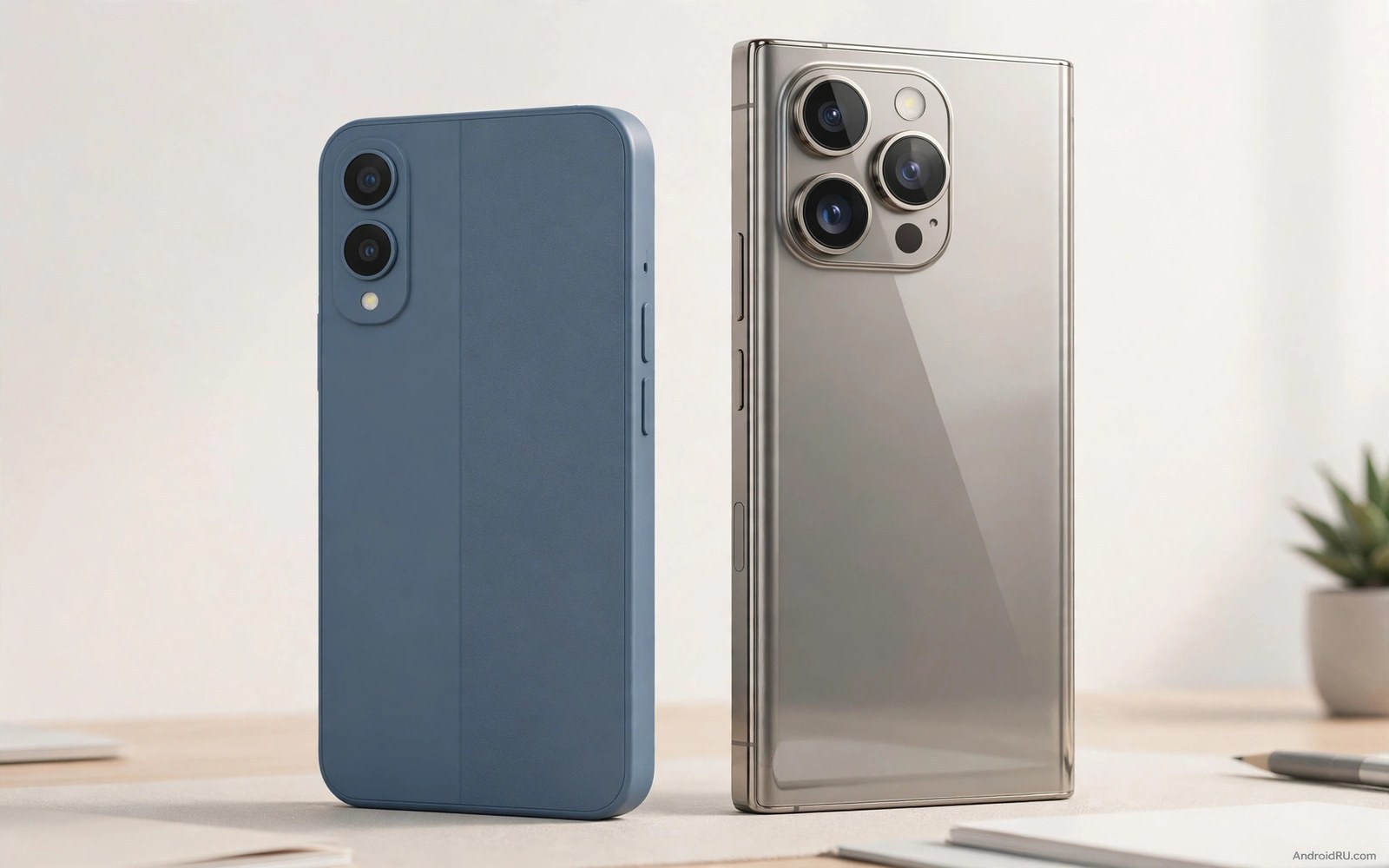
Flagships once owned every meaningful advantage. They held the fastest chips and the best cameras and the brightest screens. Mid-range phones have closed that gap year by year while keeping prices far lower. For most buyers the flagship premium now buys bragging rights rather than daily benefits.
The shift began when chip makers brought efficient flagship designs to cheaper tiers. A mid-range chip today handles games and video editing and multitasking without drama. Camera software also trickled down and lifted budget photography far beyond old expectations. Battery sizes grew because mid-range designs accept slightly thicker bodies.
This guide explains exactly where mid-range phones caught up and where flagships still lead. You will see which buyers still need a flagship and which buyers waste money on one. Honest use patterns decide the answer.
Chips that stopped feeling cheap
Mid-range chips now use efficient cores and modern graphics that handle daily work with ease. Social apps and maps and video calls run smoothly without stutters. Even demanding games run well at sensible graphics settings. The difference from a flagship chip appears mainly in extreme editing and long ray tracing sessions.
Thermal behaviour often favours mid-range phones too. A less aggressive chip generates less heat during long use. That means steadier performance during a long gaming session or a hot afternoon outdoors. Flagships can throttle when pushed hard while a cooler mid-range phone keeps a steady pace.
Check sustained performance rather than peak benchmark numbers. A phone that holds eighty percent of its speed after twenty minutes serves you better than a phone that spikes and fades. Reviews that test throttling reveal this truth. Peak numbers flatter flagships and hide heat limits.
Cameras good enough for real life
Mid-range main cameras now capture sharp daylight photos with pleasing colour. Computational processing lifts shadows and tames bright skies. Family photos and travel shots look excellent on phones and social feeds. Only extreme zoom and dim indoor motion still separate the tiers clearly.
Portrait mode and night mode have also improved on mid-range devices. Results look natural in good light and usable in moderate darkness. A careful shooter who uses good light and steady hands closes much of the remaining gap. Technique matters as much as sensor size for casual photography.
Video quality follows the same pattern. Stabilised daylight video looks smooth and detailed on mid-range phones. Low light video and extreme zoom video still favour flagships. Decide how often you film in darkness before paying double for that edge.
Battery and charging that beat flagships
Mid-range phones frequently outlast flagships because they pair large batteries with efficient chips. A two day battery becomes realistic for light users. Heavy users still reach bedtime with charge to spare. That endurance changes travel and workdays for the better.
Charging speeds on mid-range phones have also improved sharply. Many models reach half charge in about half an hour with the included charger. Flagships sometimes charge slower or need a separate charger purchase. Practical charging beats headline wattage when you use everyday chargers.
Consider battery replacement cost as well. Mid-range batteries often cost less to replace at service centres. A cheaper replacement extends the phone life by another two years. Flagship repairs can cost enough to push buyers toward a new phone instead.
Where flagships still justify the price
Flagships still lead in a few specialised areas. Extreme zoom and professional video tools and stylus workflows remain flagship strengths. Premium build materials and the fastest wireless charging also sit at the top tier. Buyers who use those tools weekly can justify the premium.
Long software support can also favour flagships from some makers. A flagship may receive seven years of updates while a mid-range sibling receives four. That gap matters for buyers who keep phones for many years. Check the exact promise for each model rather than assuming brand wide equality.
Resale value sometimes favours famous flagships too. A well known flagship holds value better after two years. That resale return narrows the real price gap for buyers who trade in regularly. Calculate total cost after resale rather than sticker price alone.
Score the real value gap
A simple script can compare a mid-range candidate with a flagship on daily traits. Score chip smoothness and camera and battery and software and price. The script below totals the scores and shows where the mid-range phone closes the gap.
phones = {
    "Mid-range pick": {"chip": 8, "camera": 8, "battery": 9, "software": 8, "price": 10},
    "Flagship rival": {"chip": 10, "camera": 9, "battery": 7, "software": 9, "price": 5},
}
for name, scores in phones.items():
    print(name, sum(scores.values()))
This snippet was written for this guide so you can total daily traits for a mid-range phone against a flagship rival. Adjust the scores after your own tests and let price carry proper weight in the final total.
A close total with a large price gap signals strong mid-range value. A large total gap signals a flagship feature you truly need. Use the numbers to challenge your assumptions rather than to confirm them.
The mid-range phone two years later
Mid-range phones age better than their reputation suggests. Chips from two years ago still handle daily apps without drama. Camera software often improves through updates that refine processing. Battery health becomes the main ageing factor rather than speed.
Software support decides whether a mid-range phone still feels current. Makers that promise four years of patches keep mid-range phones safe longer. Check the remaining support window before buying a model that launched last year. Remaining years matter more than launch hype.
Storage growth threatens older mid-range phones more than chip age. Photos and app caches accumulate steadily over two years. A phone bought with generous storage ages gracefully. A phone bought tight on storage slows and frustrates by year two.
Resale value for mid-range phones falls faster than for flagships. That drop matters less when the purchase price started low. Total cost after two years often favours mid-range buyers strongly. Low entry price plus solid ageing equals strong value.
Accessory support for popular mid-range models stays strong for years. Cases and screen protectors remain available long after launch. Popularity protects accessory choice better than flagship status alone. Check accessory availability for your exact model.
Plan a battery replacement in year three to extend mid-range life further. A fresh battery restores endurance for a modest cost. Combined with a storage cleanup the phone can serve a fourth year easily. Mid-range longevity rewards simple maintenance.
Mid-range cameras in low light: honest limits
Mid-range night mode works best for static scenes with some ambient light. Street lamps and shop windows give the sensor enough data. Results look clean and shareable in those conditions. Total darkness still defeats mid-range sensors.
Moving subjects in low light expose the main weakness. Longer exposures blur children and pets and traffic. A flagship sensor freezes motion better with larger pixels. Accept blur or add light rather than expecting miracles.
Portrait mode in dim rooms also struggles on mid-range phones. Edge detection around hair grows less accurate as light falls. Results can look artificial around complex outlines. Use portrait mode in good light for best results.
Video in low light trails stills quality further. Noise and focus hunting appear in dim video quickly. A steady hand and a nearby light source help greatly. Mid-range video shines outdoors and in bright rooms.
Common mistakes
Many buyers assume price equals quality in every category. That assumption fails when a mid-range phone beats a flagship on battery and comfort. Judge each category separately and total the result. Price is one input and not a verdict.
Another mistake is buying a flagship for a single feature used twice a year. Extreme zoom or a stylus may thrill on holiday and then sit idle. Rent or borrow that capability when possible instead of paying for it permanently. Occasional needs deserve occasional solutions.
Shoppers also ignore weight and size in flagship comparisons. Large flagships tire hands during long reading sessions. A lighter mid-range phone can feel better after hours of use. Hold both phones for a long session before you decide.
Finally avoid paying for storage or features to impress others. Your phone serves your life and not an audience. Choose the phone that makes your week easier and ignore status pressure. Confidence beats prestige every time.
Frequently asked questions
Will a mid-range phone feel slow in two years?
A mid-range phone with enough memory and fast storage stays smooth for years. Choose a model with generous memory and a clean interface. Avoid filling storage to the brim because that slows any phone. Regular updates and light housekeeping preserve speed well.
Do mid-range cameras work at night?
Mid-range night photos look usable but show more noise than flagship results. Night mode helps static scenes a great deal. Moving subjects in darkness still challenge mid-range sensors. Use good light when possible and accept the gap for casual night shots.
Is flagship build quality much better?
Flagship build quality feels more premium but mid-range durability often matches it in daily drops. Strong glass and solid frames appear across price tiers now. A good case protects either tier equally well. Judge repair cost and drop resistance rather than material prestige.
Conclusion
Mid-range phones now cover the daily needs of most buyers with speed and cameras and battery to spare. Flagships still serve specialists who need extreme zoom or stylus tools or the longest support. Most buyers should pocket the saving and enjoy a phone that simply works.
Your concrete next step is to test one strong mid-range phone against your current phone for a full day using your own apps and photos. Score speed and camera and battery honestly and compare the total price after accessories. Readers hunting for bargains can explore a budget phone that beats pricier rivals and gamers can check budget gaming phones with flagship speed while memory conscious buyers should read the memory guide for long term smoothness and patient owners can learn why older phones still perform well before spending more.

